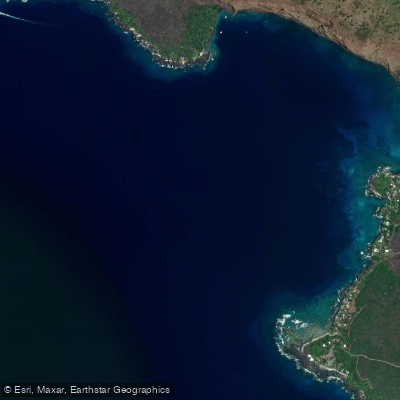
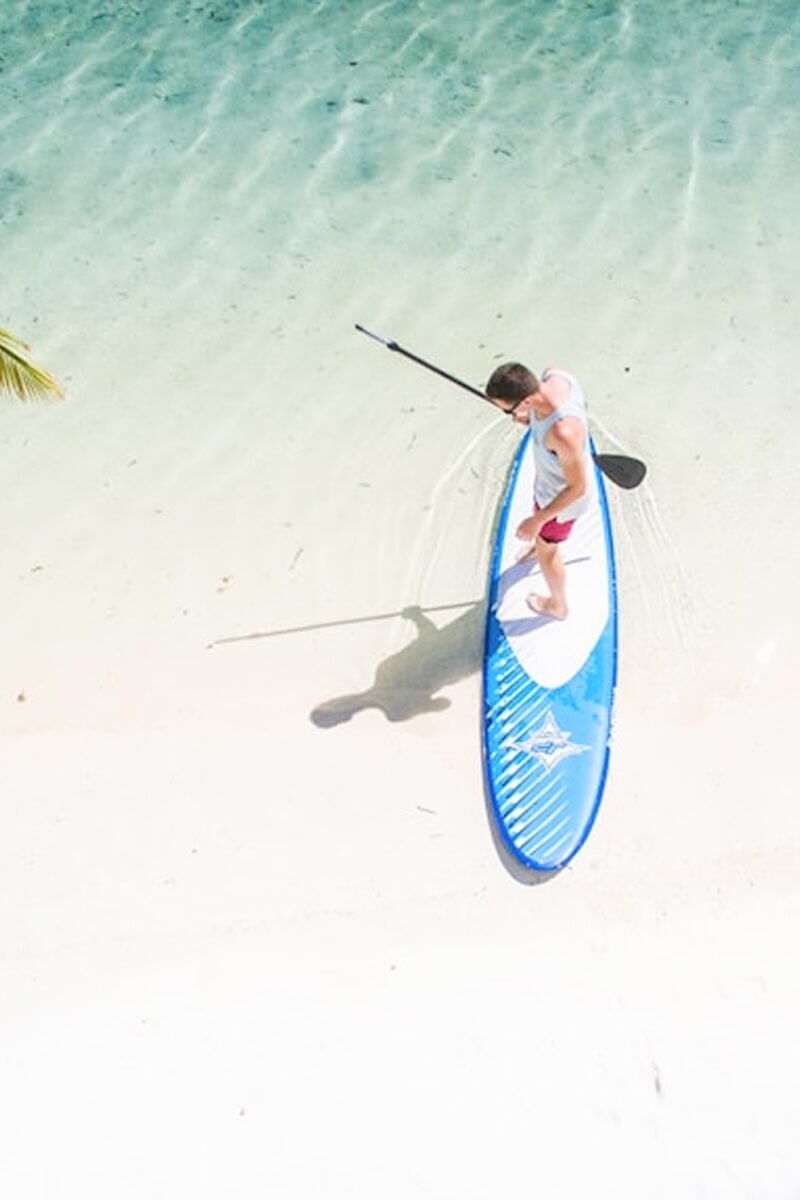
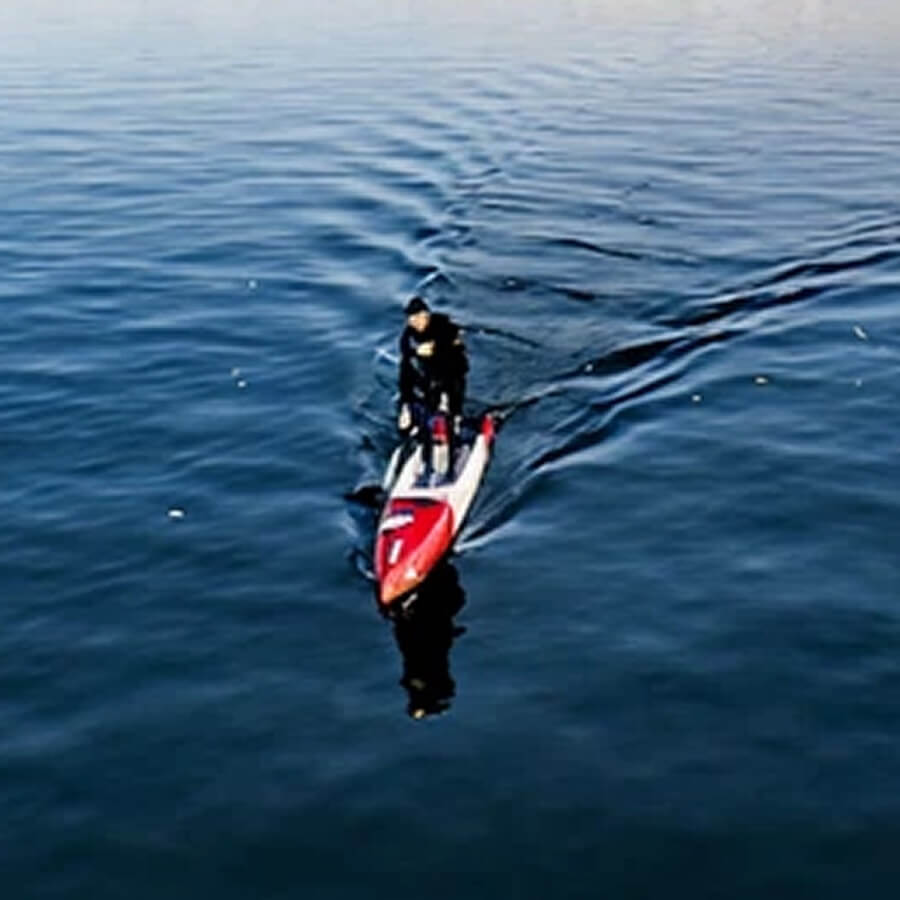
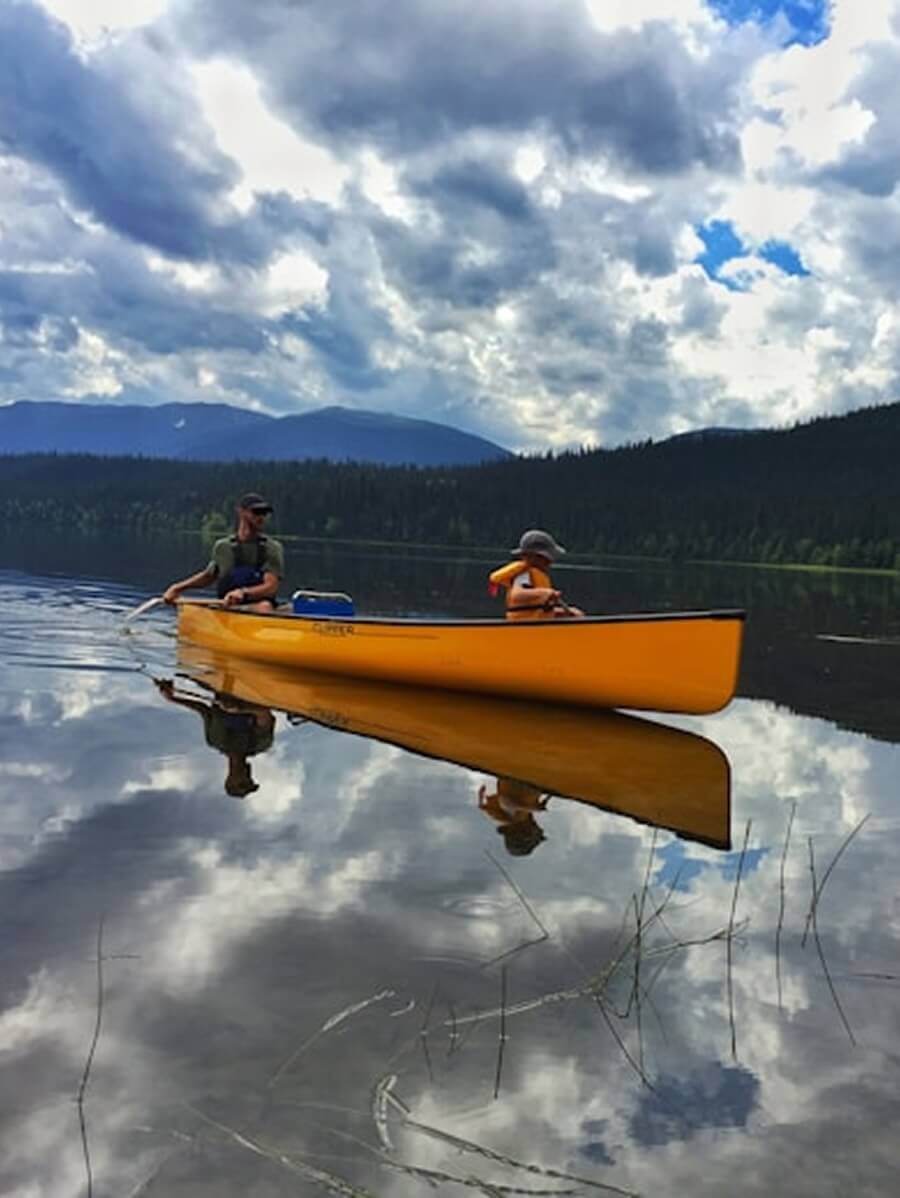
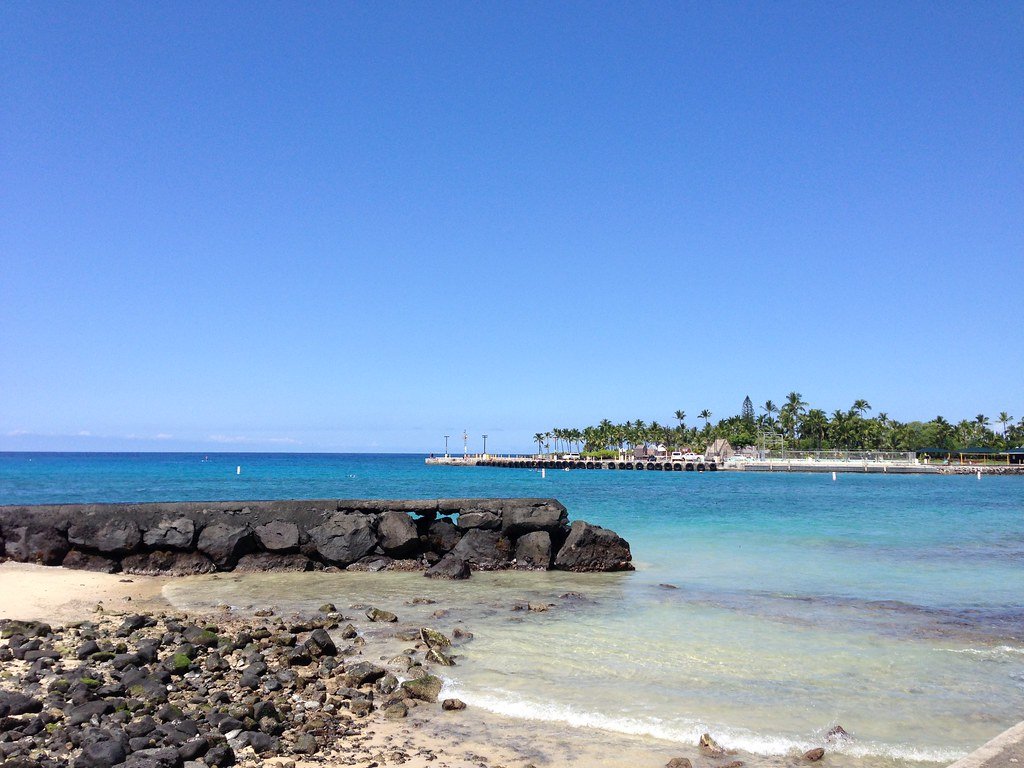
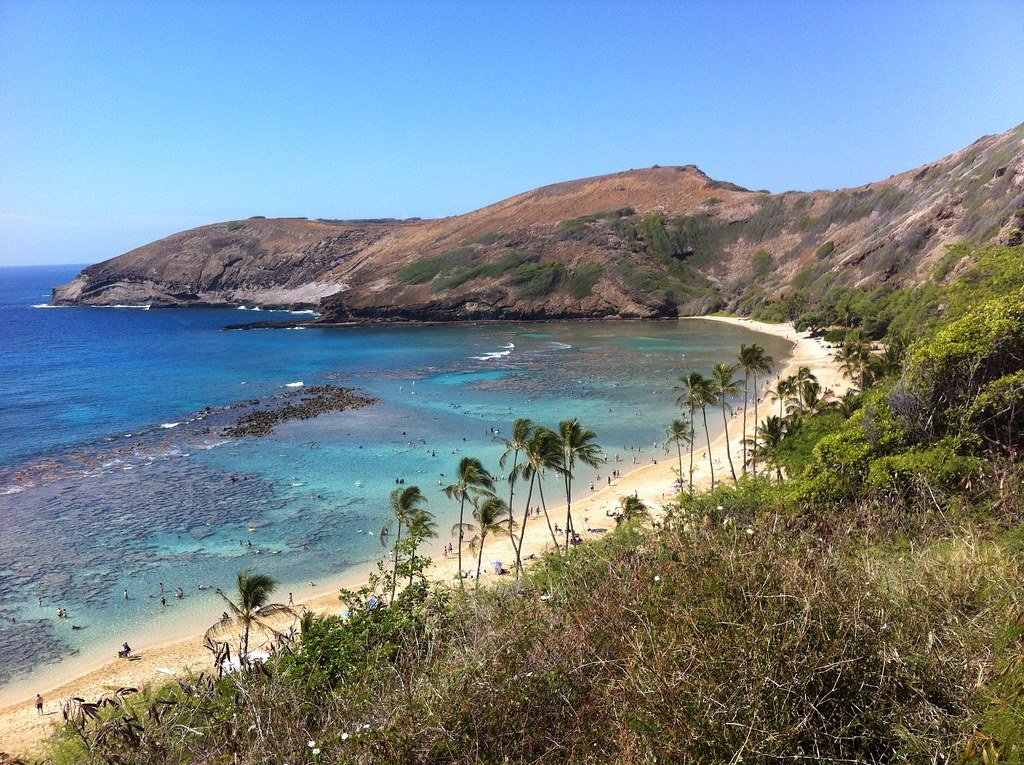
Kealakekua Bay is a large, mile-wide natural bay on the west coast of Hawaii's Big Island, located about 12 miles south of Kailua-Kona. It is a designated Marine Life Conservation District and State Historical Park, encompassing 315 acres. The bay is known for its clear water, with visibility up to 100 feet, and its dense, healthy coral reefs. The primary paddling destination is the north end of the bay, where the Captain Cook Monument stands on shore at Ka‘awaloa Cove. This area offers excellent snorkeling with abundant tropical fish, Hawaiian green sea turtles, and frequent sightings of spinner dolphins. The central channel of the bay is deep, while the shoreline reefs are shallower.
The main public launch for private and rental craft is the county boat ramp at the end of Kahauloa Road at Nāpōʻopoʻo. Parking is limited to 20-30 cars and fills by mid-morning, especially on weekends. Some rental companies, like Ehu & Kai Adventures, operate directly from the bay, offering on-site pickup and drop-off. Low tide can make launching and landing at the ramp tricky. Facilities at the bay include showers, public restrooms, a shaded patio, picnic tables, and grills. Paddling is best done in the early morning before the typical Kona afternoon winds pick up, which can create a choppy surface. The water is generally calmest in the mornings.
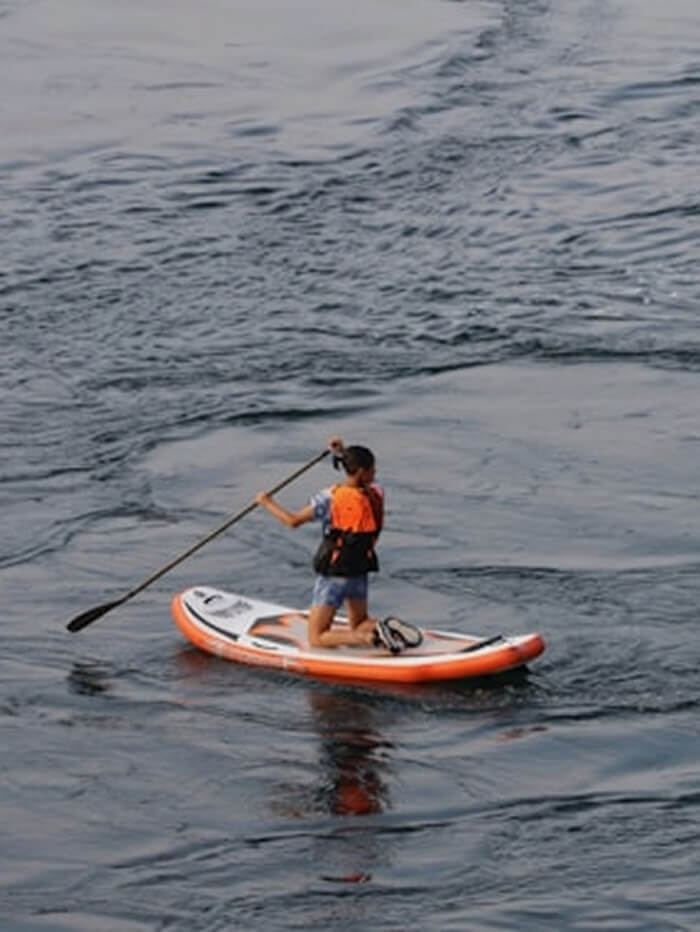
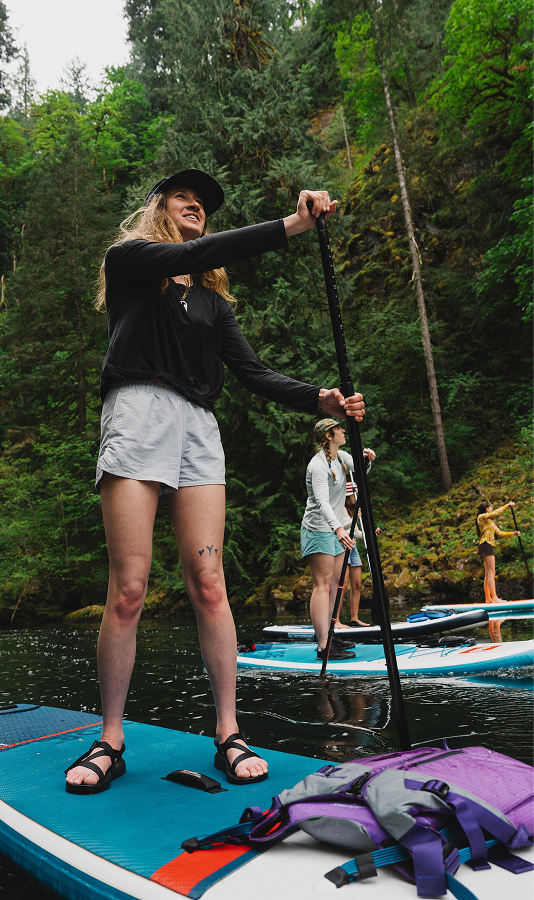
There are critical regulations for paddlers. Every vessel on the bay requires a State Parks permit. Furthermore, rental kayaks and stand-up paddleboards are explicitly prohibited from landing at Ka‘awaloa Cove (the Captain Cook Monument site). Snorkelers using rental craft must do so from their vessel, keeping it under their control. Anchoring is prohibited in the northern MLCD subzone. The entire area is a protected conservation district where touching coral, standing on reefs, feeding fish, or taking any marine life is forbidden. The recommended route is a paddle across the bay from the Nāpōʻopoʻo launch to the waters off the monument, a distance of roughly one mile. Past the rocky point near the monument, the water becomes deep and is exposed to rougher tide and channel currents, so paddlers are advised to stay closer to the shoreline.