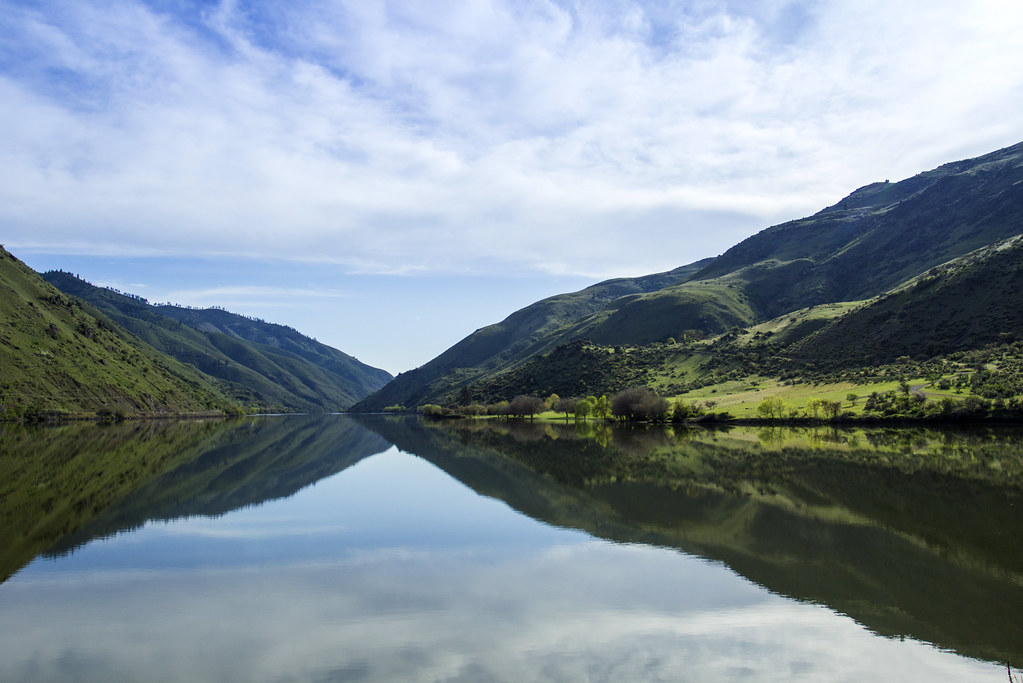
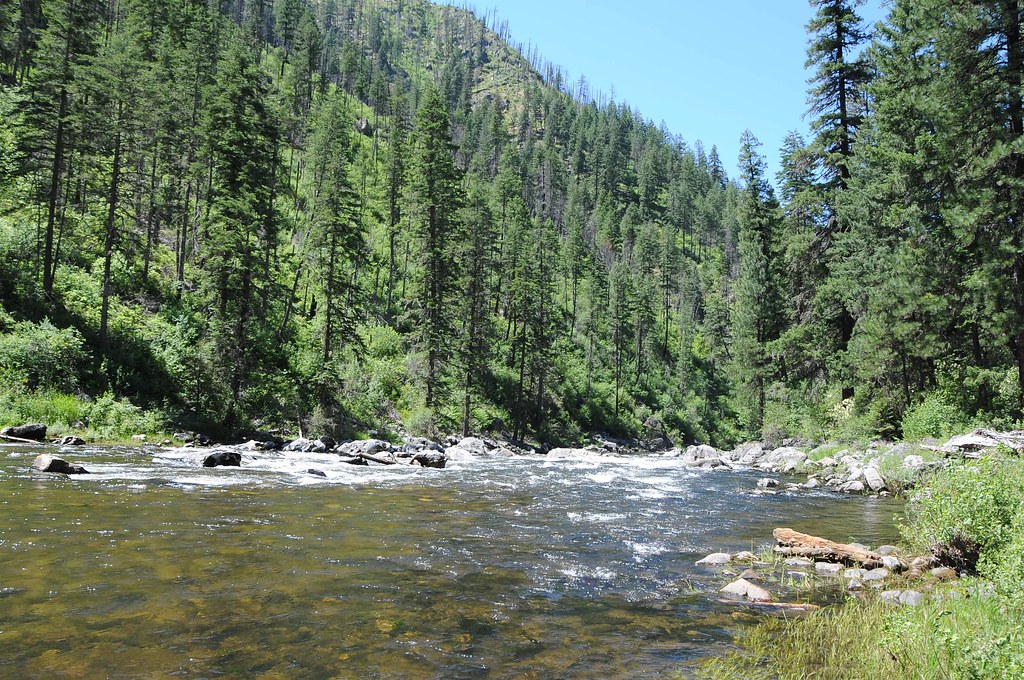
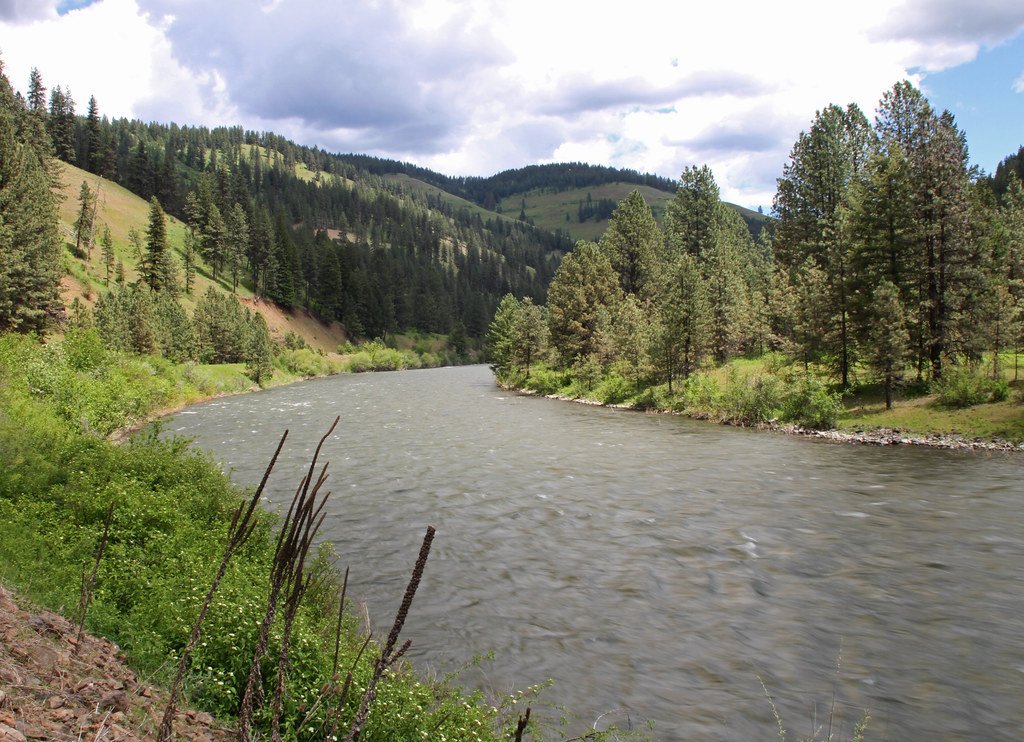
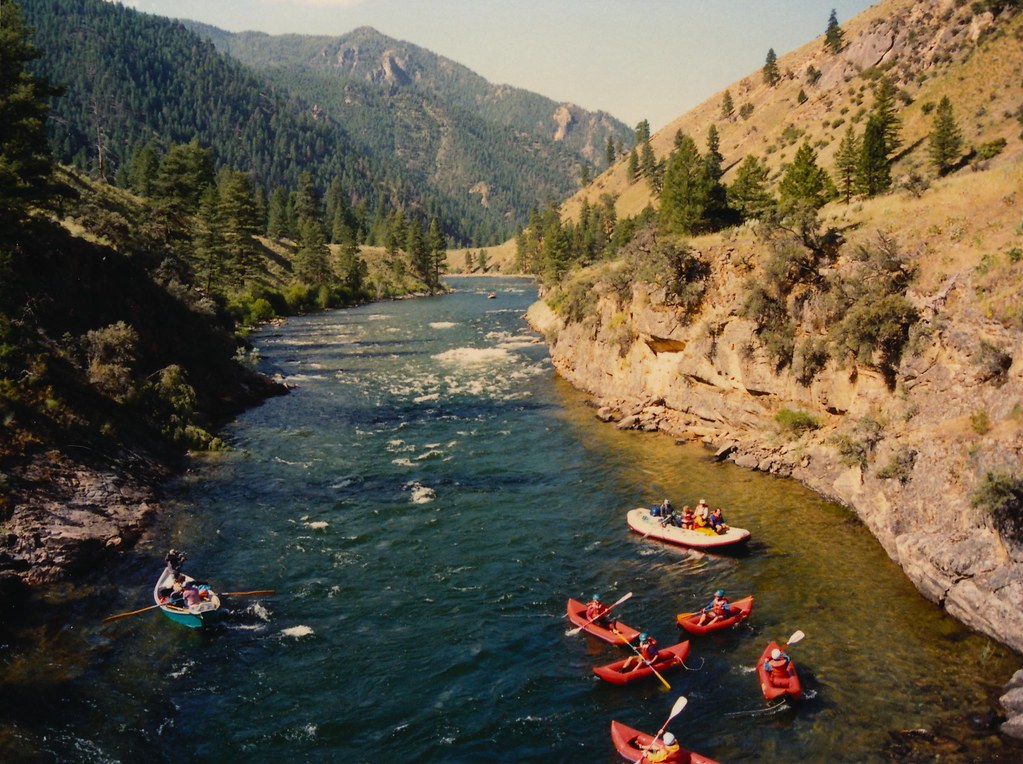
Paddling near Lewiston, ID


Set in Nez Perce County at the confluence of the Clearwater and Snake Rivers, Lewiston is the gateway to Hells Canyon — the deepest river gorge in North America. Paddlers stage here for everything from flatwater day trips off the Hells Gate Marina to multi-day Class III–V whitewater on the Snake, Salmon, and Clearwater systems.

Curated routes

Routes to paddle near Lewiston

Hand-picked by the PaddleWays team, with put-ins, take-outs and paddle times. Levels are read from live gauges.

Curated by PaddleWays

RouteClass II–III

Distance
40.7 mi
Paddle time
2–3 days
Best for
SUP
Put-in → take-out
Nez Perce National Historic Park / Lewis-Clark Canoe Camp State Park Access → Confluence Vistors Center Boat Ramp
Curated by PaddleWays

RouteClass II–IV

Distance
26.6 mi
Paddle time
~6.5 hrs
Best for
Intermediate paddlers, experienced paddlers
Put-in → take-out
Bezona Access → Heller Bar Access
Curated by PaddleWays

RouteClass II–III

Distance
45.4 mi
Paddle time
Multi-day
Best for
Raft
Put-in → take-out
Troy Access → Heller Bar Access
Curated by PaddleWays

RouteClass II–III

Distance
20.1 mi
Paddle time
2 days
Best for
Raft
Put-in → take-out
Troy Access → Boggan's Boat Ramp
Curated by PaddleWays

Lower Imnaha

on Imnaha River · 43 mi away

RouteClass III–IV

Distance
4.2 mi
Paddle time
Multi-day
Best for
Intermediate paddlers
Put-in → take-out
Cow Creek Trailhead Access → Imnaha Access
Significant drops in final 4 miles

Paddle smarter with real-time insights

Whether you're en route and conditions shift or you're looking for the best spot based on current flows, we enable you to make informed decisions on the fly.

Idaho licenses and regulations

Idaho Boating Regulations

When using any type of watercraft to access a body of water, it is important to follow all federal, state, and local rules and regulations. These rules and regulations include boat permitting and licensing, invasive species inspections and stamps, life jacket and PFD rules, motor size and horsepower restrictions, noise limitations, restrictions on personal watercraft, and many more. Visit the web link below for the most current rules and regulations for this body of water.

Learn more, opens in new tab

Idaho Fishing License

"To fish in Idaho any person 14 years of age or older must have a valid fishing license. Anglers younger than 14 do not need a license, but there is a small difference between resident and nonresident youth. -A resident child under 14 has their own separate fishing limit. -A nonresident child under 14 must be with someone who has a valid fishing license and their fish are in included in the license holders fishing limit. However, a nonresident child may purchase their own license and have their own limit. Special fishing permits are need for some activities for both residents and nonresidents: -Fishing for salmon and steelhead -Fishing with two poles."

Learn more, opens in new tab

Idaho Fishing Regulations

This river has a variety of species and regulations, including potential floating and/or watercraft restrictions. Because this river is specially managed for species, seasons, angling methods, and watercraft, it is strongly encouraged you check all federal, state, and local regulations before fishing. Visit any of the links below, inquire locally, or contact a local fly shop to learn current regulations and restrictions.

Learn more, opens in new tab

Idaho Stream Access Laws

Navigable streams are recognized as public transportation corridors, thus members of the public have the right to use the corridor, provided they enter and exit the corridor at a public right of way and remain within the corridor. Many navigable streams flow through private property, thus it is important that anglers know their rights and responsibilities when fishing in navigable waters that flow through private property.

Learn more, opens in new tab

Smarter Paddling Starts in the App.

PaddleWays gives you everything you need to plan smarter, paddle better, and own every trip from first launch to takeout.