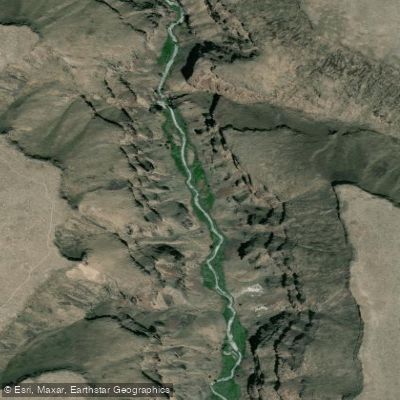
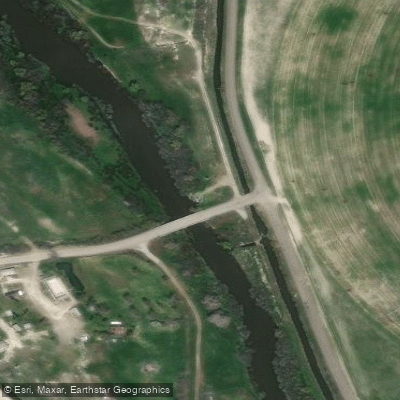
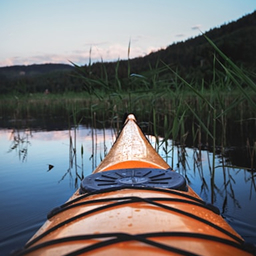
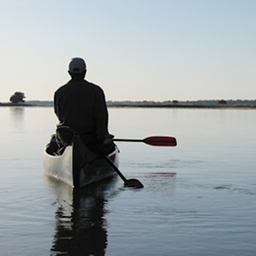
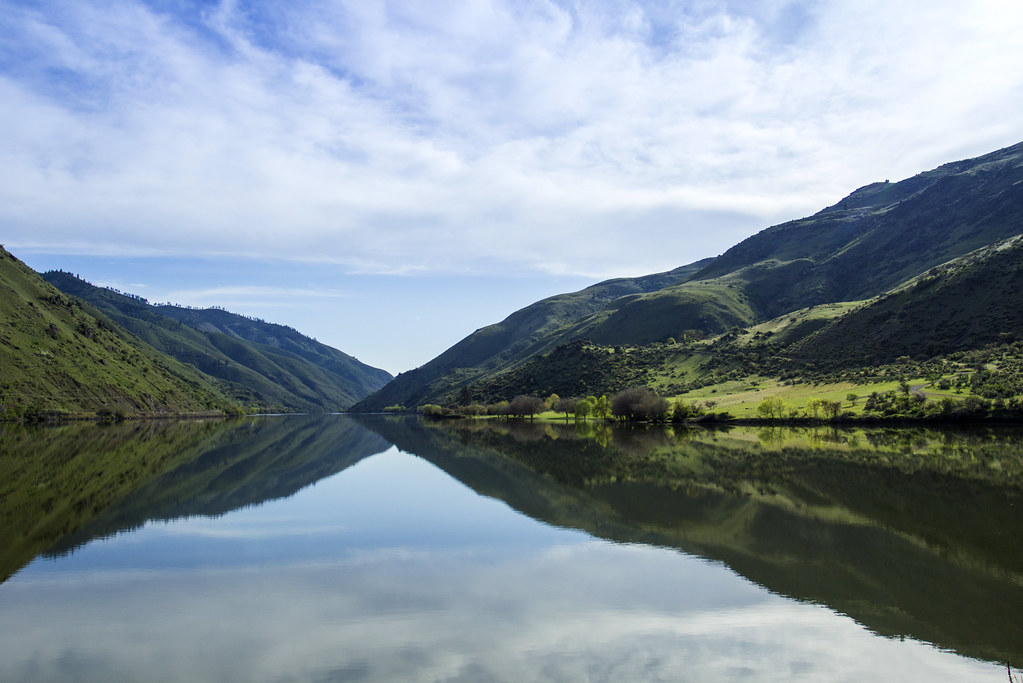
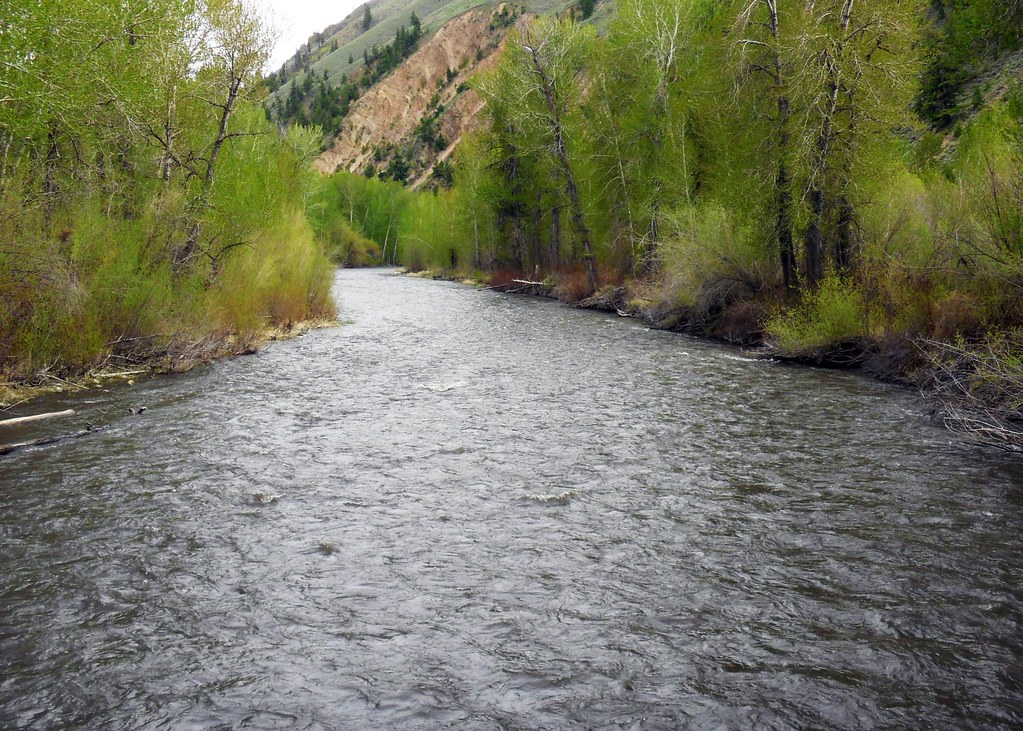
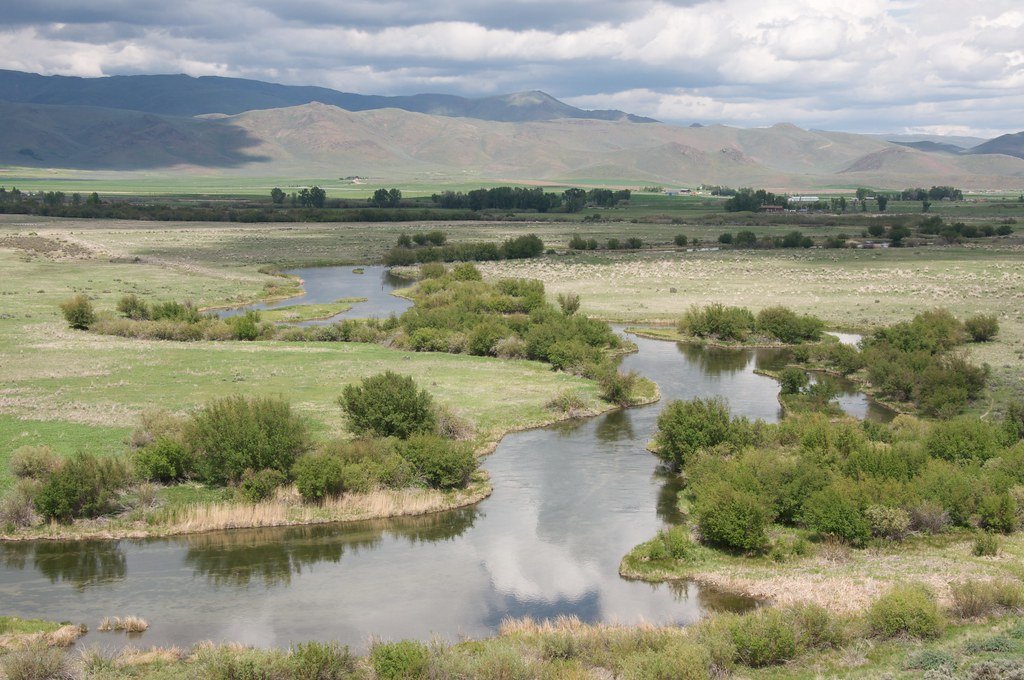
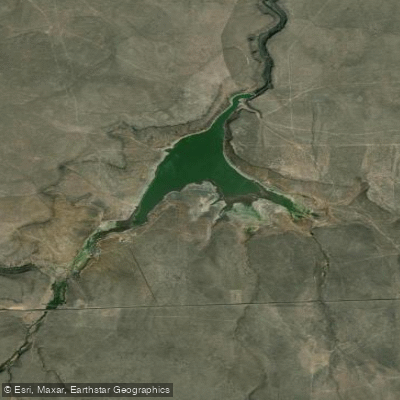
The Bruneau River is a hidden gem nestled in the remote desert canyons of southwestern Idaho, offering adventurous paddlers a thrilling journey through some of the most spectacular and least-visited wilderness in the American West. This 153-mile tributary of the Snake River carves its way through deep basalt and rhyolite canyons, creating a dramatic landscape that's as challenging as it is beautiful.
The river system comprises several key sections, including the West Fork Bruneau, East Fork Bruneau, and the main Bruneau River. The West Fork, originating in northern Nevada, offers expert paddlers a demanding 47-mile stretch of Class IV-V whitewater from Rowland, NV to Indian Hot Springs, ID. This section is characterized by continuous technical rapids and stunning canyon scenery.
The East Fork Bruneau, while shorter at 9 miles, presents another expert-level run from Winter Camp to Roberson Trail. The main Bruneau River section, stretching 40 miles from Indian Hot Springs to near the town of Bruneau, offers a mix of Class II-IV rapids, making it more accessible to intermediate paddlers while still providing excitement and breathtaking views.
For those seeking an epic multi-day adventure, the classic Jarbidge-Bruneau combo trip covers 71 miles over 3-5 days, starting on the Jarbidge River and continuing down the Bruneau. This trip is renowned among whitewater enthusiasts for its remote setting, challenging rapids, and unparalleled desert canyon scenery.
The Bruneau River system is best run in late spring to early summer when snowmelt provides adequate water levels. The paddling season is typically short, often only lasting from mid-May to early June, making timing crucial for a successful trip.
The river corridor is home to diverse wildlife, including bighorn sheep, golden eagles, and river otters. The canyon walls showcase an impressive array of wildflowers, including the endemic Bruneau River phlox, found nowhere else in the world. Ancient juniper groves line portions of the banks, adding to the primeval feel of the landscape.
Notable features along the river include Indian Hot Springs, the confluence of the Jarbidge and West Fork Bruneau, and the impressive Five Mile Rapids section on the main Bruneau. The Bruneau Canyon Overlook, accessible by road, offers a stunning preview of the river's dramatic setting.
Access to the river is challenging, often requiring long drives on rough dirt roads. The towns of Bruneau and Jarbidge serve as distant outposts for supplies and information. Due to its remote nature, self-sufficiency and wilderness experience are essential for anyone attempting to paddle the Bruneau.
The river holds significant cultural importance to indigenous peoples and played a role in early Western exploration. Today, it's protected as a Wild and Scenic River, preserving its natural character for future generations.
Safety considerations are paramount on the Bruneau. The river's isolation, difficult access, and challenging whitewater demand respect and proper preparation. Permits are required for overnight trips, and regulations are in place to protect the fragile desert ecosystem.
For those with the skills and determination to tackle it, a trip down the Bruneau River offers an unparalleled wilderness experience, combining heart-pounding whitewater with soul-stirring scenery in one of America's most remote and beautiful river canyons.