Chamberlain Creek
- River
- River
- River length
- 28.8 mi
- Public shoreline
- 100%
- Boat Ramps
- 0
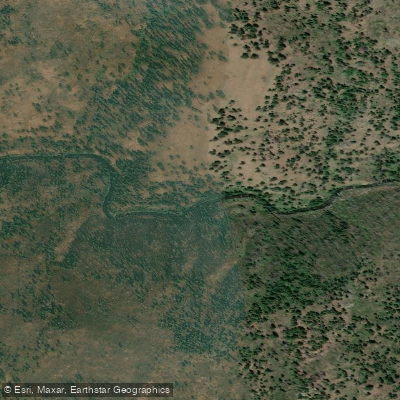
Chamberlain Creek flows for 28.8 miles through Idaho County before joining the Salmon River, carving through the rugged terrain characteristic of central Idaho's river canyons. This tributary system drains a watershed shaped by steep mountainous topography, with elevations dropping significantly from headwaters to confluence.
The creek supports populations of native trout species, including cutthroat trout and rainbow trout, along with brook trout. Bull trout, a federally threatened species, inhabit these waters, making Chamberlain Creek part of critical habitat for this sensitive salmonid. Whitefish also occupy the system.
Anglers must observe strict regulations protecting bull trout—all must be immediately released, and fishing within posted boundaries of fish weirs or traps is prohibited. Standard regional bag limits apply to other trout species, with fishing open year-round except where special rules designate otherwise.
The surrounding landscape reflects the ecological character of Idaho's Salmon River country, where coniferous forests transition to canyon grasslands along lower elevations. Wildlife typical of this region includes elk, mule deer, black bears, and various raptors that hunt along the riparian corridor.
The creek's watershed experienced impacts from the 2015 Teepee Springs Fire, which burned approximately 95,000 acres in southern Idaho County, leading to subsequent vegetation management efforts to control invasive species and restore native plant communities along affected drainages.
Access to Chamberlain Creek involves navigating Idaho County's network of forest roads, many unpaved and subject to seasonal conditions. The nearest population center is Riggins, located where the Little Salmon River meets the main Salmon River. This small community serves as a gateway to the surrounding backcountry, though Chamberlain Creek itself flows through relatively remote terrain with limited development.
Seasonal patterns follow typical snowmelt-driven hydrology, with peak flows occurring during spring runoff from April through June. Summer months bring lower, clearer water conditions preferred by anglers targeting trout in pocket water and pools. Winter access can be challenging due to snow accumulation at higher elevations.
The creek's designation as habitat for bull trout underscores its ecological significance within the broader Salmon River basin. Conservation efforts focus on maintaining water quality, stream temperatures, and habitat complexity necessary for native fish populations. Anglers and other visitors should practice leave-no-trace principles and remain aware of fire danger during dry summer months, particularly given the area's recent wildfire history.
Hazards
Hazards on Chamberlain Creek
No hazards are marked on Chamberlain Creek yet. That is not the same as none being there: if you find one, report it for the next paddler.
From the community
Chamberlain Creek trip reports
Nobody has shared a trip on Chamberlain Creek yet. Paddle it, then tell the next paddler how it went.
Water access & public shoreline
See exactly where the public can get on and off the river. Launch points and boat ramps are paired with PaddleWays' public land data so you know where you can legally land.
Public shoreline
100%of the river's shoreline is public
- Public
- 100%
- Private
- 0%
Largest public stretches
- Payette National Forest
- Chamberlain Basin Backcountry Ranches
Flows & paddling conditions (10 day forecast)
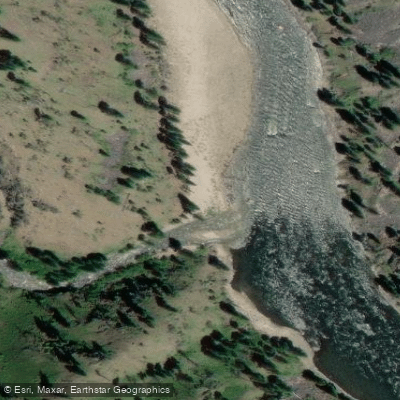
Flows and weather, so you know what to expect on Chamberlain Creek today.
No forecast data available.
Paddle smarter with real-time insights
Live flows, marked hazards and fresh trip reports from paddlers who were just on the water, all in one place.







Find Places to Paddle

Over 400,000 Places to Paddle
Every user gets free access to launch points, boat ramps, and public property parcels.


Idaho licenses and regulations
Idaho Boating Regulations
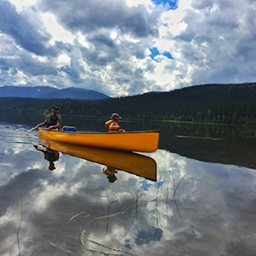
When using any type of watercraft to access a body of water, it is important to follow all federal, state, and local rules and regulations. These rules and regulations include boat permitting and licensing, invasive species inspections and stamps, life jacket and PFD rules, motor size and horsepower restrictions, noise limitations, restrictions on personal watercraft, and many more. Visit the web link below for the most current rules and regulations for this body of water.
Idaho Boating Regulations
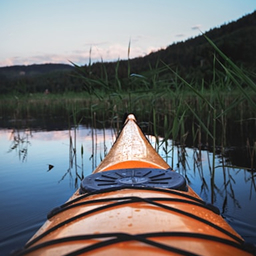
When using any type of watercraft to access a body of water, it is important to follow all federal, state, and local rules and regulations. These rules and regulations include boat permitting and licensing, invasive species inspections and stamps, life jacket and PFD rules, motor size and horsepower restrictions, noise limitations, restrictions on personal watercraft, and many more. Visit the web link below for the most current rules and regulations for this body of water.
Idaho Fishing License
"To fish in Idaho any person 14 years of age or older must have a valid fishing license. Anglers younger than 14 do not need a license, but there is a small difference between resident and nonresident youth. -A resident child under 14 has their own separate fishing limit. -A nonresident child under 14 must be with someone who has a valid fishing license and their fish are in included in the license holders fishing limit. However, a nonresident child may purchase their own license and have their own limit. Special fishing permits are need for some activities for both residents and nonresidents: -Fishing for salmon and steelhead -Fishing with two poles."
Idaho Fishing Regulations
This river has a variety of species and regulations, including potential floating and/or watercraft restrictions. Because this river is specially managed for species, seasons, angling methods, and watercraft, it is strongly encouraged you check all federal, state, and local regulations before fishing. Visit any of the links below, inquire locally, or contact a local fly shop to learn current regulations and restrictions.
Idaho Stream Access Laws
Navigable streams are recognized as public transportation corridors, thus members of the public have the right to use the corridor, provided they enter and exit the corridor at a public right of way and remain within the corridor. Many navigable streams flow through private property, thus it is important that anglers know their rights and responsibilities when fishing in navigable waters that flow through private property.
Paddling near Chamberlain Creek
Snake River
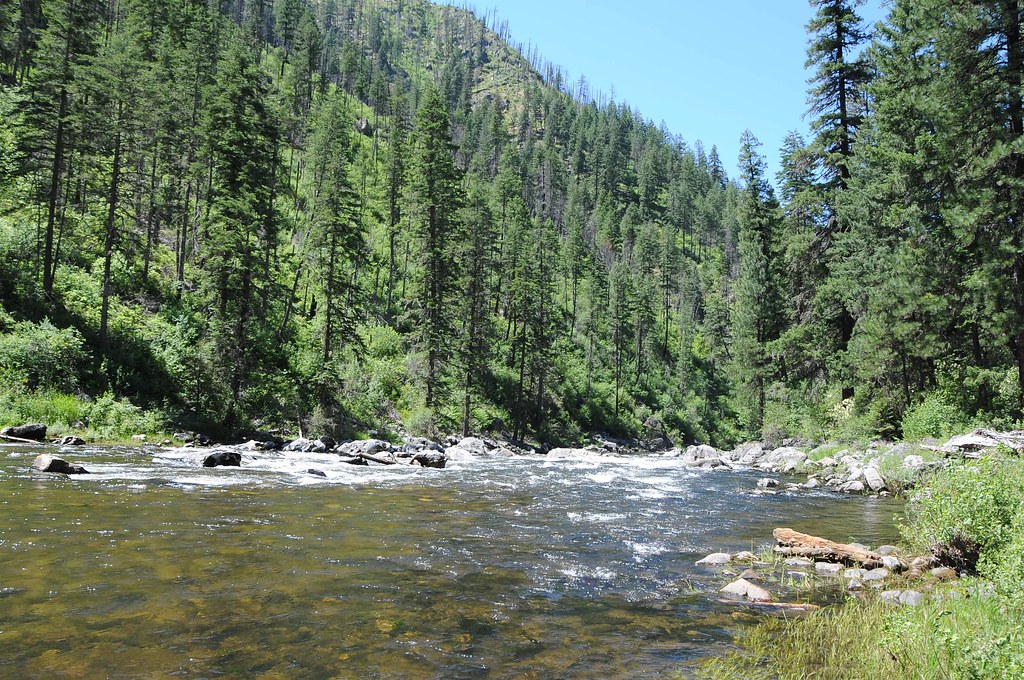
Clearwater River
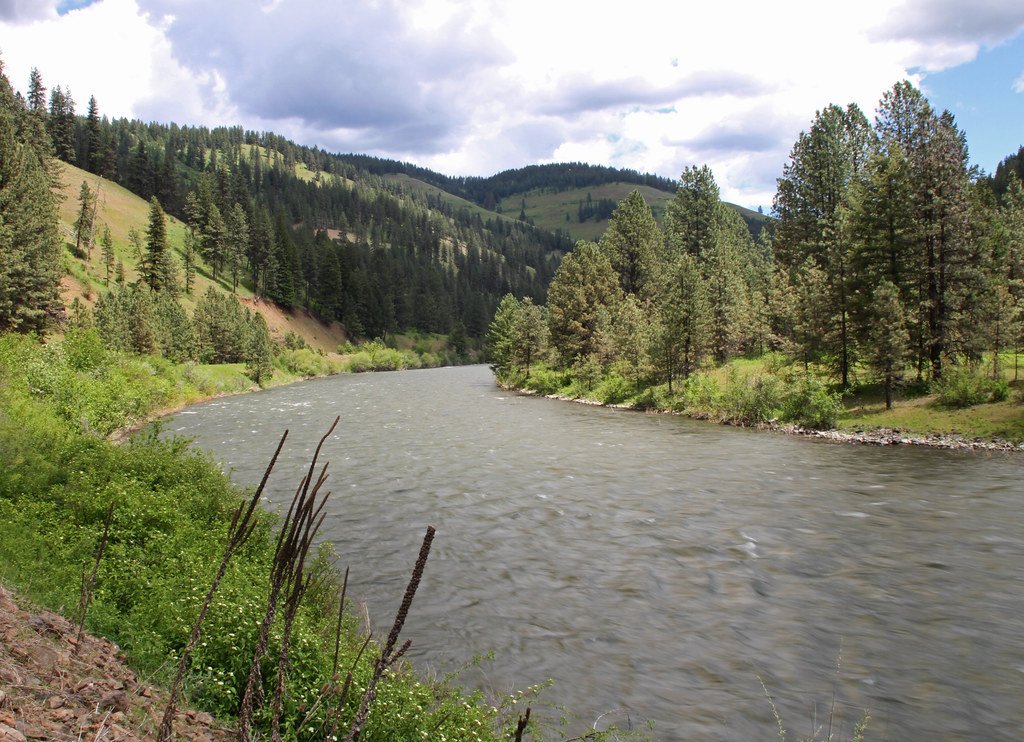
Grande Ronde River
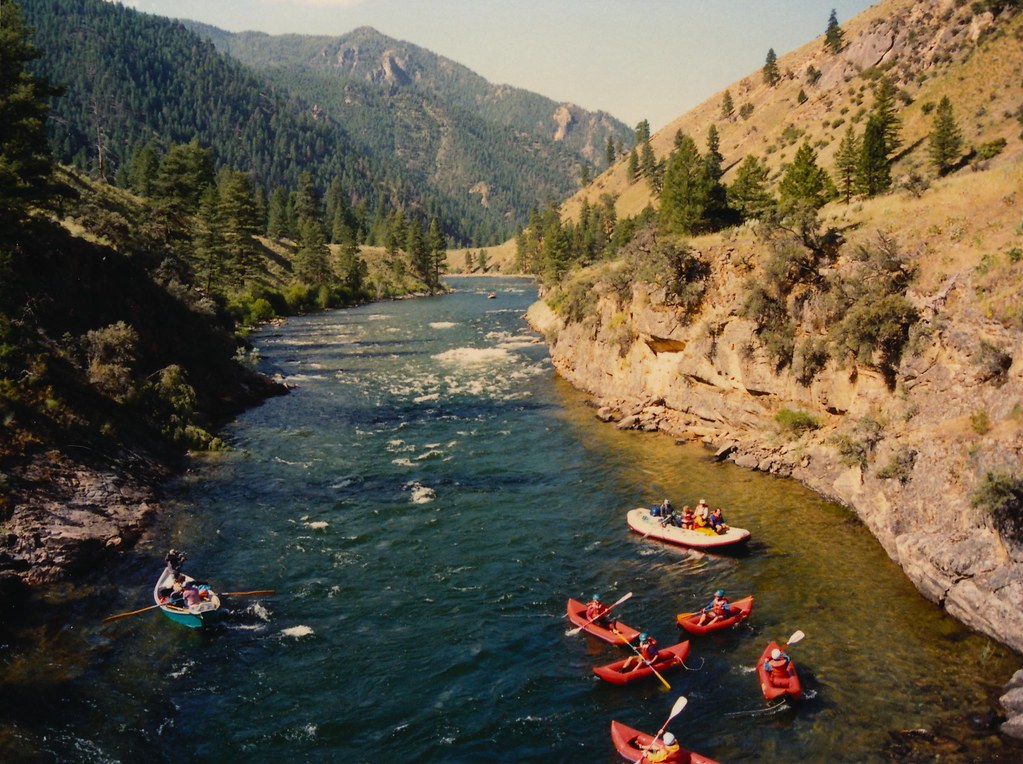
Salmon River
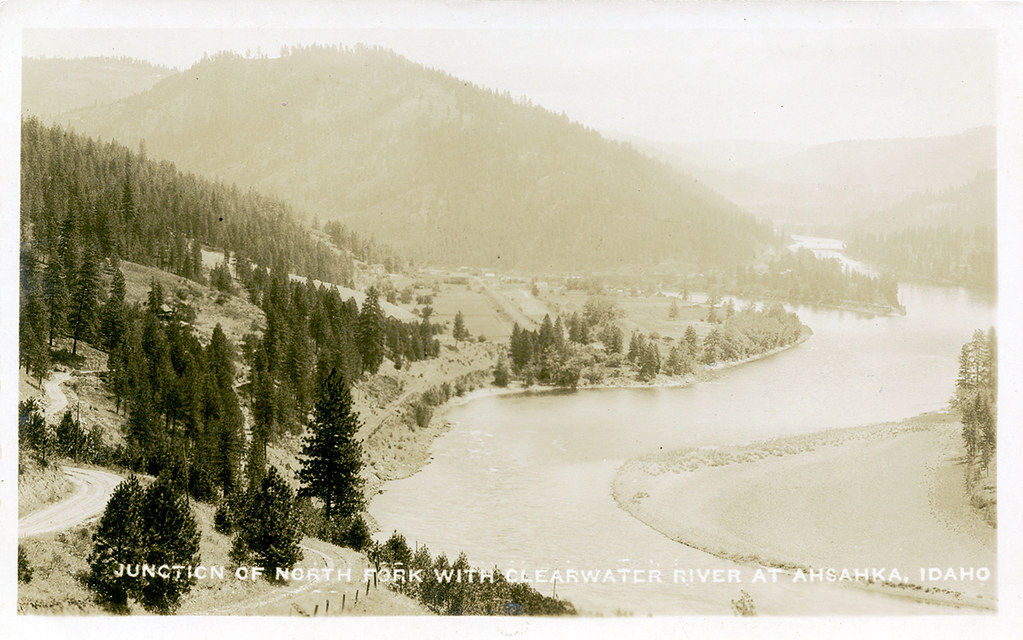
North Fork Clearwater River
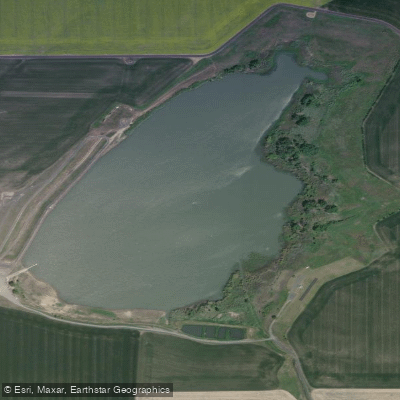
Mann Lake
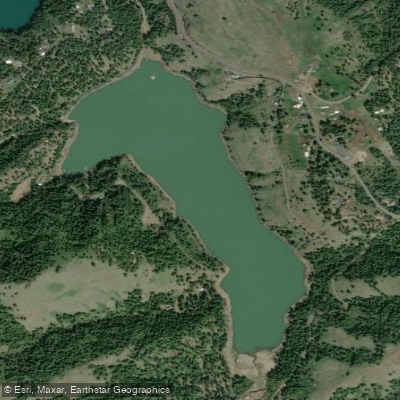
Lake Waha
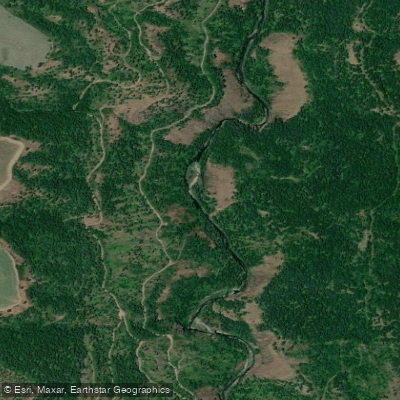
Potlatch River
Dworshak Reservoir
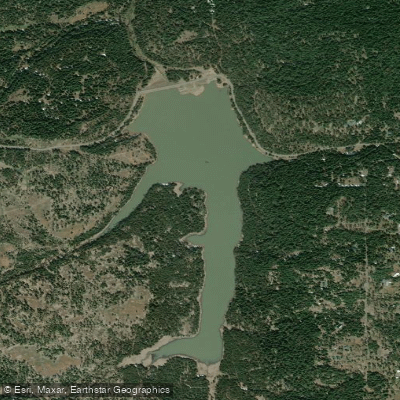
Soldiers Meadow Reservoir
Explore near Chamberlain Creek
Access points
- Chamberlain Creek Trailhead Access
- Chamberlain Creek Campsite (RL)
- Chamberlain Basin Campground
- Chukar Beach Campsite (RR)
- Elkhorn Creek Camp (RR)
- Overhang Camp (RR)
- Blackadar Campsite (RR)
- Motor Camp (RL)
- Big Squaw Creek Campsite (RR)
- Devil's Teeth Campground (RL)
- Upper Devil's Creek Campsite (RR)
- Disappointment Creek Camp (RL)
- All 20 spots
Nearby waters
More in Idaho
Smarter Paddling Starts in the App.
PaddleWays gives you everything you need to plan smarter, paddle better, and own every trip from first launch to takeout.