Curated by PaddleWays
RouteClass IV
- Distance
- 30.4 mi
- Paddle time
- 3–5 days
- Best for
- Kayak, raft
- Put-in → take-out
- Jarbidge Confluence Boat Ramp → Bruneau River East Boat Ramp
Continuous Class IV whitewater through deep canyon
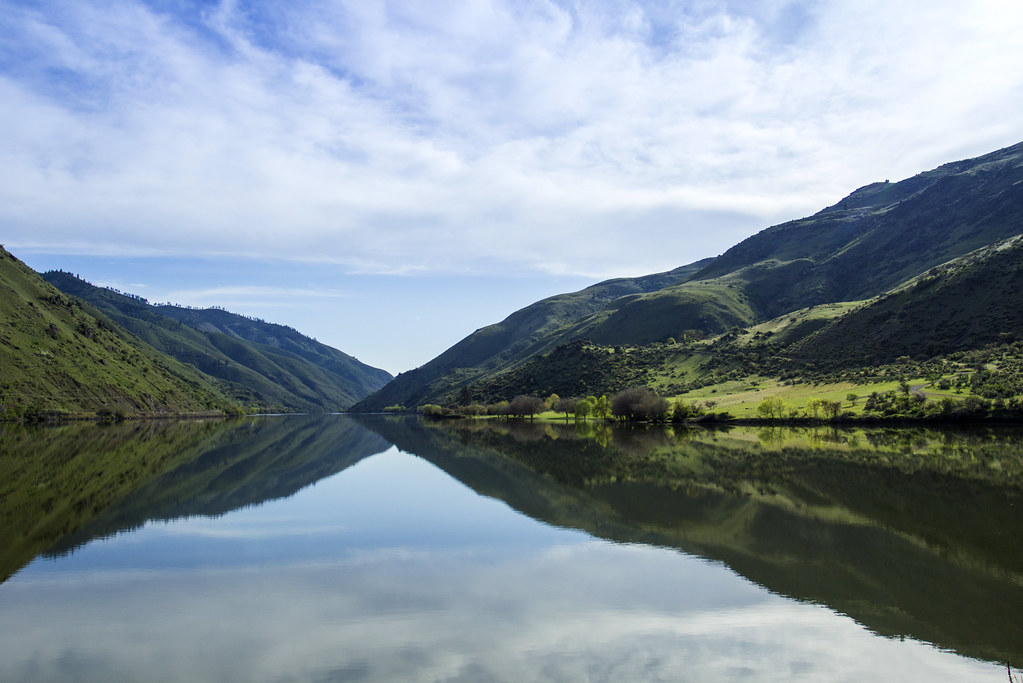
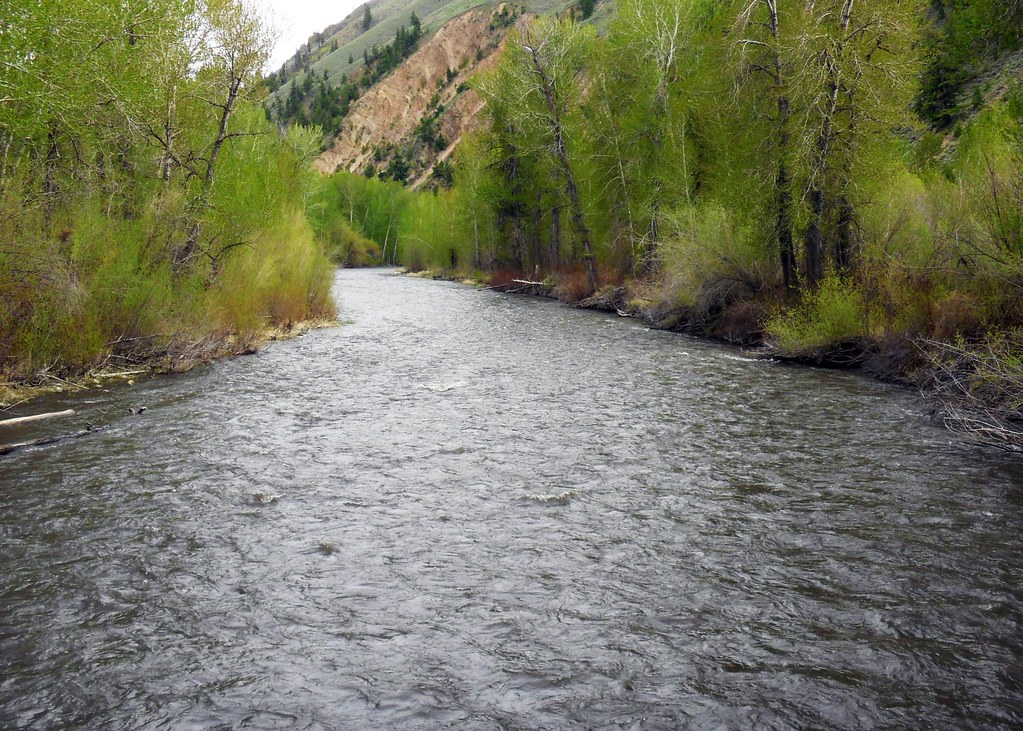
The Jarbidge River is a remote and challenging whitewater gem located in southwestern Idaho. Originating from the confluence of its East and West Forks near Murphy Hot Springs, the Jarbidge flows northward through a deep canyon carved into the high desert plateau. After approximately 28.5 miles, it joins with the West Fork Bruneau River to form the main stem of the Bruneau River. The Jarbidge offers an exciting multi-day rafting and kayaking adventure, typically run as part of a longer 71-mile Jarbidge-Bruneau trip.
The upper Jarbidge section features continuous Class IV rapids through a tight, rhyolite-walled gorge. This technical, creek-like river demands advanced whitewater skills, with several challenging portages and ever-changing logjams adding to the difficulty. Boats over 14 feet are not recommended due to the narrow passages. As the Jarbidge merges with the West Fork Bruneau, the character of the river changes. The Bruneau section offers a mix of scenic flatwater and notable whitewater, including the Class III-IV Five Mile Rapids and the grand finale of Wild Burro rapid.
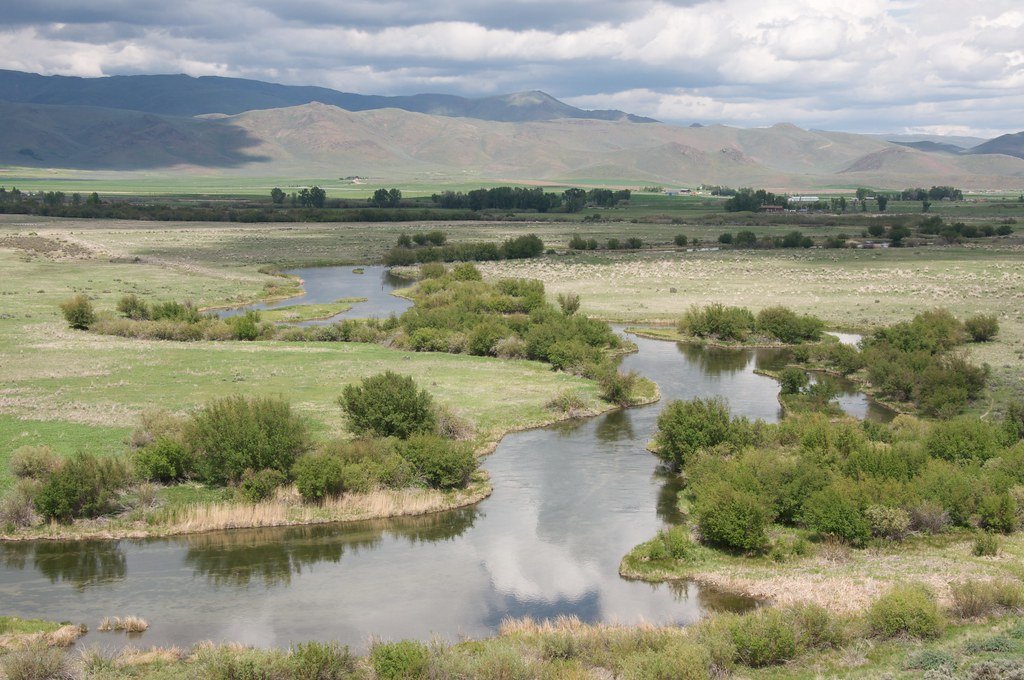
The paddling season is short, typically running from early May through June when flows are sufficient. The Jarbidge becomes raftable when the Bruneau gauge exceeds 1,000 cfs. This spring runoff coincides with desert wildflower blooms, enhancing the scenic beauty of the canyon. Wildlife enthusiasts may spot bighorn sheep, golden eagles, and river otters. The surrounding high desert ecosystem supports sagebrush, juniper, and various wildflower species.
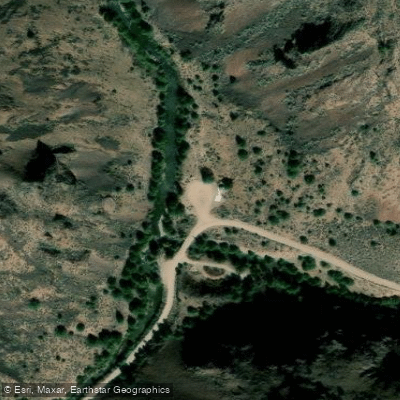
Access to the river is remote. The primary put-in is at Jarbidge Forks, about two miles past Murphy Hot Springs. The standard take-out for the full Jarbidge-Bruneau run is at Indian Hot Springs, though some trips may end at the confluence with the West Fork Bruneau. The nearest sizeable town is Bruneau, Idaho.
The Jarbidge-Bruneau system flows through lands sacred to indigenous peoples and offers glimpses into the geological history of the Columbia River Plateau. Its wild and scenic designation provides protection for this pristine river corridor. Safety considerations include the river's remoteness, technical whitewater, and potential for rapid fluctuations in water levels. Permits are required for overnight trips, and boaters should be well-prepared for self-sufficient wilderness travel. For skilled paddlers seeking a multi-day adventure in a spectacular desert canyon setting, the Jarbidge River offers a truly unique and rewarding experience.
Curated routes
Hand-picked by the PaddleWays team, with put-ins, take-outs, paddle times and the hazards along the way.
RouteClass IV
Hazards
No hazards are marked on Jarbidge River yet. That is not the same as none being there: if you find one, report it for the next paddler.
From the community
Nobody has shared a trip on Jarbidge River yet. Paddle it, then tell the next paddler how it went.
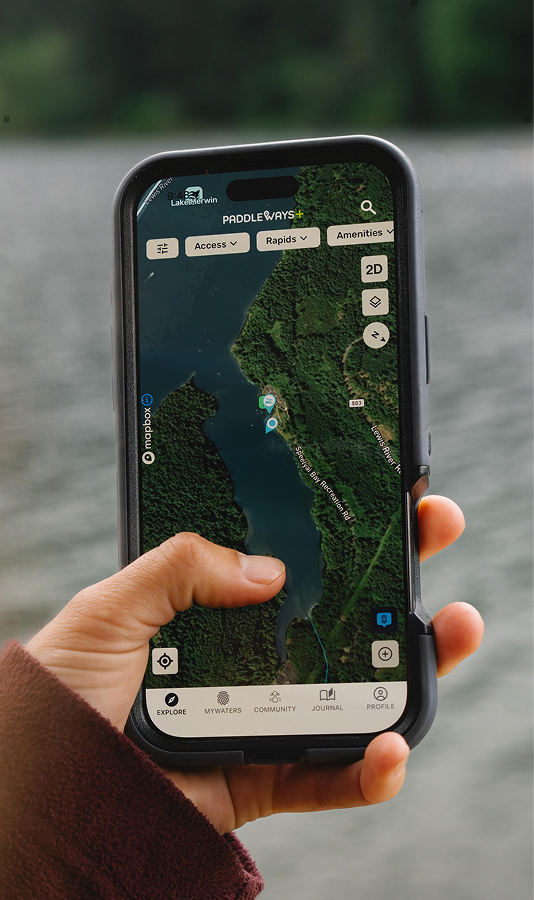
See exactly where the public can get on and off the river. Launch points and boat ramps are paired with PaddleWays' public land data so you know where you can legally land.
Public shoreline
92%of the river's shoreline is public
Flows, weather and a route-by-route verdict, so you know which stretch of the Jarbidge River is worth paddling today.
Live flows, marked hazards and fresh trip reports from paddlers who were just on the water, all in one place.



Every user gets free access to launch points, boat ramps, and public property parcels.
What you need to float or boat Jarbidge River, and when to apply.
Wild and Scenic section
Self-issue permit · All boaters · Required year-round
Every party launching on the Bruneau or Jarbidge must fill out a self-issue permit at the launch and carry it.
Checked Nov 4, 2026 with BLM Twin Falls District
When using any type of watercraft to access a body of water, it is important to follow all federal, state, and local rules and regulations. These rules and regulations include boat permitting and licensing, invasive species inspections and stamps, life jacket and PFD rules, motor size and horsepower restrictions, noise limitations, restrictions on personal watercraft, and many more. Visit the web link below for the most current rules and regulations for this body of water.
When using any type of watercraft to access a body of water, it is important to follow all federal, state, and local rules and regulations. These rules and regulations include boat permitting and licensing, invasive species inspections and stamps, life jacket and PFD rules, motor size and horsepower restrictions, noise limitations, restrictions on personal watercraft, and many more. Visit the web link below for the most current rules and regulations for this body of water.
"To fish in Idaho any person 14 years of age or older must have a valid fishing license. Anglers younger than 14 do not need a license, but there is a small difference between resident and nonresident youth. -A resident child under 14 has their own separate fishing limit. -A nonresident child under 14 must be with someone who has a valid fishing license and their fish are in included in the license holders fishing limit. However, a nonresident child may purchase their own license and have their own limit. Special fishing permits are need for some activities for both residents and nonresidents: -Fishing for salmon and steelhead -Fishing with two poles."
This river has a variety of species and regulations, including potential floating and/or watercraft restrictions. Because this river is specially managed for species, seasons, angling methods, and watercraft, it is strongly encouraged you check all federal, state, and local regulations before fishing. Visit any of the links below, inquire locally, or contact a local fly shop to learn current regulations and restrictions.
Navigable streams are recognized as public transportation corridors, thus members of the public have the right to use the corridor, provided they enter and exit the corridor at a public right of way and remain within the corridor. Many navigable streams flow through private property, thus it is important that anglers know their rights and responsibilities when fishing in navigable waters that flow through private property.
Loading popular cities...
PaddleWays gives you everything you need to plan smarter, paddle better, and own every trip from first launch to takeout.