Curated by PaddleWays
RouteClass IV
- Distance
- 0.8 mi
- Paddle time
- ~0.5 hrs
- Best for
- Kayak
- Put-in → take-out
- Put In → Take Out
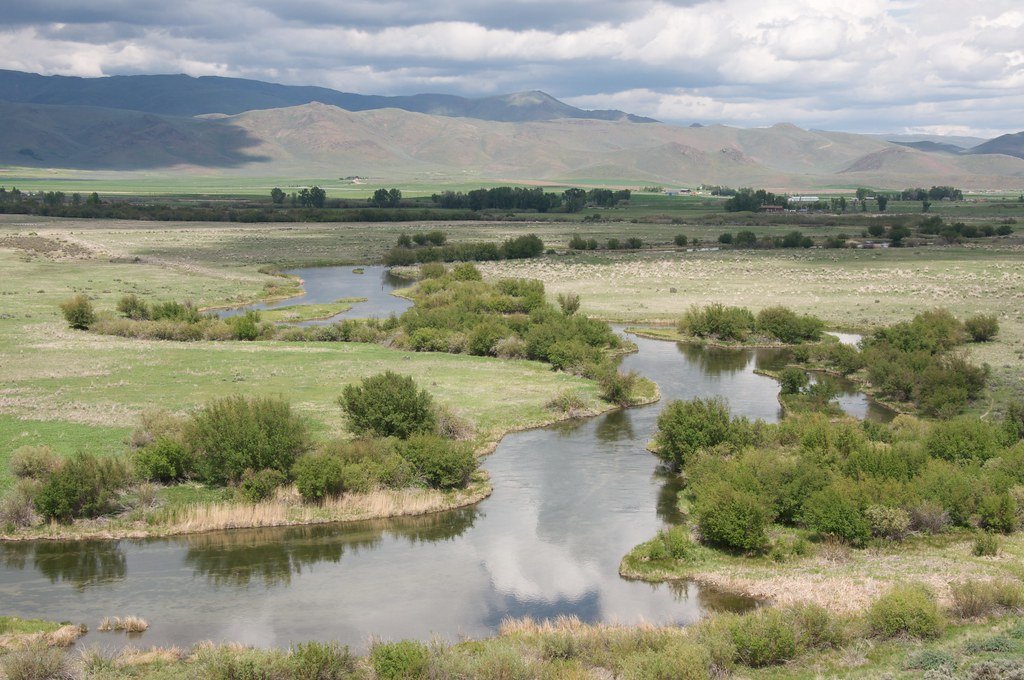
The Malad River in south-central Idaho is one of the shortest rivers in the world, flowing approximately 12 miles through Gooding and Twin Falls counties before joining the Snake River near Hagerman. Born from massive springs fed by the Snake River Plain Aquifer, the river emerges fully formed from underground sources, with water that originated from precipitation and snowmelt hundreds of miles away. This spring-fed origin gives the Malad remarkably consistent flows and crystal-clear water year-round, maintaining temperatures ideal for cold-water species.
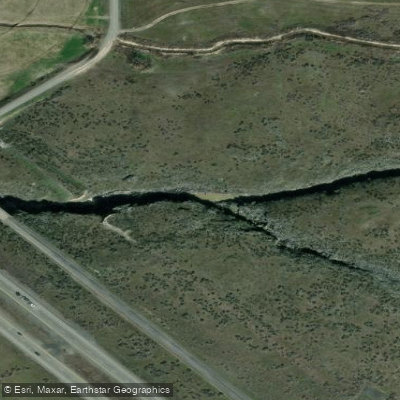
The river's most dramatic feature is Malad Gorge, where the water plunges through a 250-foot-deep basalt canyon in a series of spectacular waterfalls, including the Devils Washbowl. This gorge section, accessible via Malad Gorge State Park just off Interstate 84 near Tuttle, is not navigable but offers stunning viewpoints from a footbridge spanning the chasm. The gorge represents the geological forces that shaped the Snake River Plain, with exposed layers of ancient lava flows visible in the canyon walls. Below the gorge, the Malad flows through more accessible terrain before reaching the Snake River.
The river supports a robust population of rainbow trout, making it a premier destination for fly fishing rather than paddling. The consistent water temperatures (around 50-55°F year-round) and prolific aquatic insect hatches—particularly blue-winged olives in spring and fall, and caddis in summer—create exceptional fishing conditions. The river's small size (typically 100-200 cubic feet per second) and rocky, pocket-water character make it unsuitable for most boating activities.
Access to the Malad River is primarily from Highway 30, which parallels much of its course. Hagerman, located approximately 8 miles from the gorge, serves as the nearest town with full services. The river flows through the Hagerman Valley, an area renowned for its Thousand Springs complex, where numerous other springs cascade from the canyon walls into the Snake River.
The Malad River area holds significant paleontological importance, with nearby Hagerman Fossil Beds National Monument preserving fossils from the Pliocene Epoch, including the famous Hagerman Horse. The river corridor also contains remnants of the historic Kelton Trail, used by freight wagons and stagecoaches in the 1860s-1880s.
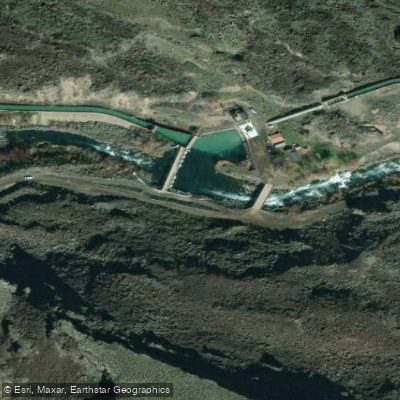
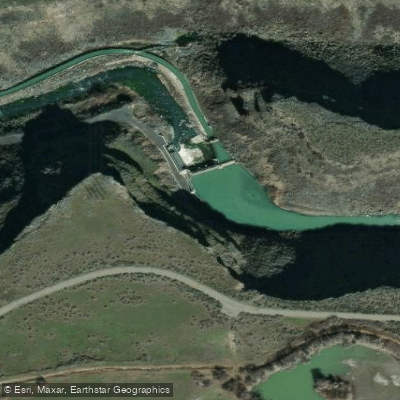
Visitors should note that water levels can fluctuate due to Idaho Power's hydroelectric operations upstream. The river's steep gradient, boulder-strewn channel, and limited access points make it primarily a destination for anglers and hikers rather than paddlers. The surrounding area offers additional recreational opportunities, including hot springs, wildlife viewing, and exploration of the greater Thousand Springs State Park system.
Curated routes
Hand-picked by the PaddleWays team, with put-ins, take-outs, paddle times and the hazards along the way.
RouteClass IV
RouteClass V
Hazards
No paddler has reported a hazard here yet, so these are the dams, falls and big rapids on our map. Hazards change with flows and storms, so check them before you launch.
Dam
Waterfall
Waterfall
From the community
Nobody has shared a trip on Malad River yet. Paddle it, then tell the next paddler how it went.
See exactly where the public can get on and off the river. Launch points and boat ramps are paired with PaddleWays' public land data so you know where you can legally land.
Public shoreline
27%of the river's shoreline is public
Most of the riverbank is private. Launch, land and camp only at public access points.
Flows, weather and a route-by-route verdict, so you know which stretch of the Malad River is worth paddling today.
All Flow Stations
Live flows, marked hazards and fresh trip reports from paddlers who were just on the water, all in one place.





Every user gets free access to launch points, boat ramps, and public property parcels.
When using any type of watercraft to access a body of water, it is important to follow all federal, state, and local rules and regulations. These rules and regulations include boat permitting and licensing, invasive species inspections and stamps, life jacket and PFD rules, motor size and horsepower restrictions, noise limitations, restrictions on personal watercraft, and many more. Visit the web link below for the most current rules and regulations for this body of water.
When using any type of watercraft to access a body of water, it is important to follow all federal, state, and local rules and regulations. These rules and regulations include boat permitting and licensing, invasive species inspections and stamps, life jacket and PFD rules, motor size and horsepower restrictions, noise limitations, restrictions on personal watercraft, and many more. Visit the web link below for the most current rules and regulations for this body of water.
"To fish in Idaho any person 14 years of age or older must have a valid fishing license. Anglers younger than 14 do not need a license, but there is a small difference between resident and nonresident youth. -A resident child under 14 has their own separate fishing limit. -A nonresident child under 14 must be with someone who has a valid fishing license and their fish are in included in the license holders fishing limit. However, a nonresident child may purchase their own license and have their own limit. Special fishing permits are need for some activities for both residents and nonresidents: -Fishing for salmon and steelhead -Fishing with two poles."
This river has a variety of species and regulations, including potential floating and/or watercraft restrictions. Because this river is specially managed for species, seasons, angling methods, and watercraft, it is strongly encouraged you check all federal, state, and local regulations before fishing. Visit any of the links below, inquire locally, or contact a local fly shop to learn current regulations and restrictions.
Navigable streams are recognized as public transportation corridors, thus members of the public have the right to use the corridor, provided they enter and exit the corridor at a public right of way and remain within the corridor. Many navigable streams flow through private property, thus it is important that anglers know their rights and responsibilities when fishing in navigable waters that flow through private property.
PaddleWays gives you everything you need to plan smarter, paddle better, and own every trip from first launch to takeout.