Curated by PaddleWays
RouteClass I–II
- Distance
- 23.3 mi
- Paddle time
- ~8 hrs
- Best for
- Tube
- Put-in → take-out
- Three Rivers Resort Boat Ramp → Kooskia Bridge Access
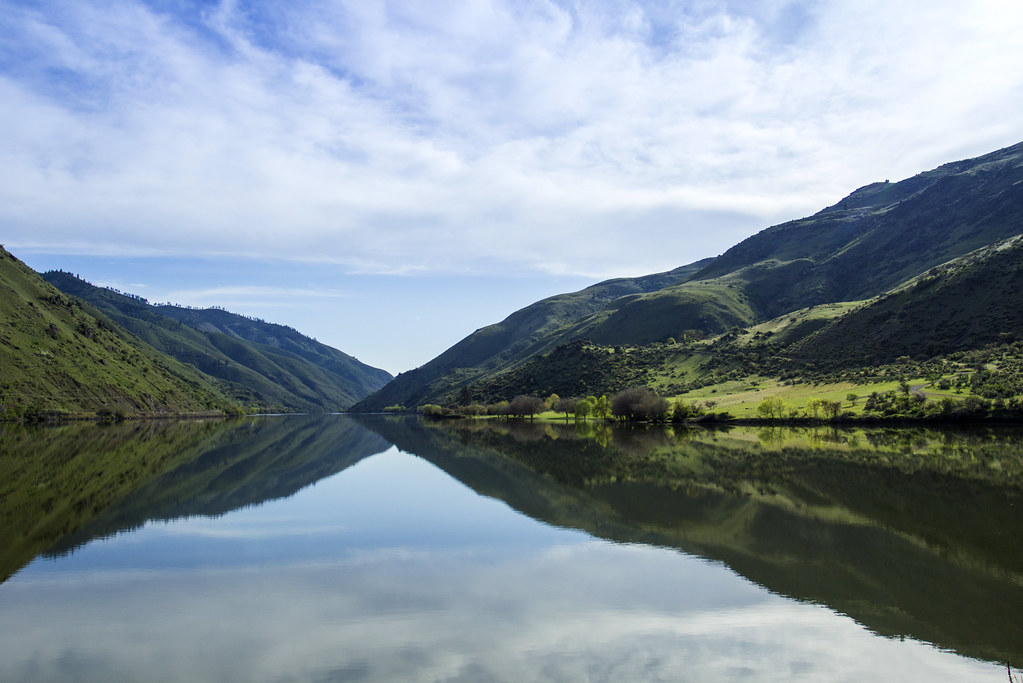
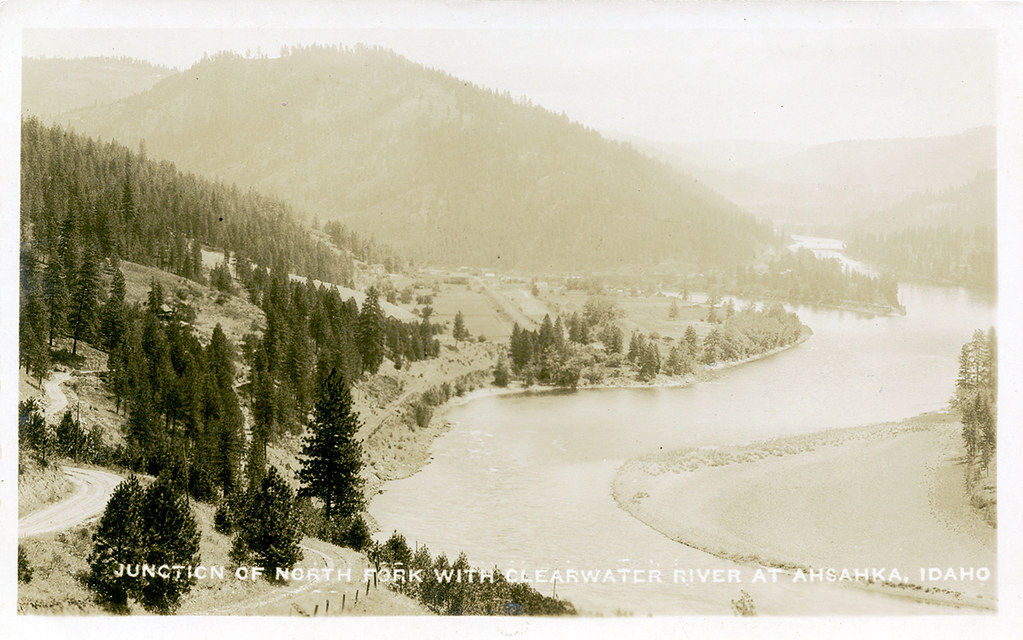
The Middle Fork Clearwater River is a short but significant waterway in north-central Idaho, formed by the confluence of the Lochsa and Selway Rivers at Lowell. This 23-mile stretch flows westward from Lowell to Kooskia, where it joins the South Fork Clearwater to create the main stem of the Clearwater River. As one of the original eight rivers designated under the National Wild and Scenic Rivers System in 1968, the Middle Fork Clearwater offers pristine water quality and diverse ecosystems.
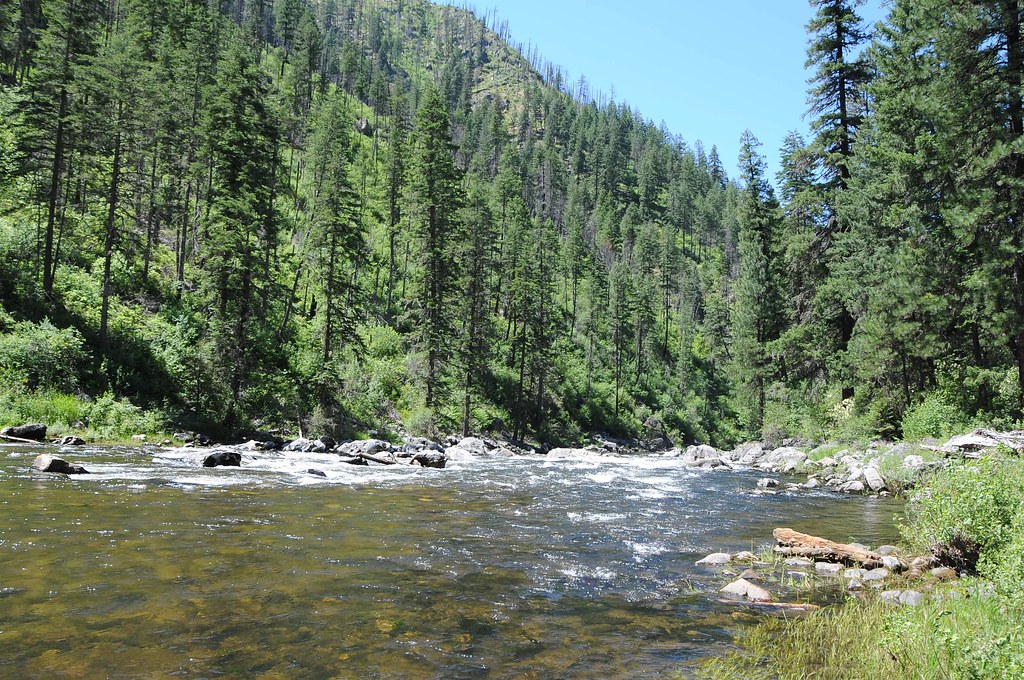
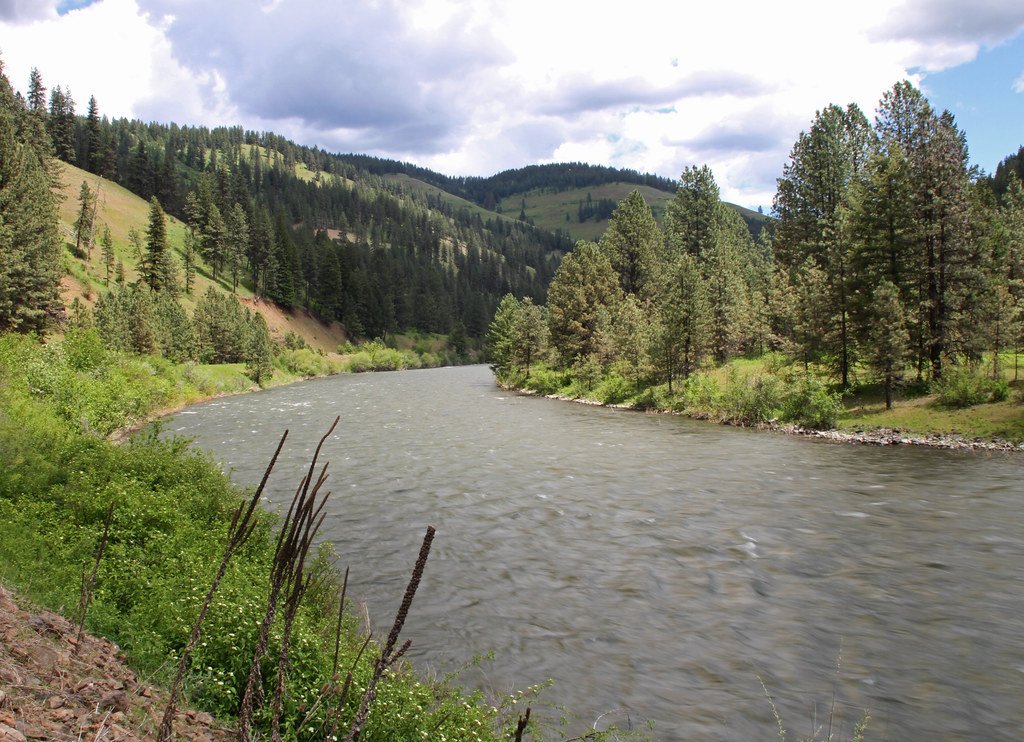
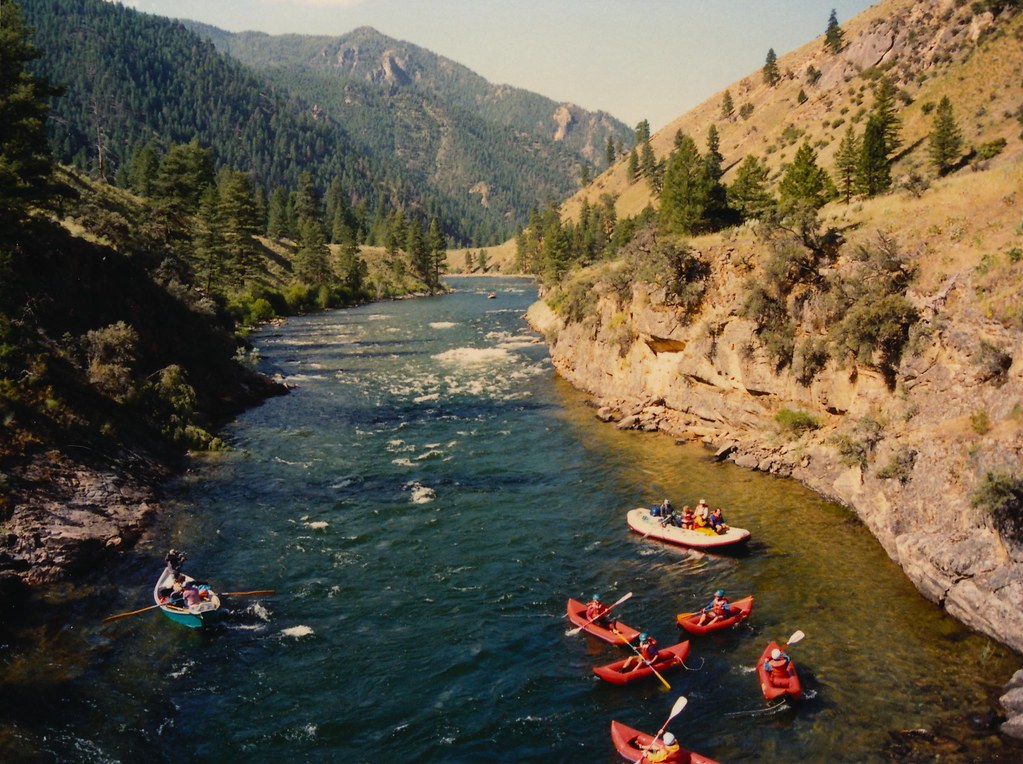
The river is characterized by its high volume and relatively calm waters, making it an excellent option for beginner paddlers and families. The primary paddling section runs the entire length from Lowell to Kooskia, a 22-23 mile stretch rated as Class I-II. This gentle float is suitable for rafts, kayaks, and even tubes, requiring minimal whitewater skills. The river's wide channel and consistent flow provide a relaxing experience with occasional small rapids for mild excitement.
Seasonal patterns make late spring through early fall the ideal time for paddling, with summer offering the most stable conditions. Spring snowmelt can increase flow and difficulty, while late summer may see lower water levels.
The river corridor supports a rich ecosystem, home to various fish species including steelhead and salmon. Wildlife such as elk, deer, and eagles can often be spotted along the banks. The surrounding Nez Perce-Clearwater National Forests showcase diverse flora, including ponderosa pines and various wildflowers.
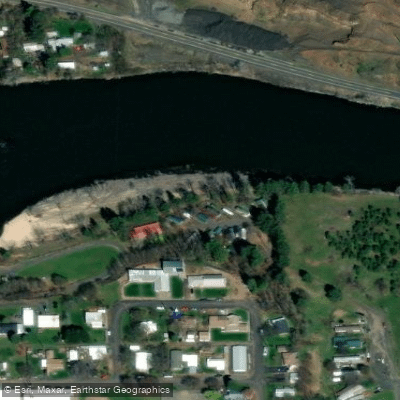
Key landmarks include the historic Lewis and Clark Highway (US-12) which parallels the river, offering scenic views and easy access points. Multiple beaches along the route allow for stops and enjoyment of the surrounding wilderness. Primary access points are at Lowell (put-in) and Kooskia (take-out), both small towns with basic amenities. Several undeveloped access points and campgrounds are available along the route, facilitating day trips or multi-day adventures.
The Middle Fork Clearwater holds significant cultural importance to the Nez Perce Tribe and played a role in the Lewis and Clark expedition. Today, it serves as a critical migration corridor for fish populations and offers year-round fishing opportunities.
Safety considerations include wearing life jackets, being aware of changing weather conditions, and respecting private property along the banks. As a Wild and Scenic River, special regulations apply to protect its natural and cultural resources. For those seeking a longer journey, the Middle Fork can be combined with floats on the main Clearwater River for multi-day trips extending all the way to Lewiston.
Curated routes
Hand-picked by the PaddleWays team, with put-ins, take-outs, paddle times and the hazards along the way.
RouteClass I–II
Hazards
No hazards are marked on Middle Fork Clearwater River yet. That is not the same as none being there: if you find one, report it for the next paddler.
From the community
Nobody has shared a trip on Middle Fork Clearwater River yet. Paddle it, then tell the next paddler how it went.
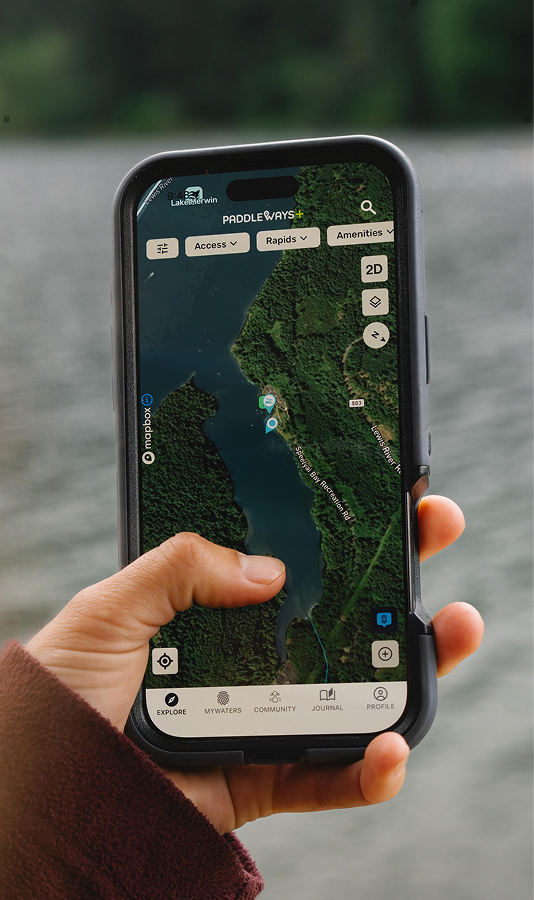
See exactly where the public can get on and off the river. Launch points and boat ramps are paired with PaddleWays' public land data so you know where you can legally land.
Public shoreline
37%of the river's shoreline is public
Most of the riverbank is private. Launch, land and camp only at public access points.
Flows, weather and a route-by-route verdict, so you know which stretch of the Middle Fork Clearwater River is worth paddling today.
No forecast data available.
Live flows, marked hazards and fresh trip reports from paddlers who were just on the water, all in one place.



Every user gets free access to launch points, boat ramps, and public property parcels.
When using any type of watercraft to access a body of water, it is important to follow all federal, state, and local rules and regulations. These rules and regulations include boat permitting and licensing, invasive species inspections and stamps, life jacket and PFD rules, motor size and horsepower restrictions, noise limitations, restrictions on personal watercraft, and many more. Visit the web link below for the most current rules and regulations for this body of water.
When using any type of watercraft to access a body of water, it is important to follow all federal, state, and local rules and regulations. These rules and regulations include boat permitting and licensing, invasive species inspections and stamps, life jacket and PFD rules, motor size and horsepower restrictions, noise limitations, restrictions on personal watercraft, and many more. Visit the web link below for the most current rules and regulations for this body of water.
"To fish in Idaho any person 14 years of age or older must have a valid fishing license. Anglers younger than 14 do not need a license, but there is a small difference between resident and nonresident youth. -A resident child under 14 has their own separate fishing limit. -A nonresident child under 14 must be with someone who has a valid fishing license and their fish are in included in the license holders fishing limit. However, a nonresident child may purchase their own license and have their own limit. Special fishing permits are need for some activities for both residents and nonresidents: -Fishing for salmon and steelhead -Fishing with two poles."
This river has a variety of species and regulations, including potential floating and/or watercraft restrictions. Because this river is specially managed for species, seasons, angling methods, and watercraft, it is strongly encouraged you check all federal, state, and local regulations before fishing. Visit any of the links below, inquire locally, or contact a local fly shop to learn current regulations and restrictions.
Navigable streams are recognized as public transportation corridors, thus members of the public have the right to use the corridor, provided they enter and exit the corridor at a public right of way and remain within the corridor. Many navigable streams flow through private property, thus it is important that anglers know their rights and responsibilities when fishing in navigable waters that flow through private property.

Loading popular cities...
PaddleWays gives you everything you need to plan smarter, paddle better, and own every trip from first launch to takeout.