Twin Falls Main Canal
- River
- 3 hazards marked
- River
- 3 hazards marked
- River length
- 26.1 mi
- Hazards marked
- 3
- Public shoreline
- 7%
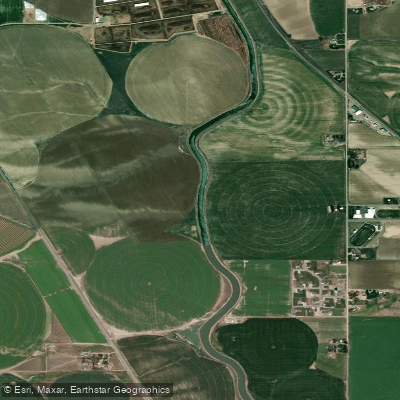
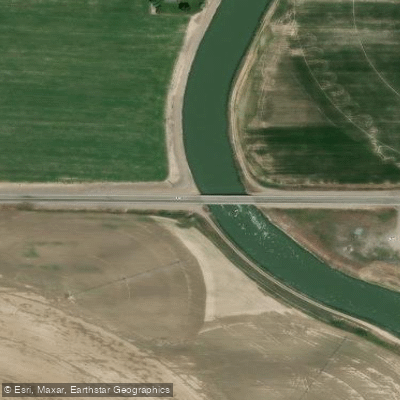
The Twin Falls Main Canal is not a natural river, but rather an important irrigation canal system in southern Idaho. It originates from the Snake River near Twin Falls and flows southwest, providing water for agriculture in the Magic Valley region. While not a traditional paddling destination, the canal system connects to several scenic sections of the Snake River that offer unique kayaking and paddleboarding opportunities.
The most popular paddling route begins at Centennial Waterfront Park in Twin Falls and travels upstream on the Snake River. This 4-mile one-way journey passes under the impressive Perrine Bridge before reaching Pillar Falls, where a portage is required. Beyond Pillar Falls, paddlers can continue another 2 miles to the base of the majestic Shoshone Falls, known as the Niagara of the West. This trip offers stunning views of the Snake River canyon walls but requires experience due to its length and portage. The difficulty ranges from Class II to III, with the section near Shoshone Falls being more challenging due to choppy water. Paddlers should be prepared for steady currents, especially when returning downstream.
The best times for paddling are typically late spring through early fall when water levels are suitable and temperatures are mild. Notable landmarks include the Perrine Bridge, popular for BASE jumping, Pillar Falls with its unique rock formations, and of course, the 212-foot Shoshone Falls. Wildlife enthusiasts may spot various bird species and possibly bighorn sheep on the canyon walls.
Access points include Centennial Waterfront Park in Twin Falls for the main route, as well as Balanced Rock Park about 30 miles west of Twin Falls for a more secluded paddling experience on Salmon Falls Creek. For more adventurous paddlers, the Murtaugh section of the Snake River, located east of Twin Falls, offers a legendary 13-mile stretch of Class IV-V whitewater. This section is known for its intense rapids that change dramatically with water levels, providing a challenging experience for expert paddlers.
Safety is paramount when paddling these waters. All paddlers are required to get a complimentary hot wash from the Idaho State Department of Agriculture before launching to prevent the spread of invasive species. It's also crucial to check water levels and conditions before embarking, especially for the Murtaugh section which is typically only runnable during certain times of the year. While multi-day trips are not common on the canal itself, the connected Snake River system offers potential for longer adventures, allowing paddlers to explore the diverse landscapes and rich history of southern Idaho's waterways.
Hazards
Hazards on Twin Falls Main Canal
No paddler has reported a hazard here yet, so these are the dams, falls and big rapids on our map. Hazards change with flows and storms, so check them before you launch.
Milner Dam-Middle
From our mapDam
Milner S Embankment
From our mapDam
Murtaugh Lake Dam
From our mapDam
From the community
Twin Falls Main Canal trip reports
Nobody has shared a trip on Twin Falls Main Canal yet. Paddle it, then tell the next paddler how it went.
Water access & public shoreline
See exactly where the public can get on and off the river. Launch points and boat ramps are paired with PaddleWays' public land data so you know where you can legally land.
Public shoreline
7%of the river's shoreline is public
- Public
- 7%
- Private
- 93%
Largest public stretches
- Burley Field Office
Most of the riverbank is private. Launch, land and camp only at public access points.
Flows & paddling conditions (10 day forecast)
Flows and weather, so you know what to expect on Twin Falls Main Canal today.
LOWER MILNER POWER PLANT AT MILNER ID
All Flow Stations
Paddle smarter with real-time insights
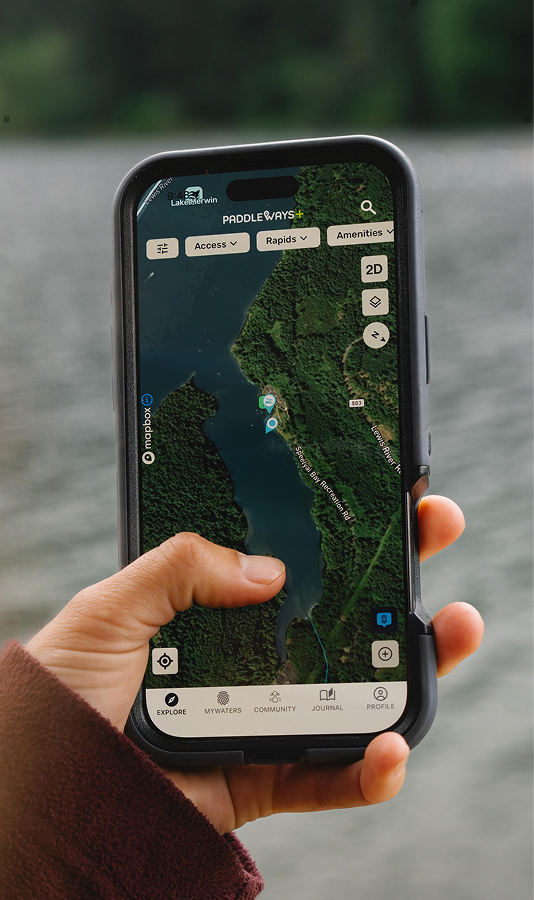
Live flows, marked hazards and fresh trip reports from paddlers who were just on the water, all in one place.

Find Places to Paddle
Over 400,000 Places to Paddle
Every user gets free access to launch points, boat ramps, and public property parcels.
Idaho licenses and regulations
Idaho Boating Regulations
When using any type of watercraft to access a body of water, it is important to follow all federal, state, and local rules and regulations. These rules and regulations include boat permitting and licensing, invasive species inspections and stamps, life jacket and PFD rules, motor size and horsepower restrictions, noise limitations, restrictions on personal watercraft, and many more. Visit the web link below for the most current rules and regulations for this body of water.
Idaho Boating Regulations
When using any type of watercraft to access a body of water, it is important to follow all federal, state, and local rules and regulations. These rules and regulations include boat permitting and licensing, invasive species inspections and stamps, life jacket and PFD rules, motor size and horsepower restrictions, noise limitations, restrictions on personal watercraft, and many more. Visit the web link below for the most current rules and regulations for this body of water.
Idaho Fishing License
"To fish in Idaho any person 14 years of age or older must have a valid fishing license. Anglers younger than 14 do not need a license, but there is a small difference between resident and nonresident youth. -A resident child under 14 has their own separate fishing limit. -A nonresident child under 14 must be with someone who has a valid fishing license and their fish are in included in the license holders fishing limit. However, a nonresident child may purchase their own license and have their own limit. Special fishing permits are need for some activities for both residents and nonresidents: -Fishing for salmon and steelhead -Fishing with two poles."
Idaho Fishing Regulations
This river has a variety of species and regulations, including potential floating and/or watercraft restrictions. Because this river is specially managed for species, seasons, angling methods, and watercraft, it is strongly encouraged you check all federal, state, and local regulations before fishing. Visit any of the links below, inquire locally, or contact a local fly shop to learn current regulations and restrictions.
Idaho Stream Access Laws
Navigable streams are recognized as public transportation corridors, thus members of the public have the right to use the corridor, provided they enter and exit the corridor at a public right of way and remain within the corridor. Many navigable streams flow through private property, thus it is important that anglers know their rights and responsibilities when fishing in navigable waters that flow through private property.
Paddling near Twin Falls Main Canal
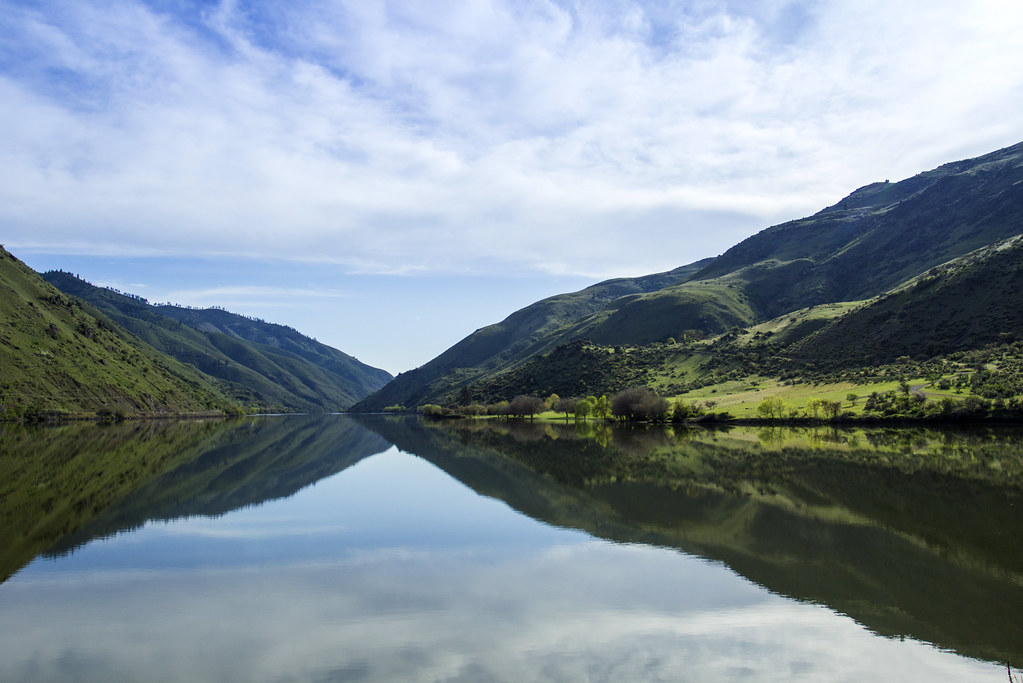
Snake River
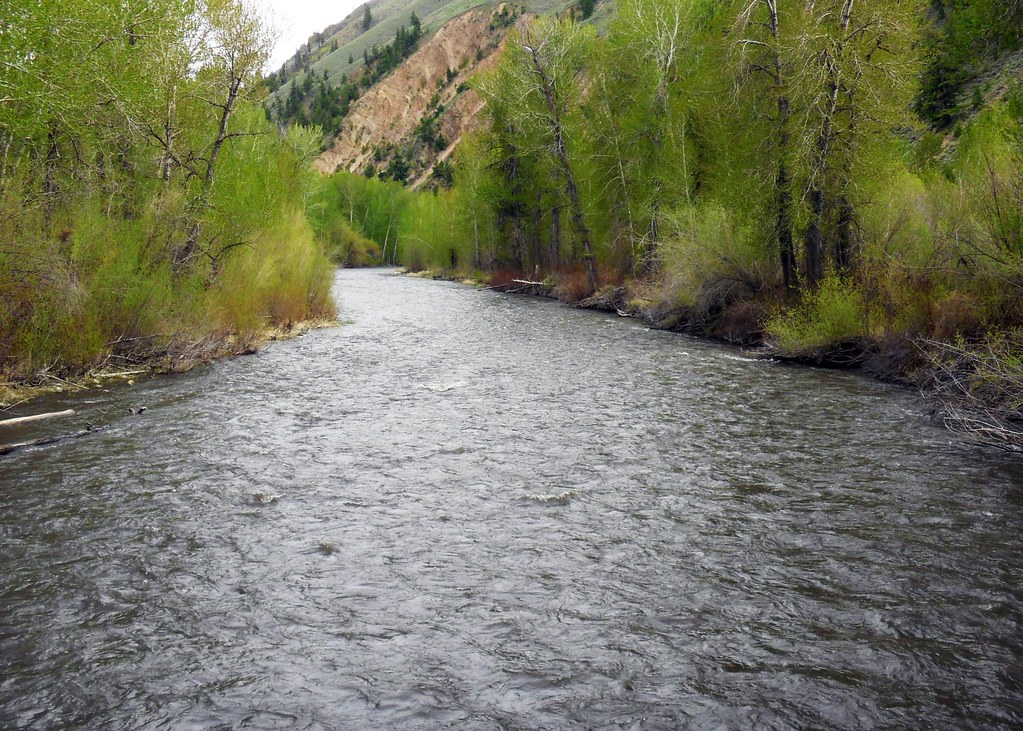
Big Wood River
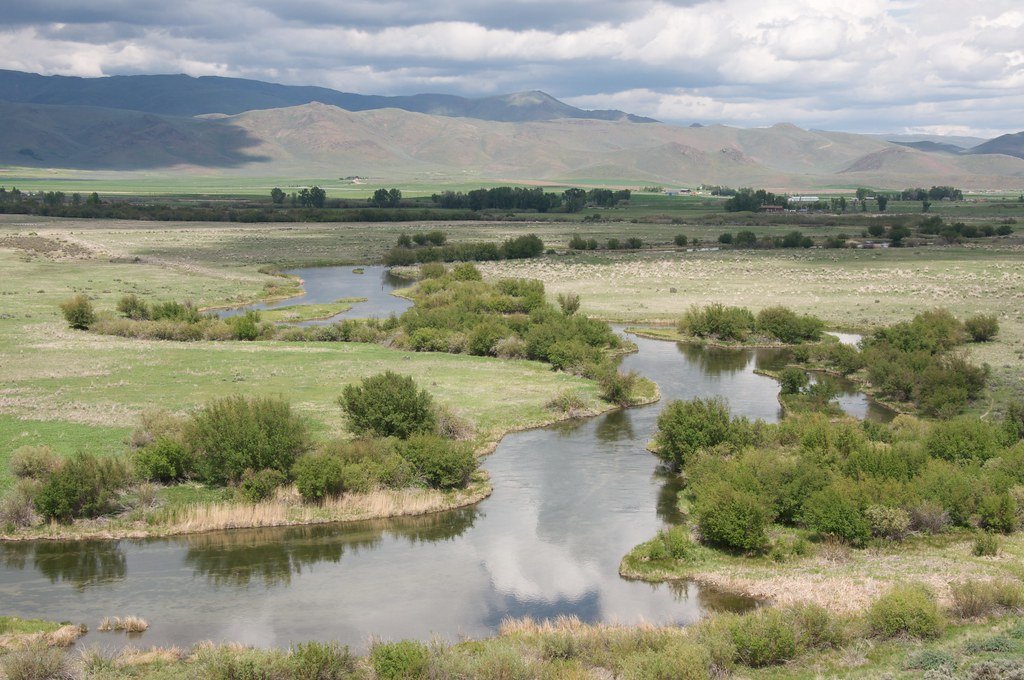
Silver Creek
Rock Creek
Wilson Lake Reservoir
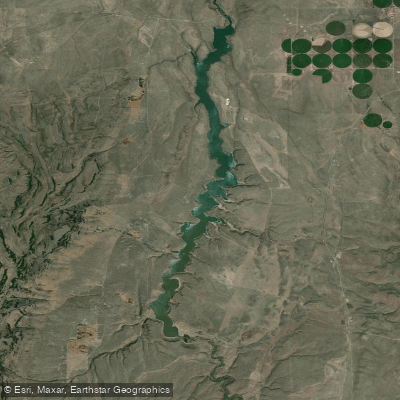
Salmon Falls Creek Reservoir
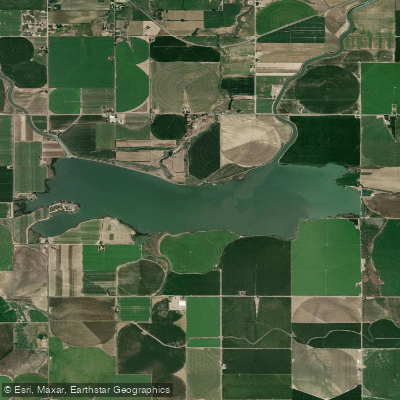
Murtaugh Lake
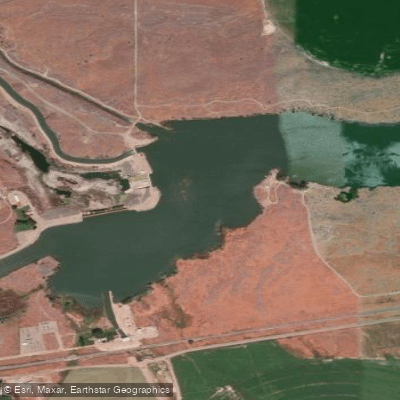
Milner Lake
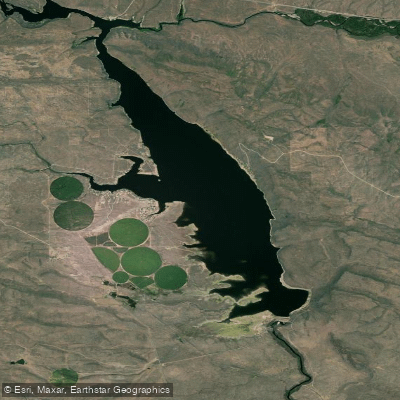
Magic Reservoir
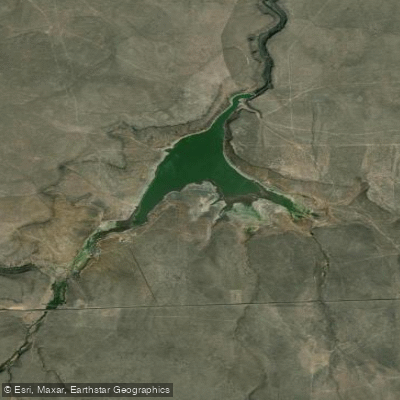
Cedar Creek Reservoir
Explore near Twin Falls Main Canal
Access points
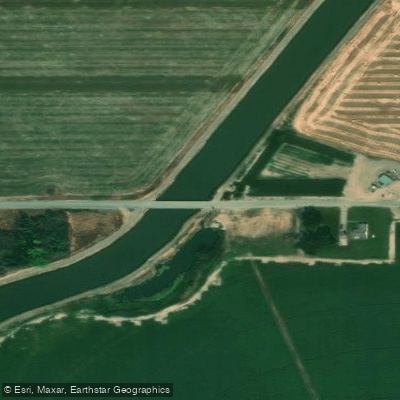
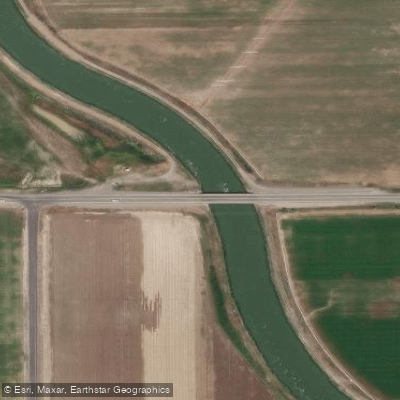
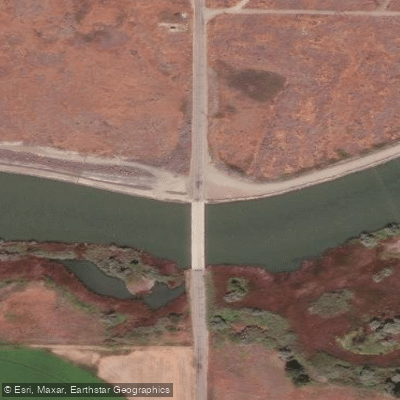
- Twin Falls Main Canal Bridge
- Twin Falls Main Canal Bridge
- Twin Falls Main Canal Bridge
- Main Canal Bridge
- Twin Falls Main Canal Bridge
- Twin Falls Main Canal Bridge
- Low Line Canal Bridge
- Snake River Milner Dam Bridge
- Dry Creek Bridge
- Milner Main Canal Bridge
- T.f.northside Main Canal Bridge
- Dry Creek Bridge
- All 32 spots
Nearby waters
More in Idaho

Smarter Paddling Starts in the App.
PaddleWays gives you everything you need to plan smarter, paddle better, and own every trip from first launch to takeout.