Paddling in Virgin Islands National Park
- National Park
- Lakes
- 0
- Rivers
- 3
- Access
- 0
- Boat Ramps
- 0
- Shops
- 0
Virgin Islands National Park is a saltwater park. Nearly everything worth paddling here is open Caribbean water — protected bays, mangrove lagoons, and the reef-fringed coastline of St. John, where two-thirds of the island falls within park boundaries.
The water is warm year-round, and the park's protected status has kept development off most of the shoreline, which means cleaner water and less boat traffic than you'd find elsewhere in the territory. The north shore bays are the natural anchor for paddling.
Francis Bay offers the longest stretch of calm, protected water on the island — wide, shallow, and shielded from trade wind gusts by the surrounding hills, which makes it the most forgiving spot for stand-up paddleboarding as well as kayaking.
Maho Bay, a few minutes west, runs calmer in the early morning before the beach fills, and paddlers there regularly share the seagrass beds with feeding sea turtles.
Honeymoon Beach, reachable by trail from Cruz Bay or by water taxi, serves as a launch point for guided tours and connects easily to snorkeling along the western headland.
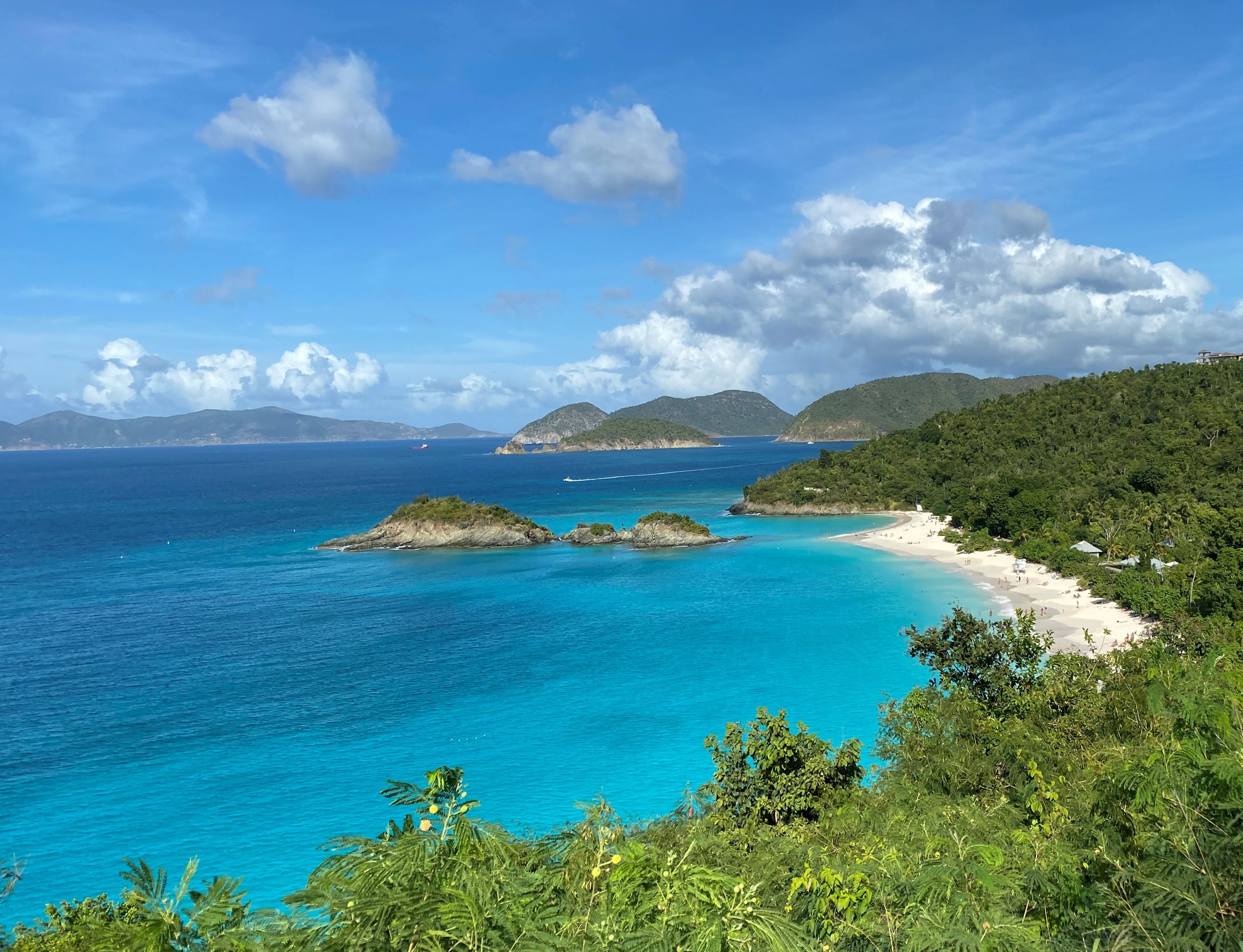
Trunk Bay sits in the middle of the north shore and carries specific rules for boaters: vessels must enter and depart between the two outer buoys marking the prescribed anchorage area and anchor only within that zone.
Hand-propelled craft — kayaks included — may be used to move passengers and gear between the anchorage and the beach.
Anchoring or maneuvering any watercraft within the waters containing the park's underwater marked swimming trails and interpretive signs is prohibited.
Leinster Bay, on the northeastern end of the island, gives access to Waterlemon Cay and is known for turtles, rays, and reef sharks in the shallows.
For paddlers staying overnight on the water, the park requires payment for mooring buoys before spending the night.
Payment stations are located at Cruz Bay Finger Pier, Caneel Bay, Francis Bay, Leinster Bay, Saltpond Bay, and Great Lameshur Bay, and fees can also be paid through the Recreation. gov app. Stays are capped at 7 nights per bay.
No dredging, excavating, or filling operations are permitted anywhere within park waters, and no anchor or mooring device may be cast in a way that strikes or damages underwater features — a rule that matters on a reef system this close to the surface.
The park doesn't require a permit for day-use paddling, but the water demands the same attention you'd give any exposed coastal environment. Trade winds build through the day, and the bays that feel glassy at first light can turn choppy by midmorning.
Get out early.
Top waters to paddle near Virgin Islands National Park
Water and weather conditions (10 day forecast)
See the best times to paddle Virgin Islands National Park and check the forecast before you go.
No forecast data available.
Park alerts & road status
Closures and conditions Virgin Islands National Park has posted, from the National Park Service.
Checking the park's alerts…
Hours & fees
When Virgin Islands National Park is open and what it costs to get in, from the National Park Service.
Hours
Virgin Islands National Park is always open! The Visitor Center and store are open from 8:15 a.m. until 4 p.m. Monday - Thursday and 8:15 a.m. until 1:30 p.m. on Fridays. It is closed on weekends, the Fourth of July, Thanksgiving Day, and Christmas Day.
Entrance fees
No entrance fee is listed for this park.
Parking & getting around
Where to leave the car in Virgin Islands National Park. Lots fill early on busy days, so plan where you will park before you head for the water.
Visitor Center
Parking is available at the Visitor Center for visitors while enjoying the park. Parking is by permit which are available inside the Visitor Center when open.
Getting around
There are no airports on St. John so you must fly to the St. Thomas Cyril E. King Airport (code STT) and travel from there. From the airport you rent a car and drive or take a taxi to Redhook (west end) St. Thomas. From there you can either take a car barge to St. John or the people ferry. Once on St. John you can easily walk from the ferry terminal to the Visitor Center.
Directions on nps.govPaddle smarter with real-time insights
Whether you're en route and conditions shift or you're looking for the best spot based on current flows, we enable you to make informed decisions on the fly.







Paddling near Virgin Islands National Park
Loading...
Gateway towns
Where to base yourself for paddling in Virgin Islands National Park.
- Cruz BayVI
Main entry point on St. John with the ferry dock, visitor center, lodging, dining, and outfitters for the park.
- Red HookVI
St. Thomas departure point for the ferry to Cruz Bay, with lodging and services for visitors crossing to the park.
- Charlotte AmalieVI
St. Thomas hub with broader hotel options and ferry access to St. John for visitors who base off-island.
Virgin Islands National Park paddling rules
The park's own rules, on top of United States licenses and regulations. Limits, fees and closures change, so check the park's page before you go.

Protect Underwater Features
Do not anchor, drag, or cast moorings in any way that strikes or damages underwater features. Maneuvering watercraft within waters containing underwater marked swimming trails and interpretive signs is also prohibited.
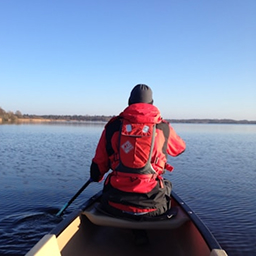
Trunk Bay Entry Rules
Vessels entering Trunk Bay must use the two outer buoys marking the prescribed anchorage area and anchor only within that area. Hand-propelled craft may ferry passengers and gear between the anchorage and the beach.
Fishing Method Limits
You may only take fish or other marine life by rod or line held in the hand. Check the park's regulations for details on any exceptions involving traditional Virgin Islands pots or traps.
Overnight Mooring Fees Required
Boaters spending the night on a park mooring must pay before anchoring overnight. Payment stations are located at several bays around St. John, and you can also pay through the Recreation.gov app.
No Dredging or Excavation
Dredging, excavating, and filling operations of any kind are prohibited within park boundaries. No equipment or materials from such operations may be deposited in park waters or onshore.
Explore Virgin Islands National Park
Top paddling waters
Popular Cities
Loading popular cities...

Smarter Paddling Starts in the App.
Paddleways gives you everything you need to plan smarter, paddle better, and own every trip from first launch to takeout.