Paddling in Amapá
- Lakes
- 6
- Rivers
- 184
- Access
- 3
- Boat Ramps
- 2
- Shops
- 0
Amapá sits at the top of Brazil, pressed against French Guiana to the north and the Atlantic to the east, with the Amazon delta defining its southern edge.
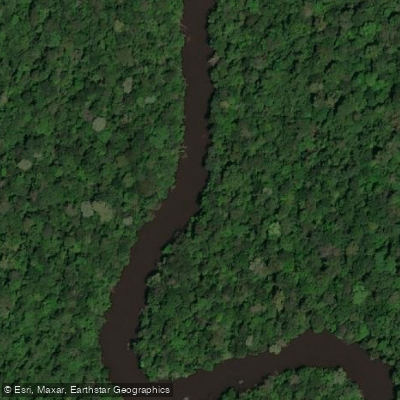
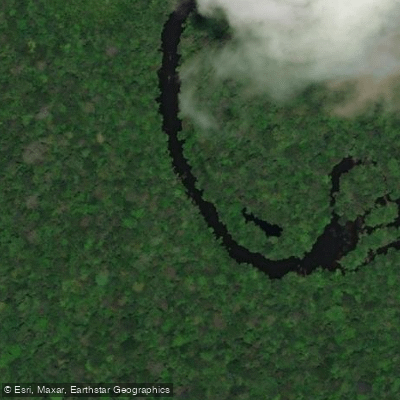
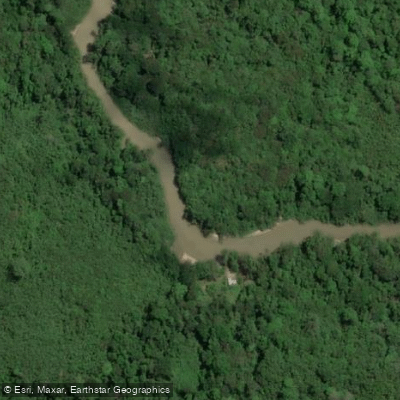
The paddling here is almost entirely Amazonian in character — wide, slow, tannin-dark rivers threading through lowland rainforest, with the occasional faster tributary offering something more technical.
There are no established commercial paddling circuits, no shuttle services waiting at the takeout. This is expedition territory, and it asks for that kind of preparation. The Rio Araguari is the state's most significant river for paddlers with ambition.
It drains a large portion of the interior and carries real volume. The Rio Oiapoque, which forms the border with French Guiana in the far north, is another major waterway — logistically complex given the international boundary, but genuinely remote.
Smaller rivers like the Rio Iratapuru and the Rio Tartarugal Grande run through protected areas and offer the kind of forest immersion that makes multi-day paddling in this region worth the effort.
The Rio Cupixi and Rio Vila Nova (also known as Anauerapucu) are part of the same lowland network — navigable, quiet, and largely unvisited by paddlers from outside the region.
Water levels here follow the Amazon pattern: the wet season runs roughly December through May, when rivers rise and forest floods into várzea, expanding the navigable world considerably but making camping harder.
The dry season, June through November, drops levels and exposes banks, making logistics more manageable — though some shallower igarapés like Igarapé Mocambo become trickier to read. Access is the central challenge.
Road infrastructure in Amapá is limited outside the corridor between Macapá and Oiapoque, and most put-ins require local knowledge or boat transport to reach.
Paddling within or adjacent to protected areas — and much of the interior falls under some form of conservation designation — may require coordination with ICMBio or local indigenous authorities before you go. Don't assume access; ask first.
What Amapá rewards is patience and self-sufficiency. The rivers here aren't managed for paddlers, which means the wildlife is genuine, the quiet is real, and the margin for error is wider than most people are used to.
Come with solid river-reading skills, a reliable communication device, and more time than you think you need.

Paddle smarter with real-time insights
Whether you're en route and conditions shift or you're looking for the best spot based on current flows, we enable you to make informed decisions on the fly.







Amapá licenses and regulations
Explore Amapá waters
Top paddling waters
Popular Cities
Loading popular cities...
Smarter Paddling Starts in the App.
Paddleways gives you everything you need to plan smarter, paddle better, and own every trip from first launch to takeout.