Paddling in Brazil
- Lakes
- 7,705
- Rivers
- 22,257
- Access
- 606
- Boat Ramps
- 114
- Shops
- 0
Brazil sits on a scale that reshapes how you think about paddling.
The country holds the largest river system on earth, the largest tropical wetland, and roughly 8,000 kilometers of Atlantic coastline — and those three environments feel almost like separate sports.
Most paddlers end up choosing one and building a trip around it. The Amazon basin is the obvious draw, but the practical entry point isn't the main river — it's the tributaries.
The Urubu River, running northeast of Manaus through deep jungle, is one of the more accessible options for multi-day kayak expeditions, typically five or six days on blackwater that runs dark as strong tea.
Lodges throughout the region keep canoes and kayaks for guests, and a dawn paddle through flooded forest — threading between submerged tree trunks, listening to the canopy wake up — is one of those experiences that's hard to describe without sounding like you're overselling it.
The Igarapé do Ubim and Amanã Lake draw paddlers looking for something more remote.
The Rio Maguari, also in Amazônia, offers a different character: no piranhas in that stretch, but rays in the shallows and a paddling experience that regulars describe as extraordinary.
The Pantanal, the vast wetland system in Brazil's interior, runs on a similar rhythm — canoes and kayaks available through lodges, guides on hand, and the same logic of getting on the water at first light before the heat builds.
The Costa Verde, the stretch of coast roughly 120 miles south of Rio de Janeiro, is where sea kayakers tend to land. The Saco de Mamanguá — a narrow, jungle-walled inlet sometimes called Brazil's tropical fjord — anchors the paddling here.
The UNESCO-listed town of Paraty sits within this stretch, and the surrounding area holds some of the last intact Mata Atlântica. Multi-day boat-supported trips are the norm, moving between small villages, beaches, and waterfall swims.
For those who want simpler access, beach towns like Jericoacoara, Búzios, Pipa, and Morro de São Paulo have kayaks for hire, though the open Atlantic coast demands respect — many beaches face heavy surf that rules out casual paddling.
Whitewater is less talked about internationally but genuinely exists. The Rio Cubatão do Sul near Florianópolis runs Class II–III through Atlantic Rainforest, with a mix of technical narrow sections and calmer pools between drops.
The Rio de Contas near Itacaré in Bahia draws rafters and kayakers inland from the coast. The Paraibuna in São Paulo state is another option for paddlers based in the southeast. Timing matters and varies by region.
The Amazon is generally considered best between July and September, when water levels and weather are more manageable. The southern coast and whitewater rivers follow different patterns tied to rainfall in the Serra do Mar and surrounding ranges.
Brazil's summer — December through March — is high season for tourism but can mean heavy rain in the mountains and swollen rivers. The scale of the country means logistics are always part of the conversation.
Manaus is the gateway for Amazon paddling; Florianópolis for the southern whitewater; Rio de Janeiro for the Costa Verde. None of these are close to each other, and treating them as a single trip is the kind of plan that sounds good until you look at a map.
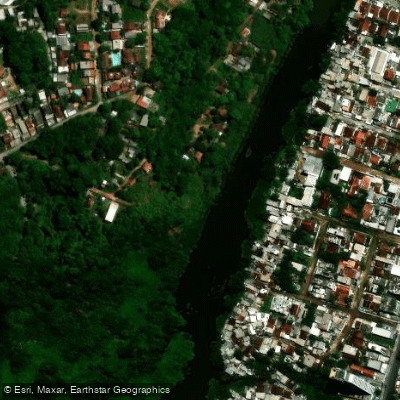
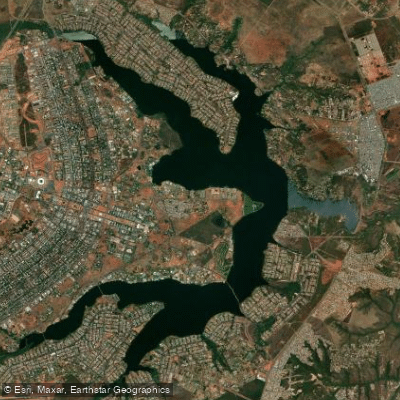
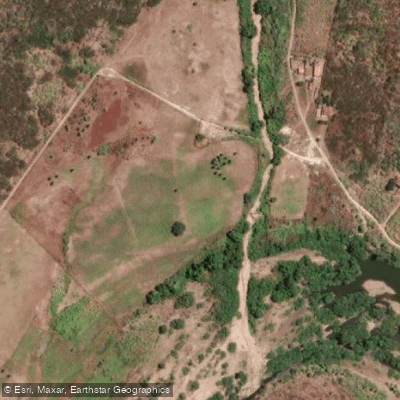
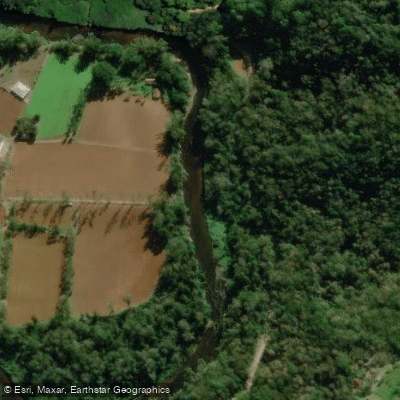
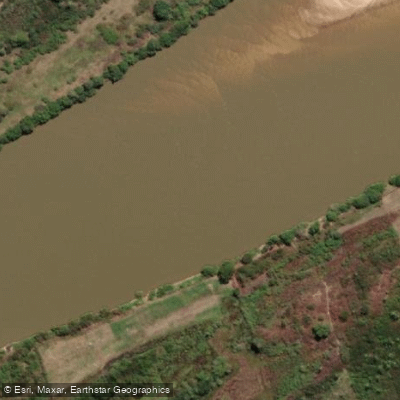
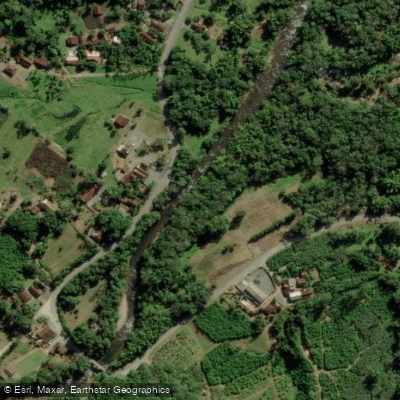
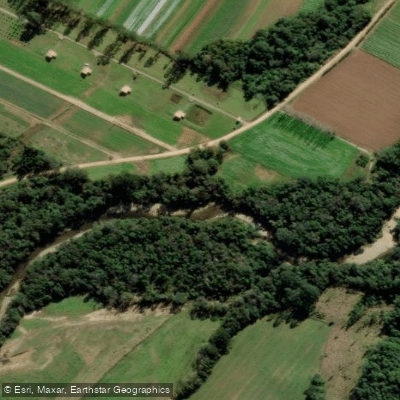
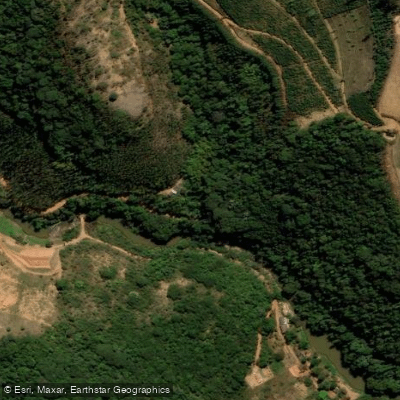
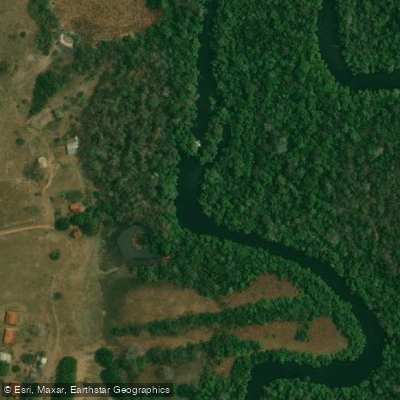
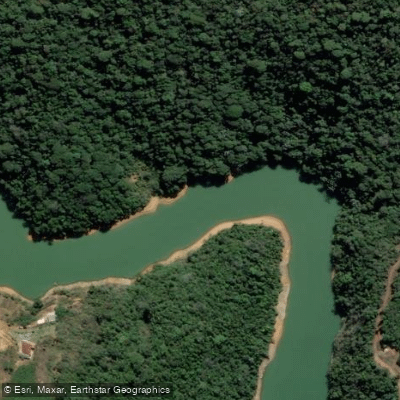
Top waters to paddle near Brazil
Paddle smarter with real-time insights
Whether you're en route and conditions shift or you're looking for the best spot based on current flows, we enable you to make informed decisions on the fly.







Cities in Brazil
- Abaetetuba, Pará
- Açailândia, Maranhão
- Açu, Rio Grande do Norte
- Águas Claras, Distrito Federal
- Águas Lindas de Goiás, Goiás
- Altamira, Pará
- Alto Alegre, Roraima
- Altos, Piauí
- Amajari, Roraima
- Ananindeua, Pará
- Anápolis, Goiás
- Aparecida de Goiânia, Goiás
- Aquidauana, Mato Grosso do Sul
- Aracaju, Sergipe
- Aracruz, Espírito Santo
- Araguaína, Tocantins
- Araguatins, Tocantins
- Arapiraca, Alagoas
- Araucária, Paraná
- Ariquemes, Rondônia
- Bacabal, Maranhão
- Balsas, Maranhão
- Barcarena, Pará
- Barra do Garças, Mato Grosso
- Barra dos Coqueiros, Sergipe
- Barras, Piauí
- Barreiras, Bahia
- Bayeux, Paraíba
- Belém, Pará
- Belford Roxo, Rio de Janeiro
- Belo Horizonte, Minas Gerais
- Betim, Minas Gerais
- Blumenau, Santa Catarina
- Boa Vista, Roraima
- Bonfim, Roraima
- Brasiléia, Acre
- Brasília, Distrito Federal
- Buritis, Rondônia
- Cabedelo, Paraíba
- Cabo de Santo Agostinho, Pernambuco
- Cáceres, Mato Grosso
- Cachoeiro de Itapemirim, Espírito Santo
- Cacoal, Rondônia
- Caicó, Rio Grande do Norte
- Cajazeiras, Paraíba
- Calçoene, Amapá
- Camaçari, Bahia
- Camaragibe, Pernambuco
- Campina Grande, Paraíba
- Campinas, São Paulo
- Campo Grande, Mato Grosso do Sul
- Campo Maior, Piauí
- Campos dos Goytacazes, Rio de Janeiro
- Canoas, Rio Grande do Sul
- Cantá, Roraima
- Caracaraí, Roraima
- Cariacica, Espírito Santo
- Caruaru, Pernambuco
- Cascavel, Paraná
- Castanhal, Pará
- Caucaia, Ceará
- Caxias do Sul, Rio Grande do Sul
- Caxias, Maranhão
- Ceará-Mirim, Rio Grande do Norte
- Ceilândia, Distrito Federal
- Chapecó, Santa Catarina
- Coari, Amazonas
- Codó, Maranhão
- Colatina, Espírito Santo
- Colinas do Tocantins, Tocantins
- Colombo, Paraná
- Contagem, Minas Gerais
- Corumbá, Mato Grosso do Sul
- Coruripe, Alagoas
- Crato, Ceará
- Criciúma, Santa Catarina
- Cruzeiro do Sul, Acre
- Cuiabá, Mato Grosso
- Curitiba, Paraná
- Delmiro Gouveia, Alagoas
- Dianópolis, Tocantins
- Dourados, Mato Grosso do Sul
- Duque de Caxias, Rio de Janeiro
- Esperantina, Piauí
- Estância, Sergipe
- Extremoz, Rio Grande do Norte
- Feijó, Acre
- Feira de Santana, Bahia
- Floriano, Piauí
- Florianópolis, Santa Catarina
- Formosa, Goiás
- Fortaleza, Ceará
- Foz do Iguaçu, Paraná
- Gama, Distrito Federal
- Garanhuns, Pernambuco
- Goiânia, Goiás
- Governador Valadares, Minas Gerais
- Gravataí, Rio Grande do Sul
- Guajará Mirim, Rondônia
- Guará, Distrito Federal
- Guarabira, Paraíba
- Guaraí, Tocantins
- Guarapari, Espírito Santo
- Guarapuava, Paraná
- Guarulhos, São Paulo
- Gurupi, Tocantins
- Humaitá, Amazonas
- Iguatu, Ceará
- Ilhéus, Bahia
- Imperatriz, Maranhão
- Itabaiana, Sergipe
- Itabaianinha, Sergipe
- Itabuna, Bahia
- Itacoatiara, Amazonas
- Itaituba, Pará
- Itajaí, Santa Catarina
- Itapipoca, Ceará
- Jaboatão dos Guararapes, Pernambuco
- Jaraguá do Sul, Santa Catarina
- Jaru, Rondônia
- Ji Paraná, Rondônia
- João Pessoa, Paraíba
- Joinville, Santa Catarina
- Juazeiro do Norte, Ceará
- Juazeiro, Bahia
- Juiz de Fora, Minas Gerais
- Lagarto, Sergipe
- Lages, Santa Catarina
- Laranjal do Jari, Amapá
- Lauro de Freitas, Bahia
- Linhares, Espírito Santo
- Londrina, Paraná
- Lucas do Rio Verde, Mato Grosso
- Luziânia, Goiás
- Macaíba, Rio Grande do Norte
- Macapá, Amapá
- Maceió, Alagoas
- Machadinho d'Oeste, Rondônia
- Manacapuru, Amazonas
- Manaus, Amazonas
- Mâncio Lima, Acre
- Manicoré, Amazonas
- Marabá, Pará
- Maracaju, Mato Grosso do Sul
- Maracanaú, Ceará
- Maranguape, Ceará
- Marechal Deodoro, Alagoas
- Marechal Thaumaturgo, Acre
- Maringá, Paraná
- Maués, Amazonas
- Mazagão, Amapá
- Montes Claros, Minas Gerais
- Mossoró, Rio Grande do Norte
- Mucajaí, Roraima
- Natal, Rio Grande do Norte
- Naviraí, Mato Grosso do Sul
- Niterói, Rio de Janeiro
- Normandia, Roraima
- Nossa Senhora do Socorro, Sergipe
- Nova Andradina, Mato Grosso do Sul
- Nova Iguaçu, Rio de Janeiro
- Nova Mutum, Mato Grosso
- Novo Hamburgo, Rio Grande do Sul
- Oiapoque, Amapá
- Olinda, Pernambuco
- Osasco, São Paulo
- Pacaraima, Roraima
- Paço do Lumiar, Maranhão
- Palhoça, Santa Catarina
- Palmas, Tocantins
- Paraíso do Tocantins, Tocantins
- Parauapebas, Pará
- Parintins, Amazonas
- Parnaíba, Piauí
- Parnamirim, Rio Grande do Norte
- Passo Fundo, Rio Grande do Sul
- Patos, Paraíba
- Paulista, Pernambuco
- Pedra Branca do Amapari, Amapá
- Pelotas, Rio Grande do Sul
- Penedo, Alagoas
- Petrolina, Pernambuco
- Petrópolis, Rio de Janeiro
- Picos, Piauí
- Piripiri, Piauí
- Planaltina, Distrito Federal
- Plano Piloto, Distrito Federal
- Ponta Grossa, Paraná
- Ponta Porã, Mato Grosso do Sul
- Porto Acre, Acre
- Porto Alegre, Rio Grande do Sul
- Porto Grande, Amapá
- Porto Nacional, Tocantins
- Porto Seguro, Bahia
- Porto Velho, Rondônia
- Quixadá, Ceará
- Recanto das Emas, Distrito Federal
- Recife, Pernambuco
- Ribeirão das Neves, Minas Gerais
- Ribeirão Preto, São Paulo
- Rio Branco, Acre
- Rio de Janeiro, Rio de Janeiro
- Rio Largo, Alagoas
- Rio Verde, Goiás
- Rolim de Moura, Rondônia
- Rondonópolis, Mato Grosso
- Rorainópolis, Roraima
- Salvador, Bahia
- Samambaia, Distrito Federal
- Santa Maria, Distrito Federal
- Santa Maria, Rio Grande do Sul
- Santa Rita, Paraíba
- Santana do Ipanema, Alagoas
- Santana, Amapá
- Santarém, Pará
- Santo André, São Paulo
- São Bernardo do Campo, São Paulo
- São Cristóvão, Sergipe
- São Gonçalo do Amarante, Rio Grande do Norte
- São Gonçalo, Rio de Janeiro
- São João de Meriti, Rio de Janeiro
- São José de Mipibu, Rio Grande do Norte
- São José de Ribamar, Maranhão
- São José do Rio Preto, São Paulo
- São José dos Campos, São Paulo
- São José dos Pinhais, Paraná
- São José, Santa Catarina
- São Leopoldo, Rio Grande do Sul
- São Luís, Maranhão
- São Mateus, Espírito Santo
- São Miguel dos Campos, Alagoas
- São Paulo, São Paulo
- Sapé, Paraíba
- Sena Madureira, Acre
- Senador Canedo, Goiás
- Senador Guiomard, Acre
- Serra, Espírito Santo
- Sete Lagoas, Minas Gerais
- Sidrolândia, Mato Grosso do Sul
- Simão Dias, Sergipe
- Sinop, Mato Grosso
- Sobral, Ceará
- Sorocaba, São Paulo
- Sorriso, Mato Grosso
- Sousa, Paraíba
- Tabatinga, Amazonas
- Tangará da Serra, Mato Grosso
- Tarauacá, Acre
- Tartarugalzinho, Amapá
- Tefé, Amazonas
- Teresina, Piauí
- Timon, Maranhão
- Tobias Barreto, Sergipe
- Tocantinópolis, Tocantins
- Três Lagoas, Mato Grosso do Sul
- Trindade, Goiás
- Uberaba, Minas Gerais
- Uberlândia, Minas Gerais
- União dos Palmares, Alagoas
- União, Piauí
- Valparaíso de Goiás, Goiás
- Várzea Grande, Mato Grosso
- Viamão, Rio Grande do Sul
- Vila Velha, Espírito Santo
- Vilhena, Rondônia
- Vitória da Conquista, Bahia
- Vitória de Santo Antão, Pernambuco
- Vitória do Jari, Amapá
- Vitória, Espírito Santo
National parks in Brazil
- Acari National Park
- Anavilhanas National Park
- Araucárias National Park
- Campos Amazônicos National Park
- Chapada dos Veadeiros National Park
- Guaricana National Park
- Iguaçu National Park
- Lençóis Maranhenses National Park
- Nascentes do Rio Parnaíba National Park
- Pacaás Novos National Park
- Pantanal Matogrossense National Park
- Parque Nacional da Amazônia
- Parque Nacional da Chapada das Mesas
- Parque Nacional da Chapada Diamantina
- Parque Nacional da Restinga de Jurubatiba
- Parque Nacional da Serra da Bocaina
- Parque Nacional da Serra da Canastra
- Parque Nacional da Serra do Itajaí
- Parque Nacional da Serra do Pardo
- Parque Nacional do Araguaia
- Parque Nacional do Cabo Orange
- Parque Nacional do Itatiaia
- Parque Nacional do Jaú
- Parque Nacional do Juruena
- Parque Nacional do Pico da Neblina
- Parque Nacional do Superagui
- Parque Nacional dos Campos Gerais
- Parque Nacional Serra da Mocidade
- Rio Novo National Park
- São Joaquim National Park
- Serra da Cutia National Park
- Serra do Cipó National Park
- Serra do Divisor National Park
- Viruá National Park
Explore Brazil waters
Top paddling waters
Popular Cities
Loading popular cities...
Smarter Paddling Starts in the App.
Paddleways gives you everything you need to plan smarter, paddle better, and own every trip from first launch to takeout.