Paddling in Paraíba
- Lakes
- 470
- Rivers
- 107
- Access
- 6
- Boat Ramps
- 1
- Shops
- 0
Paraíba sits in Brazil's Northeast, a semi-arid state where water is the defining constraint — and therefore the defining obsession.
Most of the interior drains through rivers that run seasonal or low for much of the year, shaped by the caatinga and the rhythms of the rainy season.
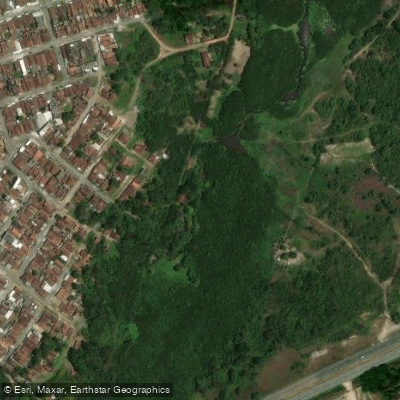
The coast is a different story: short rivers push through Atlantic forest fragments to meet warm, shallow estuaries. Paddling here means understanding that geography. The Rio Mamanguape is the water that anchors the coastal scene.
It runs through a protected area and its lower reaches open into mangrove-lined channels — the kind of flatwater that rewards a slow pace and rewards it again on the return tide.
The Rio Gramame and Rio Mamuaba are similarly coastal in character, draining toward the south of the state capital and offering accessible flatwater in their lower stretches. Inland, the picture shifts to reservoir paddling.
The semi-arid Northeast has always managed water through açudes — large impoundments that hold the wet season's rain against the dry months that follow.
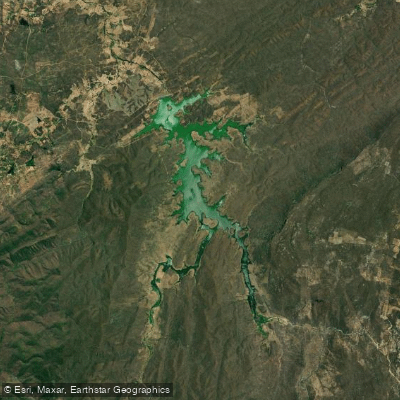
Açude Coremas, also known as Engenheiro Estevam Marinho, is one of the larger ones in the state, and its open water draws paddlers when levels are up. The Açude Jenipapeiro, near Buiú, is another.
These reservoirs are not dramatic whitewater venues; they are wide, wind-exposed flatwater, and the challenge is reading the afternoon wind rather than reading rapids.
The rivers of the interior — Rio Sucuru, Rio Sabugi, Rio Paraibinha, Rio Preto — depend heavily on rainfall. The wet season runs roughly from February through July in most of the state, and that window is when interior rivers carry enough water to paddle.
Outside those months, many stretches are too shallow or simply dry. Anyone planning a trip around a specific river run needs to check conditions close to departure; what was a moving river in April can be a series of pools by September.
The Rio Guajú runs near the border with Rio Grande do Norte in the far north of the state, adding another coastal option for those working that corner of the coast. Conservation is not background noise here — it's the frame.
The Mamanguape's lower corridor has protected status tied to its manatee population and mangrove systems, and paddlers moving through it are guests in a functioning ecosystem. The açudes exist because water scarcity is real and serious; treat them accordingly.
Paraíba won't show up on a whitewater destination list, and it isn't trying to. What it has is intimate coastal paddling, big-sky reservoir crossings, and the particular satisfaction of finding good water in a place that doesn't take it for granted.
Paddle smarter with real-time insights
Whether you're en route and conditions shift or you're looking for the best spot based on current flows, we enable you to make informed decisions on the fly.







Paraíba licenses and regulations
Explore Paraíba waters
Top paddling waters
Popular Cities
Loading popular cities...
Smarter Paddling Starts in the App.
Paddleways gives you everything you need to plan smarter, paddle better, and own every trip from first launch to takeout.