Paddling in Delaware
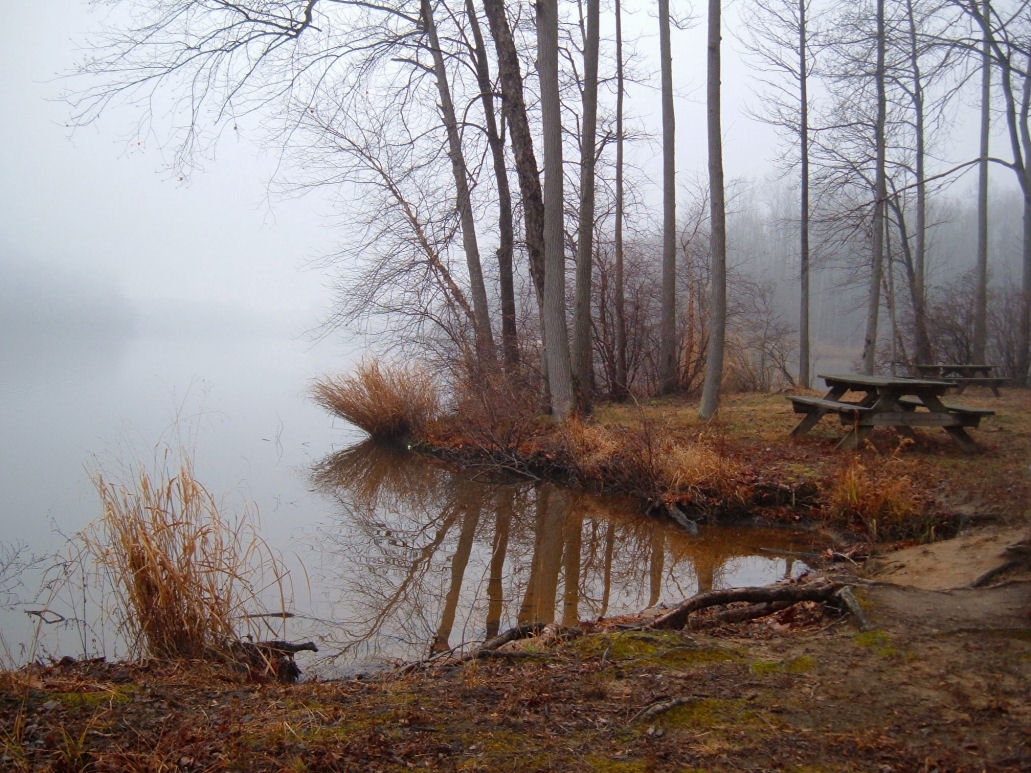
- Lakes
- 115
- Rivers
- 490
- Access
- 95
- Boat Ramps
- 79
- Shops
- 2
Delaware is a flatwater state through and through — there's no indigenous whitewater here, and paddlers chasing gradient leave for the Lehigh or the Upper Delaware.
What the state has instead, packed into a small footprint, is an unusually varied mix of coastal tidewater and freshwater swamp paddling, most of it accessible enough for a beginner and interesting enough that experienced paddlers keep coming back for the wildlife.
The signature contrast is north-to-south.
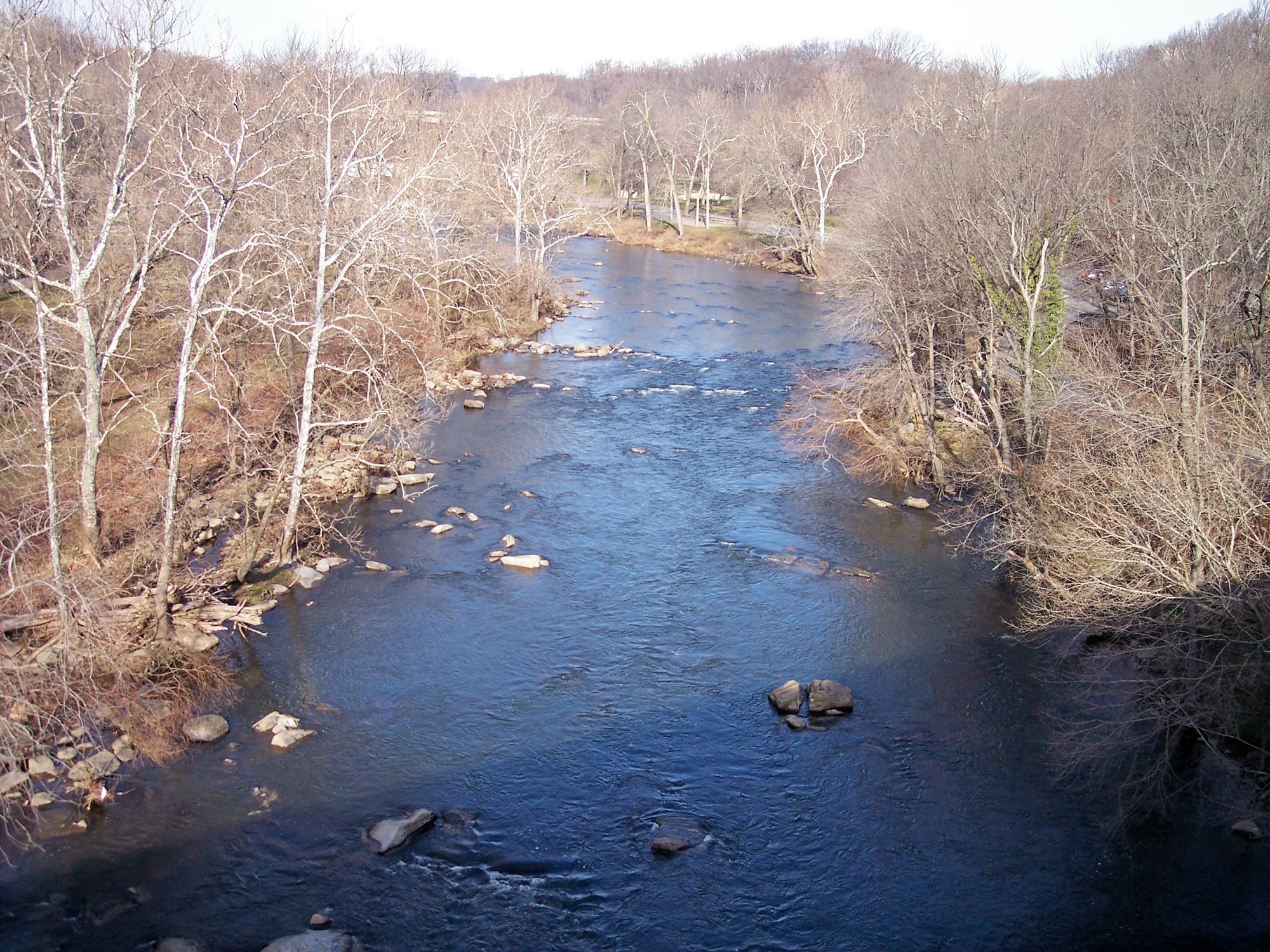
Up in New Castle County, Brandywine Creek meanders out of Pennsylvania through Piedmont countryside, with the classic run from Chadds Ford down to Thompson's Bridge — about three hours of clear, easy water through du Pont estate landscape.
Down in Sussex County, you can spend a morning threading bald cypress trunks at Trap Pond — the northernmost natural stand of baldcypress in the country, more bayou than Mid-Atlantic — and that afternoon be rounding Cape Henlopen Point watching for bottlenose dolphins where the bay meets the Atlantic.
Quest Kayak has been guiding that Cape water since 1999, and the Point is where Delaware paddling gets serious: strong tides, ferry traffic out of Lewes, and weather that can turn fast.
Between those two poles is the working heart of Delaware paddling — an interconnected system of tidal rivers, salt marshes, and inland bays that Paddle Coastal Delaware has organized into zone-by-zone route maps, each keyed to its own tide table.
The Broadkill drops out of Milton through farmland and salt marsh toward Oyster Rocks, best paddled outgoing from town and incoming from the bay.
Rehoboth, Indian River, and Little Assawoman bays form a maze of marsh islands and channels with marked water trails; the Indian River Inlet generates currents that demand respect.
Across the Maryland line, the Nanticoke Water Trail picks up at Seaford and Laurel for calm tidal paddling through Nanticoke heritage country.
And the Mispillion run from Milford to Slaughter Beach is a long, slow wildlife corridor that's earned its reputation among kayak anglers. A few things shape the calendar.
Prime Hook NWR's canoe trail is open mid-March to mid-September only — closed for hunting the rest of the year — and the eastern stretch has silted in badly enough that the refuge advises against attempting it.
June through September brings serious mosquitoes and biting flies in the marshes, and afternoon thunderstorms in midsummer push most paddlers to morning launches.
Autumn is when locals say the paddling is best: cooler air, less rain, foliage on the freshwater routes. Late August brings Paddlefest on Rehoboth Bay, a 4. 25-mile course with park-staff stops, food trucks, and a crowd.
Come with tide tables, a PFD and whistle (state law), and the understanding that the reward here is herons stalking the shallows of Pea Patch Island, not a clean line through a drop.
Paddle smarter with real-time insights
Whether you're en route and conditions shift or you're looking for the best spot based on current flows, we enable you to make informed decisions on the fly.







Delaware licenses and regulations
Explore Delaware waters
Top paddling waters
Popular Cities
Loading popular cities...
Smarter Paddling Starts in the App.
Paddleways gives you everything you need to plan smarter, paddle better, and own every trip from first launch to takeout.