Clark Fork
- Saltwater
- Sea area
- Coast
- Saltwater
- Sea area
- Coast
- Boat Ramps
- 1
- Access Points
- 0
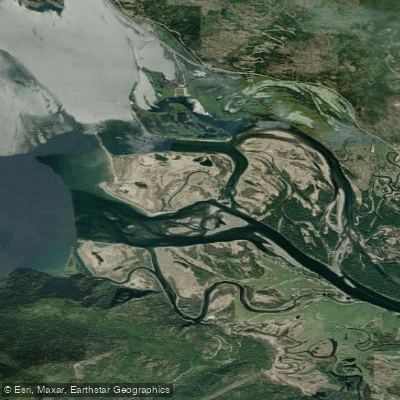
The Clark Fork is a major river in western Montana, originating near Butte and flowing over 340 miles. It is the largest river in the state by volume. For paddlers, its character varies dramatically along its course, offering everything from serene flatwater to significant whitewater. The most popular whitewater section is the Alberton Gorge, located west of Missoula and running parallel to Interstate 90. This 9.7-mile stretch features consistent, year-round flows with Class II-III rapids, including notable playspots like Cliffside and Fang. The scenery here is defined by towering purple cliffs, deep green pools, sandy beaches, and Ponderosa Pine forests. Wildlife sightings can include beavers, bald eagles, deer, elk, otters, and osprey. Access for the Alberton Gorge is straightforward, with a primary public put-in at Cyr Bridge off I-90 Exit 70 and a common take-out at Tarkio. Upstream of the gorge, the section from Cyr to Sandy Beaches, known as the Upper Gorge, is considered a step easier but still contains powerful rapids.
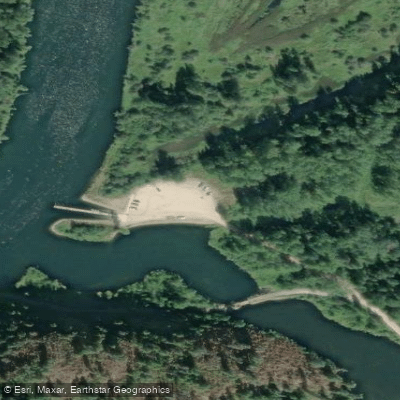
Numerous other access points facilitate a range of trips. East of Missoula, a common put-in is at the Schwartz Creek Bridge near Clinton, with a take-out at Turah, though this ten-mile section is noted for braided channels, sweepers, and logjams, requiring experienced boaters. Within Missoula itself, a popular short float runs from the old Milltown Dam site to Sha-Ron in East Missoula, or further through downtown to McCormick Park. A new boat landing for take-out only has been established at Silver Park in downtown Missoula; launching here is not recommended due to hazards downstream, including a concrete diversion dam just as the river enters the city. Further downstream, beyond the town of Thompson Falls, there is a public boat ramp suitable for beginners, offering gentle moving water. Near the Idaho border, where the river enters Lake Pend Oreille, the Johnson Creek Recreation Area provides a launch for exploring the lake's channels and shoreline, with opportunities for boat camping on the eastern shore.
Water quality has improved significantly following the removal of the Milltown Dam in 2008, which initiated a cleanup of historical mining contamination. The river is now described as clean and lively. Water temperatures are generally cold, fed by snowmelt, but in the Alberton Gorge during July and August, they can reach 65 to 70 degrees Fahrenheit. The primary paddling season is spring through summer, with flows dependent on the snowmelt pattern; a sustained, paced melt leads to ideal conditions for a longer period. Hazards vary by section and include in-stream obstacles, logjams, undercut banks, and diversion dams, which require local knowledge and scouting. The Alberton Gorge can be busy with both private and commercial rafting traffic.
Hazards
Hazards on Clark Fork
No hazards are marked on Clark Fork yet. That is not the same as none being there: if you find one, report it for the next paddler.
From the community
Clark Fork trip reports
Nobody has shared a trip on Clark Fork yet. Paddle it, then tell the next paddler how it went.
Water access
Where to get on and off Clark Fork: launch points, boat ramps and bridges.
Tides, wind & water conditions (10 day forecast)
On open water, wind and tide matter as much as the weather. See the best times to paddle Clark Fork and check the marine forecast before you launch.
Loading tide predictions…
Paddle smarter with real-time insights
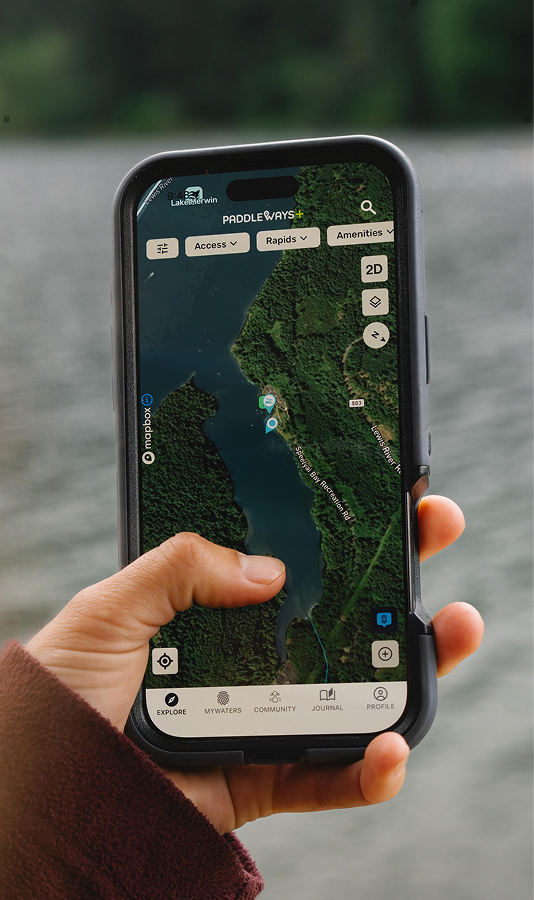
Live flows, marked hazards and fresh trip reports from paddlers who were just on the water, all in one place.

Find Places to Paddle
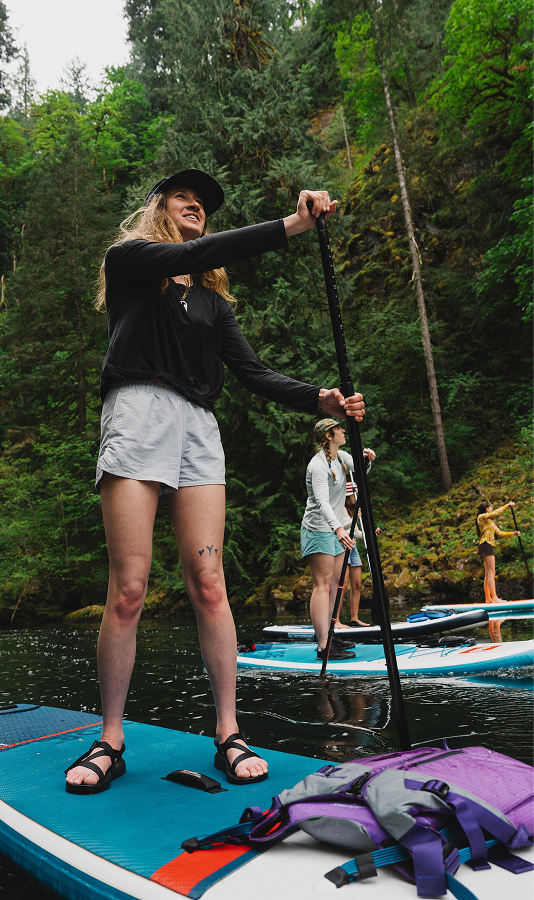
Over 400,000 Places to Paddle
Every user gets free access to launch points, boat ramps, and public property parcels.
Idaho licenses and regulations
Idaho Boating Regulations
When using any type of watercraft to access a body of water, it is important to follow all federal, state, and local rules and regulations. These rules and regulations include boat permitting and licensing, invasive species inspections and stamps, life jacket and PFD rules, motor size and horsepower restrictions, noise limitations, restrictions on personal watercraft, and many more. Visit the web link below for the most current rules and regulations for this body of water.
Idaho Boating Regulations
When using any type of watercraft to access a body of water, it is important to follow all federal, state, and local rules and regulations. These rules and regulations include boat permitting and licensing, invasive species inspections and stamps, life jacket and PFD rules, motor size and horsepower restrictions, noise limitations, restrictions on personal watercraft, and many more. Visit the web link below for the most current rules and regulations for this body of water.
Idaho Fishing License
"To fish in Idaho any person 14 years of age or older must have a valid fishing license. Anglers younger than 14 do not need a license, but there is a small difference between resident and nonresident youth. -A resident child under 14 has their own separate fishing limit. -A nonresident child under 14 must be with someone who has a valid fishing license and their fish are in included in the license holders fishing limit. However, a nonresident child may purchase their own license and have their own limit. Special fishing permits are need for some activities for both residents and nonresidents: -Fishing for salmon and steelhead -Fishing with two poles."
Idaho Fishing Regulations
This river has a variety of species and regulations, including potential floating and/or watercraft restrictions. Because this river is specially managed for species, seasons, angling methods, and watercraft, it is strongly encouraged you check all federal, state, and local regulations before fishing. Visit any of the links below, inquire locally, or contact a local fly shop to learn current regulations and restrictions.
Idaho Stream Access Laws
Navigable streams are recognized as public transportation corridors, thus members of the public have the right to use the corridor, provided they enter and exit the corridor at a public right of way and remain within the corridor. Many navigable streams flow through private property, thus it is important that anglers know their rights and responsibilities when fishing in navigable waters that flow through private property.
Paddling near Clark Fork
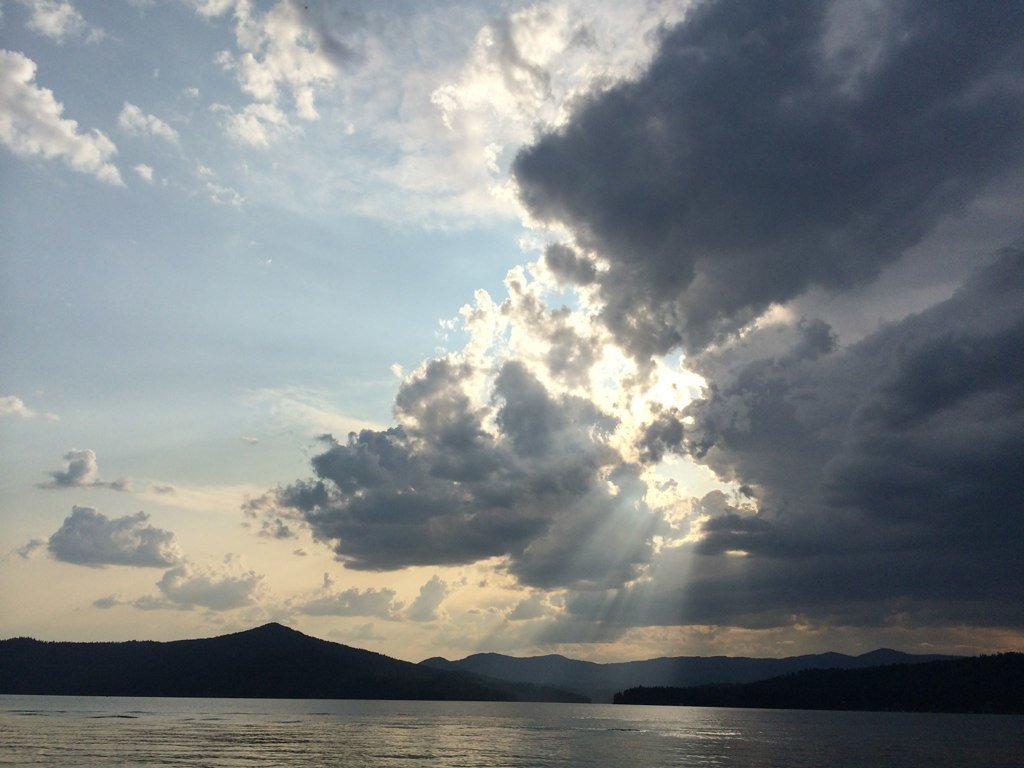
Coeur d'Alene Lake
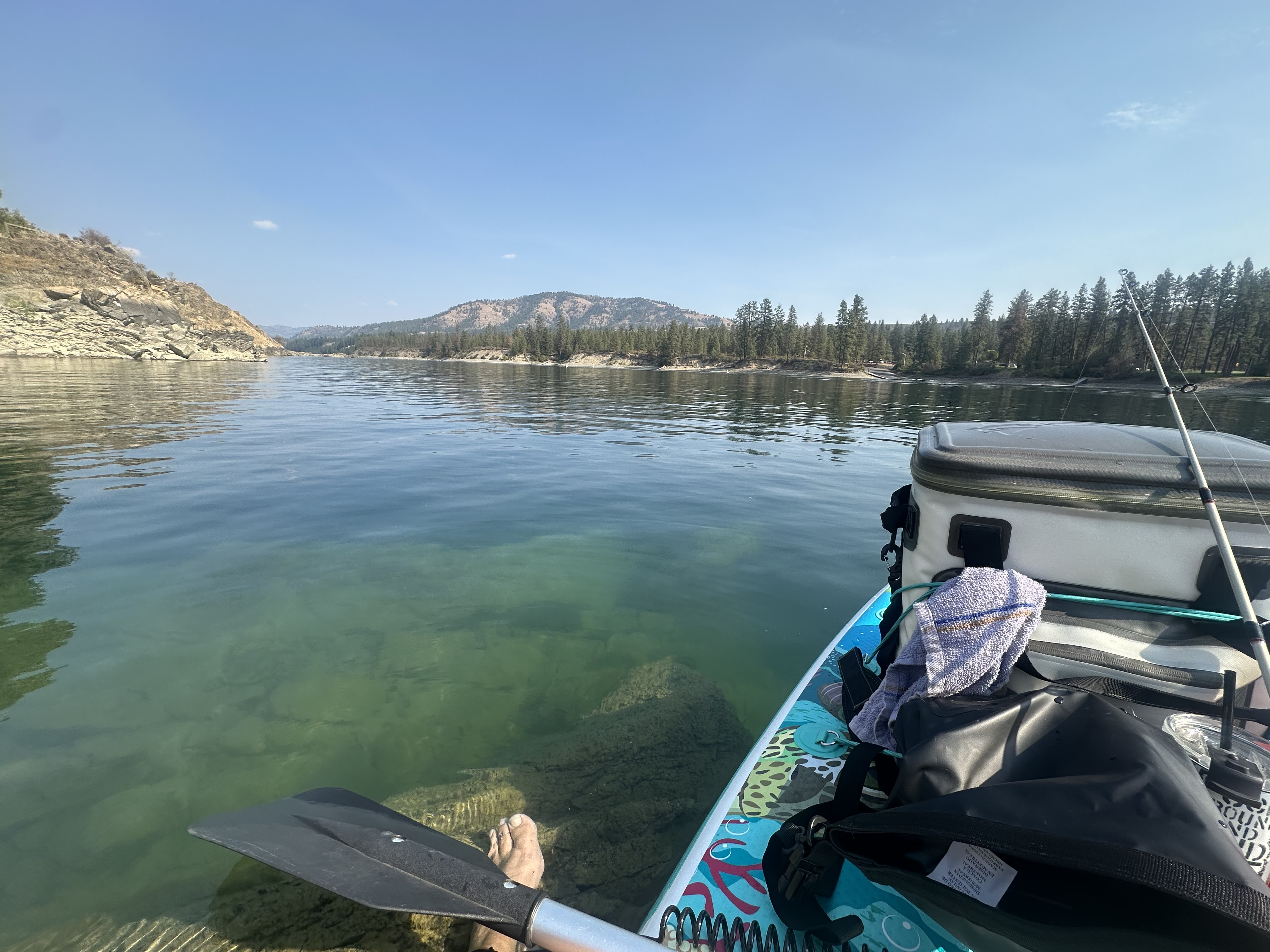
Spokane River
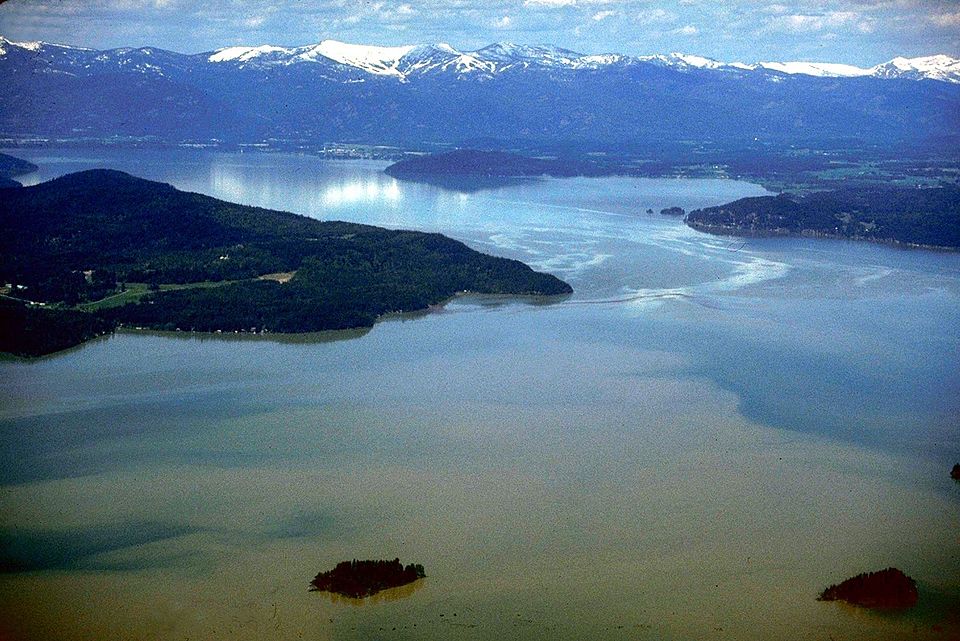
Lake Pend Oreille
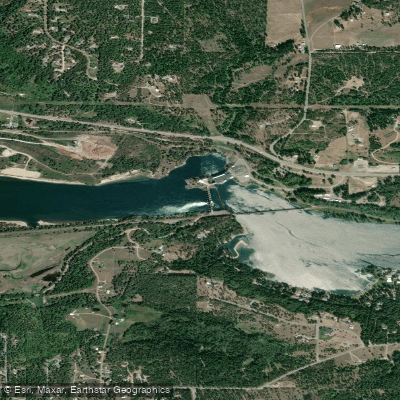
Pend Oreille River
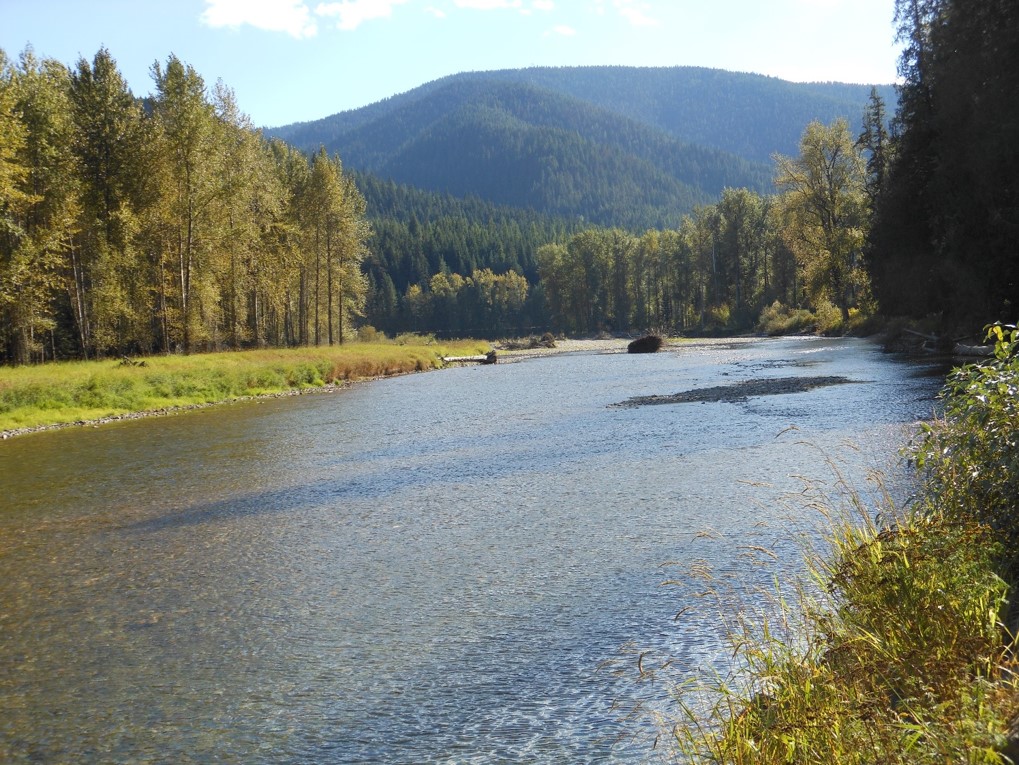
Coeur d'Alene River
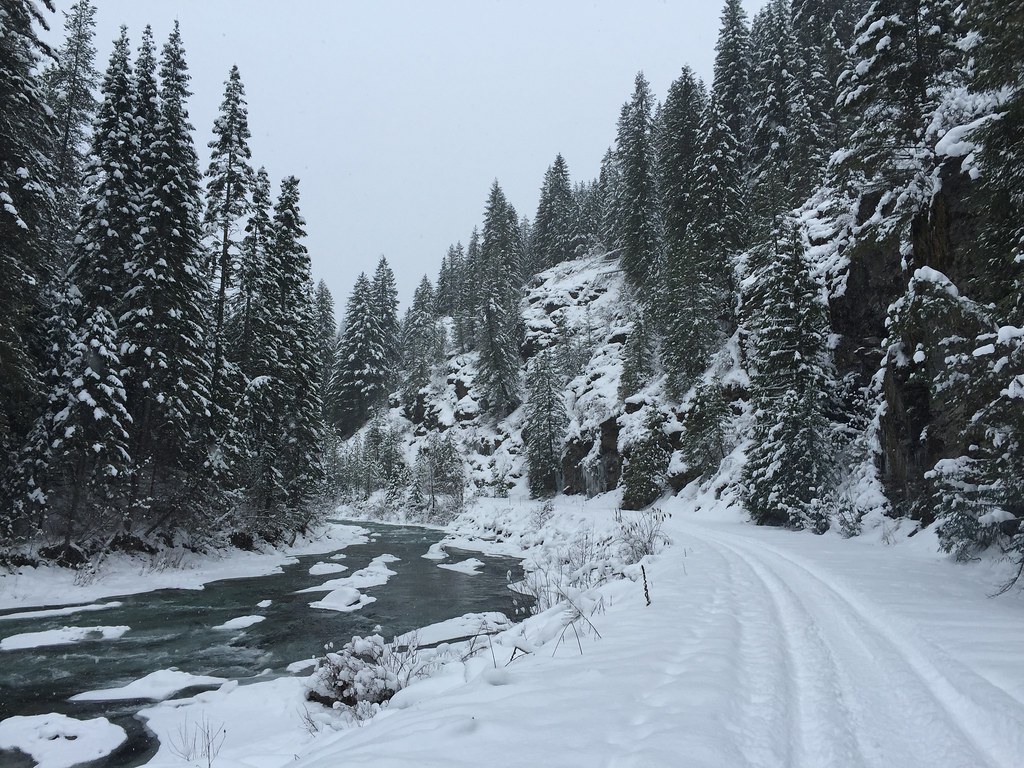
Saint Joe River
Priest River
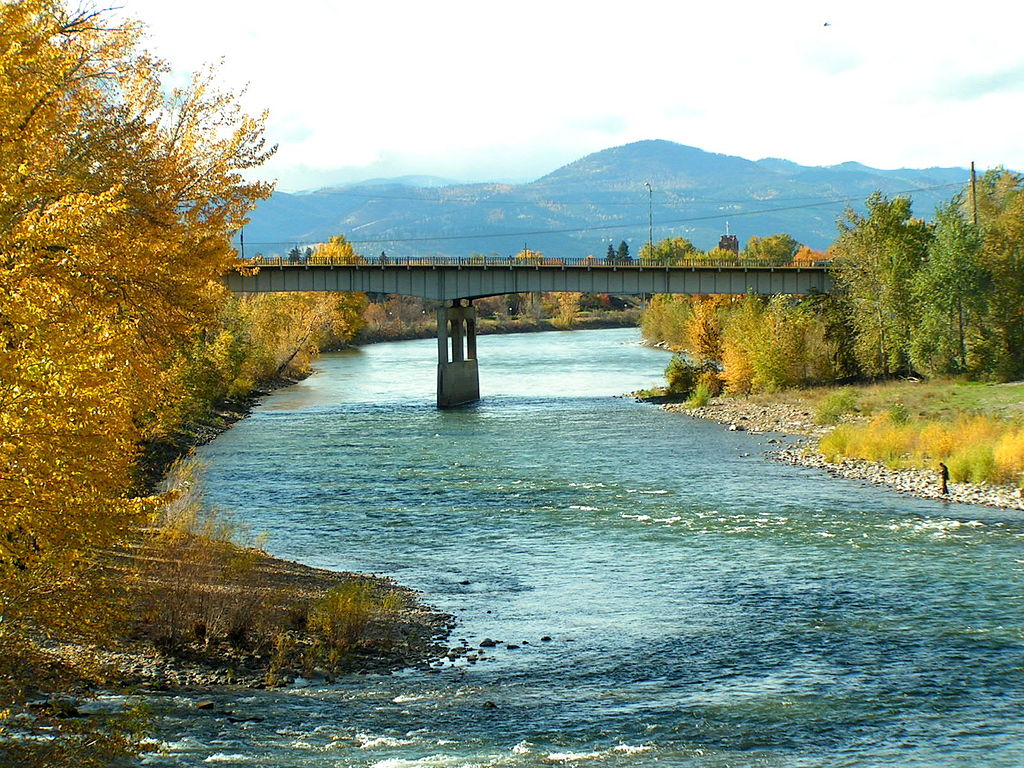
Clark Fork
Lake Hayden
Fernan Lake
Explore near Clark Fork
Access points
Nearby waters
More in Idaho
Smarter Paddling Starts in the App.
PaddleWays gives you everything you need to plan smarter, paddle better, and own every trip from first launch to takeout.