Owyhee River boater registration
Wild and Scenic sections
Self-issue permit · All boaters · Required year-round
Every party launching on the Owyhee must register at the launch site and carry the permit.
Checked Nov 4, 2026 with BLM Boise District
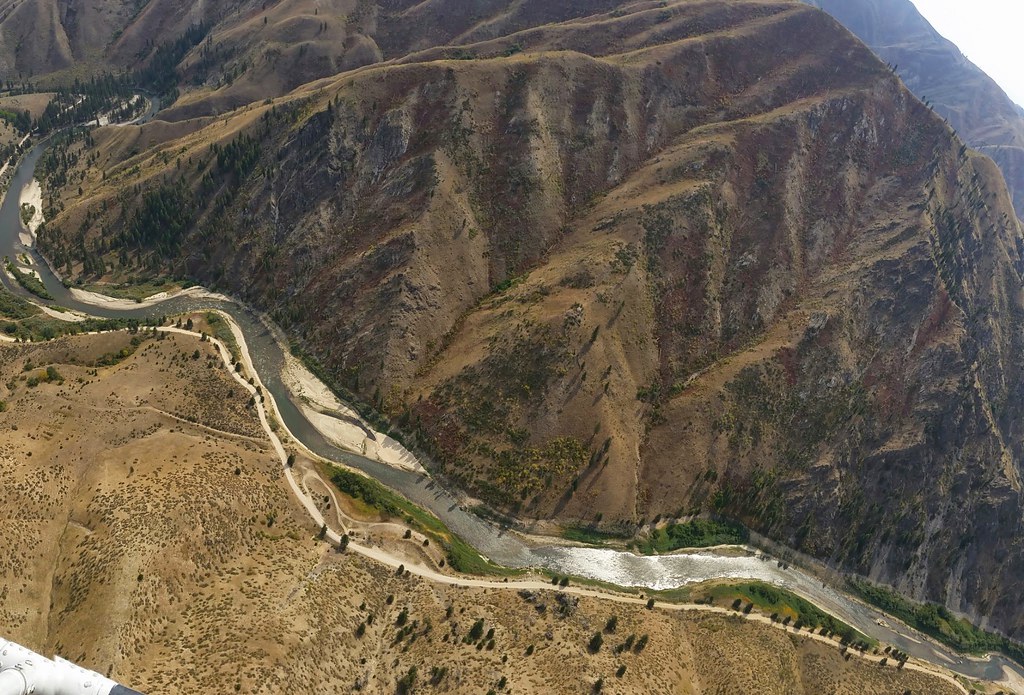
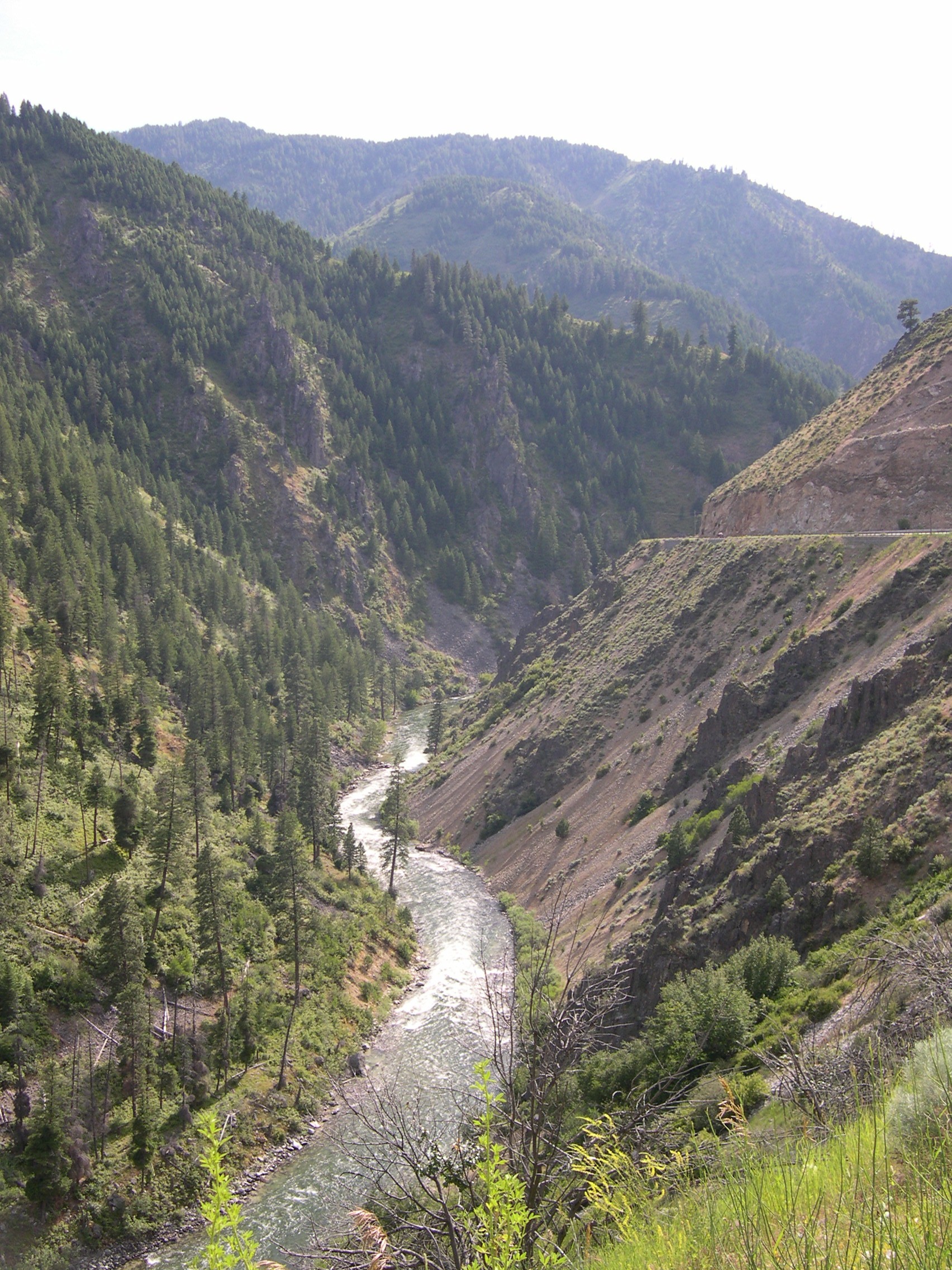
The Owyhee River is a remarkable and remote waterway that carves its way through the high desert landscapes of southeastern Oregon, southwestern Idaho, and northern Nevada. Known for its stunning canyons, diverse wildlife, and challenging whitewater, the Owyhee offers one of the most isolated and adventurous river experiences in the lower 48 states.
The river system consists of several main sections, each with its own character. The East Fork and South Fork of the Owyhee converge to form the main stem, which then flows northward to join the Snake River. The Upper Owyhee, including these forks, provides an extremely remote and challenging wilderness experience, suitable only for expert paddlers and well-prepared expeditions.
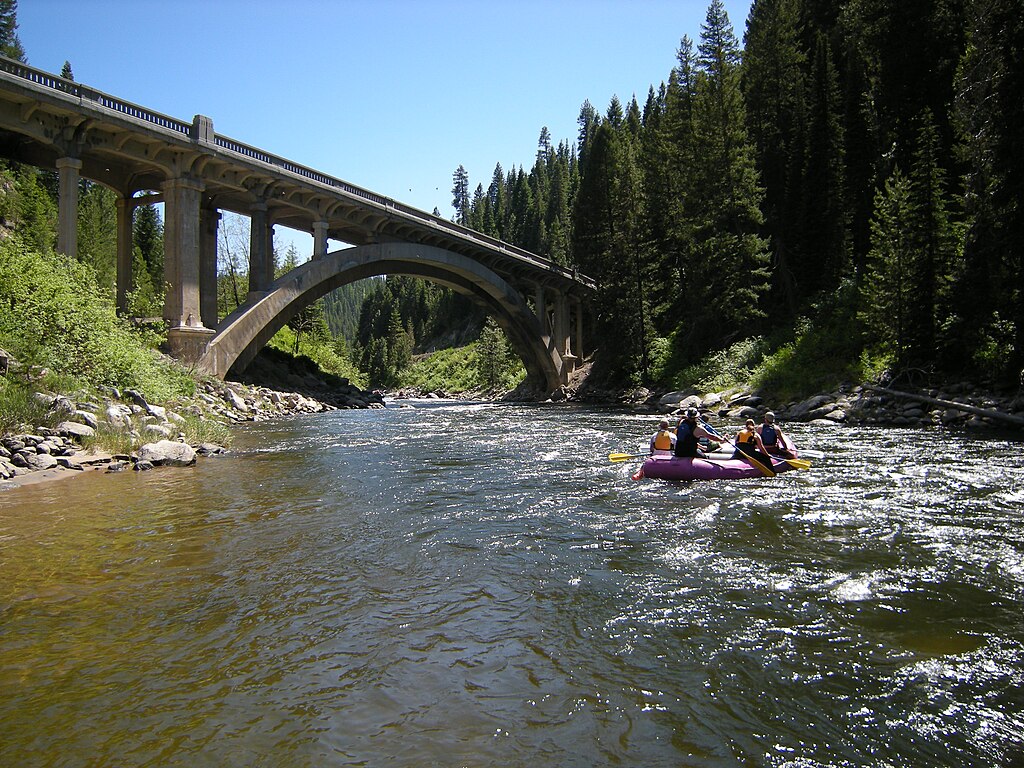
The Middle Owyhee, from Three Forks to Rome, offers exciting Class III-IV+ whitewater through dramatic canyons. The Lower Owyhee, from Rome to Birch Creek or Leslie Gulch, is more accessible and popular, featuring Class II-III rapids and spectacular scenery.
Overall, the Owyhee's difficulty ranges from Class II to V+, with different sections catering to various skill levels. The Lower Owyhee is suitable for intermediate paddlers and adventurous beginners, while the Upper and Middle sections demand advanced whitewater skills and wilderness experience.
The prime paddling season on the Owyhee is typically short, usually peaking in spring (April to early June) when snowmelt provides adequate water levels. This timing coincides with optimal weather conditions before the intense summer heat sets in. However, water levels can be unpredictable, and the paddling window may shift or shrink in low snowpack years.
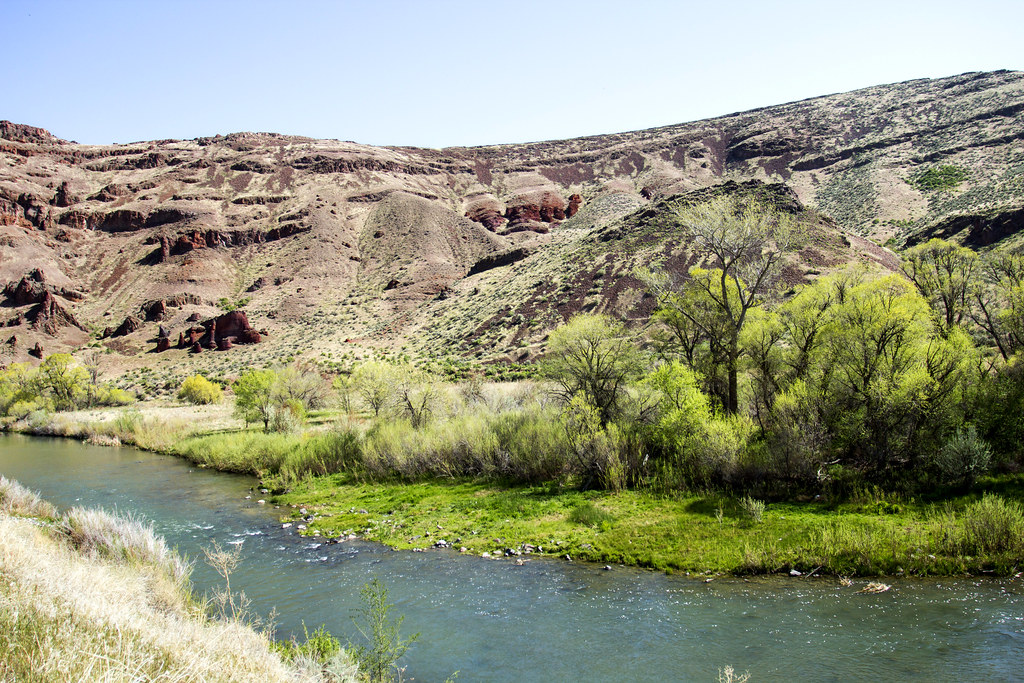
The Owyhee ecosystem is a unique blend of high desert flora and fauna. Paddlers might spot bighorn sheep, river otters, golden eagles, and a variety of waterfowl. The river corridor is lined with sagebrush, juniper, and occasional cottonwood groves, while spring wildflowers can create stunning displays in wet years.
Notable landmarks along the river include the sheer rhyolite and basalt canyon walls, some towering 1,000 feet above the water. The Weeping Wall, a series of springs emerging from the canyon face, is a highlight on the Lower Owyhee. Unique geological formations known as "hoodoos" are particularly prominent in the South Fork canyons.
Access to the Owyhee is limited, contributing to its wilderness character. Rome, Oregon serves as the primary put-in for Lower Owyhee trips, while Three Forks is a key transition point between the upper and middle sections. The towns of Jordan Valley, Oregon and Owyhee, Nevada can serve as base camps for river expeditions.
Historically, the Owyhee River basin was home to Northern Paiute and Shoshone peoples. The river was named after three Hawaiian trappers who disappeared in the area while working for the Northwest Fur Company in 1819. Today, much of the river system is protected under the Wild and Scenic Rivers Act, preserving its natural and cultural values.
Safety is paramount on the Owyhee due to its remoteness and variable conditions. Paddlers should be self-sufficient, carry appropriate safety gear, and be prepared for limited communication options. Permits are required for overnight trips, and regulations are in place to protect the fragile desert environment.
Multi-day trips are the norm on the Owyhee, with options ranging from 3-5 days on the Lower section to 8-10 days for more extensive journeys combining multiple sections. A full descent of the East Fork to the Lower Owyhee can span over 200 miles and take up to two weeks, offering one of the longest continuous river trips in the contiguous United States.
The Owyhee River remains one of the West's premier wilderness paddling destinations, offering a perfect blend of scenic beauty, challenging whitewater, and profound solitude for those willing to venture into its remote canyons.
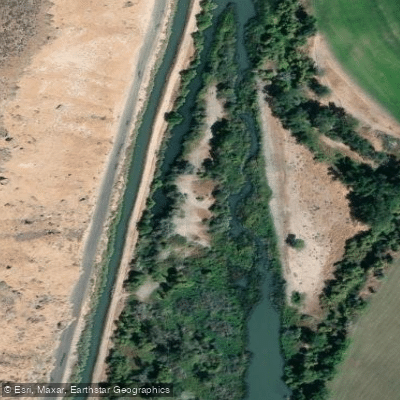
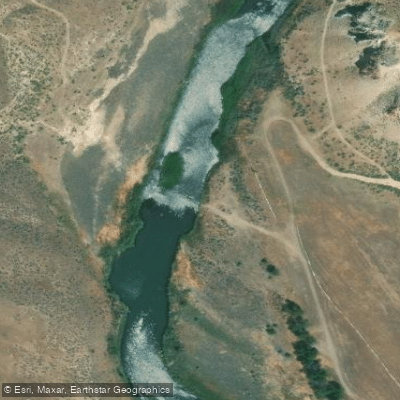
Learn how to get on Owyhee River. Uncover great paddling access points, boat ramps, and all the facilities you need for an unforgettable day on the water. Some locations shown may border or include private property. Always check property boundaries and applicable regulations before visiting. PaddleWays's Public & Private Land layer can help you plan your access with confidence.
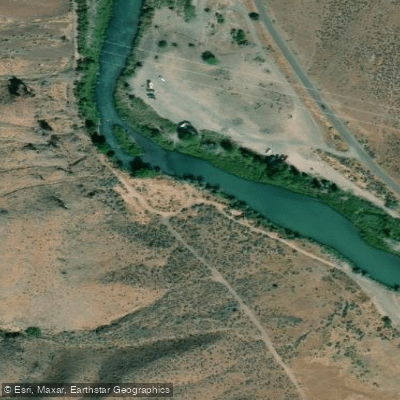
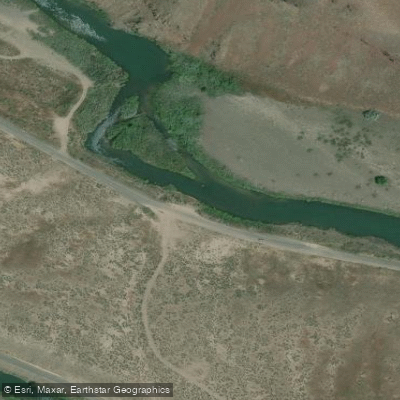
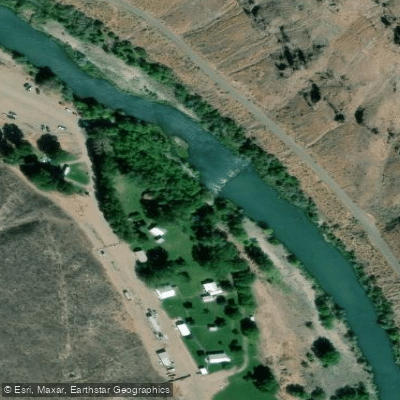
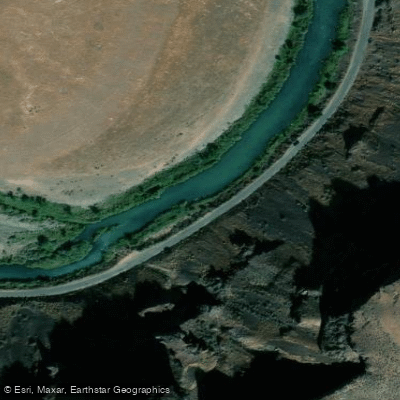
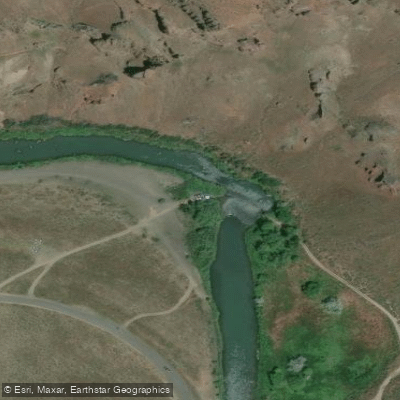
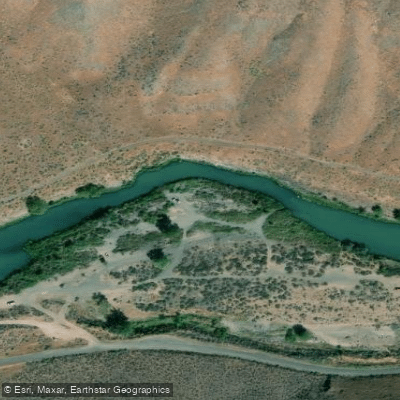
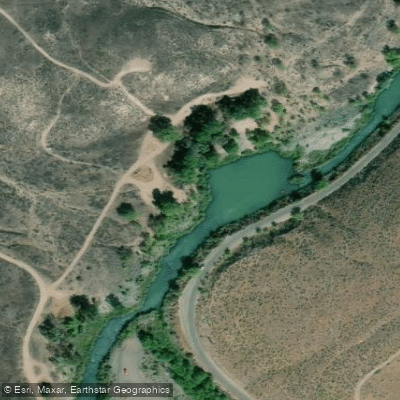
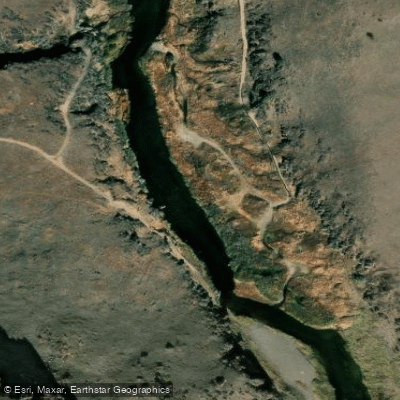
Whether you're en route and conditions shift or you're looking for the best spot based on current flows, we enable you to make informed decisions on the fly.



What you need to float or boat Owyhee River, and when to apply.
Wild and Scenic sections
Self-issue permit · All boaters · Required year-round
Every party launching on the Owyhee must register at the launch site and carry the permit.
Checked Nov 4, 2026 with BLM Boise District
When using any type of watercraft to access a body of water, it is important to follow all federal, state, and local rules and regulations. These rules and regulations include boat permitting and licensing, invasive species inspections and stamps, life jacket and PFD rules, motor size and horsepower restrictions, noise limitations, restrictions on personal watercraft, and many more. Visit the web link below for the most current rules and regulations for this body of water.
When using any type of watercraft to access a body of water, it is important to follow all federal, state, and local rules and regulations. These rules and regulations include boat permitting and licensing, invasive species inspections and stamps, life jacket and PFD rules, motor size and horsepower restrictions, noise limitations, restrictions on personal watercraft, and many more. Visit the web link below for the most current rules and regulations for this body of water.
"To fish in Idaho any person 14 years of age or older must have a valid fishing license. Anglers younger than 14 do not need a license, but there is a small difference between resident and nonresident youth. -A resident child under 14 has their own separate fishing limit. -A nonresident child under 14 must be with someone who has a valid fishing license and their fish are in included in the license holders fishing limit. However, a nonresident child may purchase their own license and have their own limit. Special fishing permits are need for some activities for both residents and nonresidents: -Fishing for salmon and steelhead -Fishing with two poles."
This river has a variety of species and regulations, including potential floating and/or watercraft restrictions. Because this river is specially managed for species, seasons, angling methods, and watercraft, it is strongly encouraged you check all federal, state, and local regulations before fishing. Visit any of the links below, inquire locally, or contact a local fly shop to learn current regulations and restrictions.
Navigable streams are recognized as public transportation corridors, thus members of the public have the right to use the corridor, provided they enter and exit the corridor at a public right of way and remain within the corridor. Many navigable streams flow through private property, thus it is important that anglers know their rights and responsibilities when fishing in navigable waters that flow through private property.
Every user gets free access to launch points, boat ramps, and public property parcels.
See the best times to paddle Owyhee River and check the forecast before you go.
All Flow Stations
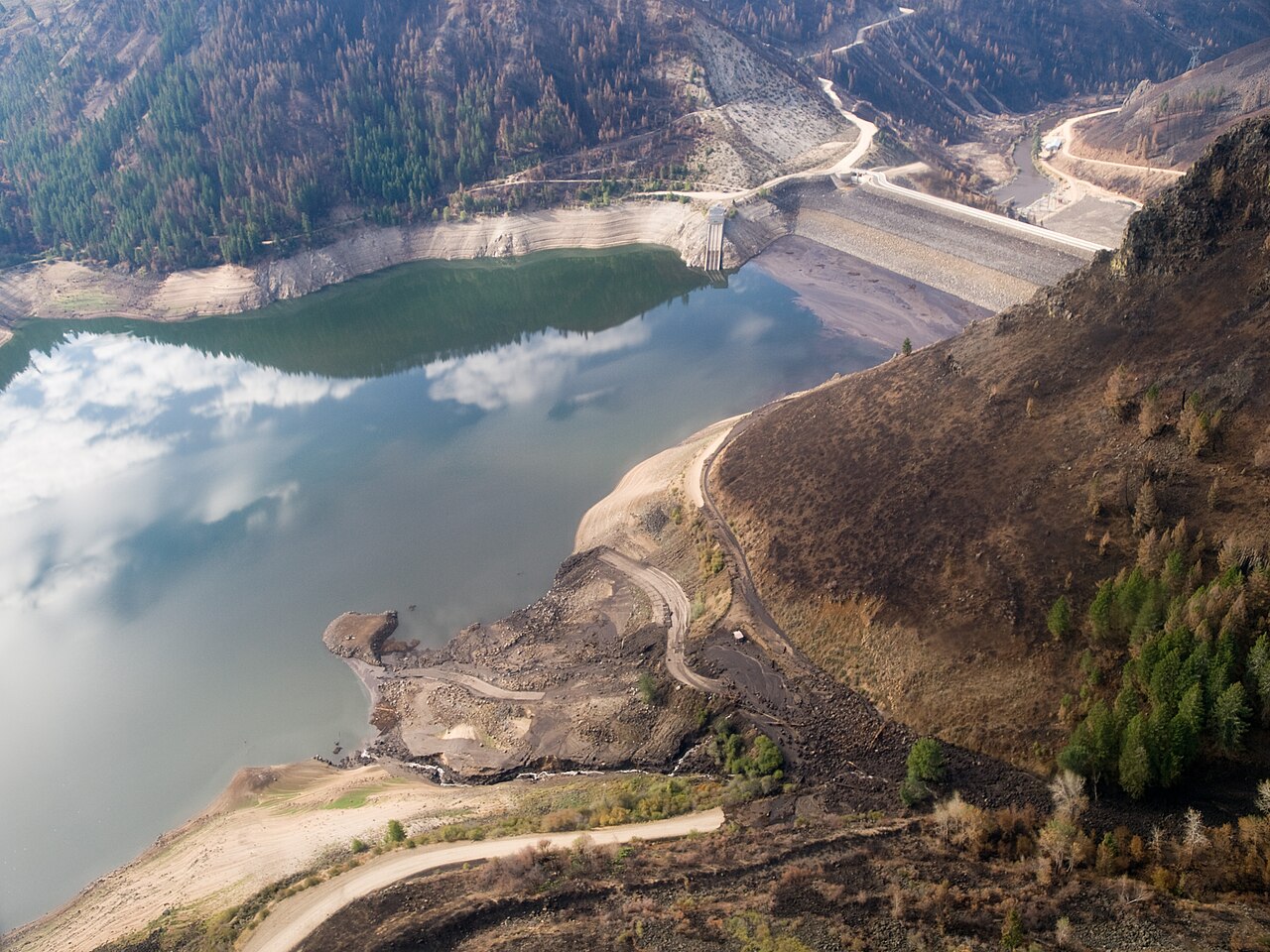
Scheduled releases and generation forecasts from the dams on Owyhee River.
Owyhee River · Below Owyhee Dam · National Weather Service
28 cfs now
Forecast updated today at 2:36 PM MST. Schedules can change, so check the operator's page before you go.
Owyhee River · Below Wild Horse Dam · National Weather Service
10 cfs now
Forecast updated today at 1:36 PM PST. Schedules can change, so check the operator's page before you go.
Loading popular cities...
Paddleways gives you everything you need to plan smarter, paddle better, and own every trip from first launch to takeout.