Saint Regis River
- River
- River
- River length
- 40.4 mi
- Public shoreline
- 78%
- Boat Ramps
- 0
The Saint Regis River is a notable tributary of the Clark Fork River, originating in the Bitterroot Mountains of northern Idaho and flowing eastward into Montana. This river system stretches approximately 60 miles, draining a watershed that encompasses parts of the Idaho Panhandle National Forests and Lolo National Forest. For paddlers, the Saint Regis offers a range of experiences, from calm flatwater sections to challenging whitewater.
The most popular whitewater run is the Alberton Gorge, located just west of Missoula. This 12-mile section features Class III-IV rapids, providing an exhilarating journey through a scenic canyon. Upstream, the stretch from St. Regis to Quinn's Hot Springs Resort offers a more moderate Class II experience, suitable for intermediate paddlers and rafters. The river's difficulty varies seasonally, with peak flows typically occurring in late spring during snowmelt. Late summer and early fall provide ideal conditions for most paddlers, balancing sufficient water levels with manageable currents. Winter paddling is possible but requires advanced skills and cold-water gear.
The Saint Regis corridor supports a diverse ecosystem, including populations of westslope cutthroat trout, bull trout, and mountain whitefish. Riparian areas host stands of ponderosa pine, Douglas fir, and western red cedar, while wildlife such as elk, moose, and bald eagles frequent the river valley.
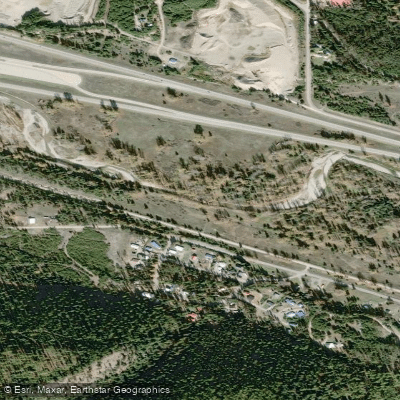
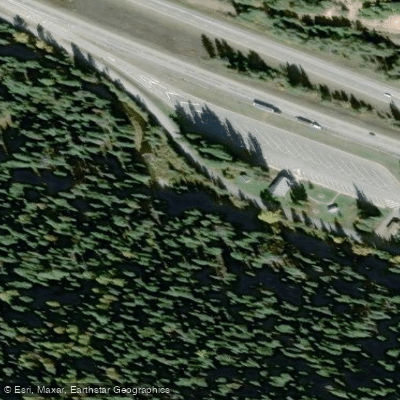
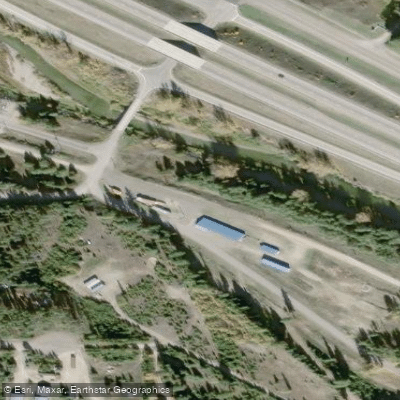
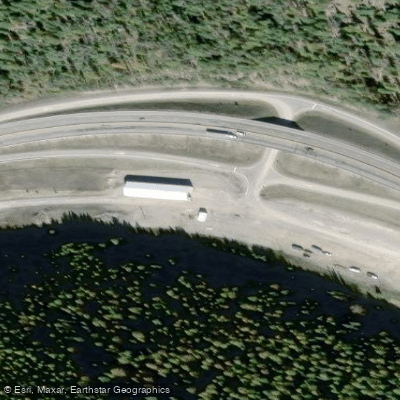
Key access points include the town of St. Regis, where a fishing access site serves as a popular put-in, and Tarkio, which offers a take-out for the Alberton Gorge run. The small community of Paradise provides an intermediate access point for longer trips.
Historically, the Saint Regis River played a role in logging operations and early transportation routes. Today, it's valued for its recreational opportunities and as a critical habitat for native fish species. Safety considerations include swift currents, cold water temperatures, and remote stretches with limited cell phone coverage. Paddlers should be aware of potential logjams and always wear appropriate safety gear. Commercial outfitters offer guided trips for those seeking a safer introduction to the river's challenges.
For multi-day adventures, paddlers can combine the Saint Regis with sections of the Clark Fork River, creating extended trips that showcase the diverse landscapes of western Montana. Camping is available at designated sites along the river, allowing for immersive wilderness experiences. The Saint Regis River represents a quintessential Montana waterway, offering a blend of accessible recreation and pristine natural beauty that continues to draw paddlers and outdoor enthusiasts from across the region.
Hazards
Hazards on Saint Regis River
No hazards are marked on Saint Regis River yet. That is not the same as none being there: if you find one, report it for the next paddler.
From the community
Saint Regis River trip reports
Nobody has shared a trip on Saint Regis River yet. Paddle it, then tell the next paddler how it went.
Water access & public shoreline
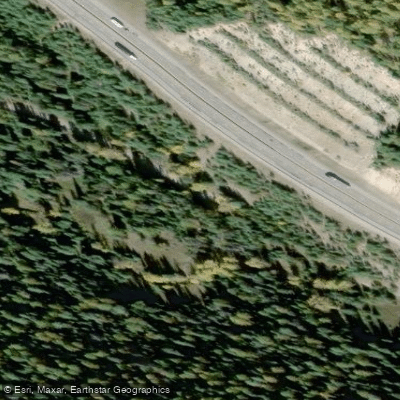
See exactly where the public can get on and off the river. Launch points and boat ramps are paired with PaddleWays' public land data so you know where you can legally land.
Public shoreline
78%of the river's shoreline is public
- Public
- 78%
- Private
- 22%
Largest public stretches
- Lolo National Forest
Flows & paddling conditions (10 day forecast)
Flows and weather, so you know what to expect on Saint Regis River today.
St. Regis River near St. Regis, MT
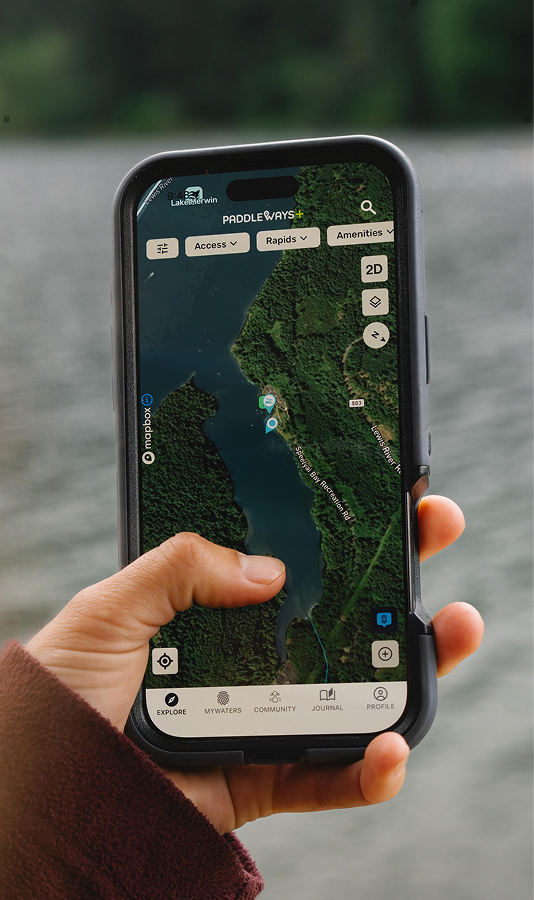
Paddle smarter with real-time insights
Live flows, marked hazards and fresh trip reports from paddlers who were just on the water, all in one place.

Find Places to Paddle
Over 400,000 Places to Paddle
Every user gets free access to launch points, boat ramps, and public property parcels.
Idaho licenses and regulations
Idaho Boating Regulations
When using any type of watercraft to access a body of water, it is important to follow all federal, state, and local rules and regulations. These rules and regulations include boat permitting and licensing, invasive species inspections and stamps, life jacket and PFD rules, motor size and horsepower restrictions, noise limitations, restrictions on personal watercraft, and many more. Visit the web link below for the most current rules and regulations for this body of water.
Idaho Boating Regulations
When using any type of watercraft to access a body of water, it is important to follow all federal, state, and local rules and regulations. These rules and regulations include boat permitting and licensing, invasive species inspections and stamps, life jacket and PFD rules, motor size and horsepower restrictions, noise limitations, restrictions on personal watercraft, and many more. Visit the web link below for the most current rules and regulations for this body of water.
Idaho Fishing License
"To fish in Idaho any person 14 years of age or older must have a valid fishing license. Anglers younger than 14 do not need a license, but there is a small difference between resident and nonresident youth. -A resident child under 14 has their own separate fishing limit. -A nonresident child under 14 must be with someone who has a valid fishing license and their fish are in included in the license holders fishing limit. However, a nonresident child may purchase their own license and have their own limit. Special fishing permits are need for some activities for both residents and nonresidents: -Fishing for salmon and steelhead -Fishing with two poles."
Idaho Fishing Regulations
This river has a variety of species and regulations, including potential floating and/or watercraft restrictions. Because this river is specially managed for species, seasons, angling methods, and watercraft, it is strongly encouraged you check all federal, state, and local regulations before fishing. Visit any of the links below, inquire locally, or contact a local fly shop to learn current regulations and restrictions.
Idaho Stream Access Laws
Navigable streams are recognized as public transportation corridors, thus members of the public have the right to use the corridor, provided they enter and exit the corridor at a public right of way and remain within the corridor. Many navigable streams flow through private property, thus it is important that anglers know their rights and responsibilities when fishing in navigable waters that flow through private property.
Paddling near Saint Regis River
Coeur d'Alene Lake
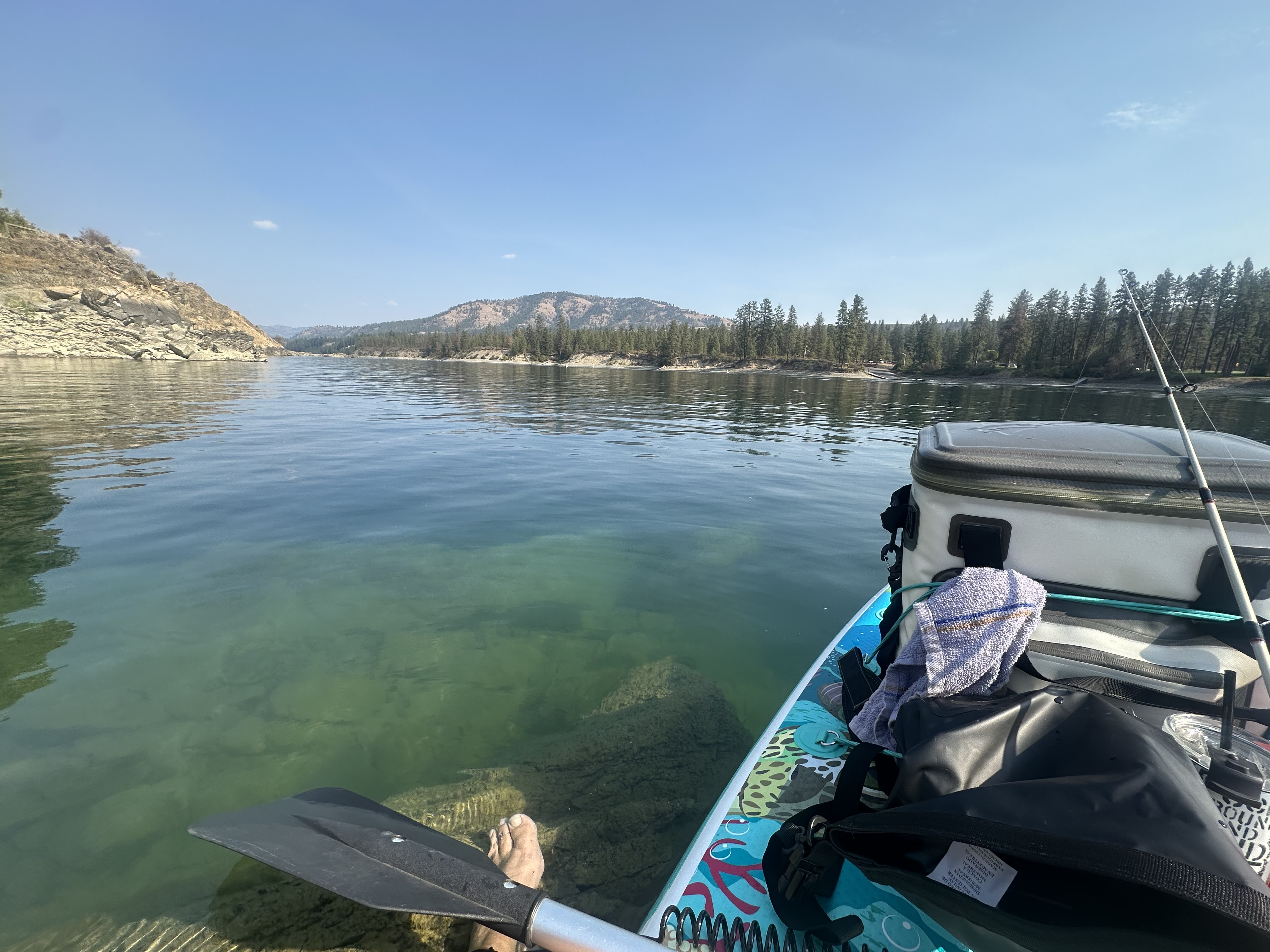
Spokane River
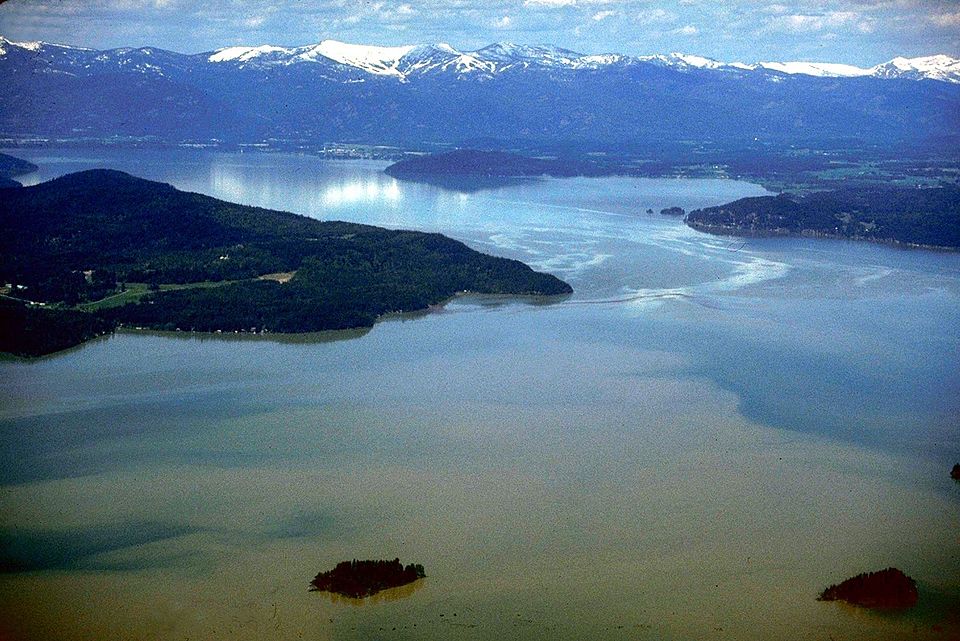
Lake Pend Oreille
Pend Oreille River
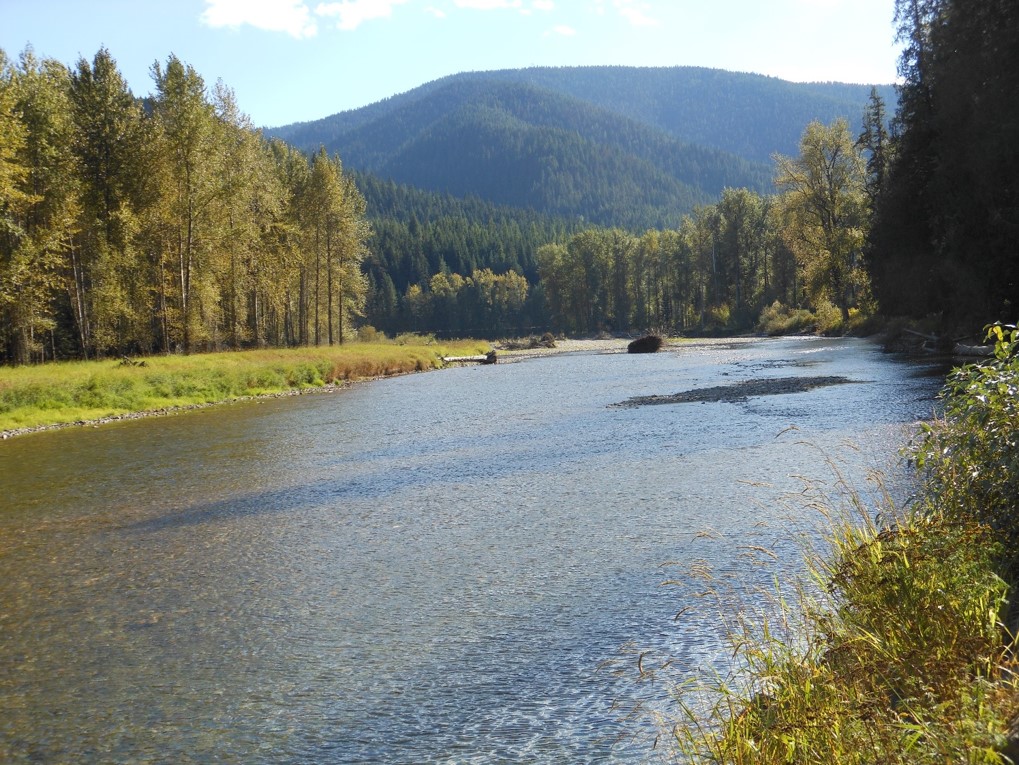
Coeur d'Alene River
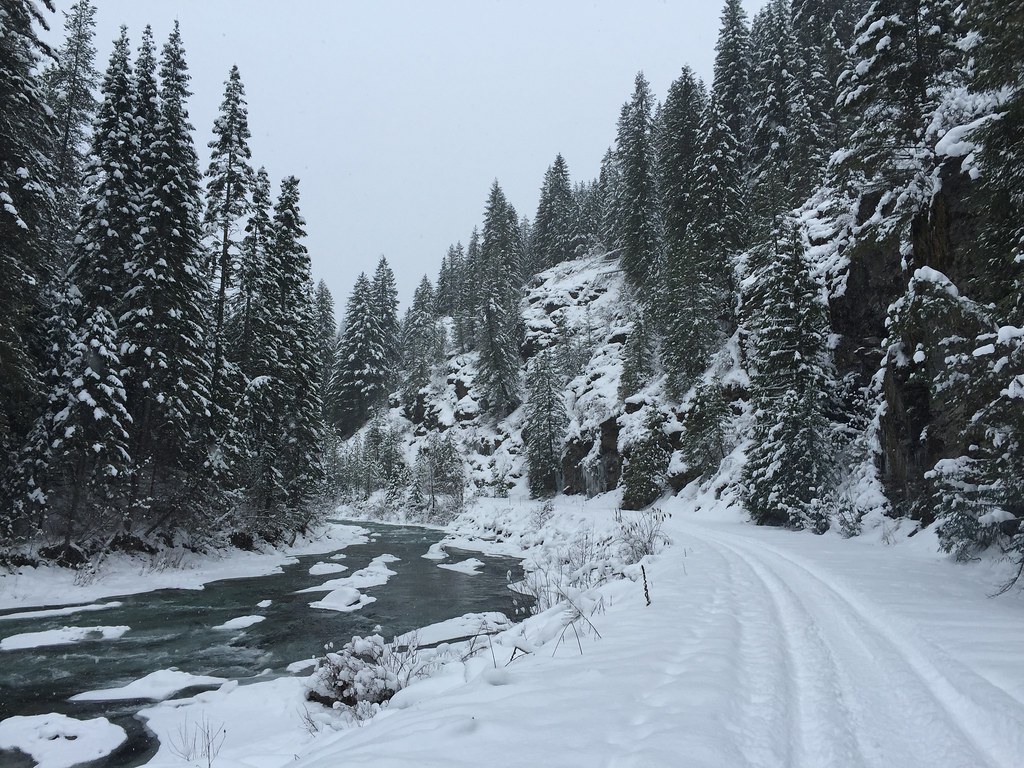
Saint Joe River
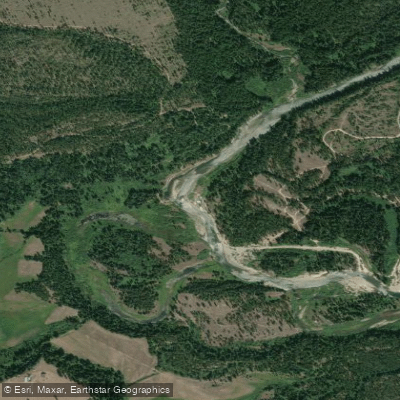
Priest River
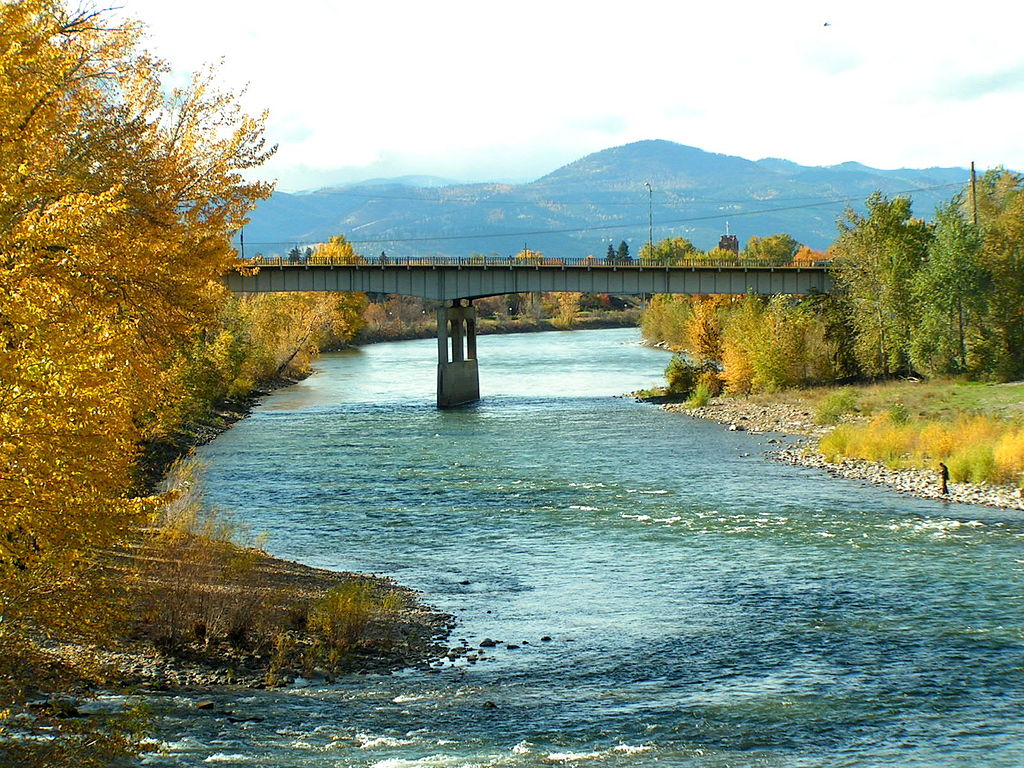
Clark Fork
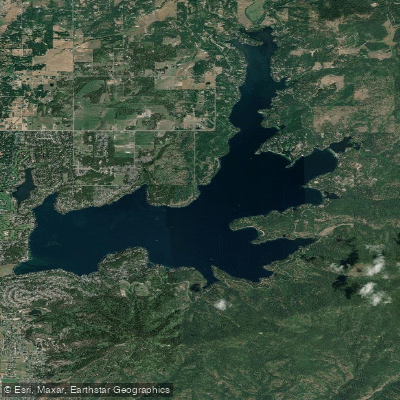
Lake Hayden
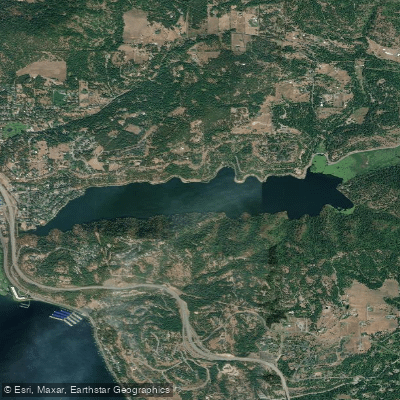
Fernan Lake
Explore near Saint Regis River
Access points
- Hanaker Rest Stop Access
- Old Milwaukee Grade road Access
- Hanaker Creek/Norpac Road Access
- Highway Falls Road Access
- St. Regis Rvr-int Ramp Bridge
- St. Regis River Bridge
- St. Regis River Bridge
- St. Regis River Bridge
- St. Regis River Bridge
- St Regis River Bridge
- St Regis River Bridge
- St. Regis River Bridge
- All 89 spots
Nearby waters
More in Idaho
Smarter Paddling Starts in the App.
PaddleWays gives you everything you need to plan smarter, paddle better, and own every trip from first launch to takeout.