Paddling in Neuquén
- Lakes
- 378
- Rivers
- 1,196
- Access
- 0
- Boat Ramps
- 10
- Shops
- 0
Neuquén sits in the northern reaches of Argentine Patagonia, where the Andes shed their snowpack into a network of cold, clear rivers and glacier-fed lakes that stretch east toward the steppe.
The paddling here spans a wide range — calm lake touring in the shadow of Lanín Volcano, technical whitewater on Andean rivers, and long flatwater runs through desert canyon country. It's a serious paddling province, not a resort scene.
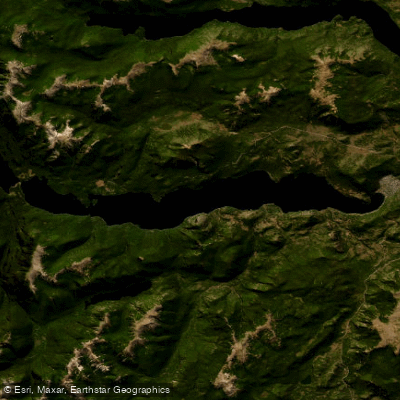
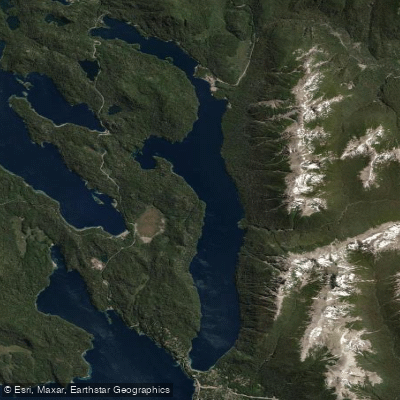
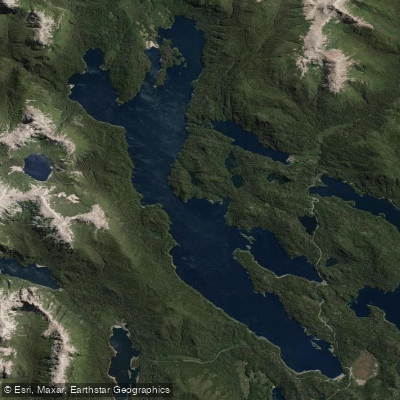
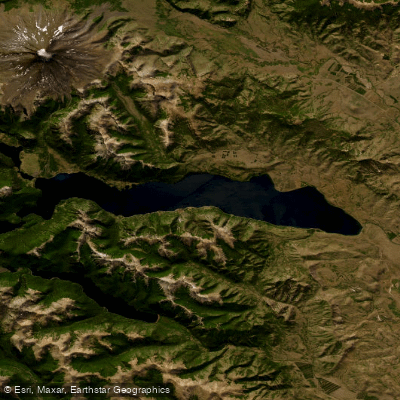
The lakes around San Martín de los Andes and Villa la Angostura anchor the flatwater end of things. Lago Lácar is right at the edge of town — you can practically launch from the waterfront — and it rewards a longer push into the alpine scenery beyond.
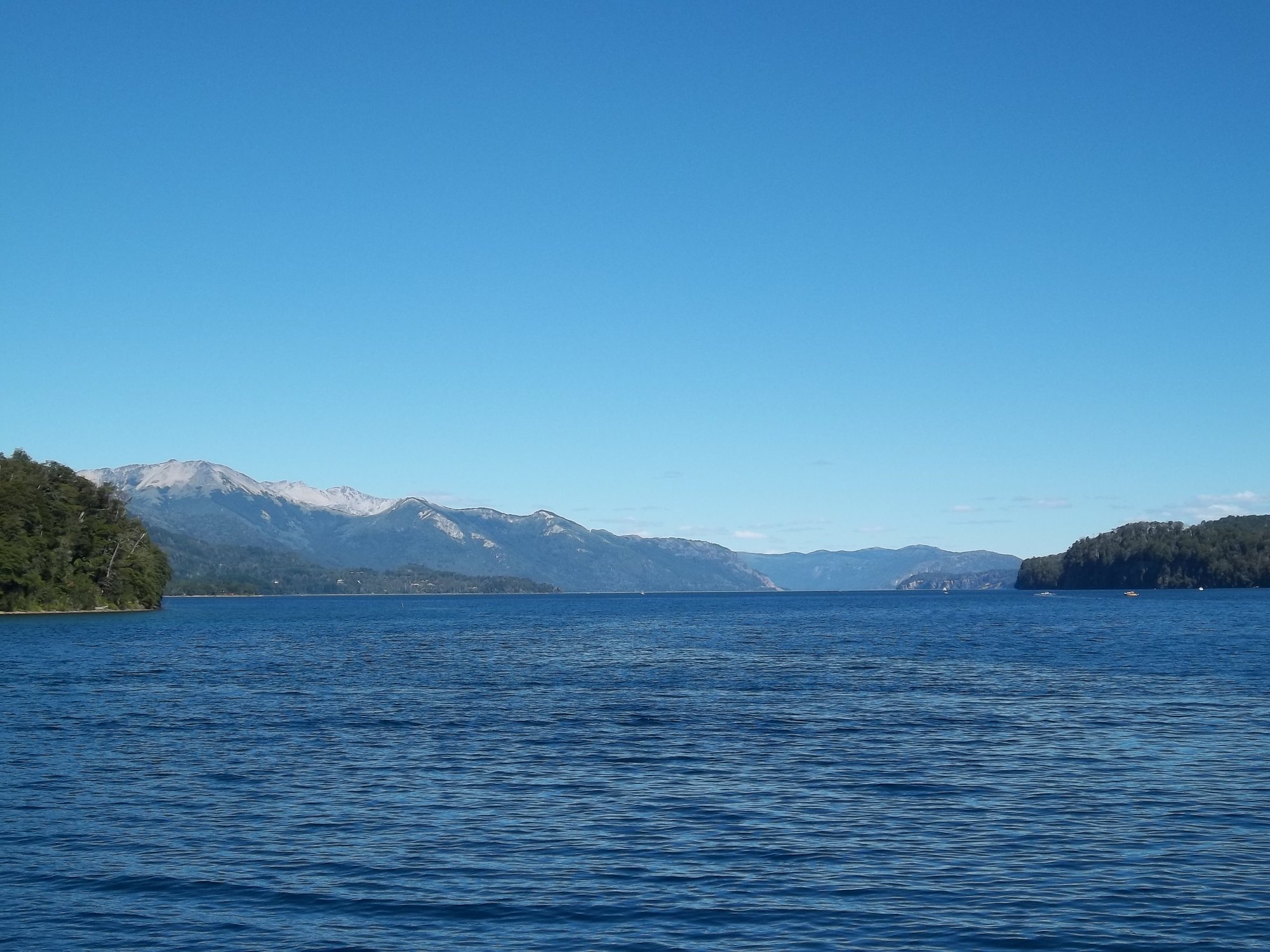
Lago Nahuel Huapi, shared with Río Negro province to the south, is the most paddled of the big lakes; Brazo Tristeza draws kayakers looking for quieter water away from the main body, which can kick up wind.
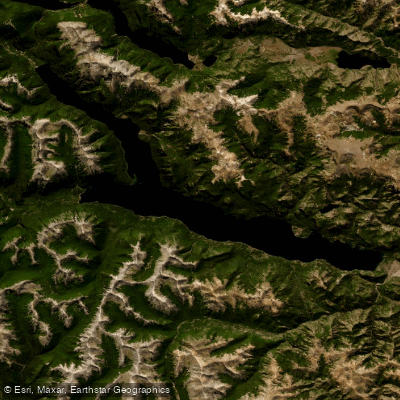
Lago Traful and Lago Correntoso offer more remote exploring within the national park system, where the water runs that deep glacial blue-green that makes you want to stop paddling and just look. The rivers are where Neuquén gets serious.
The Río Chimehuín and Río Malleo drain the Lanín area and are known as much for their fly fishing as their paddling, but the water is real — cold, clear, and moving.
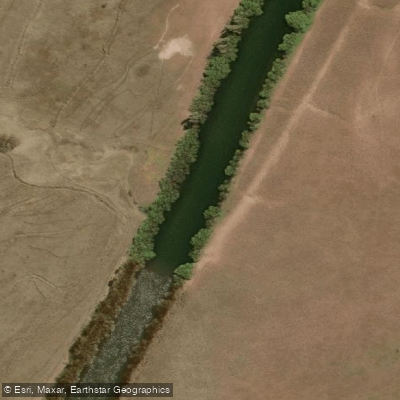
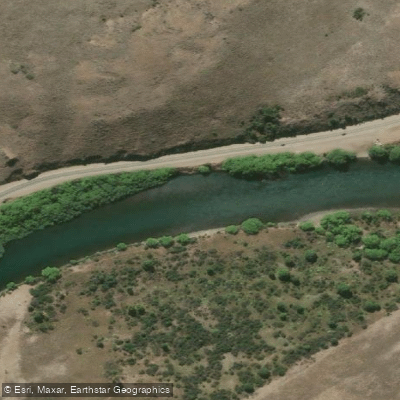
The Río Limay runs northeast out of Lago Nahuel Huapi and offers a more accessible whitewater experience; one documented run covers 24 kilometres through Plottier and under the Las Perlas bridge to the city of Neuquén in around five hours.
The Río Aluminé runs Class II to IV depending on section, giving intermediate paddlers a genuine whitewater day without committing to an expedition.
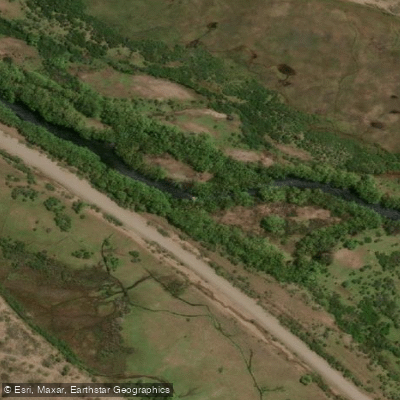
For those who want the full commitment, the Río Neuquén begins near Lago Vavarco at around 1,200 metres elevation and builds through Class III–IV rapids before easing into a long desert canyon stretch — a multi-day wilderness run that feels genuinely remote.
The paddling season runs through the southern summer, roughly November through March, when snowmelt keeps rivers running and the lakes are accessible. Spring flows can be high and pushy; late summer mellows things out.
Wind is a constant variable on the big lakes — morning starts are worth the early alarm. Neuquén rewards paddlers who come prepared to read conditions and make their own calls. The rivers don't wait for you to get comfortable.
Paddle smarter with real-time insights
Whether you're en route and conditions shift or you're looking for the best spot based on current flows, we enable you to make informed decisions on the fly.







Neuquén licenses and regulations
Explore Neuquén waters
Top paddling waters
Popular Cities
Loading popular cities...

Smarter Paddling Starts in the App.
Paddleways gives you everything you need to plan smarter, paddle better, and own every trip from first launch to takeout.