Paddling in Acre
- Lakes
- 12
- Rivers
- 757
- Access
- 0
- Boat Ramps
- 0
- Shops
- 0
Acre sits in the far western corner of Brazil, landlocked against Peru and Bolivia, and its paddling is defined almost entirely by the Amazon basin's tributary network.
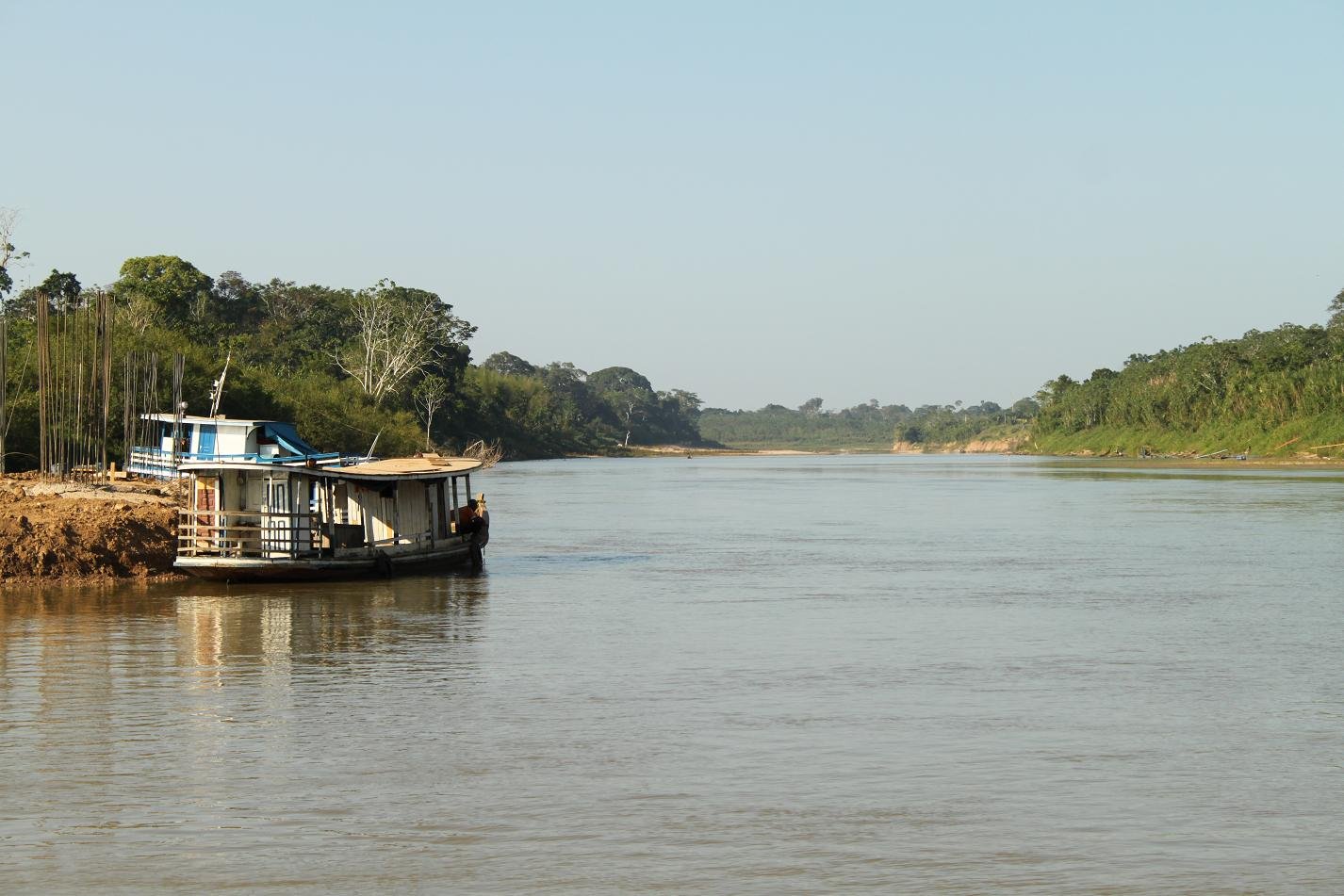
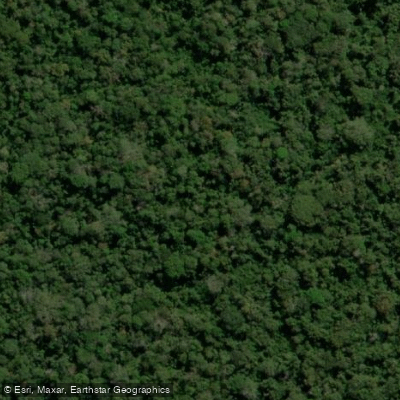
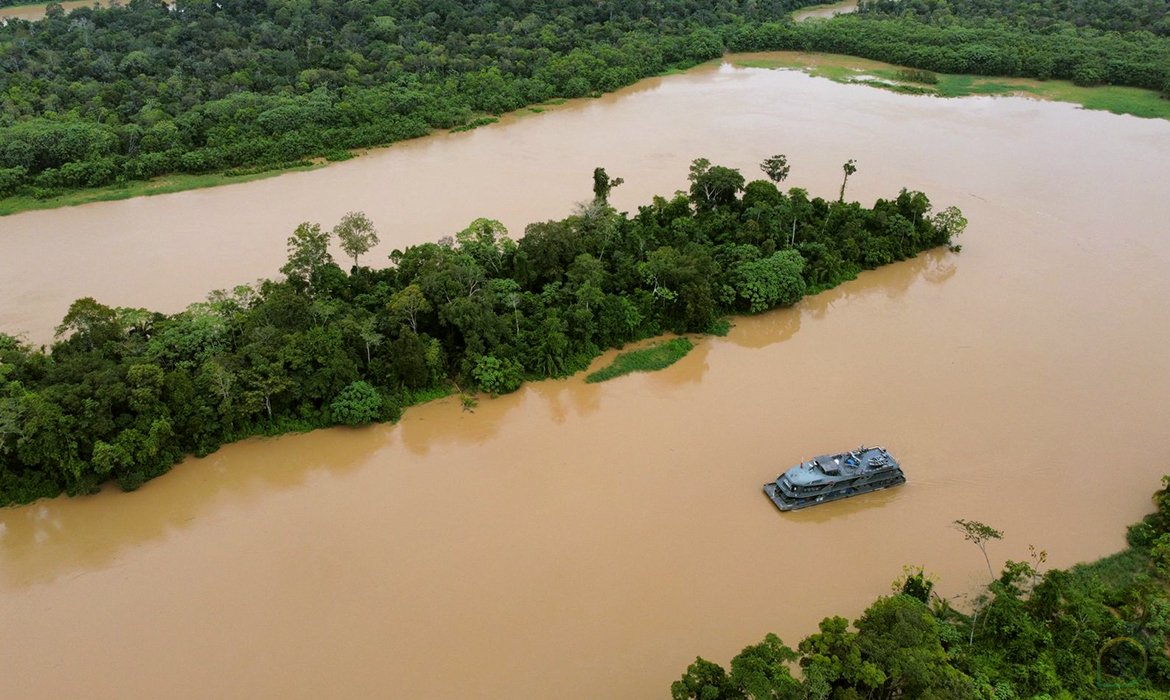
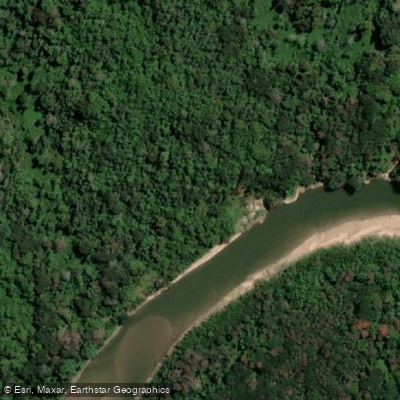
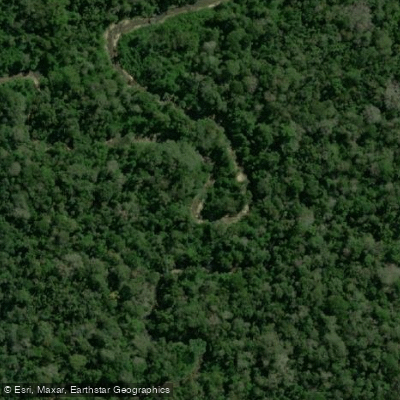
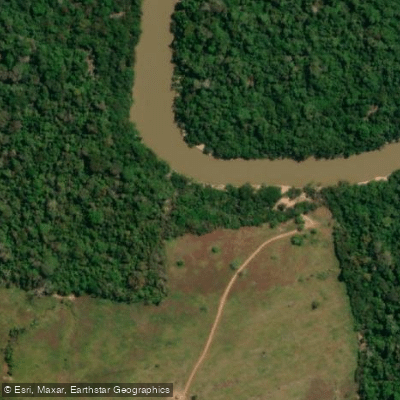
These are lowland jungle rivers — wide, slow, brown with tannins and sediment, flanked by dense rainforest and seasonally flooded várzea. There's no coast, no whitewater to speak of, no alpine gradient.
What you get instead is one of the most intact river wildernesses on the continent, where the water itself is the road.
The Rio Acre is the state's namesake and its most accessible river, threading through the capital Rio Branco before continuing toward the Bolivian and Peruvian borders. It's a practical starting point — not remote, but genuinely Amazonian in character.
The Rio Purus and Rio Juruá are the big systems, both originating in Acre and running northeast into Amazonas; these are serious multi-day rivers, wide and meandering, with the kind of oxbow lakes and flooded forest margins that reward patient paddlers.
The Rio Envira, Rio Jordão, and Rio Iaco drain the southern and western reaches, feeding into the Purus watershed and offering quieter, less-traveled water. Smaller channels matter here.
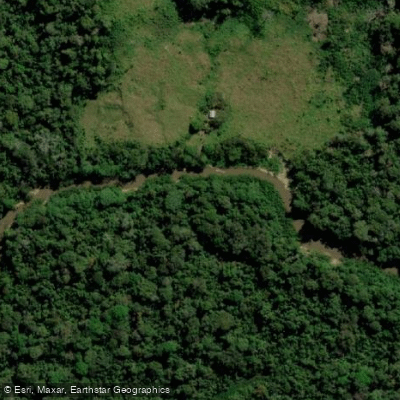
Igarapés — the narrow blackwater creeks that lace through the forest — are where the paddling gets intimate.
Igarapé Preto and Igarapé Riozinho are the kind of water where you're ducking under branches and reading the current through root tangles rather than open bends.
The Rio Xapuri and Rio Ituxi (also known as Iquiri) round out a network that could occupy a paddler for weeks without repeating a stretch.
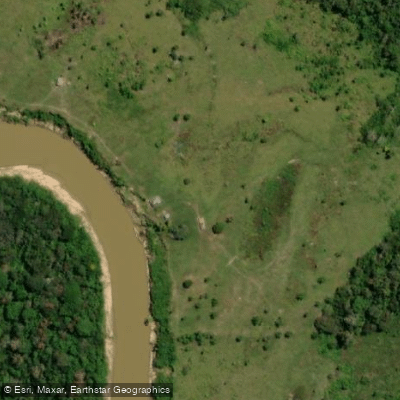
The wet season runs roughly November through April, when rivers rise dramatically and the várzea floods into the forest — paddling distances shrink between landmarks, but the landscape opens up in ways that are hard to describe until you've drifted through a canopy that was dry ground three months earlier.
The dry season, May through October, drops water levels and concentrates wildlife along the banks.
Logistics get harder in the wet, easier in the dry, but neither season is simple: Acre is remote, resupply points are sparse, and river travel here means being genuinely self-sufficient.
This is also Chico Mendes country — the rubber tapper and conservationist was from Xapuri, and the forest these rivers run through is still largely intact because of that legacy. Paddling here carries a weight that goes beyond the sport.
The rivers are healthy because the forest is still standing, and the forest is still standing because people fought for it.
Paddle smarter with real-time insights
Whether you're en route and conditions shift or you're looking for the best spot based on current flows, we enable you to make informed decisions on the fly.







Acre licenses and regulations
Explore Acre waters
Top paddling waters
Popular Cities
Loading popular cities...
Smarter Paddling Starts in the App.
Paddleways gives you everything you need to plan smarter, paddle better, and own every trip from first launch to takeout.