Paddling in Nova Scotia
- Lakes
- 6,197
- Rivers
- 3,621
- Access
- 232
- Boat Ramps
- 446
- Shops
- 0
Nova Scotia is a peninsula almost entirely surrounded by ocean, and that geography shapes everything about paddling here.
The coast is the dominant fact — 13,000 kilometres of it, ragged with coves, islands, sea stacks, and tidal inlets — but the interior holds a quieter network of lakes and rivers that have been canoe routes since long before European contact.
This is a place where you can run a whitewater river in the morning and be reading tides by afternoon. The sea kayaking scene is the most developed, and for good reason.
The South Shore around the LaHave Islands and Blue Rocks, near Lunenburg, gives paddlers sheltered island-hopping through historic fishing communities, with seals and bald eagles as regular company.
The islands themselves buffer the open Atlantic enough that even less experienced paddlers can get genuine coastal mileage without being exposed to full ocean conditions.
Up on the Bay of Fundy side, the calculus changes entirely — Cape Chignecto puts you among dramatic cliffs, arches, and the most extreme tidal range on the planet, and that's a trip that rewards experience and careful timing.
Inland, Kejimkujik National Park anchors the flatwater canoe tradition. The Mersey River runs through it, and multi-day trips here move through the same waterways the Mi'kmaq travelled for generations.
The park's backcountry campsites are accessible only by paddle or foot, which keeps the experience genuinely remote.
Canoe Kayak Nova Scotia is the provincial body that supports access and stewardship across these waters — worth checking in with for current conditions and access information. Whitewater is a smaller but real part of the scene.
Spring is the window — rivers like the Tusket system run well with snowmelt, but by late summer many are too low to bother.
WhitewaterNS maintains a community resource for locations and water levels, which is the practical starting point for anyone chasing moving water here.
The Shubenacadie Canal system near Halifax offers a different kind of paddling history: a 19th-century engineering project that linked the Bay of Fundy to the Atlantic, now a popular flatwater route with rental access at Shubie Park.
The season runs roughly May through October for most outfitters, with spring and early fall offering the best combination of water levels, wildlife, and fewer people.
Nova Scotia paddling rewards the curious — the kind of paddler who wants to know what's around the next headland, or where a portage trail leads, or why a particular cove was important to the people who named it first.

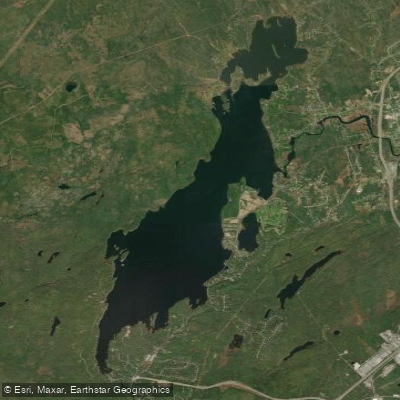
Paddle smarter with real-time insights
Whether you're en route and conditions shift or you're looking for the best spot based on current flows, we enable you to make informed decisions on the fly.







Nova Scotia licenses and regulations
Explore Nova Scotia waters
Top paddling waters
Popular Cities
Loading popular cities...
Smarter Paddling Starts in the App.
Paddleways gives you everything you need to plan smarter, paddle better, and own every trip from first launch to takeout.