Dubawnt River
- Lake
- Lake
- Boat Ramps
- 0
- Access Points
- 0
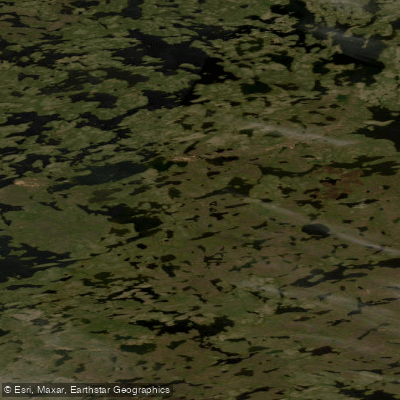
The Dubawnt River is one of Canada's major sub-arctic wilderness rivers, flowing approximately 874 km northeast from a web of lakes in the Northwest Territories through the barrenlands of Nunavut before turning northwest to join the Thelon River at Beverly Lake. The full canoe route from Selwyn Lake to Baker Lake covers roughly 1,160 km and typically takes 35 to 42 days, though some parties complete the river section alone in 23 to 38 days. The river drains through a chain of large lakes, including Dubawnt Lake, which ranks among the largest lakes in the world.
Access is typically by floatplane to Hinde Lake or Selwyn Lake. An alternative start adds four to five days by paddling from Black Lake in Saskatchewan across the Chipman Portage and through a chain of small lakes to Selwyn Lake, then portaging over the height of land to Flett Lake and Wholdaia Lake — the traditional route followed by the Tyrrell expedition in 1893. The route ends at Baker Lake, an Inuit hamlet where Calm Air and Canadian North operate scheduled flights to Winnipeg and Rankin Inlet. Baker Lake Lodge can store canoes and arrange southward shipment via cargo barge. Paddlers should budget extra days in Baker Lake for weather delays.
The upper river is calm, with no rapids until the exit from Hinde Lake. Rapids vary widely in character: some sections are straightforward fast water, while a 110 km stretch of Class I to Class II water after Shults Lake is described as sustained and exhilarating downhill paddling. Many stretches require solid whitewater skills, including constant ferrying across the river as the clear line shifts. The most dramatic and dangerous feature is the Dubawnt Gates — two monolithic rock formations rising roughly 25 m from the water, flanking a constriction with enormous hydraulics, including 2 m holes that actively recirculate. Scouting is mandatory; the conservative approach is a 50 m portage across the point. The cliffs rise 45 m on the right side. The route involves approximately four portages in total.
The surrounding landscape is open tundra and barrenlands, with wind a persistent and significant hazard, particularly on the large lakes. The 180 km of open-water paddling from Beverly Lake through Aberdeen and Schultz Lakes to Baker Lake is especially prone to severe wind delays that can pin parties down for days. Wildlife in the region includes muskox, caribou, grizzly bears, and arctic foxes. The river sees very few parties — on average roughly one crew per year completes the full Dubawnt/Thelon route. Solid whitewater skills, extensive wilderness camping experience, and sound judgment in remote conditions are all considered prerequisites; this route is not appropriate as a first north-of-treeline trip.
Hazards
Hazards on Dubawnt River
No hazards are marked on Dubawnt River yet. That is not the same as none being there: if you find one, report it for the next paddler.
From the community
Dubawnt River trip reports
Nobody has shared a trip on Dubawnt River yet. Paddle it, then tell the next paddler how it went.
Paddling conditions (10 day forecast)
Weather and wind, so you know what to expect on Dubawnt River today.
No forecast data available.
Paddle smarter with real-time insights
Live flows, marked hazards and fresh trip reports from paddlers who were just on the water, all in one place.







Find Places to Paddle

Over 400,000 Places to Paddle
Every user gets free access to launch points, boat ramps, and public property parcels.


Nt licenses and regulations
No licenses or regulations available for Nt.
Paddling near Dubawnt River
Explore Canada waters
Top paddling waters
No waters available right now.
Explore near Dubawnt River
Nearby waters
More in Nt

Smarter Paddling Starts in the App.
PaddleWays gives you everything you need to plan smarter, paddle better, and own every trip from first launch to takeout.