Paddling in Lake District National Park
- National Park
- Lakes
- 128
- Rivers
- 866
- Access
- 18
- Boat Ramps
- 1
- Shops
- 0
The Lake District holds some of England's most varied paddling water — long ribbon lakes running between fells, rivers draining off high ground into the valleys, and everything in between.
The park sits in Cumbria in the northwest of England, and the water here is cold year-round, even when the weather turns warm. Windermere anchors the paddling.
It is England's largest lake, and as a public navigation it is open to paddlers without a separate permit — though any managed waterway in the UK may require a licence, available through the local authority or via a Paddle UK membership.
The lake is busy with other watercraft, and in autumn and winter higher water levels make conditions more demanding. Blue-green algae blooms have been a recurring issue on Windermere; check current water quality before you go.
Hire is available seasonally, roughly April through October, at several points around the lake including Fell Foot on the southern shore.
Derwentwater, near Keswick, and Ullswater and Coniston are the other main lakes where equipment hire and guided sessions are available. The rivers add a different character.
The Derwent, the Brathay, the Rothay, the Esk, and others drain the high fells and can carry real volume after rain. These are not flatwater tours — gradient and flow vary with the weather, and Lake District conditions can shift quickly.
The rivers suit paddlers who know how to read moving water and understand what a rise in level means for a run. Weather is the constant variable. The fells generate their own conditions, and a calm morning on the lake can change by afternoon.
Check the Local Weatherline Forecast before launching, not just a general weather app. Water temperature stays cold enough to cause cold water shock even in summer — a fact worth taking seriously whether you are on a lake or a river.
The park's four main lakes — Windermere, Derwentwater, Ullswater, and Coniston — each have their own access points, rules, and character. The park publishes a Lakes Activities Guide that covers what is permitted where.
Access to the rivers requires more homework; check current access arrangements before committing to a put-in. Paddling here rewards preparation. The water is real, the weather is real, and the landscape makes the effort worth it.
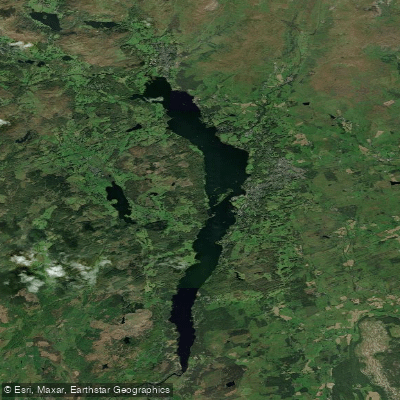
Top waters to paddle near Lake District National Park

Water and weather conditions (10 day forecast)
See the best times to paddle Lake District National Park and check the forecast before you go.
No forecast data available.
Paddle smarter with real-time insights
Whether you're en route and conditions shift or you're looking for the best spot based on current flows, we enable you to make informed decisions on the fly.



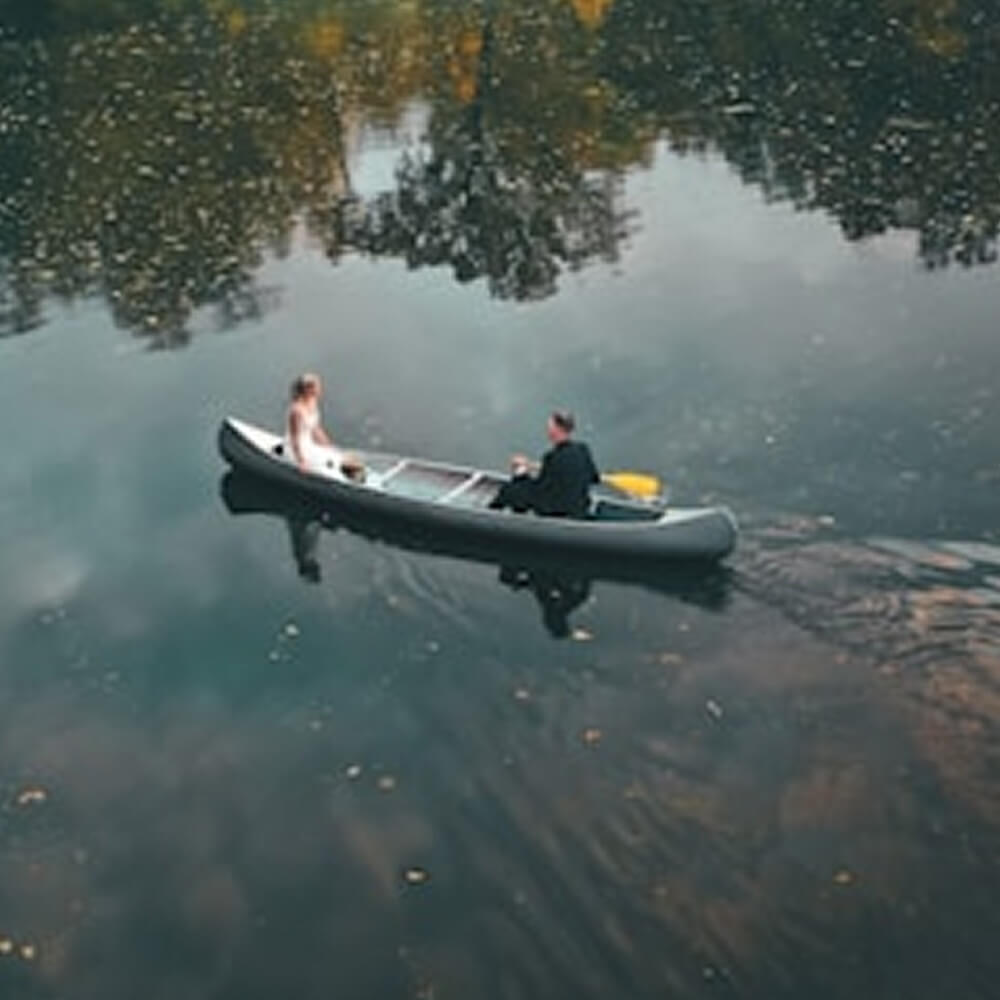
Paddling near Lake District National Park
Loading...
Gateway towns
Where to base yourself for paddling in Lake District National Park.
- AmblesideCumbria
The most central base in the park, with gear shops, guides, hostels, hotels, and easy access to major fells and lakes.
- KeswickCumbria
Main hub for the northern Lakes, offering adventure outfitters, guided walks, and access to Skiddaw and Derwentwater.
- WindermereCumbria
Primary rail gateway into the park, with lodging, boat launches on England's largest lake, and visitor services.
- GrasmereCumbria
Popular village base in the heart of the park, well-placed for fell walks and with a good range of accommodation.
- ConistonCumbria
Southern base for Coniston Water and the Old Man of Coniston, with boat hire and walking guides on hand.
Explore Lake District National Park
Top paddling waters
Popular Cities
Loading popular cities...
Smarter Paddling Starts in the App.
Paddleways gives you everything you need to plan smarter, paddle better, and own every trip from first launch to takeout.