Paddling in Friesland
- Lakes
- 343
- Rivers
- 394
- Access
- 340
- Boat Ramps
- 2
- Shops
- 4
Friesland sits in the northern Netherlands, a flat, water-threaded province where the paddling is almost entirely flatwater — canals, lakes, and slow-moving waterways that connect villages, nature reserves, and open expanses of sky.
There's no gradient to speak of, no current worth measuring in CFS. What drives the experience here is wind, distance, and the particular quiet of a landscape that's been shaped by water for centuries. The lakes are the centerpiece.
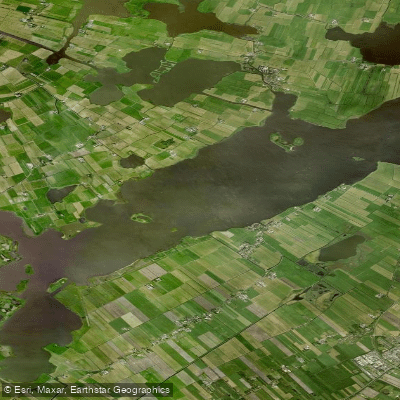
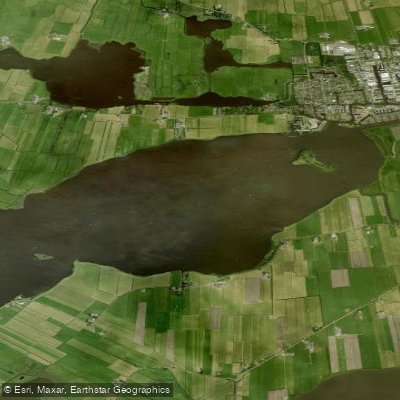
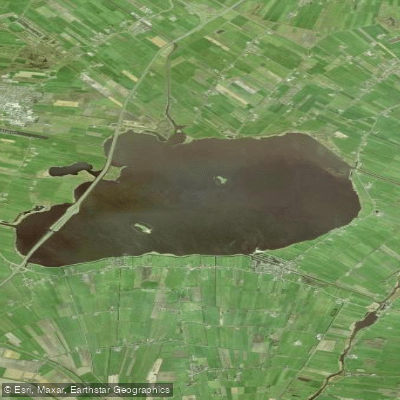
De Fluezen, the Hegemer Mar, the Snitser Mar, and the Tsjûkemar form a cluster of interconnected open water in the southwest that rewards paddlers comfortable reading wind and managing exposure.
These aren't technical waters, but they're not trivial either — a stiff northwest wind can turn a lake crossing into real work.
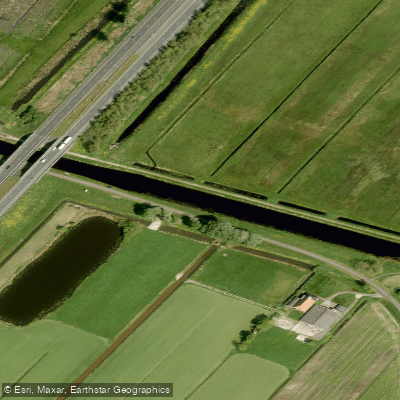
The Dokkumer-Grootdiep and the Houkesloot are a different mood entirely: narrower, sheltered, and lined with reeds and farmland, the kind of channels where you slow down and watch herons.
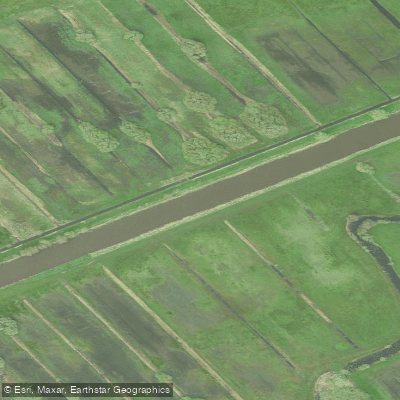
De Alde Feanen National Park is where most visiting paddlers end up, and for good reason. The park's network of small canals and ponds — some barely wider than a canoe — winds through fen landscape thick with waterlilies and marsh birds.
Rental outfitters like Hollema operate here, providing maps and gear for trips ranging from a couple of hours to a full day.
Organized multi-day trips through the park run from early June through mid-September, typically launching Tuesday, Thursday, or Saturday.
The Elfstedentocht route — the famous 200-kilometer eleven-cities skating course — can be paddled by kayak when the ice isn't there, which is most years.
That circuit threads through the canals connecting Leeuwarden, Sneek, IJlst, and the other historic Frisian towns, passing windmills, drawbridges, and working locks.
The Snitser Aldfeart passes through two small locks, so basic lock-handling is worth knowing before you set out. The IJsselmeer and Lauwersmeer sit at opposite ends of the province and represent its biggest open water.
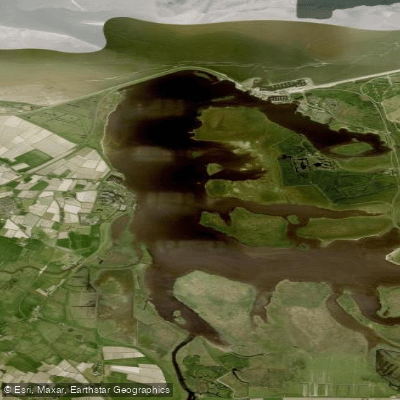
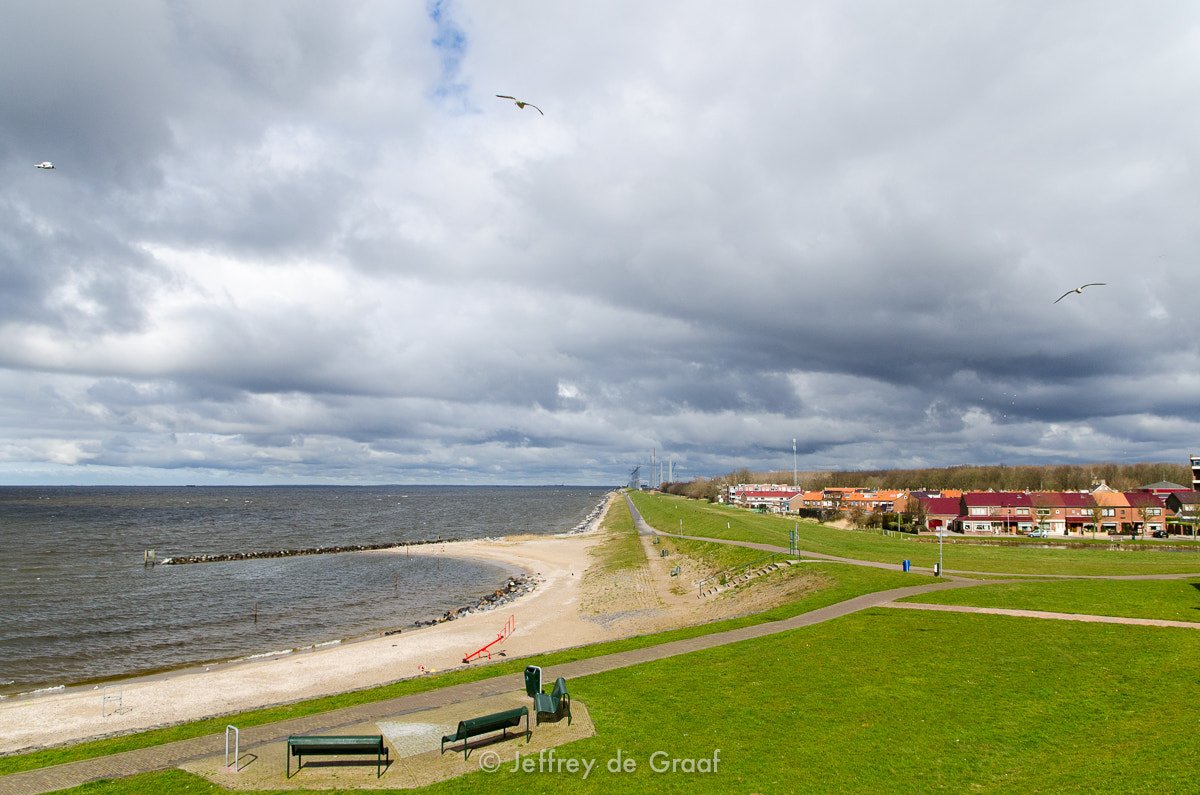
Both are exposed and can build significant chop in wind — the kind of conditions where a sea kayak and solid bracing skills matter. The Lauwersmeer in particular is a protected nature area, and its quiet coves are worth the caution required to reach them.
Summer is the obvious season, but shoulder-season paddling in May or September means fewer boats on the water and cooler, clearer days. Friesland is a place that rewards patience and a low pace. Bring a boat that fits the wind, not just the distance.
Paddle smarter with real-time insights
Whether you're en route and conditions shift or you're looking for the best spot based on current flows, we enable you to make informed decisions on the fly.







Friesland licenses and regulations
Explore Friesland waters
Top paddling waters
Popular Cities
Loading popular cities...
Smarter Paddling Starts in the App.
Paddleways gives you everything you need to plan smarter, paddle better, and own every trip from first launch to takeout.