Paddling in Netherlands
- Lakes
- 2,016
- Rivers
- 3,549
- Access
- 2,012
- Boat Ramps
- 44
- Shops
- 57
The Netherlands is a flatwater country. Nearly every kilometre of it has been shaped by water management — polders, drainage channels, canals connecting medieval city centres, and wide tidal estuaries opening onto the North Sea.
There are no mountains, no rapids to speak of, and the rivers that do flow through the country — the Waal, the Maas, the Rhine, the IJssel — carry serious commercial shipping traffic that demands real caution from paddlers.
What the country lacks in gradient it makes up for in sheer density of navigable water. Canal touring is the dominant scene.
Utrecht is the standout city for it: the Oude Gracht runs through the old centre with its distinctive double-level wharves, where lower docks give direct water access and cafes line the waterfront below street level.
Middelburg, the small capital of Zeeland province, offers a quieter version of the same experience, with folding bridges that rise for passing boats.
Amsterdam gets the name recognition, but paddlers who've done both tend to prefer Utrecht for the access and the lack of tourist boat traffic. For something that feels less urban, the Regge in Overijssel is worth knowing.
It was canalized in the late 19th century, then deliberately restored to its natural course in the early 20th century using old maps as a guide — the result is one of the more genuinely wild-feeling rivers in the country, with abundant wildlife and a pace that suits multi-day canoe camping.
Trips on it typically run around 17 kilometres a day, with portages where needed. Sea kayaking opens up two distinct environments.
The Waddenzee along the north coast holds UNESCO World Heritage status and lends itself to multi-day expeditions through tidal flats and channels.
The Zeeland estuaries in the southwest offer a different character — more sheltered, with scenic day-trip options among the delta islands.
Both areas reward paddlers who understand tidal timing; the Westerschelde in particular carries heavy shipping and is best crossed by ferry rather than paddled directly.
Access across the country is governed by the various regional Water Boards (Waterschappen), each with its own rules. The practical reality is that you can paddle almost anywhere — the restrictions tend to fall on motorized craft rather than canoes and kayaks.
The Roer in Limburg is one exception, requiring permission from Waterschap Limburg and limited to a specific seasonal window; check directly with the relevant waterschap before paddling any waterway you're unsure about, since rules vary and change.
Whitewater exists here only in artificial form. Dutch Water Dreams in Zoetermeer operates the country's only whitewater course, modelled on the Olympic course design, and serves as the national training centre for the Dutch Canoeing Association.
It's a legitimate facility, not a novelty — but it's also the whole whitewater story for the Netherlands. Anyone chasing moving water with gradient will be looking across the border.
What the Netherlands does well is accessible, low-key paddling woven into daily life — a country where the question isn't where you can paddle, but where you can't.
Top waters to paddle near Netherlands
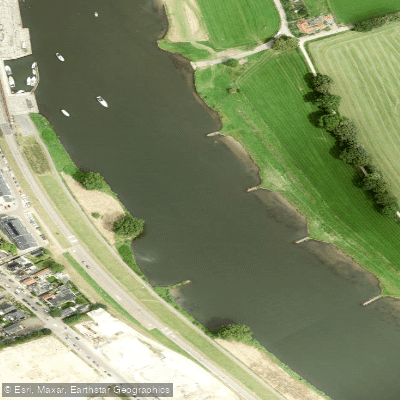
Maas
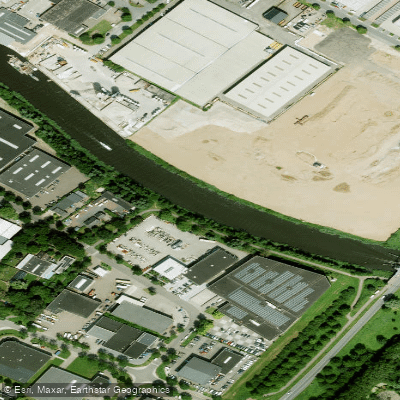
Oude IJssel
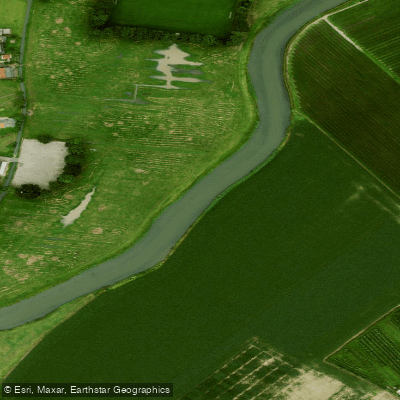
Linge
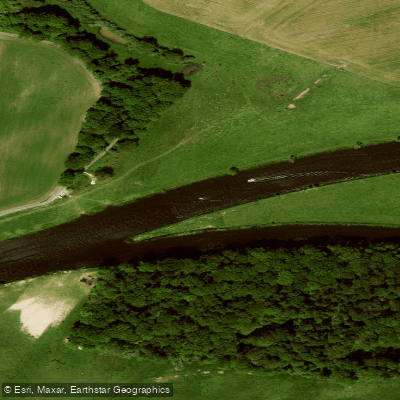
Overijsselse Vecht
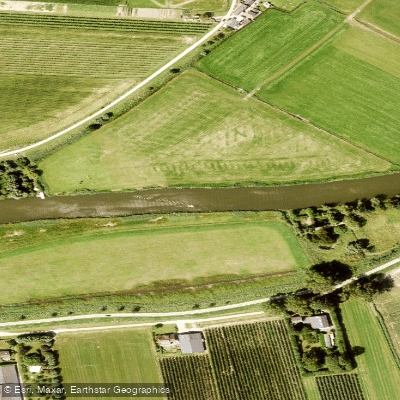
Linge
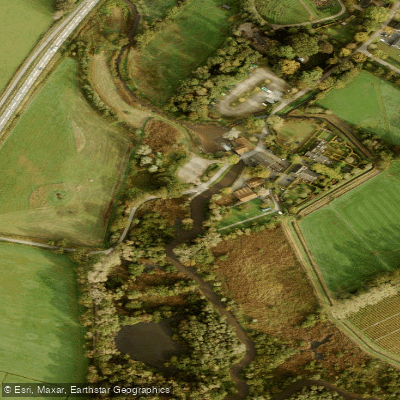
Dommel
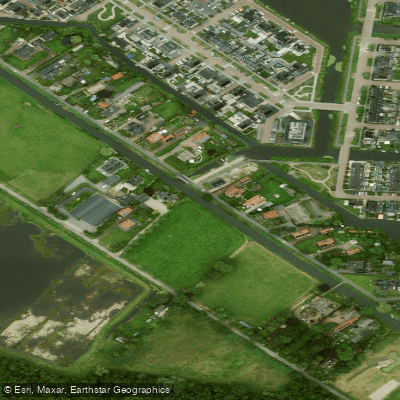
Valleikanaal
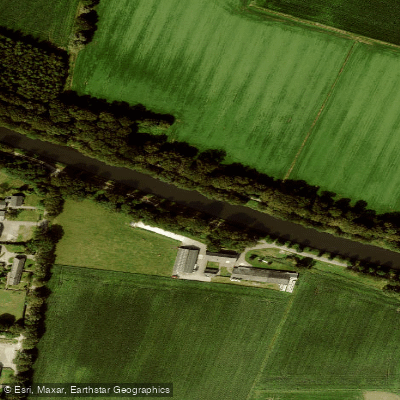
Wilhelminakanaal
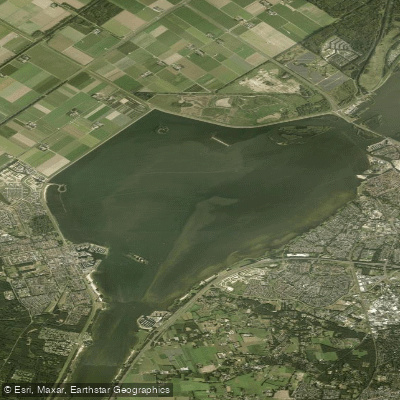
Wolderwijd
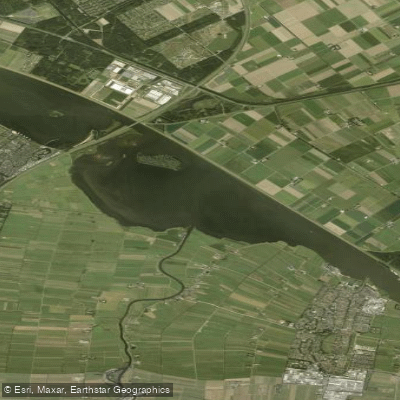
Eemmeer
Paddle smarter with real-time insights
Whether you're en route and conditions shift or you're looking for the best spot based on current flows, we enable you to make informed decisions on the fly.







Explore Netherlands by region
Cities in Netherlands
- Alkmaar, North Holland
- Almelo, Overijssel
- Almere, Flevoland
- Amersfoort, Utrecht
- Amstelveen, North Holland
- Amsterdam, North Holland
- Apeldoorn, Gelderland
- Appingedam, Groningen
- Arnhem, Gelderland
- Assen, Drenthe
- Axel, Zeeland
- Beilen, Drenthe
- Bergen op Zoom, North Brabant
- Biddinghuizen, Flevoland
- Borssele, Zeeland
- Breda, North Brabant
- Brunssum, Limburg
- Coevorden, Drenthe
- Dalfsen, Overijssel
- Delft, South Holland
- Delfzijl, Groningen
- Deventer, Overijssel
- Doetinchem, Gelderland
- Dokkum, Friesland
- Dordrecht, South Holland
- Drachten, Friesland
- Dronten, Flevoland
- Ede, Gelderland
- Eelde, Drenthe
- Eindhoven, North Brabant
- Emmeloord, Flevoland
- Emmen, Drenthe
- Emmer-Compascuum, Drenthe
- Ens, Flevoland
- Enschede, Overijssel
- Franeker, Friesland
- Geleen, Limburg
- Goes, Zeeland
- Gouda, South Holland
- Groningen, Groningen
- Haarlem, North Holland
- Hardenberg, Overijssel
- Harderwijk, Gelderland
- Haren, Groningen
- Harlingen, Friesland
- Heerenveen, Friesland
- Heerlen, Limburg
- Helmond, North Brabant
- Hengelo, Overijssel
- Hilversum, North Holland
- Hoofddorp, North Holland
- Hoogeveen, Drenthe
- Hoogezand, Groningen
- Hoogkerk, Groningen
- Hoorn, North Holland
- IJsselstein, Utrecht
- Joure, Friesland
- Kampen, Overijssel
- Kapelle, Zeeland
- Kerkrade, Limburg
- Klazienaveen, Drenthe
- Leek, Groningen
- Leeuwarden, Friesland
- Leiden, South Holland
- Lelystad, Flevoland
- Lemmer, Friesland
- Leusden, Utrecht
- Maarssen, Utrecht
- Maastricht, Limburg
- Marknesse, Flevoland
- Meppel, Drenthe
- Middelburg, Zeeland
- Nieuwegein, Utrecht
- Nijkerk, Gelderland
- Nijmegen, Gelderland
- Oldenzaal, Overijssel
- Oosterhout, North Brabant
- Oss, North Brabant
- Purmerend, North Holland
- Rijssen, Overijssel
- Roden, Drenthe
- Roermond, Limburg
- Roosendaal, North Brabant
- Rotterdam, South Holland
- s-Hertogenbosch, North Brabant
- Schiedam, South Holland
- Sittard, Limburg
- Sneek, Friesland
- Soest, Utrecht
- Spijkenisse, South Holland
- Stadskanaal, Groningen
- Swifterbant, Flevoland
- Terneuzen, Zeeland
- The Hague, South Holland
- Tholen, Zeeland
- Tiel, Gelderland
- Tilburg, North Brabant
- Urk, Flevoland
- Utrecht, Utrecht
- Veendam, Groningen
- Veenendaal, Utrecht
- Venlo, Limburg
- Venray, Limburg
- Vlaardingen, South Holland
- Vlissingen, Zeeland
- Waalwijk, North Brabant
- Wageningen, Gelderland
- Weert, Limburg
- Winschoten, Groningen
- Woerden, Utrecht
- Wolvega, Friesland
- Yerseke, Zeeland
- Zaandam, North Holland
- Zaanstad, North Holland
- Zeewolde, Flevoland
- Zeist, Utrecht
- Zierikzee, Zeeland
- Zoetermeer, South Holland
- Zutphen, Gelderland
- Zwolle, Overijssel
National parks in Netherlands
Explore Netherlands waters
Top paddling waters
Popular Cities
Loading popular cities...

Smarter Paddling Starts in the App.
Paddleways gives you everything you need to plan smarter, paddle better, and own every trip from first launch to takeout.