Inside Passage
- Saltwater
- Pass
- Coast
- Saltwater
- Pass
- Coast
- Boat Ramps
- 0
- Access Points
- 0
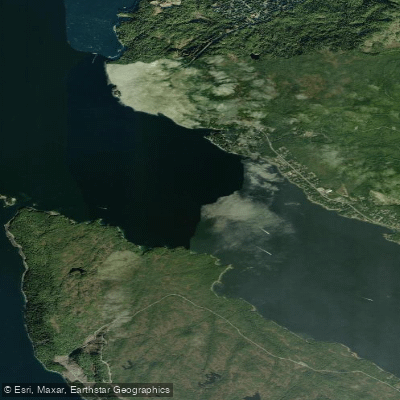
The Inside Passage is a roughly 1,200-mile coastal route stretching from Washington State to Skagway, Alaska, weaving through a labyrinth of islands and narrow channels that provide protection from the open Pacific Ocean. The Alaskan segment of this route, beginning after crossing the Dixon Entrance from British Columbia, is characterized by glacially carved landscapes, impenetrable forests, and remote, roadless wilderness. The water is a saltwater marine environment where tidal currents, not river flows, are the primary hydraulic concern. Key launch and take-out points for multi-month expeditions include Skagway, Juneau, Ketchikan, Petersburg, and Wrangell, with many areas accessible via the Alaska Marine Highway ferry system. For shorter trips, specific access beaches are noted, such as the large black gravel and sand beach at Point Higgins near Ketchikan, which offers easy landing and launching at any tide.
Paddling conditions are dictated by a complex interplay of wind, tide, and exposure. While the route is largely protected from ocean swell, several open-water crossings present significant hazards. Cape Caution involves open ocean and reefs, the Dixon Entrance is a wide open-water passage marking the border with Canada, and Icy Strait is another exposed link. Tidal rapids, particularly near Campbell River, and strong, narrow channels like the Greenville Channel require careful timing and local knowledge. Wind is a major factor, with days often becoming windbound above 25 knots, though local topography can provide lee. Tidal currents heavily influence daily progress and speed, often more so than the prevailing summer winds which are noted to be inconsistent. Paddlers must plan campsites with the rising tide in mind, as sheer cliffs can limit options.
The experience is a profound wilderness expedition requiring extensive self-sufficiency. The season for such trips typically runs from late spring through summer, though northern sections like Alaska can remain cold into May. Water temperatures are frigid, often around 50°F, necessitating immersion gear like drysuits. Wildlife encounters are frequent and include grizzly bears, black bears, wolves, bald eagles, and whales. Campsite selection is critical, focusing on finding flat shorelines with fresh water sources while being vigilant for bear sign. The overall character is one of immense challenge and isolation, offering some of the most scenic and demanding paddling in North America through a pristine but demanding coastal environment.
Hazards
Hazards on Inside Passage
No hazards are marked on Inside Passage yet. That is not the same as none being there: if you find one, report it for the next paddler.
From the community
Inside Passage trip reports
Nobody has shared a trip on Inside Passage yet. Paddle it, then tell the next paddler how it went.
Tides, wind & water conditions (10 day forecast)
On open water, wind and tide matter as much as the weather. See the best times to paddle Inside Passage and check the marine forecast before you launch.
Loading tide predictions…
Paddle smarter with real-time insights
Live flows, marked hazards and fresh trip reports from paddlers who were just on the water, all in one place.







Find Places to Paddle

Over 400,000 Places to Paddle
Every user gets free access to launch points, boat ramps, and public property parcels.


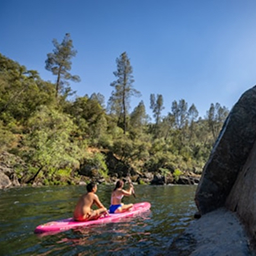
Paddling near Inside Passage
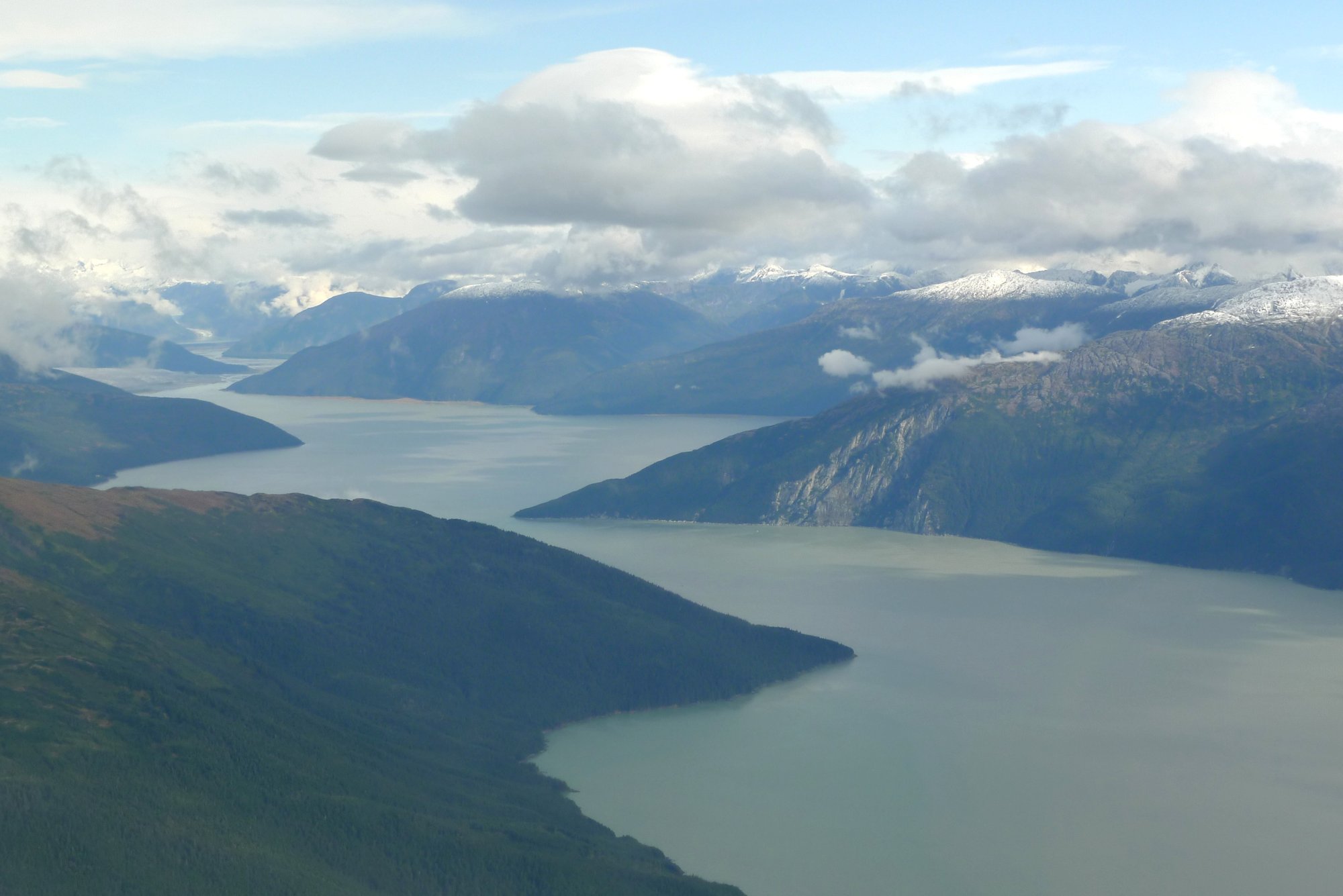
Taku Inlet
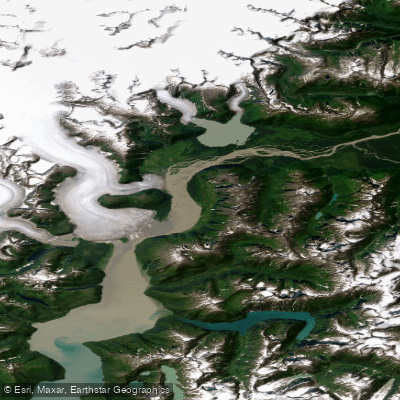
Taku River
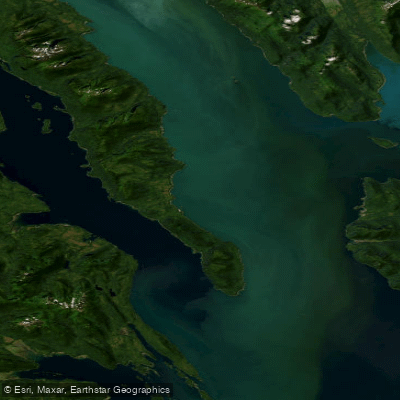
Stephens Passage
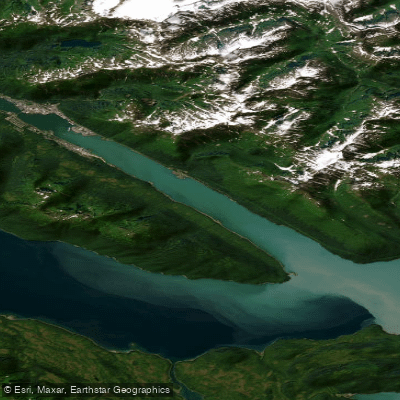
Gastineau Channel
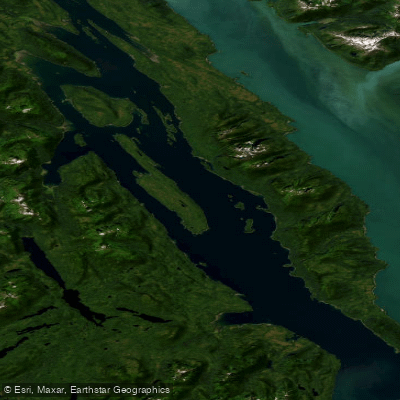
Seymour Canal
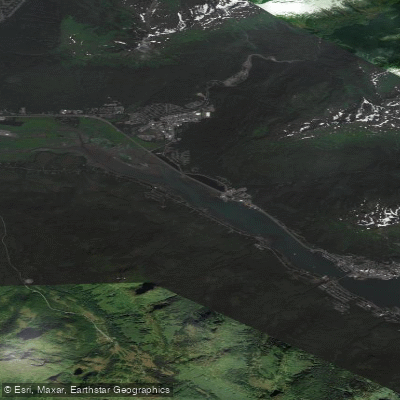
Mendenhall Bar
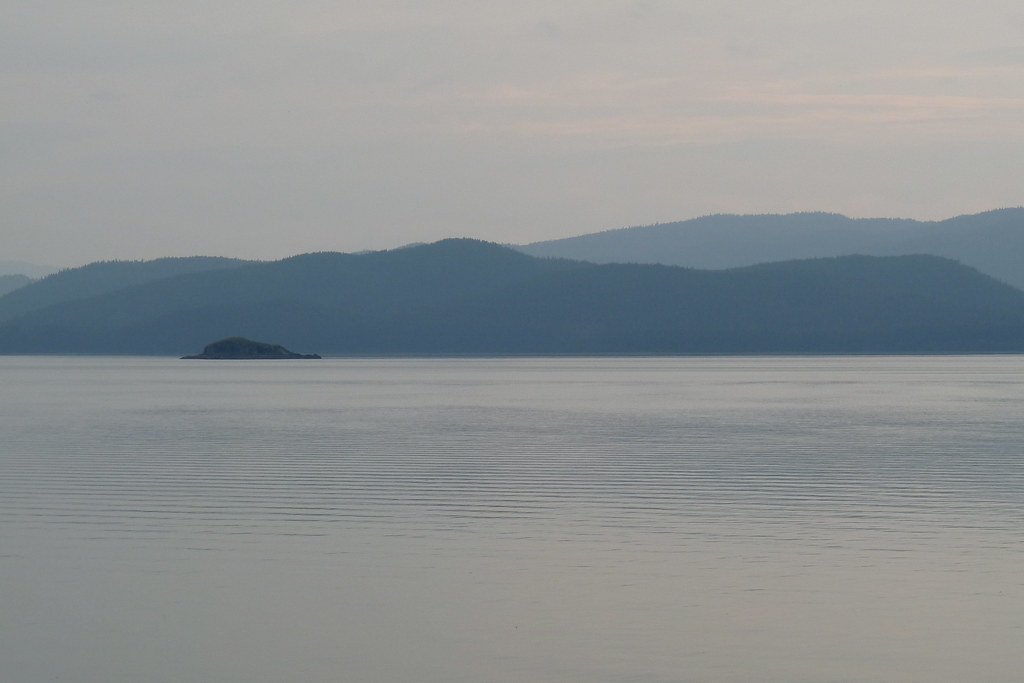
Young Bay
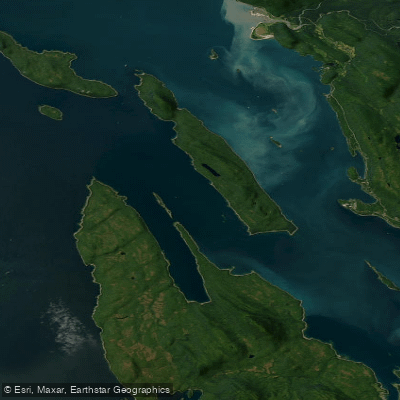
Saginaw Channel
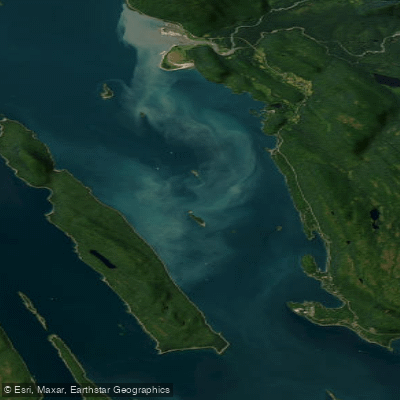
Favorite Channel
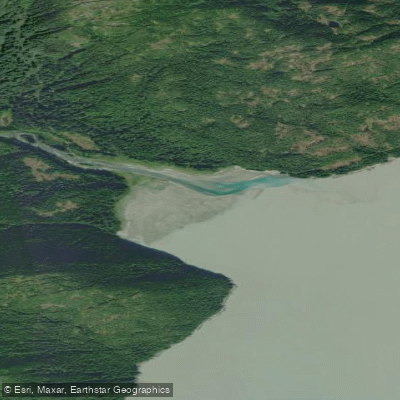
Sunny Cove
Explore Alaska waters
Explore near Inside Passage
Smarter Paddling Starts in the App.
PaddleWays gives you everything you need to plan smarter, paddle better, and own every trip from first launch to takeout.