Whale Pass
- Saltwater
- Pass
- Coast
- Saltwater
- Pass
- Coast
- Boat Ramps
- 0
- Access Points
- 0
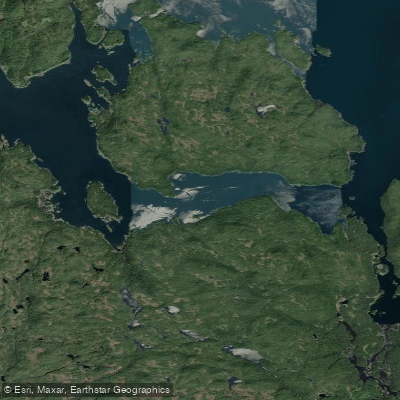
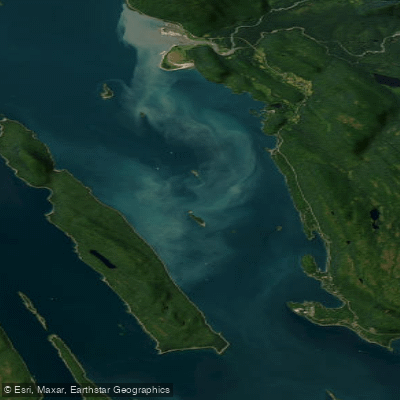
Whale Pass is a nearly ten-mile-long saltwater strait located on the northeast coast of Prince of Wales Island in Southeast Alaska, separating Thorne Island from the main island. It is part of the famed Inside Passage, a major marine corridor. The water body is characterized by its scenic shorelines, quiet bays, and abundant marine life, including orcas and humpback whales that are commonly seen within the pass. The community of Whale Pass sits on a bay within Whale Passage and provides key access points for paddlers. The Whale Pass Community Association operates a state-owned seaplane base, dock, boat slips, and a launch ramp, indicating a public boat launch facility suitable for launching kayaks and other small craft. This infrastructure suggests a practical put-in/take-out location for both local and visiting paddlers.
The paddling experience here is deeply intertwined with the powerful tidal currents of the Inside Passage. One local guiding service explicitly plans excursions by transporting kayakers miles away and against the currents so they can paddle back with the flow, indicating that timing a trip to coincide with favorable tidal currents is a critical safety and planning consideration. The area offers a mix of open passages and protected nooks and crannies to explore. Paddlers can expect significant exposure to wind and fetch along the main pass, but can also find more sheltered areas along the intricate shorelines. Given its location on the Inside Passage, paddlers should be prepared for potential boat traffic, including ferries, fishing vessels, and tour boats, and must exercise caution, especially when crossing channels.
The best season for paddling aligns with the summer tourism season, generally from June through September, when weather is more favorable and local services are operational. Water temperatures during this period are characteristic of Southeast Alaska's cold coastal waters, requiring appropriate immersion gear. The surrounding Tongass National Forest provides a backdrop of coastal rainforest, muskeg, and alpine ecosystems. Paddlers can explore nearby features such as the LeConte Glacier fjord, which involves a longer excursion with potential ice hazards, or more local attractions like ancient native fish traps and petroglyphs at nearby salmon streams. While no specific paddling restrictions are present, the presence of a busy seaplane base necessitates vigilance for air traffic during takeoffs and landings. The overall vibe is one of remote, wilderness paddling where self-sufficiency and careful planning regarding tides, weather, and distance are paramount.
Hazards
Hazards on Whale Pass
No hazards are marked on Whale Pass yet. That is not the same as none being there: if you find one, report it for the next paddler.
From the community
Whale Pass trip reports
Nobody has shared a trip on Whale Pass yet. Paddle it, then tell the next paddler how it went.
Tides, wind & water conditions (10 day forecast)
On open water, wind and tide matter as much as the weather. See the best times to paddle Whale Pass and check the marine forecast before you launch.
Loading tide predictions…
Paddle smarter with real-time insights
Live flows, marked hazards and fresh trip reports from paddlers who were just on the water, all in one place.


Find Places to Paddle

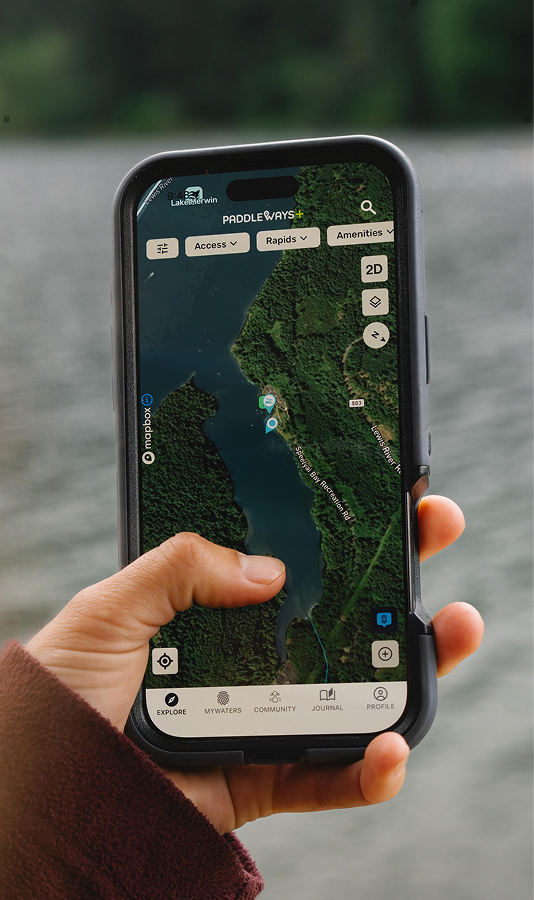
Over 400,000 Places to Paddle
Every user gets free access to launch points, boat ramps, and public property parcels.

Paddling near Whale Pass
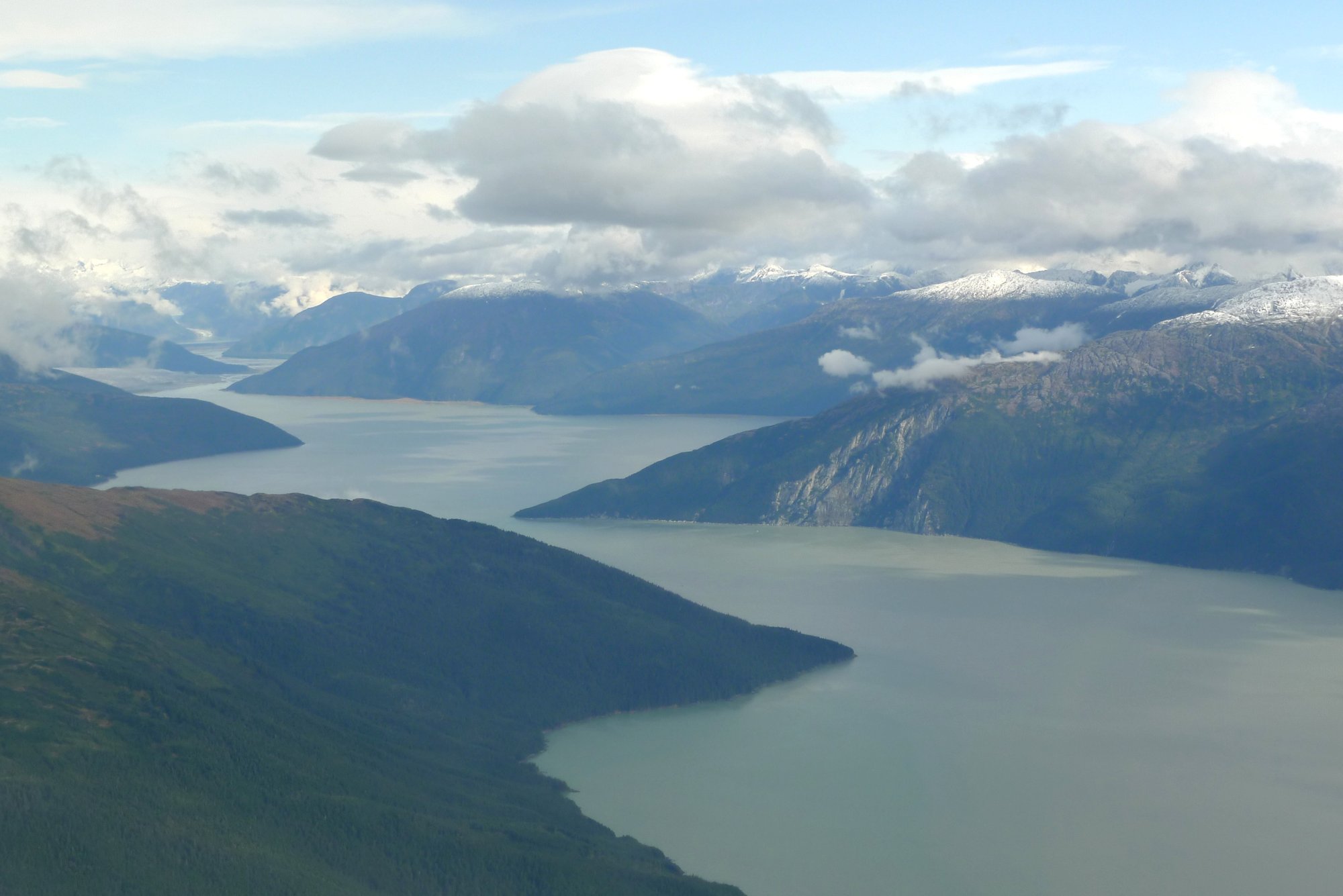
Taku Inlet
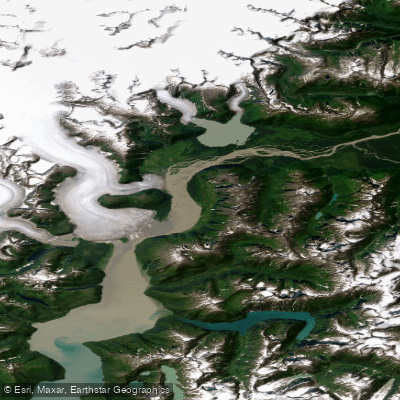
Taku River
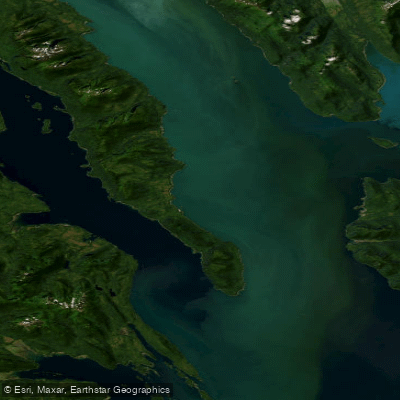
Stephens Passage
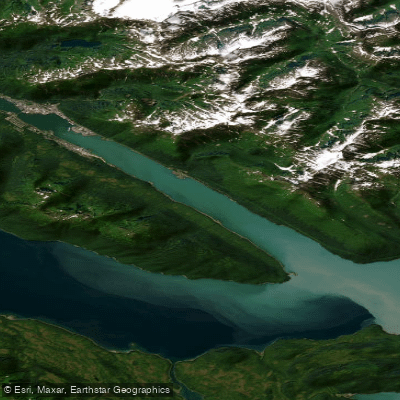
Gastineau Channel
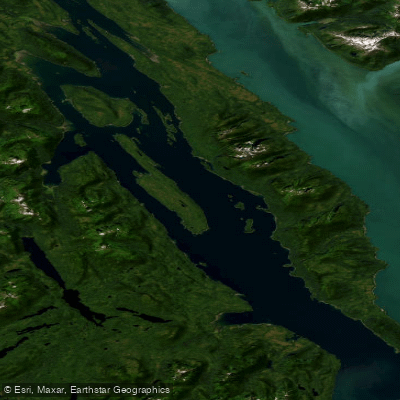
Seymour Canal
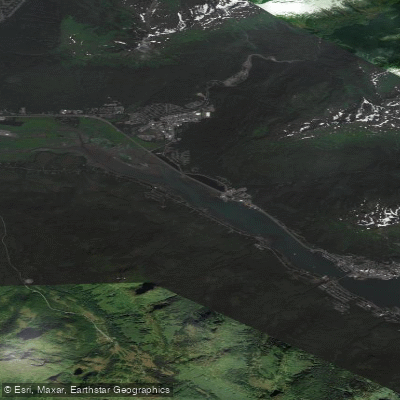
Mendenhall Bar
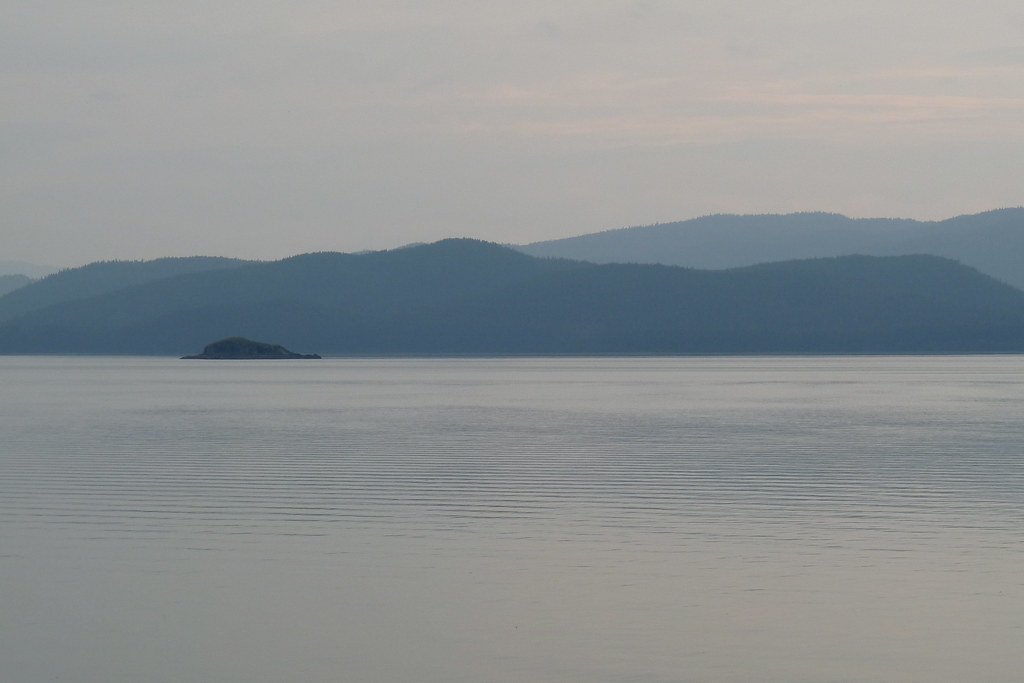
Young Bay
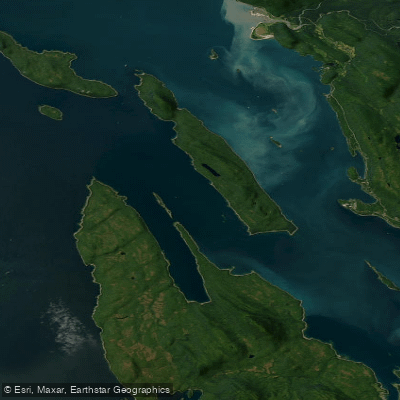
Saginaw Channel
Favorite Channel
Sunny Cove
Explore Alaska waters
Explore near Whale Pass

Smarter Paddling Starts in the App.
PaddleWays gives you everything you need to plan smarter, paddle better, and own every trip from first launch to takeout.