Curated by PaddleWays
RouteClass IV–V
- Distance
- 5.9 mi
- Paddle time
- ~1.5 hrs
- Best for
- Experienced paddlers
- Put-in → take-out
- Grace Dam Bridge Access → Powerhouse Access
Booboo rapid requires scouting for injuries
The Bear River, winding its way through Idaho, Utah, and Wyoming, offers a diverse range of paddling experiences for enthusiasts of all skill levels. This scenic waterway is characterized by its varied terrain, from challenging whitewater sections to peaceful flatwater stretches, making it a versatile destination for kayakers, rafters, and canoeists alike.
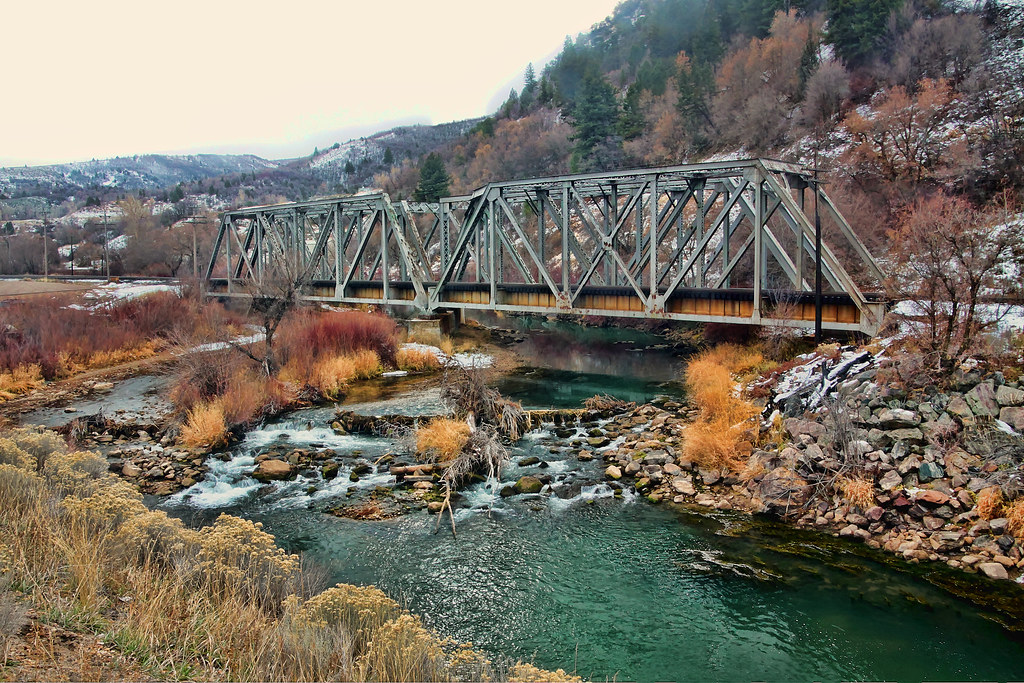
The river's most notable whitewater section is the Black Canyon, located in southeastern Idaho. This 6-mile stretch from Grace Dam to Grace Powerhouse presents Class IV to V rapids, offering a thrilling challenge for experienced paddlers. The difficulty varies with water levels, ranging from technical Class IV at lower flows to intense Class V comparable to the North Fork of the Payette at higher flows. Booboo rapid is a standout feature that requires careful scouting.
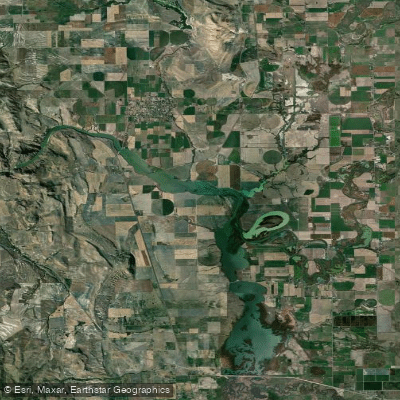
Downstream from the Black Canyon, the river mellows considerably as it flows through the Gentile Valley towards Oneida Reservoir. This 15-mile section offers a mix of Class I to III rapids, providing a more relaxed paddling experience suitable for intermediate paddlers and those looking to wind down after tackling the Black Canyon.
The Oneida Narrows section, spanning 10 miles from below Oneida Dam to the Highway 34/36 Bridge, is a popular recreational stretch. With its Class I to II rapids, it's ideal for families and beginners, offering opportunities for kayaking, canoeing, and even inner tubing. The scenic canyon walls add to the appeal of this section.
For those seeking a longer adventure, the 39-mile stretch from Sulphur Campground in Utah to Evanston, Wyoming, provides a multi-day trip option. This section features Class I to IV rapids, passing through the beautiful Uinta-Wasatch-Cache National Forest. In Evanston, Wyoming, paddlers can enjoy the Bear River Whitewater Park, a man-made course offering Class II to III rapids. This urban whitewater feature is perfect for skills practice and playboating.
The best time to paddle the Bear River varies by section, but generally, late spring to early fall offers the most favorable conditions. Water releases from dams, particularly in the Black Canyon section, greatly influence flow levels and paddling opportunities, so it's crucial to check release schedules before planning a trip.
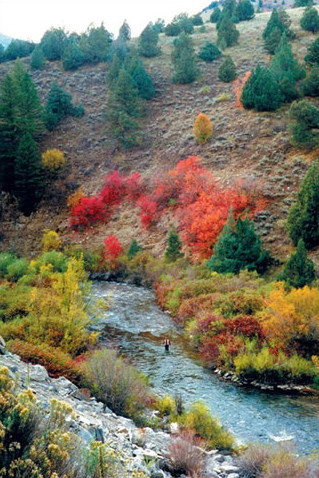
Wildlife enthusiasts will appreciate the diverse ecosystems along the Bear River, which provide habitat for various bird species, fish, and occasional larger mammals. The river's course through different landscapes, from mountain forests to open valleys, offers changing scenery and flora.
Access to the river is generally good, with numerous put-in and take-out points near towns like Grace and Preston in Idaho, and Evanston in Wyoming. These communities serve as convenient bases for river trips, offering amenities and services for paddlers.
Safety considerations on the Bear River include being aware of rapidly changing water levels due to dam releases, scouting unfamiliar rapids, and wearing appropriate safety gear. Some sections, particularly in the Black Canyon, are not suitable for inexperienced paddlers without proper guidance.
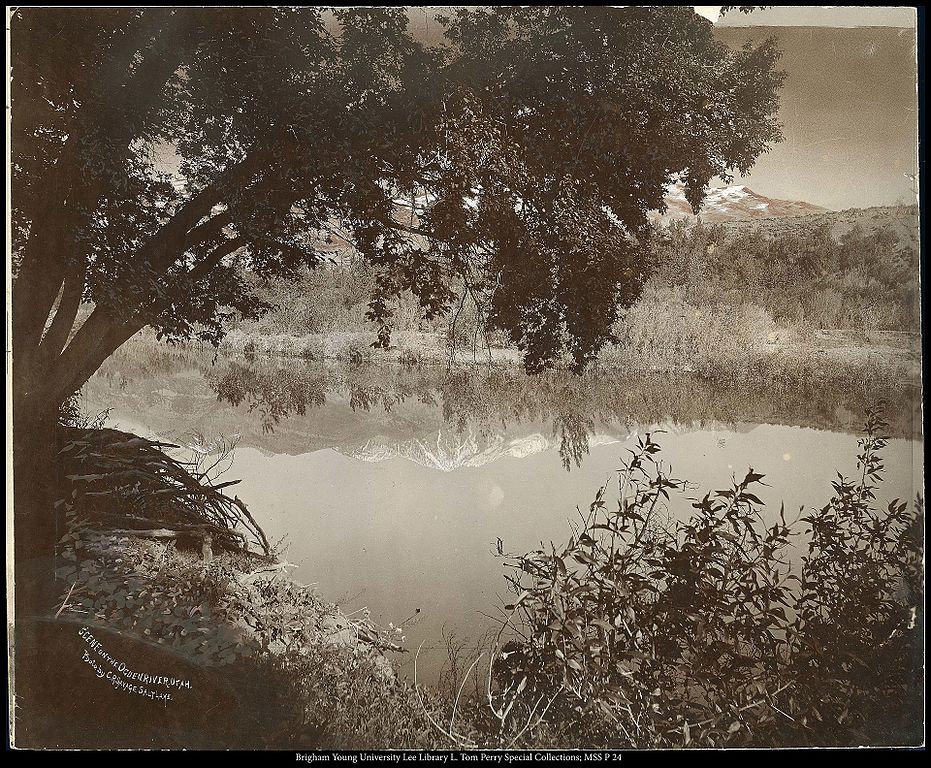
The Bear River holds historical significance as part of the Oregon Trail route and played a crucial role in the development of the region. Today, it continues to be an important resource for recreation, irrigation, and wildlife habitat, offering paddlers a chance to experience the natural beauty and cultural heritage of the Intermountain West.
Curated routes
Hand-picked by the PaddleWays team, with put-ins, take-outs, paddle times and the hazards along the way.
RouteClass IV–V
RouteClass I–II
RouteClass I–III
Hazards
No paddler has reported a hazard here yet, so these are the dams, falls and big rapids on our map. Hazards change with flows and storms, so check them before you launch.
Dam
Dam
Dam
Dam
Dam
Dam
From the community
Nobody has shared a trip on Bear River yet. Paddle it, then tell the next paddler how it went.
See exactly where the public can get on and off the river. Launch points and boat ramps are paired with PaddleWays' public land data so you know where you can legally land.
Public shoreline
7%of the river's shoreline is public
Most of the riverbank is private. Launch, land and camp only at public access points.
Flows, weather and a route-by-route verdict, so you know which stretch of the Bear River is worth paddling today.
All Flow Stations
Live flows, marked hazards and fresh trip reports from paddlers who were just on the water, all in one place.

Every user gets free access to launch points, boat ramps, and public property parcels.
When using any type of watercraft to access a body of water, it is important to follow all federal, state, and local rules and regulations. These rules and regulations include boat permitting and licensing, invasive species inspections and stamps, life jacket and PFD rules, motor size and horsepower restrictions, noise limitations, restrictions on personal watercraft, and many more. Visit the web link below for the most current rules and regulations for this body of water.
When using any type of watercraft to access a body of water, it is important to follow all federal, state, and local rules and regulations. These rules and regulations include boat permitting and licensing, invasive species inspections and stamps, life jacket and PFD rules, motor size and horsepower restrictions, noise limitations, restrictions on personal watercraft, and many more. Visit the web link below for the most current rules and regulations for this body of water.
"To fish in Idaho any person 14 years of age or older must have a valid fishing license. Anglers younger than 14 do not need a license, but there is a small difference between resident and nonresident youth. -A resident child under 14 has their own separate fishing limit. -A nonresident child under 14 must be with someone who has a valid fishing license and their fish are in included in the license holders fishing limit. However, a nonresident child may purchase their own license and have their own limit. Special fishing permits are need for some activities for both residents and nonresidents: -Fishing for salmon and steelhead -Fishing with two poles."
This river has a variety of species and regulations, including potential floating and/or watercraft restrictions. Because this river is specially managed for species, seasons, angling methods, and watercraft, it is strongly encouraged you check all federal, state, and local regulations before fishing. Visit any of the links below, inquire locally, or contact a local fly shop to learn current regulations and restrictions.
Navigable streams are recognized as public transportation corridors, thus members of the public have the right to use the corridor, provided they enter and exit the corridor at a public right of way and remain within the corridor. Many navigable streams flow through private property, thus it is important that anglers know their rights and responsibilities when fishing in navigable waters that flow through private property.
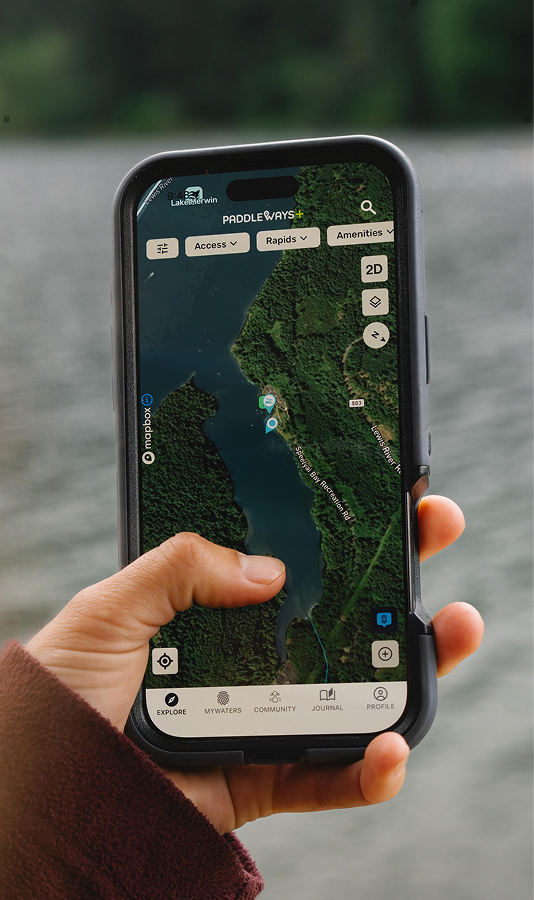
PaddleWays gives you everything you need to plan smarter, paddle better, and own every trip from first launch to takeout.