Curated by PaddleWays
RouteClass III–IV
- Distance
- 34.3 mi
- Paddle time
- ~8.5 hrs
- Best for
- Kayak
- Put-in → take-out
- Big Creek Trailhead → Middle Fork Trail Access
Remote setting with no exit except the river
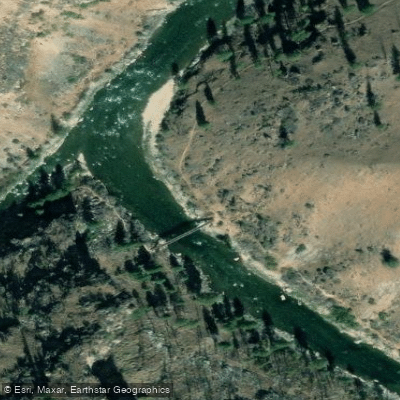
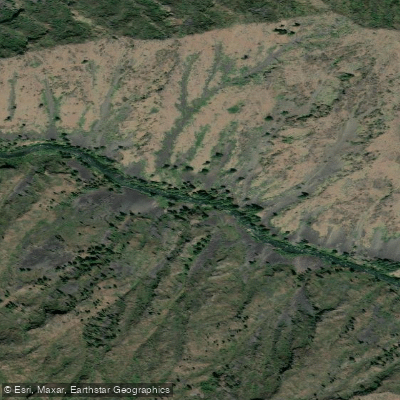
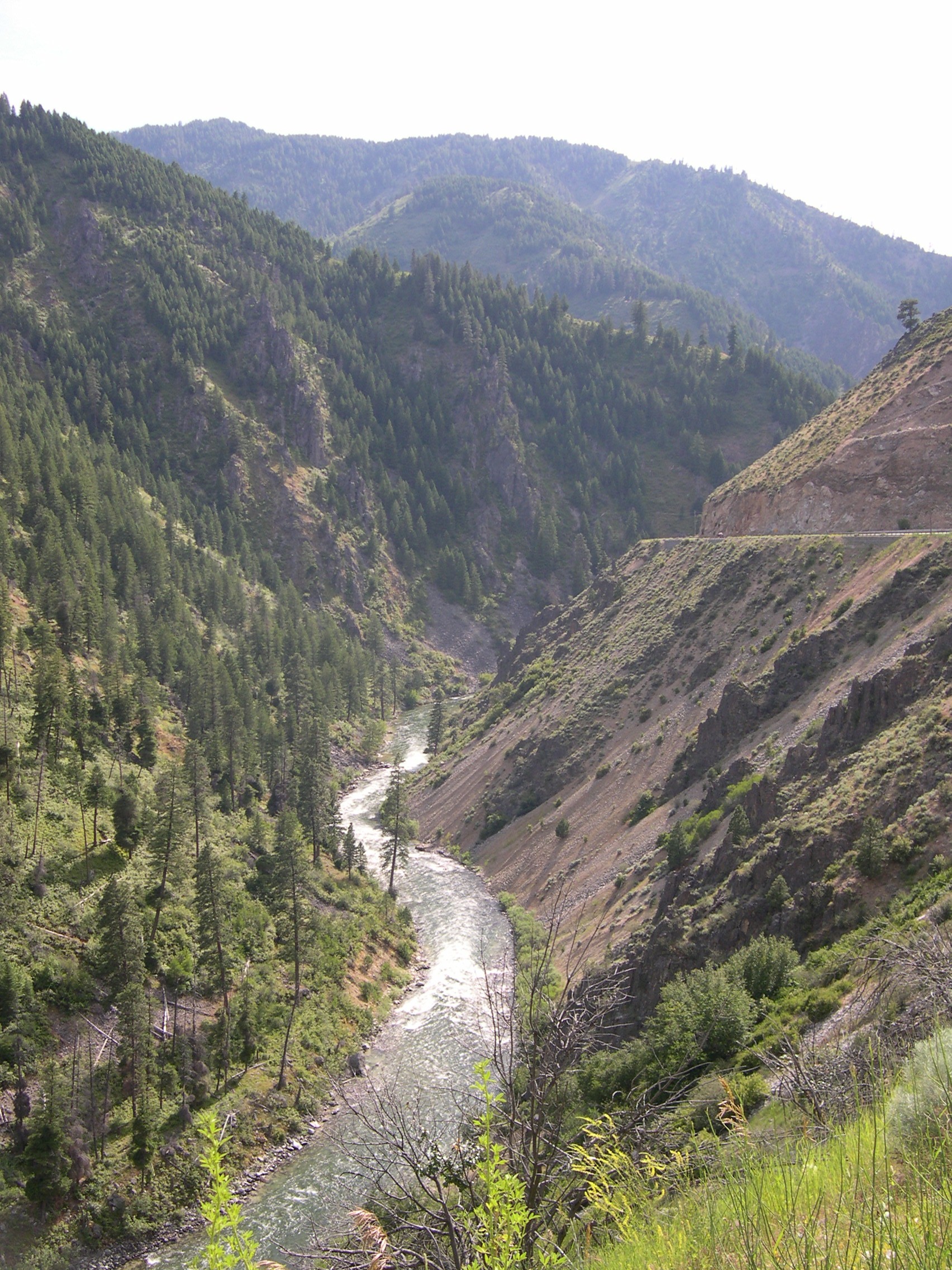
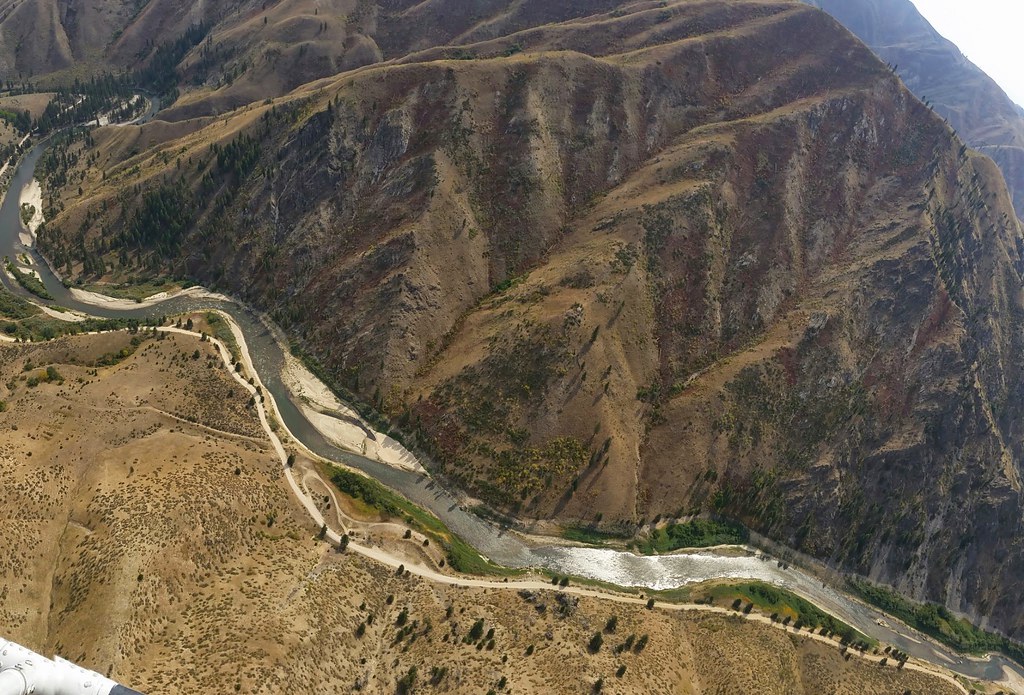
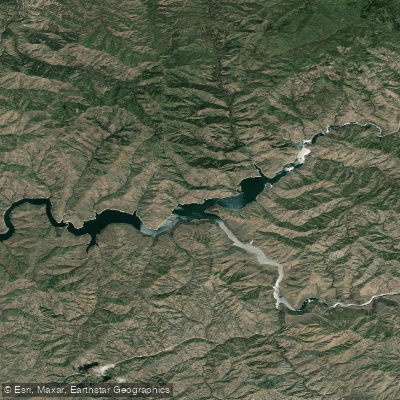
Big Creek flows through the remote backcountry of Valley County, Idaho, serving as a significant tributary to the Middle Fork Salmon River. This wilderness waterway originates in the Salmon River Mountains and travels approximately 47.5 miles eastward through the Frank Church-River of No Return Wilderness before joining the Middle Fork. The creek's headwaters begin near Big Creek Campground and Airfield, a critical backcountry access point at approximately 5,743 feet elevation, flowing through dense conifer forests and steep mountain terrain.
The paddling opportunities on Big Creek range from intermediate to expert level, with classifications spanning Class III to Class IV whitewater. The upper section from Big Creek Airfield offers approximately 4.7 miles of Class III rapids, providing an introduction to the creek's character. Downstream sections intensify considerably, particularly through Big Creek Gorge near the Middle Fork confluence, where paddlers encounter technical boulder gardens requiring precise eddy-to-eddy maneuvering. The 31-mile stretch from Big Creek Road to Soldier Bar presents significant challenges with numerous logjams necessitating portages, especially in the upper reaches where the creek remains relatively small and constricted. Spring runoff from May through early July provides optimal flows, though conditions vary dramatically with snowpack. The creek's cold, swift water demands solid intermediate to advanced skills, with the lower sections approaching the Middle Fork requiring expert-level boat control. Log hazards persist throughout the system, and scouting is essential before committing to any section.
Big Creek supports populations of cutthroat trout, bull trout, brook trout, Chinook salmon, and steelhead, reflecting its importance as spawning habitat. The surrounding wilderness harbors elk, deer, black bears, and various raptors. Dense forests of Douglas fir, lodgepole pine, and spruce dominate the landscape, with riparian vegetation creating challenging strainer hazards during high water.
Access remains extremely limited due to the wilderness setting. Big Creek Airstrip serves as the primary entry point, accessible only by aircraft or lengthy backcountry trails. The nearest road access at Big Creek Road requires significant off-pavement travel from Valley County's population centers like McCall or Cascade. Soldier Bar, near the Middle Fork confluence, provides another critical access point for multi-day expeditions.
A Middle Fork of the Salmon River permit may be required for trips approaching or entering that drainage. Boating restrictions apply April 1 through May 31 and August 1 through September 30 to protect salmon and steelhead spawning. These seasonal closures reflect Big Creek's ecological significance within the greater Salmon River system. Multi-day expeditions combining Big Creek with Middle Fork trips offer exceptional wilderness experiences, though self-sufficiency is mandatory given the extreme remoteness and limited emergency egress options.
Curated routes
Hand-picked by the PaddleWays team, with put-ins, take-outs, paddle times and the hazards along the way.
RouteClass III–IV
Hazards
No hazards are marked on Big Creek yet. That is not the same as none being there: if you find one, report it for the next paddler.
From the community
Nobody has shared a trip on Big Creek yet. Paddle it, then tell the next paddler how it went.
See exactly where the public can get on and off the river. Launch points and boat ramps are paired with PaddleWays' public land data so you know where you can legally land.
Public shoreline
93%of the river's shoreline is public
Flows, weather and a route-by-route verdict, so you know which stretch of the Big Creek is worth paddling today.
No forecast data available.
Live flows, marked hazards and fresh trip reports from paddlers who were just on the water, all in one place.



Every user gets free access to launch points, boat ramps, and public property parcels.
When using any type of watercraft to access a body of water, it is important to follow all federal, state, and local rules and regulations. These rules and regulations include boat permitting and licensing, invasive species inspections and stamps, life jacket and PFD rules, motor size and horsepower restrictions, noise limitations, restrictions on personal watercraft, and many more. Visit the web link below for the most current rules and regulations for this body of water.
When using any type of watercraft to access a body of water, it is important to follow all federal, state, and local rules and regulations. These rules and regulations include boat permitting and licensing, invasive species inspections and stamps, life jacket and PFD rules, motor size and horsepower restrictions, noise limitations, restrictions on personal watercraft, and many more. Visit the web link below for the most current rules and regulations for this body of water.
"To fish in Idaho any person 14 years of age or older must have a valid fishing license. Anglers younger than 14 do not need a license, but there is a small difference between resident and nonresident youth. -A resident child under 14 has their own separate fishing limit. -A nonresident child under 14 must be with someone who has a valid fishing license and their fish are in included in the license holders fishing limit. However, a nonresident child may purchase their own license and have their own limit. Special fishing permits are need for some activities for both residents and nonresidents: -Fishing for salmon and steelhead -Fishing with two poles."
This river has a variety of species and regulations, including potential floating and/or watercraft restrictions. Because this river is specially managed for species, seasons, angling methods, and watercraft, it is strongly encouraged you check all federal, state, and local regulations before fishing. Visit any of the links below, inquire locally, or contact a local fly shop to learn current regulations and restrictions.
Navigable streams are recognized as public transportation corridors, thus members of the public have the right to use the corridor, provided they enter and exit the corridor at a public right of way and remain within the corridor. Many navigable streams flow through private property, thus it is important that anglers know their rights and responsibilities when fishing in navigable waters that flow through private property.
Loading popular cities...
PaddleWays gives you everything you need to plan smarter, paddle better, and own every trip from first launch to takeout.