Boulder Creek
- River
- River
- River length
- 4.5 mi
- Public shoreline
- 86%
- Boat Ramps
- 0
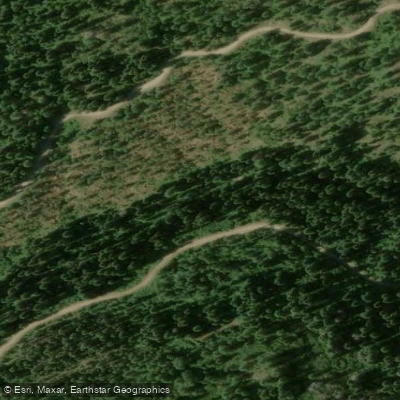
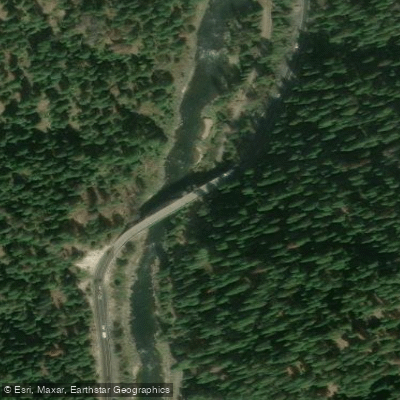
Based on the available information, Boulder Creek flows into Lake Cascade in Valley County, Idaho, forming one of the reservoir's northern arms. This tributary contributes to the North Fork Payette River watershed system in west-central Idaho's mountainous terrain. The Boulder Creek arm of Lake Cascade presents unique management considerations due to its configuration as a reservoir inlet rather than a free-flowing stream section.
Valley County's waterways ordinance establishes specific regulations for this area, with exceptions to the standard 300-foot no-wake zone that applies to most of Lake Cascade's shoreline. The creek's contribution to the reservoir creates a distinct arm that extends into the northern portion of the lake, where water depth and flow characteristics differ from the main body.
Access to the Boulder Creek area occurs primarily through Lake Cascade State Park facilities and surrounding public lands managed by the Boise National Forest. The nearest community is Cascade, Idaho, located along Highway 55, which serves as the primary gateway for recreationalists visiting this section of the reservoir. Additional access points exist along the West Mountain Road corridor on the reservoir's western shore.
Water levels in the Boulder Creek arm fluctuate significantly with Lake Cascade's operational schedule, as the reservoir serves multiple purposes including irrigation, flood control, and recreation. These seasonal drawdowns typically occur in late summer and fall, substantially reducing the navigable area. During high pool periods in spring and early summer, the arm provides opportunities for flat-water paddling, though motorized use is permitted under county regulations.
The surrounding landscape consists of mixed conifer forests transitioning to sagebrush and grassland at lower elevations. Wildlife viewing opportunities include waterfowl concentrations, particularly during migration periods, as the shallow inlet areas provide important habitat. The designated Wildlife Management Areas around Lake Cascade extend into portions of the Boulder Creek drainage.
Valley County is currently reviewing waterway management strategies that may affect future use patterns in tributary arms like Boulder Creek. Proposed regulations under consideration include potential restrictions on motorized use in certain inlet areas to reduce conflicts between user groups and protect water quality. These discussions reflect growing recreational pressure on Lake Cascade's various arms and the county's commitment to balancing multiple uses while maintaining environmental quality.
Hazards
Hazards on Boulder Creek
No hazards are marked on Boulder Creek yet. That is not the same as none being there: if you find one, report it for the next paddler.
From the community
Boulder Creek trip reports
Nobody has shared a trip on Boulder Creek yet. Paddle it, then tell the next paddler how it went.
Water access & public shoreline
See exactly where the public can get on and off the river. Launch points and boat ramps are paired with PaddleWays' public land data so you know where you can legally land.
Public shoreline
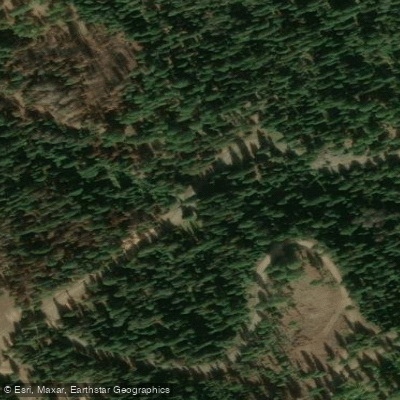
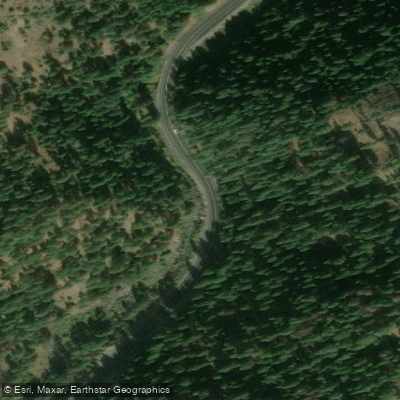
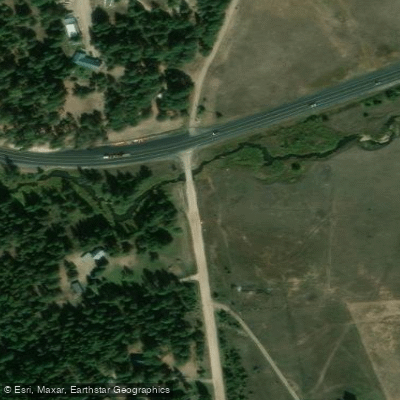
86%of the river's shoreline is public
- Public
- 86%
- Private
- 14%
Largest public stretches
- Boise National Forest
Flows & paddling conditions (10 day forecast)
Flows and weather, so you know what to expect on Boulder Creek today.
No forecast data available.
Paddle smarter with real-time insights
Live flows, marked hazards and fresh trip reports from paddlers who were just on the water, all in one place.







Find Places to Paddle

Over 400,000 Places to Paddle
Every user gets free access to launch points, boat ramps, and public property parcels.


Idaho licenses and regulations
Idaho Boating Regulations
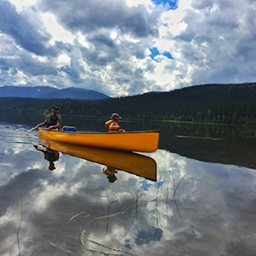
When using any type of watercraft to access a body of water, it is important to follow all federal, state, and local rules and regulations. These rules and regulations include boat permitting and licensing, invasive species inspections and stamps, life jacket and PFD rules, motor size and horsepower restrictions, noise limitations, restrictions on personal watercraft, and many more. Visit the web link below for the most current rules and regulations for this body of water.
Idaho Boating Regulations
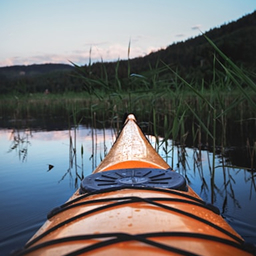
When using any type of watercraft to access a body of water, it is important to follow all federal, state, and local rules and regulations. These rules and regulations include boat permitting and licensing, invasive species inspections and stamps, life jacket and PFD rules, motor size and horsepower restrictions, noise limitations, restrictions on personal watercraft, and many more. Visit the web link below for the most current rules and regulations for this body of water.
Idaho Fishing License
"To fish in Idaho any person 14 years of age or older must have a valid fishing license. Anglers younger than 14 do not need a license, but there is a small difference between resident and nonresident youth. -A resident child under 14 has their own separate fishing limit. -A nonresident child under 14 must be with someone who has a valid fishing license and their fish are in included in the license holders fishing limit. However, a nonresident child may purchase their own license and have their own limit. Special fishing permits are need for some activities for both residents and nonresidents: -Fishing for salmon and steelhead -Fishing with two poles."
Idaho Fishing Regulations
This river has a variety of species and regulations, including potential floating and/or watercraft restrictions. Because this river is specially managed for species, seasons, angling methods, and watercraft, it is strongly encouraged you check all federal, state, and local regulations before fishing. Visit any of the links below, inquire locally, or contact a local fly shop to learn current regulations and restrictions.
Idaho Stream Access Laws
Navigable streams are recognized as public transportation corridors, thus members of the public have the right to use the corridor, provided they enter and exit the corridor at a public right of way and remain within the corridor. Many navigable streams flow through private property, thus it is important that anglers know their rights and responsibilities when fishing in navigable waters that flow through private property.
Paddling near Boulder Creek
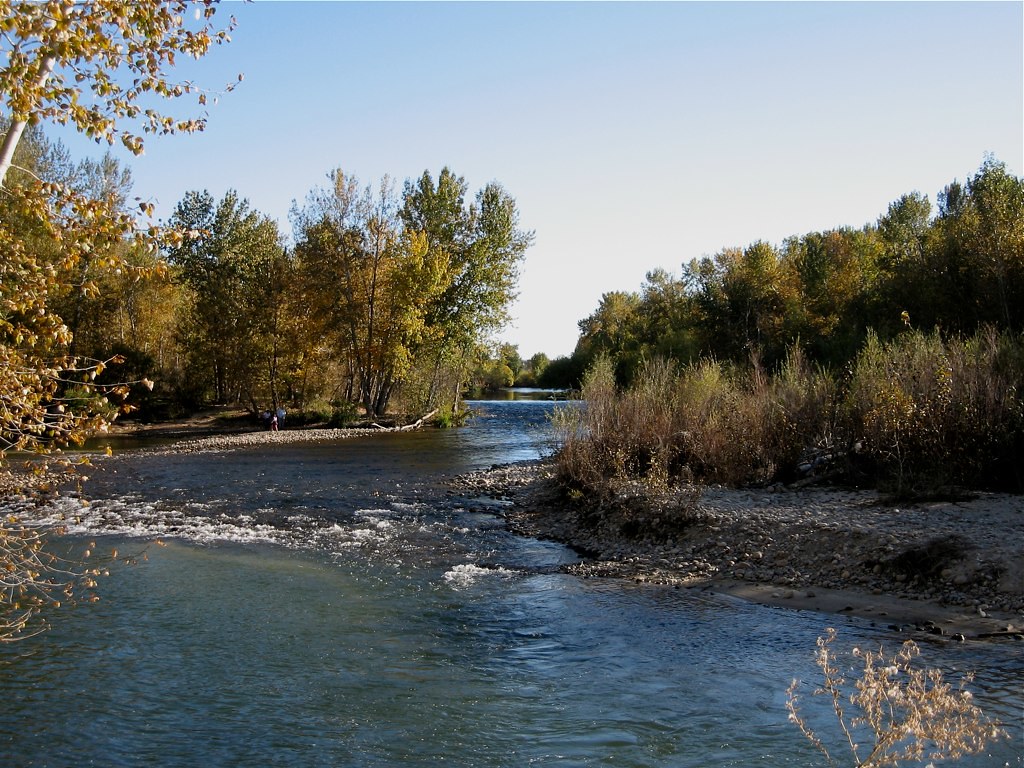
Boise River
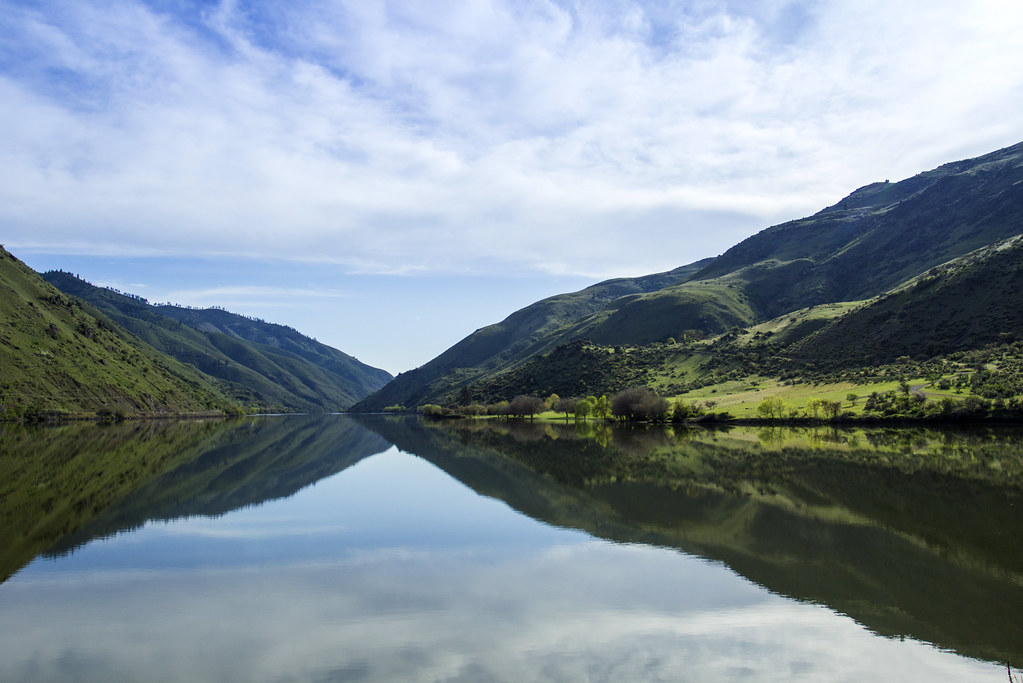
Snake River
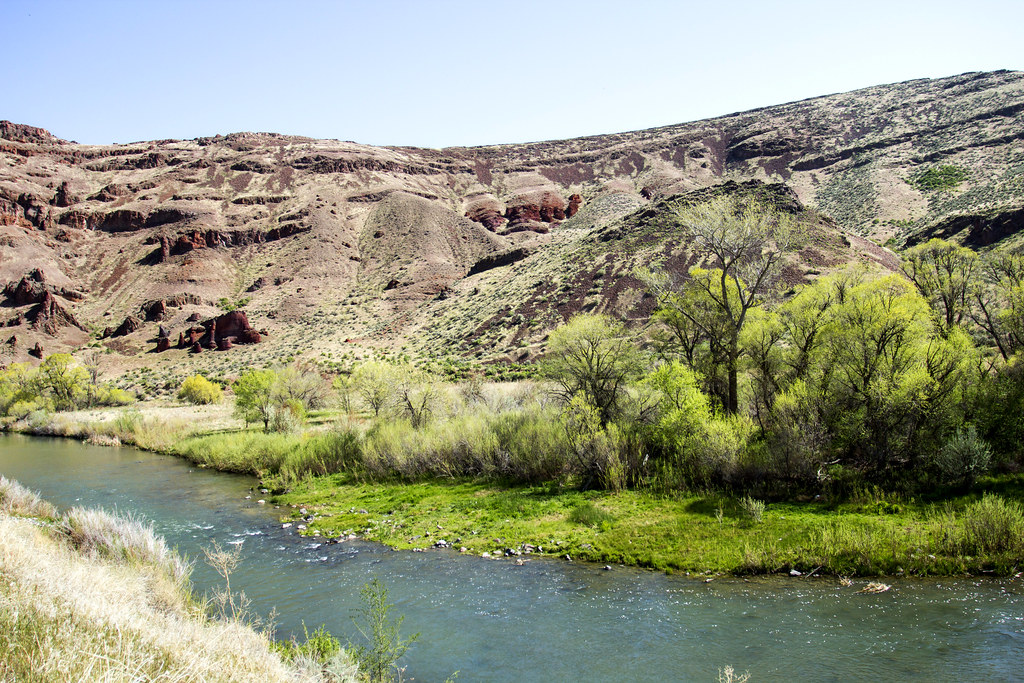
Owyhee River
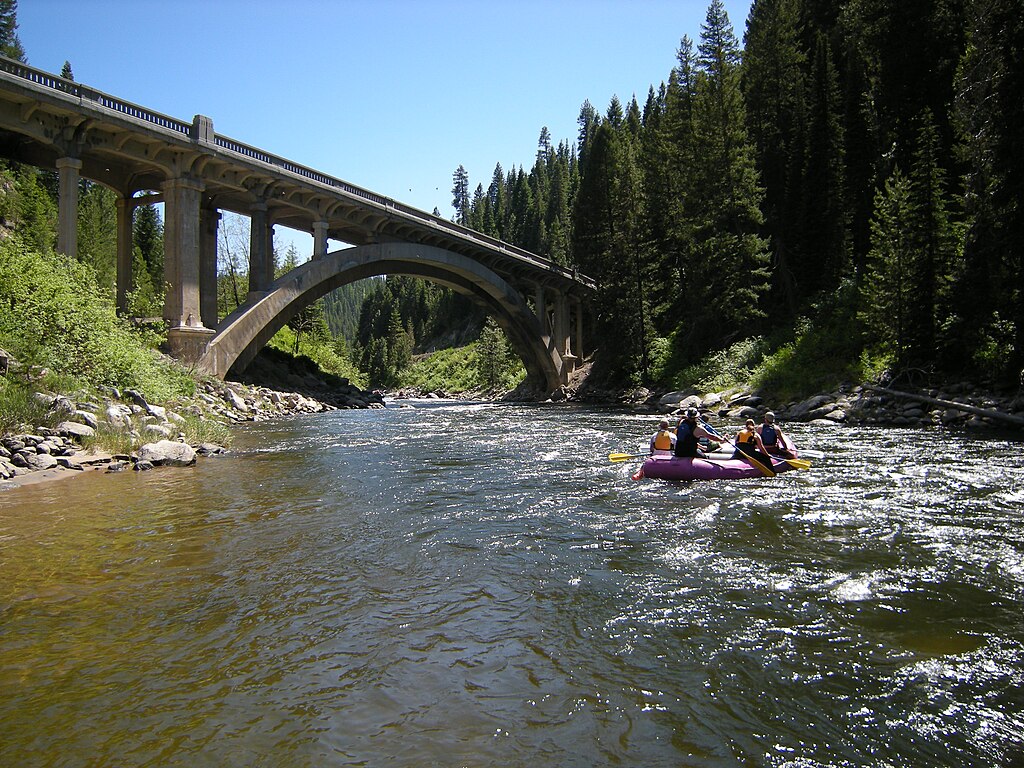
North Fork Payette River
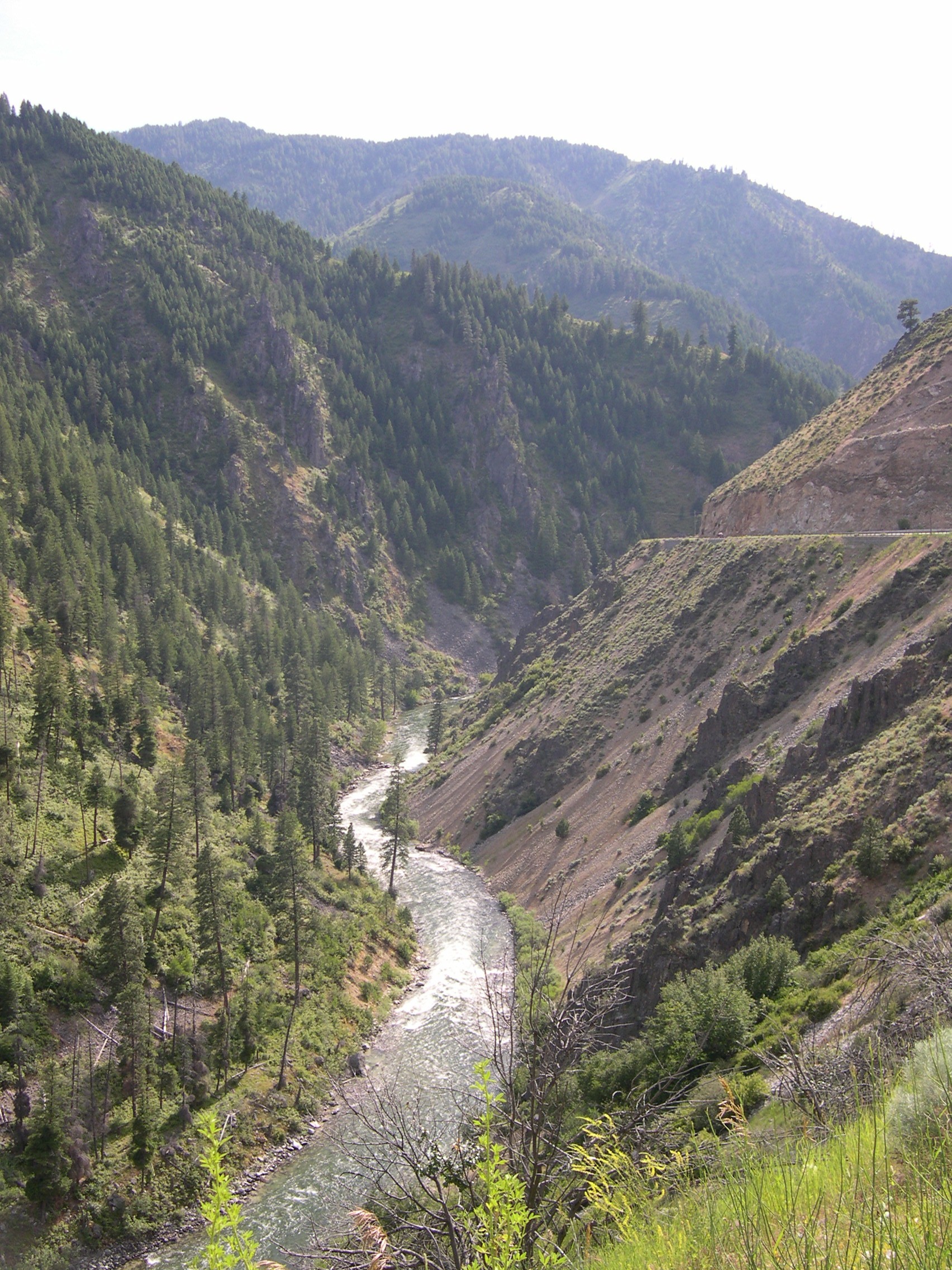
South Fork Payette River
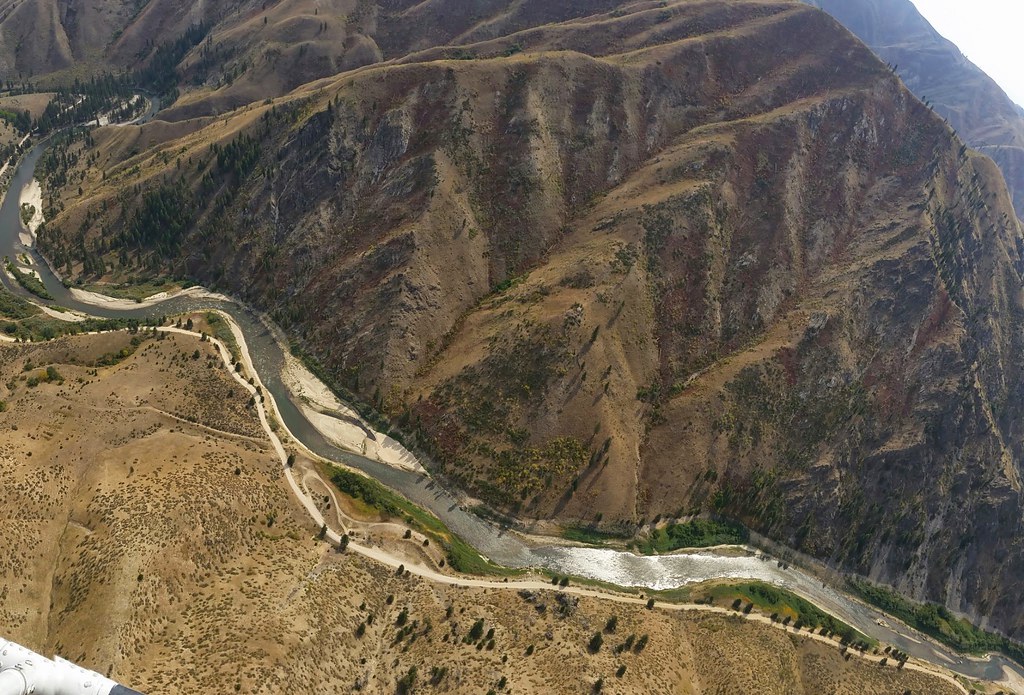
Middle Fork Boise River
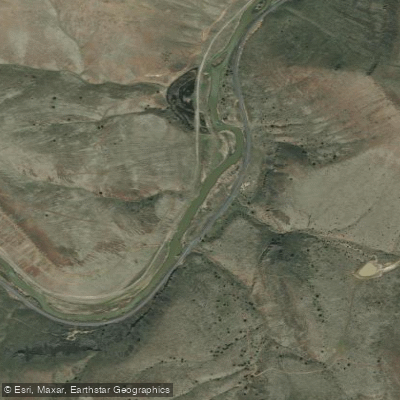
Malheur River
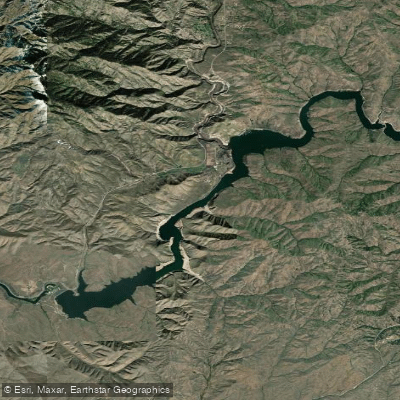
Lucky Peak Lake
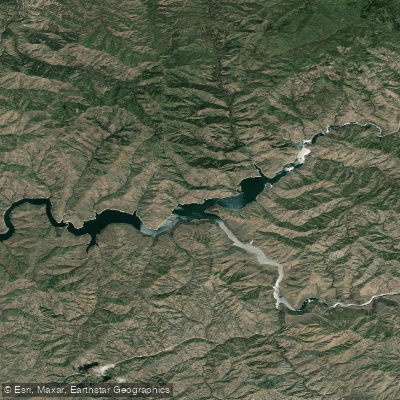
Arrowrock Reservoir
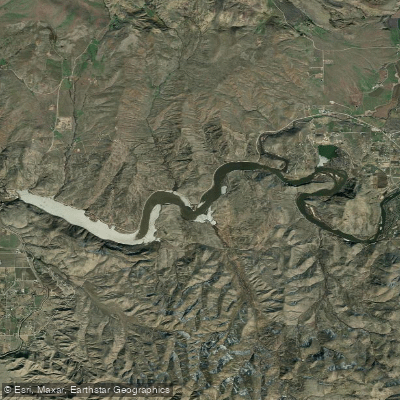
Black Canyon Reservoir
Explore near Boulder Creek
Access points
Nearby waters
More in Idaho
Smarter Paddling Starts in the App.
PaddleWays gives you everything you need to plan smarter, paddle better, and own every trip from first launch to takeout.