East Fork Salmon River
- River
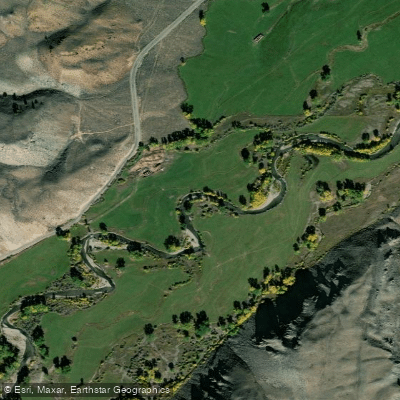
- River
- River length
- 36.8 mi
- Public shoreline
- 49%
- Boat Ramps
- 0
The East Fork of the South Fork Salmon River is a challenging whitewater gem nestled in the rugged mountains of central Idaho. This tributary of the South Fork Salmon River flows northwest through a remote canyon, joining the main South Fork near the small community of Yellow Pine. Known for its continuous technical whitewater, the East Fork offers expert paddlers an exhilarating Class IV-V run through a boulder-strewn gorge. The river's character is defined by numerous large holes, steep drops, and lengthy rapids that demand precise maneuvering and solid boat control. Most notable is the infamous Flight Simulator - a mile-long Class V boulder garden near the beginning of the run that sets the tone for the challenging whitewater downstream.
The standard put-in is located approximately 3 miles below the confluence with Johnson Creek. From here, paddlers face a gauntlet of difficult rapids in quick succession. While a gravel road parallels much of the run, the river maintains a wild feel thanks to the rugged terrain and sparse development. Due to its difficulty, the East Fork is best suited for expert kayakers and small rafts piloted by highly skilled guides.
Most paddlers tackle this as a day trip, though multi-day options exist for those wanting to combine it with runs on the South Fork Salmon. The river typically comes into prime condition in late spring as snowmelt swells its flow. May and June offer the most reliable water levels, though early season runs can be especially pushy and demanding. By mid-summer, flows often drop too low for enjoyable paddling.
The surrounding Payette National Forest provides habitat for diverse wildlife including elk, black bears, and numerous bird species. Towering ponderosa pines and Douglas firs line the canyon, creating a classic Idaho mountain river setting.
For paddlers seeking one of Idaho's premier expert runs, the East Fork of the South Fork Salmon delivers an intense whitewater experience in a stunning backcountry setting. But given its remoteness and challenging nature, proper preparation, solid safety protocols, and respect for the river's power are absolutely essential.
Hazards
Hazards on East Fork Salmon River
No hazards are marked on East Fork Salmon River yet. That is not the same as none being there: if you find one, report it for the next paddler.
From the community
East Fork Salmon River trip reports
Nobody has shared a trip on East Fork Salmon River yet. Paddle it, then tell the next paddler how it went.
Water access & public shoreline
See exactly where the public can get on and off the river. Launch points and boat ramps are paired with PaddleWays' public land data so you know where you can legally land.
Public shoreline
49%of the river's shoreline is public
- Public
- 49%
- Private
- 51%
Largest public stretches
- Sawtooth National Forest
- Challis Field Office
- Challis National Forest
Most of the riverbank is private. Launch, land and camp only at public access points.
Flows & paddling conditions (10 day forecast)
Flows and weather, so you know what to expect on East Fork Salmon River today.
SALMON RIVER AB EAST FORK NR CLAYTON ID
Paddle smarter with real-time insights
Live flows, marked hazards and fresh trip reports from paddlers who were just on the water, all in one place.







Find Places to Paddle

Over 400,000 Places to Paddle
Every user gets free access to launch points, boat ramps, and public property parcels.


Idaho licenses and regulations
Idaho Boating Regulations
When using any type of watercraft to access a body of water, it is important to follow all federal, state, and local rules and regulations. These rules and regulations include boat permitting and licensing, invasive species inspections and stamps, life jacket and PFD rules, motor size and horsepower restrictions, noise limitations, restrictions on personal watercraft, and many more. Visit the web link below for the most current rules and regulations for this body of water.
Idaho Boating Regulations
When using any type of watercraft to access a body of water, it is important to follow all federal, state, and local rules and regulations. These rules and regulations include boat permitting and licensing, invasive species inspections and stamps, life jacket and PFD rules, motor size and horsepower restrictions, noise limitations, restrictions on personal watercraft, and many more. Visit the web link below for the most current rules and regulations for this body of water.
Idaho Fishing License
"To fish in Idaho any person 14 years of age or older must have a valid fishing license. Anglers younger than 14 do not need a license, but there is a small difference between resident and nonresident youth. -A resident child under 14 has their own separate fishing limit. -A nonresident child under 14 must be with someone who has a valid fishing license and their fish are in included in the license holders fishing limit. However, a nonresident child may purchase their own license and have their own limit. Special fishing permits are need for some activities for both residents and nonresidents: -Fishing for salmon and steelhead -Fishing with two poles."
Idaho Fishing Regulations
This river has a variety of species and regulations, including potential floating and/or watercraft restrictions. Because this river is specially managed for species, seasons, angling methods, and watercraft, it is strongly encouraged you check all federal, state, and local regulations before fishing. Visit any of the links below, inquire locally, or contact a local fly shop to learn current regulations and restrictions.
Idaho Stream Access Laws
Navigable streams are recognized as public transportation corridors, thus members of the public have the right to use the corridor, provided they enter and exit the corridor at a public right of way and remain within the corridor. Many navigable streams flow through private property, thus it is important that anglers know their rights and responsibilities when fishing in navigable waters that flow through private property.
Paddling near East Fork Salmon River
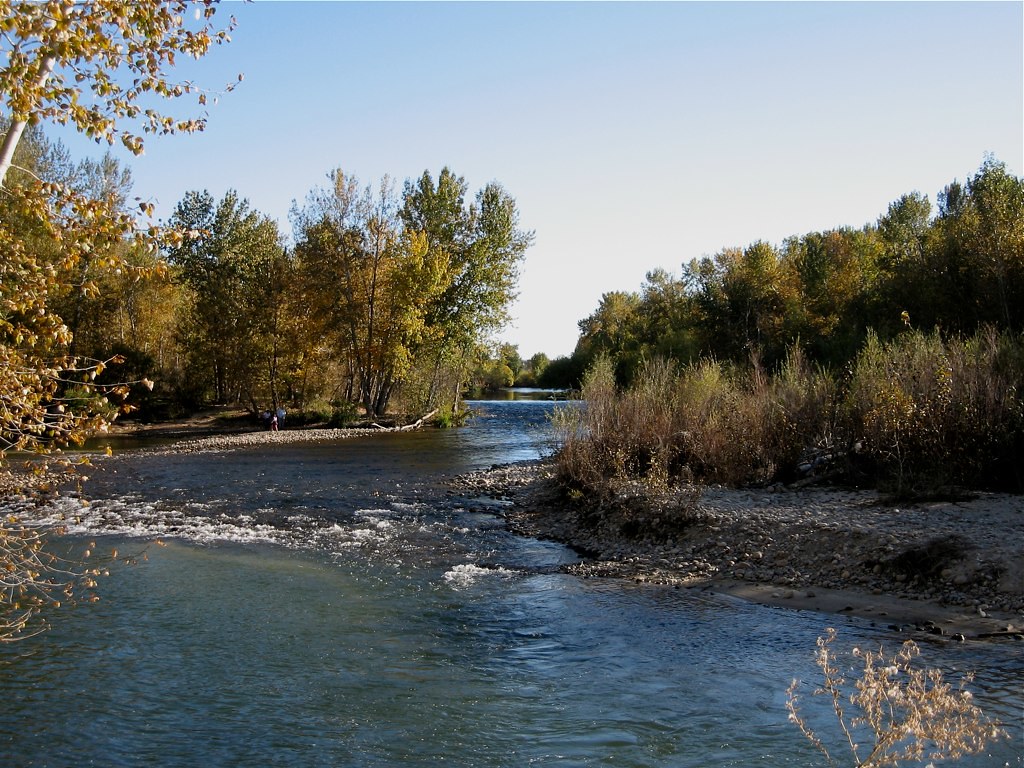
Boise River
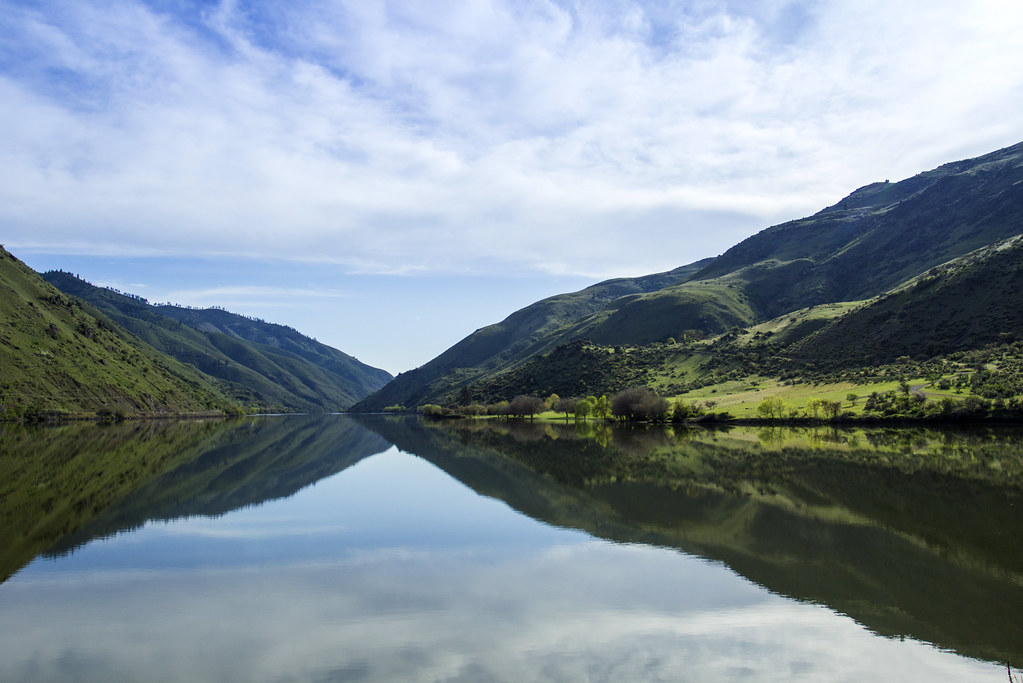
Snake River
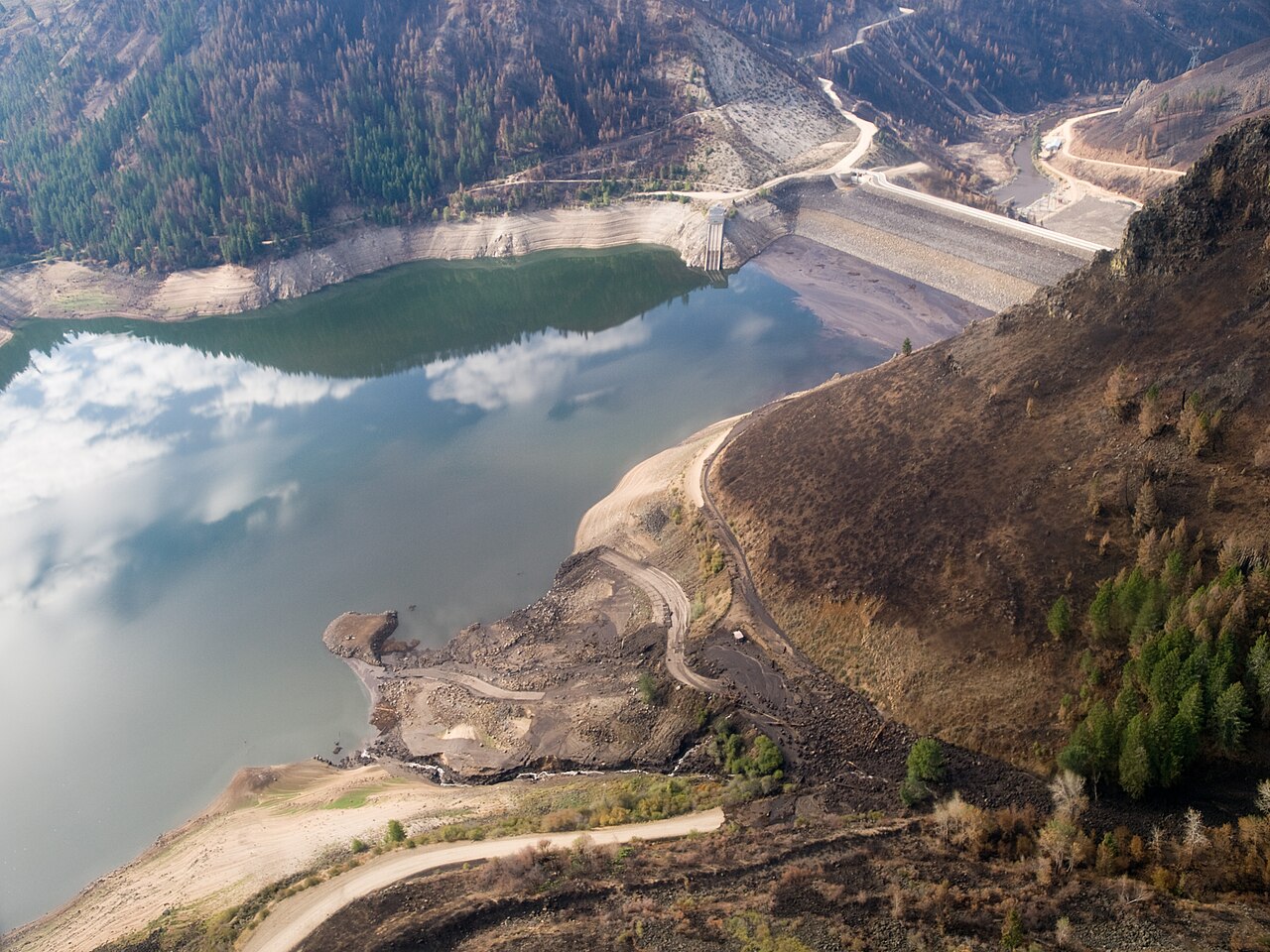
Anderson Ranch Reservoir
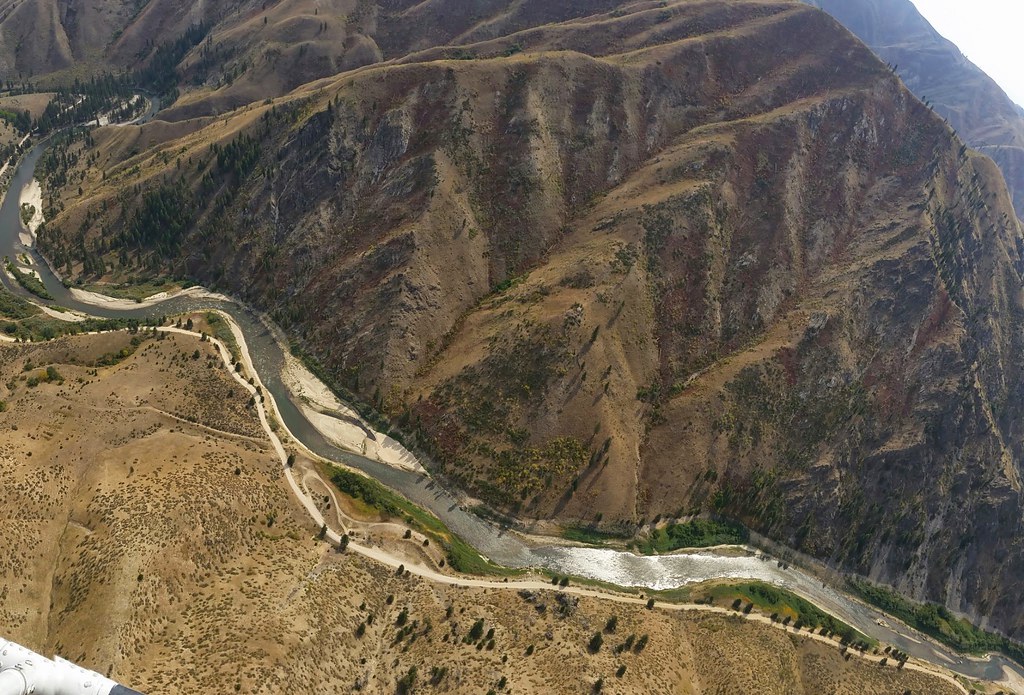
Middle Fork Boise River
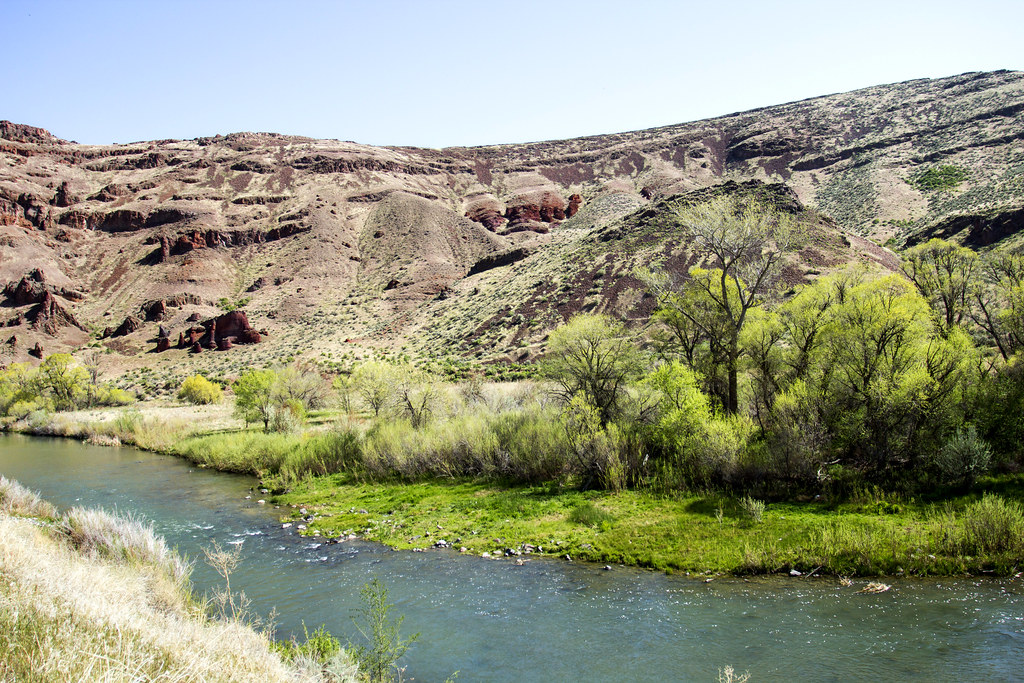
Owyhee River
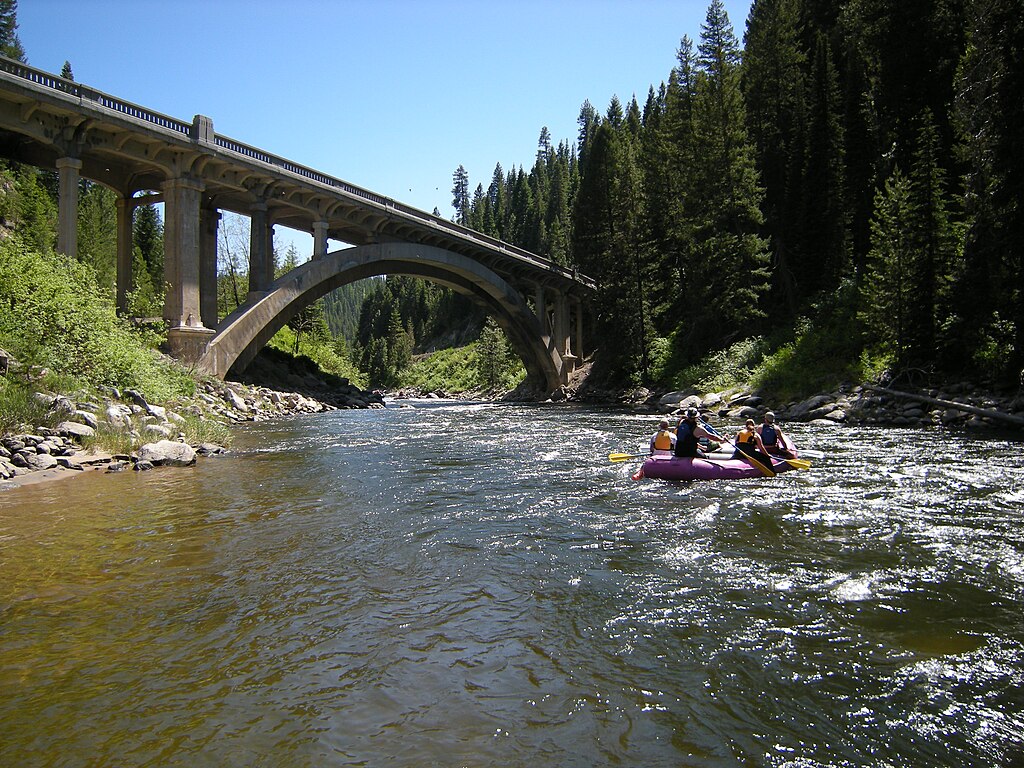
North Fork Payette River
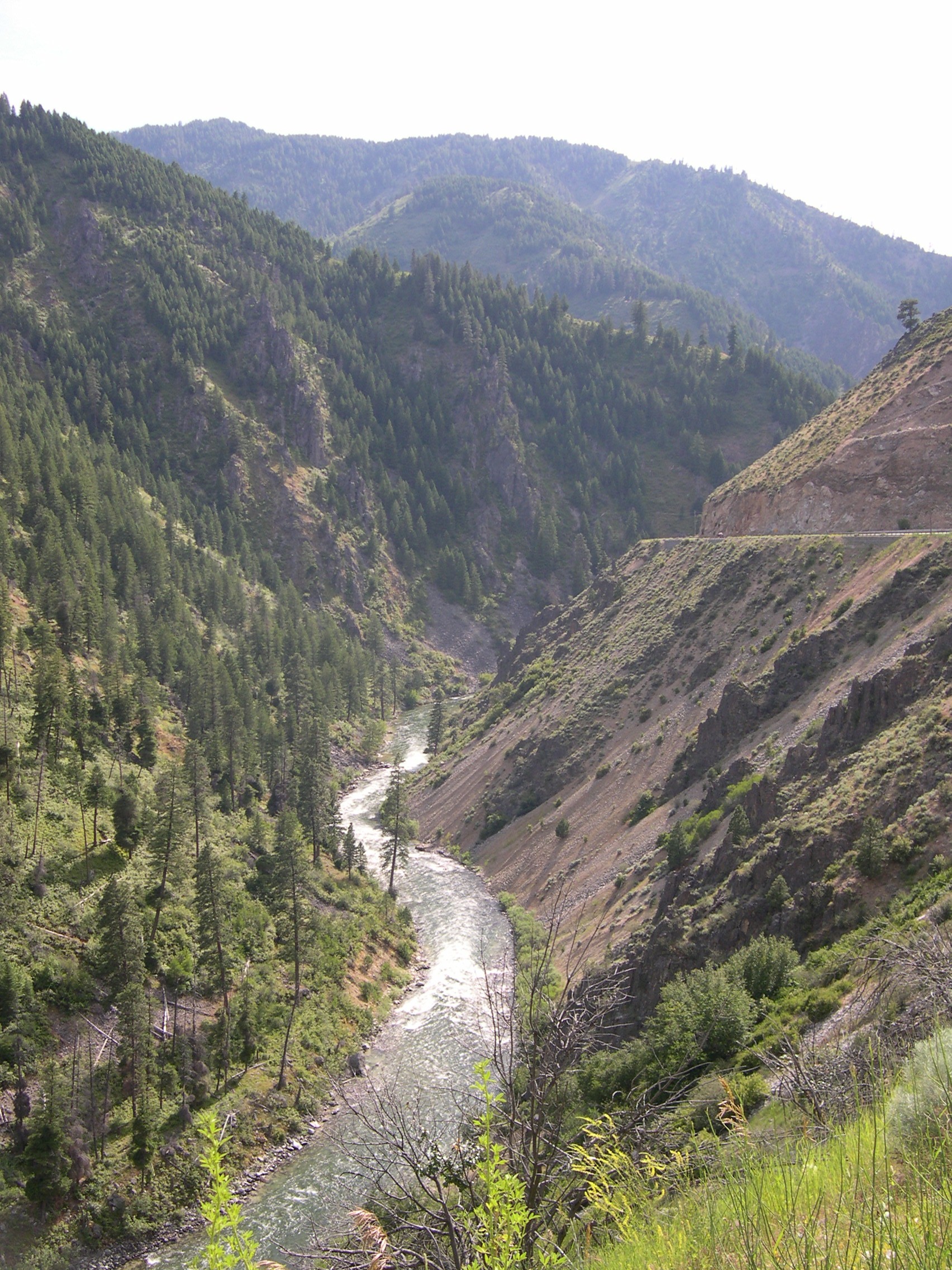
South Fork Payette River
Malheur River
Lucky Peak Lake
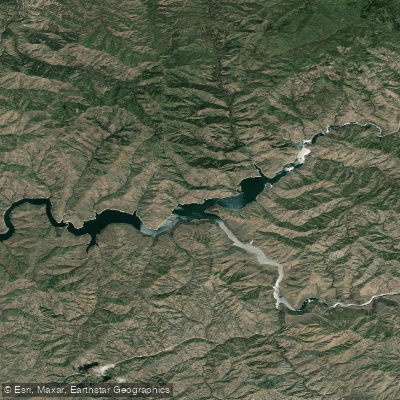
Arrowrock Reservoir
Explore near East Fork Salmon River
Access points
- East Fork Access
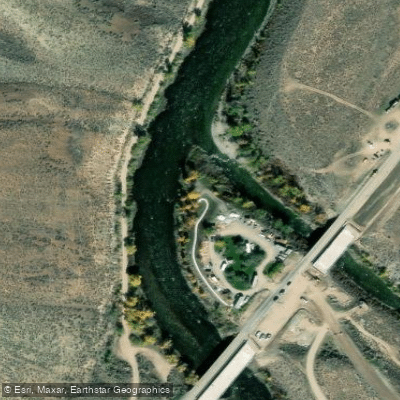
- East Fork Salmon River Bridge
- East Fork Salmon River Bridge
- E.fk.salmon River Bridge
- East Fork Salmon River Bridge
- E.fk.salmon River Bridge
- Germania Ceeek Bridge
- East Fork Salmon River Bridge
- East Fork Salmon River Bridge
- Salmon River;e. Clayton Bridge
- Road Creek Bridge
- Big Boulder Creek Bridge
- All 26 spots
Nearby waters
More in Idaho

Smarter Paddling Starts in the App.
PaddleWays gives you everything you need to plan smarter, paddle better, and own every trip from first launch to takeout.