Fleming Creek
- River
- River
- River length
- 4.8 mi
- Public shoreline
- 43%
- Boat Ramps
- 0
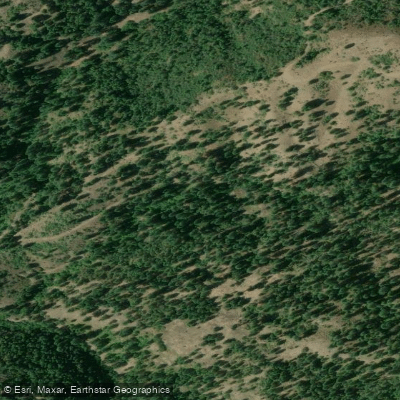
Fleming Creek flows through the rugged terrain of Boise County in central Idaho, originating in the mountainous backcountry and eventually joining the Payette River drainage system. This remote tributary courses through heavily forested slopes and steep canyon terrain characteristic of Idaho's central mountains, cutting through granitic geology typical of the Idaho Batholith that dominates this region.
The creek experiences dramatic seasonal fluctuations driven by snowmelt patterns. Spring runoff, typically peaking between late April and early June, transforms Fleming Creek into a powerful torrent with significantly elevated flows. Historical records indicate the watershed has experienced notable wildfire activity, including the 1989 Fleming Creek Fire that burned over 6,400 acres, which has influenced vegetation patterns and erosion dynamics along the drainage.
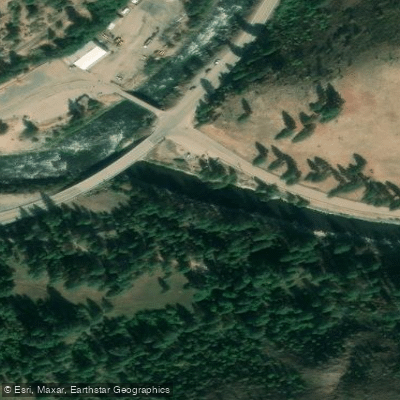
Access to Fleming Creek is limited due to its remote location within Boise County's extensive public lands, primarily managed by the Boise National Forest. The nearest communities include Banks and Lowman, though the creek itself flows through largely undeveloped wilderness. State Highway 55, which runs through the Payette River corridor, provides the primary transportation route through the broader area, though direct creek access requires backcountry navigation.
The Fleming Creek watershed supports typical central Idaho mountain ecosystems, with mixed conifer forests of ponderosa pine, Douglas fir, and lodgepole pine dominating the slopes. Wildlife common to the region includes elk, mule deer, black bear, and mountain lion, along with various bird species adapted to montane environments. The creek itself provides cold-water habitat, though specific fisheries information for this tributary is limited.
Due to its steep gradient, confined channel, and remote character, Fleming Creek presents significant challenges for any water-based recreation. The combination of technical whitewater conditions during runoff, limited access infrastructure, and dense surrounding forest makes this creek suitable only for highly experienced backcountry users with advanced wilderness navigation skills. The area's susceptibility to landslides and avalanches, particularly along steep slopes above the creek, adds additional hazard considerations.
Winter conditions render the Fleming Creek drainage essentially inaccessible, with heavy snowpack persisting well into spring. Summer and early fall offer the most feasible access windows, though flows typically diminish to minimal levels by late summer. Anyone venturing into this watershed should be prepared for self-sufficient backcountry travel, as emergency services response times are extended given the remote location within Boise County's vast public lands.
Hazards
Hazards on Fleming Creek
No hazards are marked on Fleming Creek yet. That is not the same as none being there: if you find one, report it for the next paddler.
From the community
Fleming Creek trip reports
Nobody has shared a trip on Fleming Creek yet. Paddle it, then tell the next paddler how it went.
Water access & public shoreline
See exactly where the public can get on and off the river. Launch points and boat ramps are paired with PaddleWays' public land data so you know where you can legally land.
Public shoreline
43%of the river's shoreline is public
- Public
- 43%
- Private
- 57%
Largest public stretches
- Idaho Department of Lands
- Four Rivers Field Office
Most of the riverbank is private. Launch, land and camp only at public access points.
Flows & paddling conditions (10 day forecast)
Flows and weather, so you know what to expect on Fleming Creek today.
No forecast data available.
Paddle smarter with real-time insights
Live flows, marked hazards and fresh trip reports from paddlers who were just on the water, all in one place.







Find Places to Paddle

Over 400,000 Places to Paddle
Every user gets free access to launch points, boat ramps, and public property parcels.


Idaho licenses and regulations
Idaho Boating Regulations
When using any type of watercraft to access a body of water, it is important to follow all federal, state, and local rules and regulations. These rules and regulations include boat permitting and licensing, invasive species inspections and stamps, life jacket and PFD rules, motor size and horsepower restrictions, noise limitations, restrictions on personal watercraft, and many more. Visit the web link below for the most current rules and regulations for this body of water.
Idaho Boating Regulations
When using any type of watercraft to access a body of water, it is important to follow all federal, state, and local rules and regulations. These rules and regulations include boat permitting and licensing, invasive species inspections and stamps, life jacket and PFD rules, motor size and horsepower restrictions, noise limitations, restrictions on personal watercraft, and many more. Visit the web link below for the most current rules and regulations for this body of water.
Idaho Fishing License
"To fish in Idaho any person 14 years of age or older must have a valid fishing license. Anglers younger than 14 do not need a license, but there is a small difference between resident and nonresident youth. -A resident child under 14 has their own separate fishing limit. -A nonresident child under 14 must be with someone who has a valid fishing license and their fish are in included in the license holders fishing limit. However, a nonresident child may purchase their own license and have their own limit. Special fishing permits are need for some activities for both residents and nonresidents: -Fishing for salmon and steelhead -Fishing with two poles."
Idaho Fishing Regulations
This river has a variety of species and regulations, including potential floating and/or watercraft restrictions. Because this river is specially managed for species, seasons, angling methods, and watercraft, it is strongly encouraged you check all federal, state, and local regulations before fishing. Visit any of the links below, inquire locally, or contact a local fly shop to learn current regulations and restrictions.
Idaho Stream Access Laws
Navigable streams are recognized as public transportation corridors, thus members of the public have the right to use the corridor, provided they enter and exit the corridor at a public right of way and remain within the corridor. Many navigable streams flow through private property, thus it is important that anglers know their rights and responsibilities when fishing in navigable waters that flow through private property.
Paddling near Fleming Creek
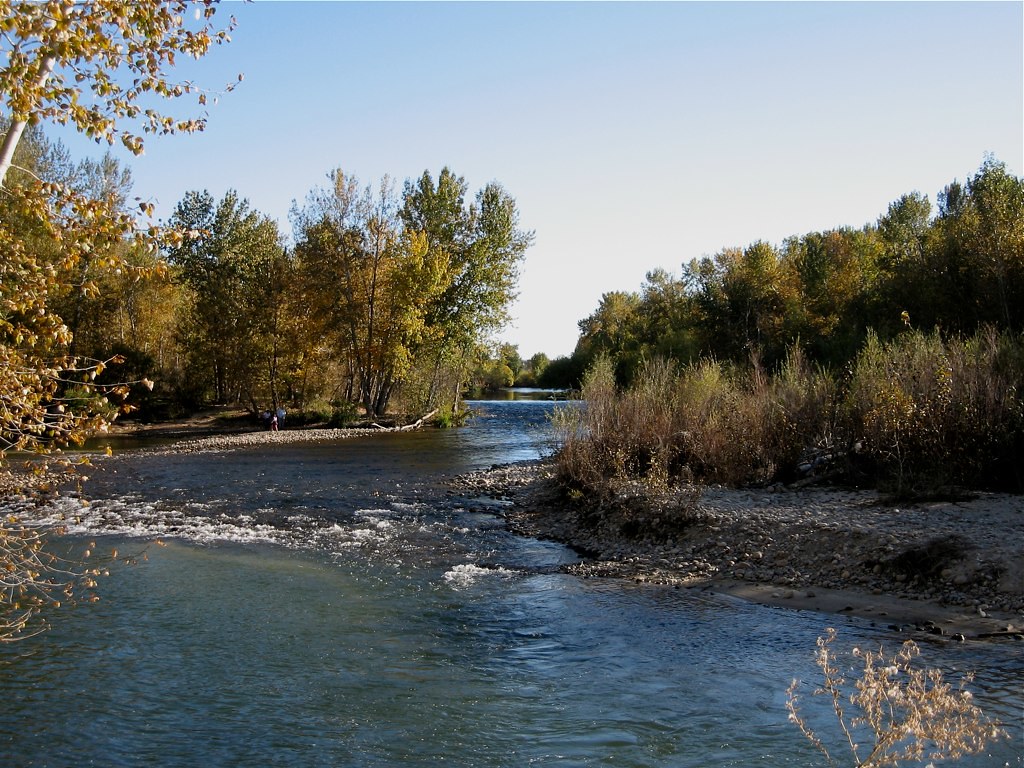
Boise River
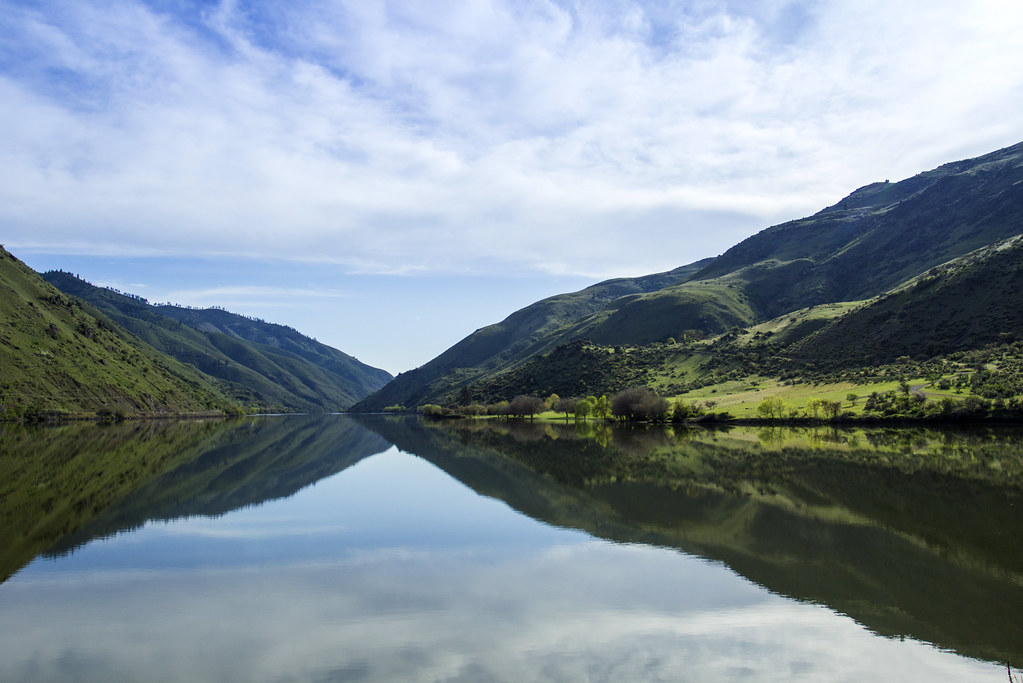
Snake River
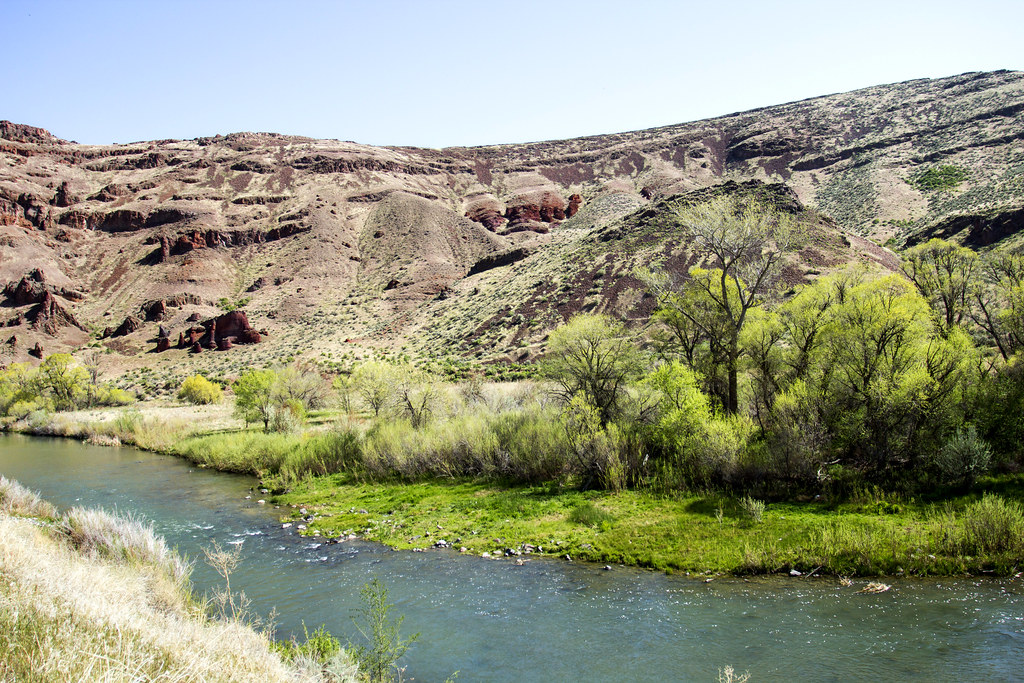
Owyhee River
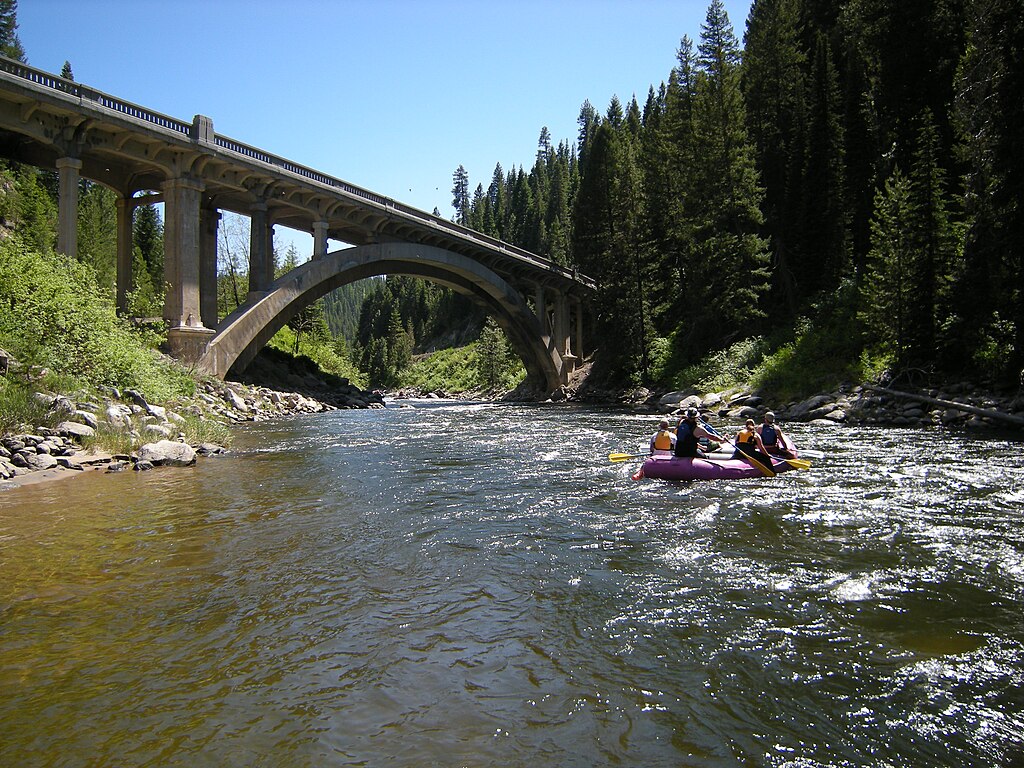
North Fork Payette River
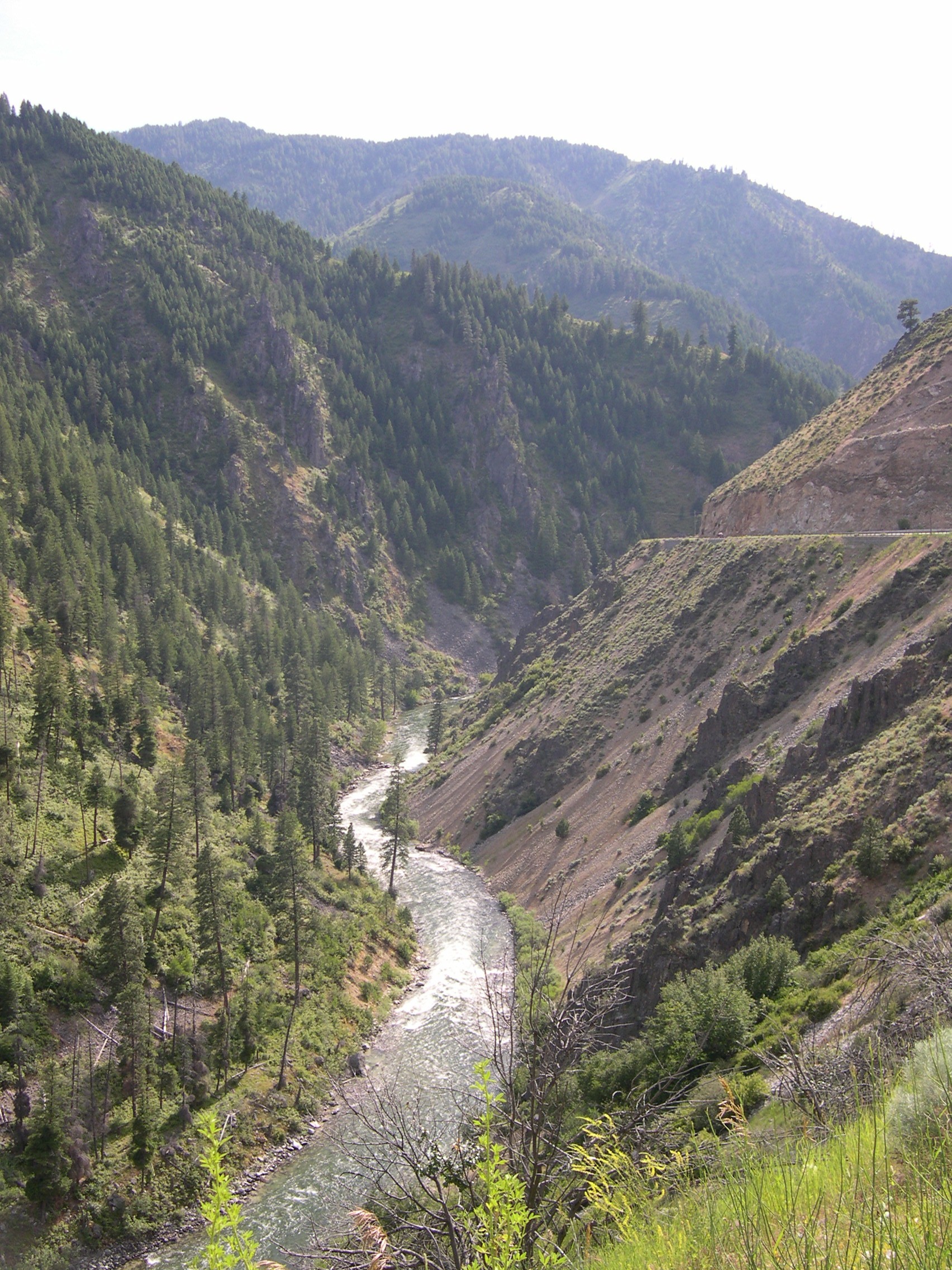
South Fork Payette River
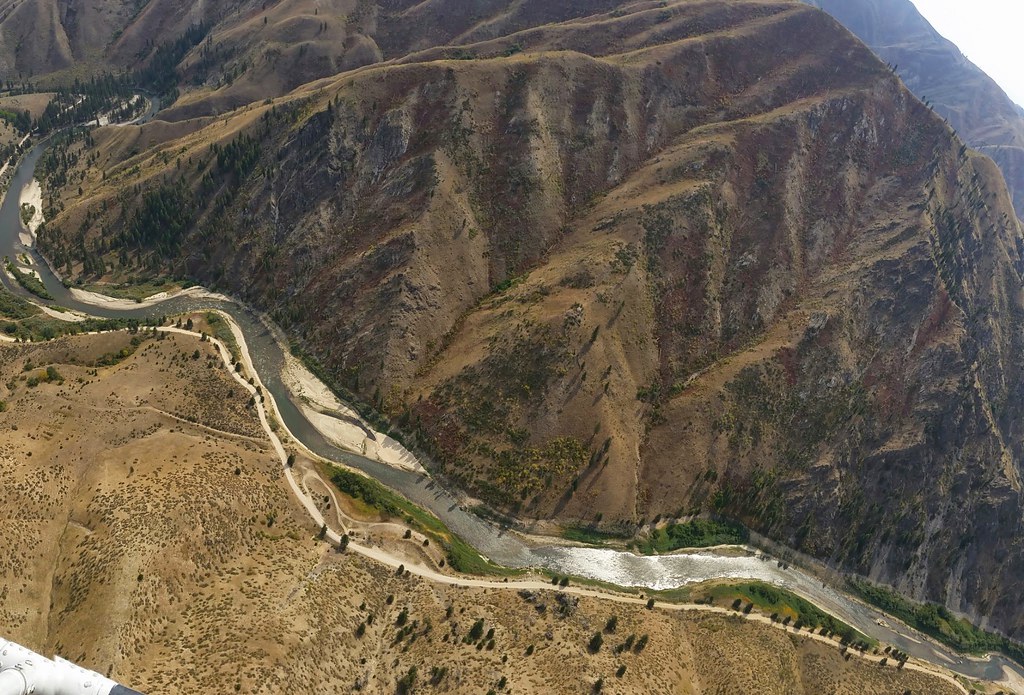
Middle Fork Boise River
Malheur River
Lucky Peak Lake
Arrowrock Reservoir
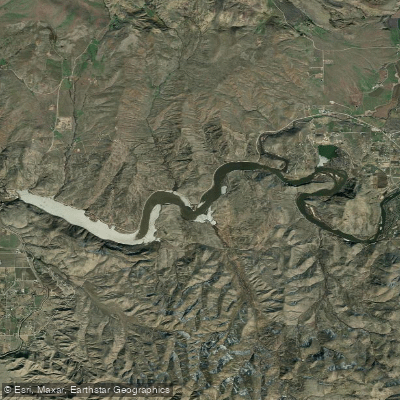
Black Canyon Reservoir
Explore near Fleming Creek
Nearby waters
More in Idaho
Smarter Paddling Starts in the App.
PaddleWays gives you everything you need to plan smarter, paddle better, and own every trip from first launch to takeout.