Little Squaw Creek
- River
- River
- River length
- 7.1 mi
- Public shoreline
- 100%
- Boat Ramps
- 0
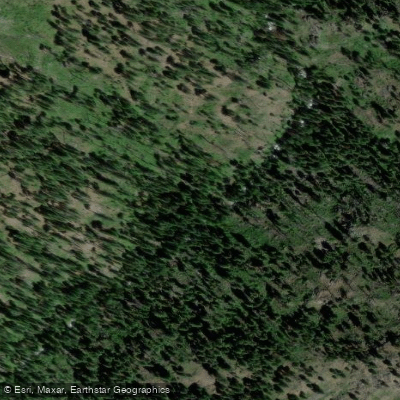
Little Squaw Creek flows through the rugged terrain of Idaho County in central Idaho, originating in the high country and descending to join the Salmon River within the Frank Church River of No Return Wilderness. This tributary enters the Salmon River corridor in one of the most remote and pristine sections of the wilderness, where the main canyon walls rise dramatically from the river's edge. The creek drains a watershed characterized by steep, forested slopes typical of the central Idaho mountains. Its confluence with the Salmon River lies along a stretch known for both its natural beauty and historical significance to early prospectors and miners who worked the area during Idaho's gold rush era. The mouth of Little Squaw Creek is noted in historical accounts as a landmark along the Salmon River, with golden eagles documented nesting in the ledges above the confluence.
Access to Little Squaw Creek is extremely limited due to its location deep within designated wilderness. The primary approach is via multi-day rafting trips on the Main Salmon River, which passes the creek's mouth approximately 56 river miles downstream from Corn Creek. The nearest road access point is Corn Creek, reached by Forest Service roads from Salmon, Idaho, roughly 45 miles to the east. No maintained trails lead directly to the upper watershed, making the creek largely inaccessible except to experienced backcountry travelers.
The surrounding ecosystem supports populations of elk, deer, black bear, and mountain lions, with the riparian corridor providing critical habitat in an otherwise arid canyon environment. The area falls within traditional territories used by Nez Perce and Shoshone peoples, and the broader Salmon River corridor served as an important travel and fishing route for indigenous populations for thousands of years.
Rafters passing the confluence during Main Salmon River trips encounter Class II-III whitewater in the surrounding sections, with the river flowing through a canyon that reaches depths exceeding those of the Grand Canyon. The stretch from Corn Creek to Mackay Bar, which passes Little Squaw Creek, typically runs from June through September, with peak flows in June and more moderate conditions from July through early fall.
The Frank Church River of No Return Wilderness designation provides stringent protections for the watershed, with regulations governing camping, fire use, and human waste disposal. Permits are required for all river travel through this section, managed through a competitive lottery system administered by the Forest Service. The remote character and wilderness designation ensure Little Squaw Creek remains in a largely undisturbed condition, accessible only to those willing to undertake significant wilderness travel.
Hazards
Hazards on Little Squaw Creek
No hazards are marked on Little Squaw Creek yet. That is not the same as none being there: if you find one, report it for the next paddler.
From the community
Little Squaw Creek trip reports
Nobody has shared a trip on Little Squaw Creek yet. Paddle it, then tell the next paddler how it went.
Water access & public shoreline
See exactly where the public can get on and off the river. Launch points and boat ramps are paired with PaddleWays' public land data so you know where you can legally land.
Public shoreline
100%of the river's shoreline is public
- Public
- 100%
- Private
- 0%
Largest public stretches
- Bitterroot National Forest
- Payette National Forest
Flows & paddling conditions (10 day forecast)
Flows and weather, so you know what to expect on Little Squaw Creek today.
No forecast data available.
Paddle smarter with real-time insights
Live flows, marked hazards and fresh trip reports from paddlers who were just on the water, all in one place.

Find Places to Paddle
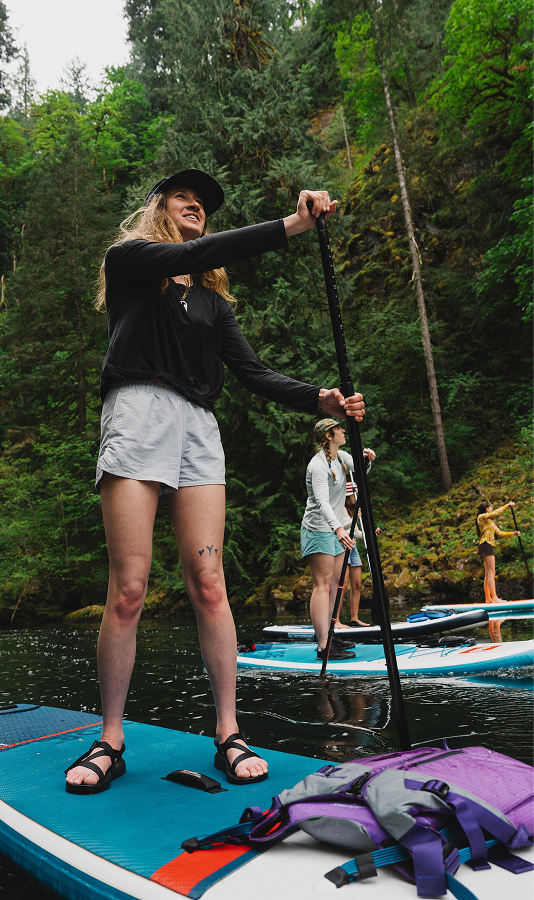
Over 400,000 Places to Paddle
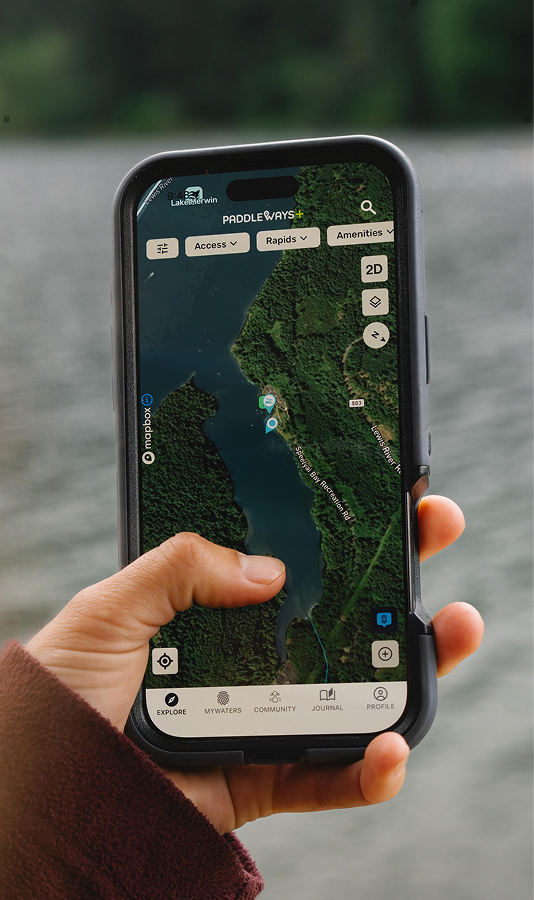
Every user gets free access to launch points, boat ramps, and public property parcels.
Idaho licenses and regulations
Idaho Boating Regulations
When using any type of watercraft to access a body of water, it is important to follow all federal, state, and local rules and regulations. These rules and regulations include boat permitting and licensing, invasive species inspections and stamps, life jacket and PFD rules, motor size and horsepower restrictions, noise limitations, restrictions on personal watercraft, and many more. Visit the web link below for the most current rules and regulations for this body of water.
Idaho Boating Regulations
When using any type of watercraft to access a body of water, it is important to follow all federal, state, and local rules and regulations. These rules and regulations include boat permitting and licensing, invasive species inspections and stamps, life jacket and PFD rules, motor size and horsepower restrictions, noise limitations, restrictions on personal watercraft, and many more. Visit the web link below for the most current rules and regulations for this body of water.
Idaho Fishing License
"To fish in Idaho any person 14 years of age or older must have a valid fishing license. Anglers younger than 14 do not need a license, but there is a small difference between resident and nonresident youth. -A resident child under 14 has their own separate fishing limit. -A nonresident child under 14 must be with someone who has a valid fishing license and their fish are in included in the license holders fishing limit. However, a nonresident child may purchase their own license and have their own limit. Special fishing permits are need for some activities for both residents and nonresidents: -Fishing for salmon and steelhead -Fishing with two poles."
Idaho Fishing Regulations
This river has a variety of species and regulations, including potential floating and/or watercraft restrictions. Because this river is specially managed for species, seasons, angling methods, and watercraft, it is strongly encouraged you check all federal, state, and local regulations before fishing. Visit any of the links below, inquire locally, or contact a local fly shop to learn current regulations and restrictions.
Idaho Stream Access Laws
Navigable streams are recognized as public transportation corridors, thus members of the public have the right to use the corridor, provided they enter and exit the corridor at a public right of way and remain within the corridor. Many navigable streams flow through private property, thus it is important that anglers know their rights and responsibilities when fishing in navigable waters that flow through private property.
Paddling near Little Squaw Creek
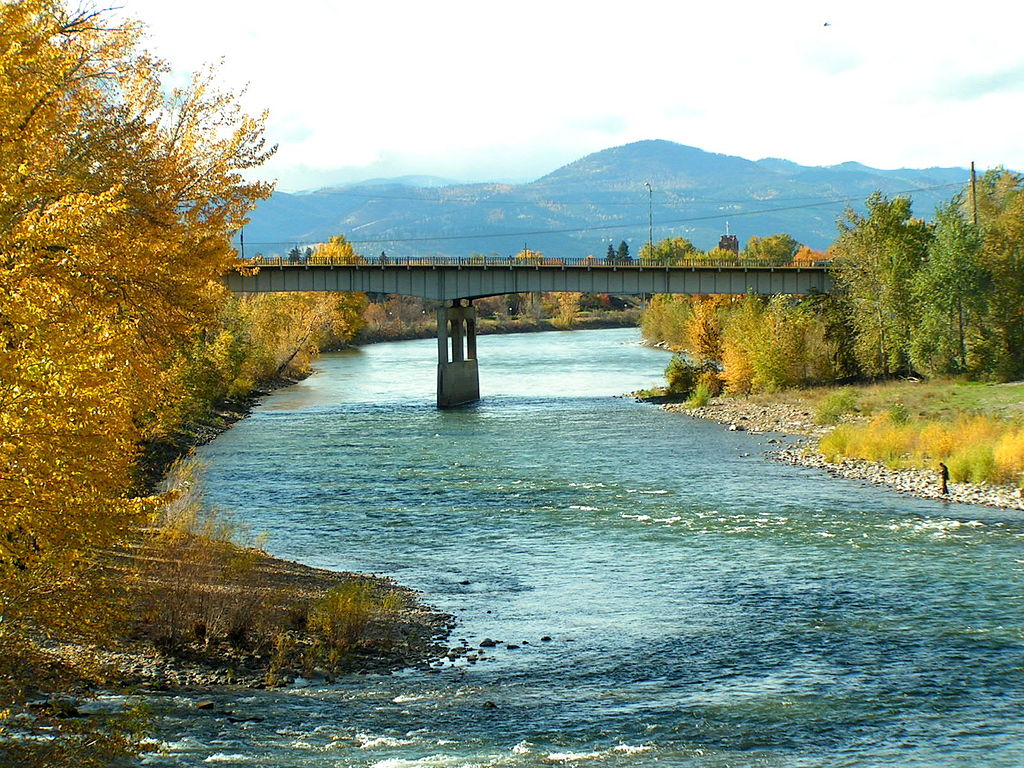
Clark Fork
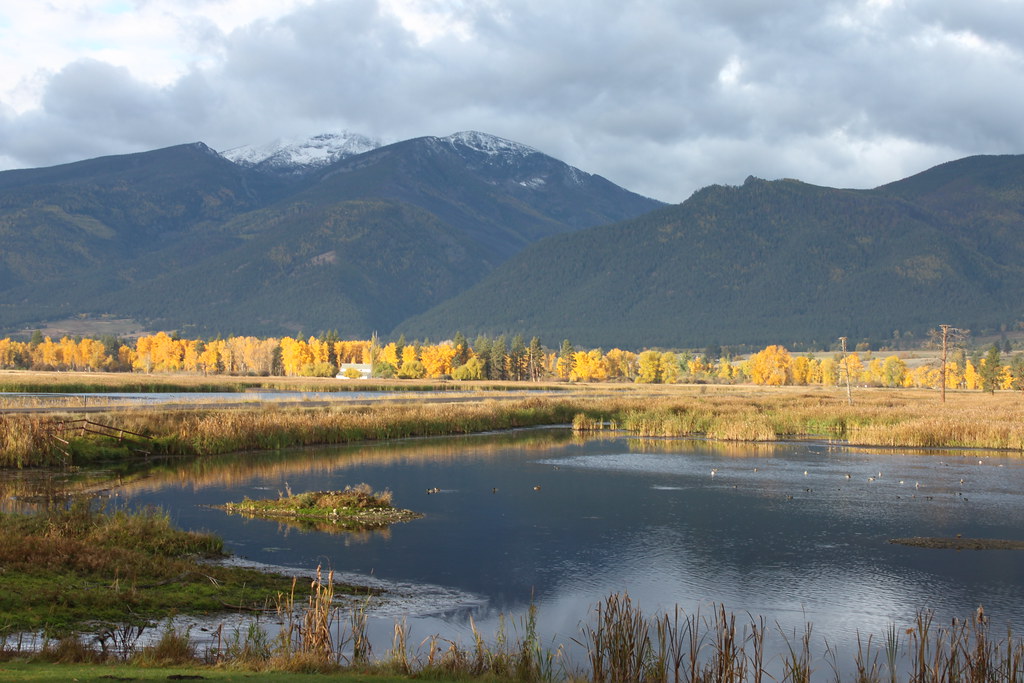
Bitterroot River
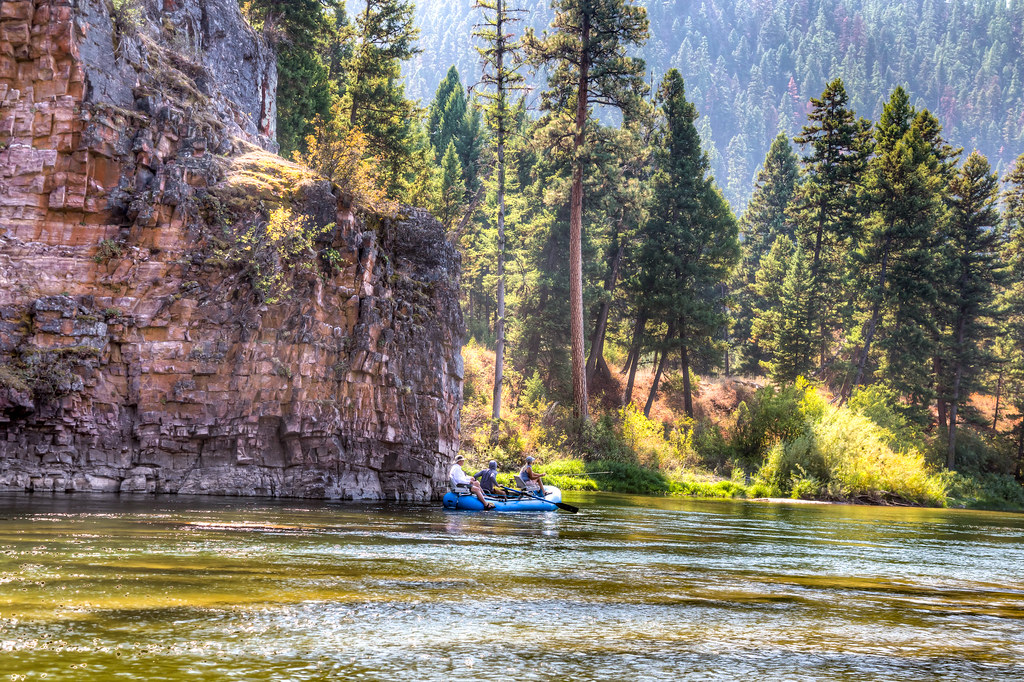
Blackfoot River
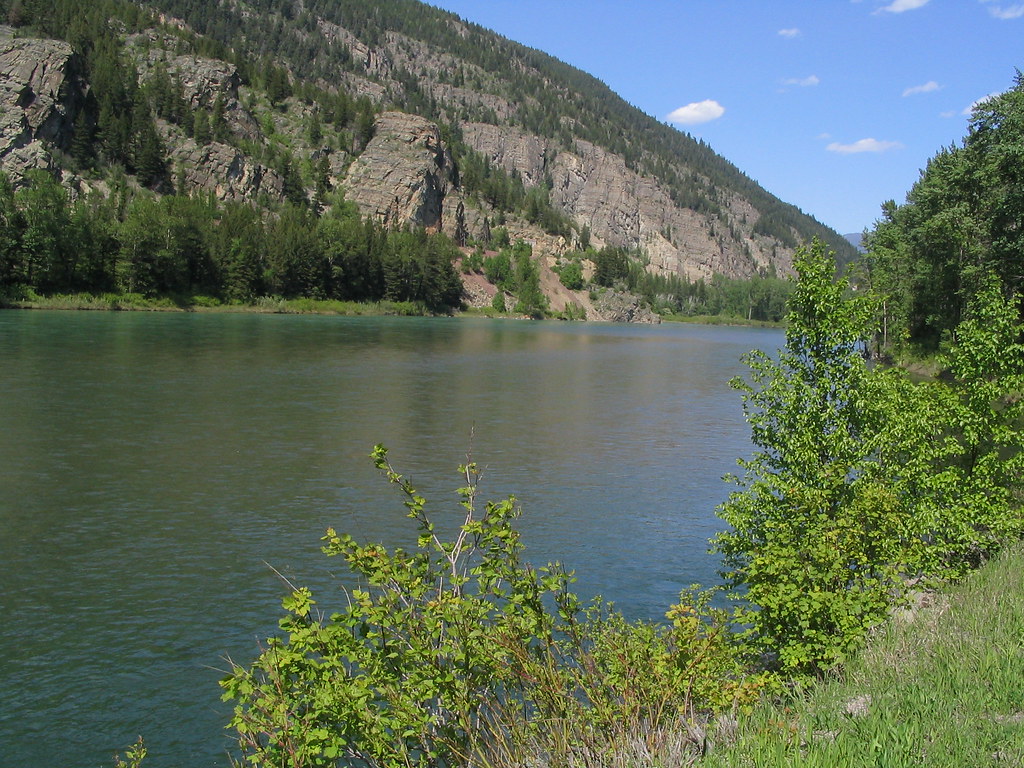
Flathead River
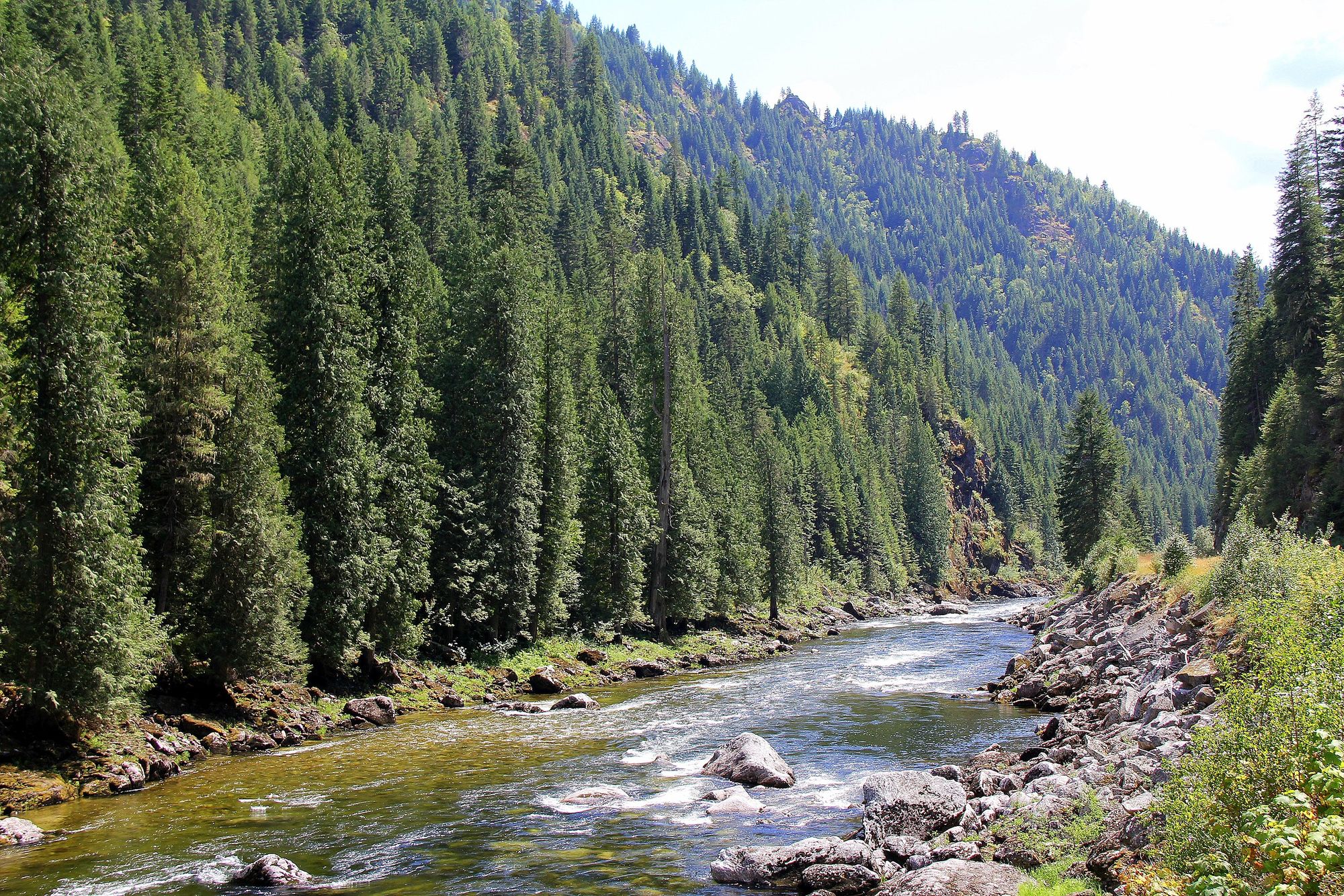
Lochsa River
Rock Creek
Placid Lake
Salmon Lake
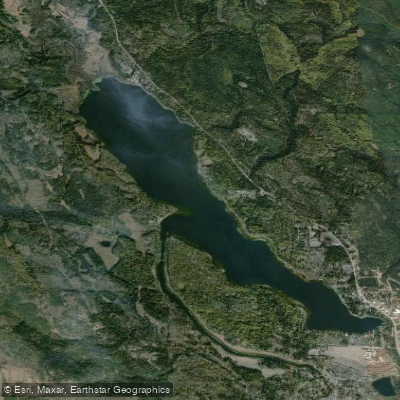
Seeley Lake
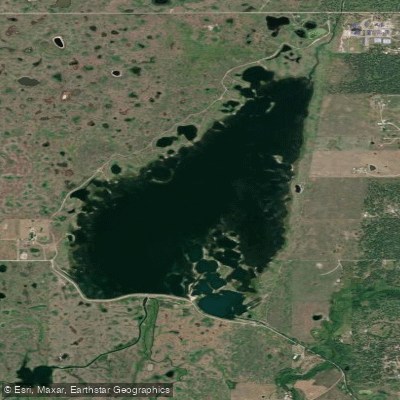
Kicking Horse Reservoir
Explore near Little Squaw Creek
Access points
- Dwyer Smith Trailhead Access
- Upper Lantz Bar Campsite (RR)
- Lower Lantz Campsite (RR)
- Tag Creek Campsite (RL)
- Fawn Creek Campsite (RR)
- Disappointment Creek Camp (RL)
- Otter Beach Campsite (RR)
- Upper Devil's Creek Campsite (RR)
- Wendover Campground
- Devil's Teeth Campground (RL)
- Alder Creek Campsite (RL)
- Overhang Camp (RR)
- All 20 spots
Nearby waters
More in Idaho
Smarter Paddling Starts in the App.
PaddleWays gives you everything you need to plan smarter, paddle better, and own every trip from first launch to takeout.