Marble Creek
- River
- River
- River length
- 23.2 mi
- Public shoreline
- 100%
- Boat Ramps
- 0
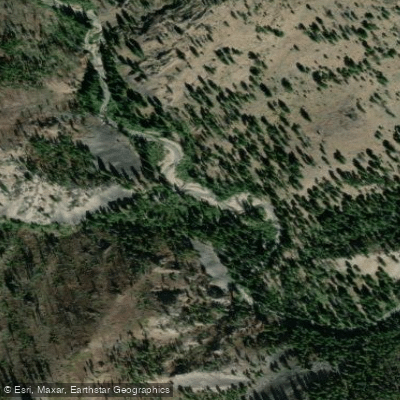
Marble Creek flows through the rugged terrain of Valley County, Idaho, carving its path through the remote backcountry before joining the Middle Fork Salmon River. This tributary system drains a portion of the Frank Church-River of No Return Wilderness area, representing one of the more challenging and isolated whitewater runs in central Idaho's vast river network.
The primary paddling section extends from Marble Creek Bridge, accessible via Hobo Pass Road and the Marble Creek Trail, downstream to the confluence with the St. Joe River at Boulder Bridge. This stretch is rated Class IV, demanding advanced whitewater skills and experience reading complex rapids. The run features technical maneuvering through a series of ledges and holes as the creek descends through a narrow, constricted canyon. Paddlers should anticipate mandatory scouting and potential portages around particularly dangerous sections, especially near features like the Marble Creek Splash Dam, where the canyon temporarily widens before the final approach to the confluence.
Access to Marble Creek requires significant planning and commitment. The put-in at Marble Creek Bridge sits in remote backcountry, with limited road access and minimal facilities. Paddlers pass notable landmarks including Camp Three, Donkey Recreation Site, and Marble Creek Campground during the descent. The isolation of this watershed means self-sufficiency is essential—rescue options are extremely limited, and the nearest services lie considerable distances away in Valley County's scattered communities.
Spring runoff, typically from late May through early July, provides optimal flows for navigating Marble Creek's technical character. During peak snowmelt, water levels can transform already-challenging rapids into extreme hazards, while late-season flows may expose additional rock gardens and require precise boat placement. The narrow canyon amplifies the consequences of mistakes, with limited recovery pools between rapids.
The surrounding forest ecosystem supports populations of elk, black bear, and various raptors. Cutthroat trout inhabit the cold, clear waters, though fishing takes a backseat to the demands of whitewater navigation. Dense conifer forests cloak the steep canyon walls, with occasional openings revealing the broader Salmon River Mountains landscape.
Given the technical difficulty, remote location, and commitment required, Marble Creek attracts experienced paddlers seeking wilderness whitewater challenges. The run demands strong Class IV skills, reliable equipment, and thorough preparation. Paddlers should verify current conditions, carry appropriate safety gear, and inform others of their plans before attempting this isolated Valley County waterway.
Hazards
Hazards on Marble Creek
No hazards are marked on Marble Creek yet. That is not the same as none being there: if you find one, report it for the next paddler.
From the community
Marble Creek trip reports
Nobody has shared a trip on Marble Creek yet. Paddle it, then tell the next paddler how it went.
Water access & public shoreline
See exactly where the public can get on and off the river. Launch points and boat ramps are paired with PaddleWays' public land data so you know where you can legally land.
Public shoreline
100%of the river's shoreline is public
- Public
- 100%
- Private
- 0%
Largest public stretches
- Boise National Forest
- Payette National Forest
- Marble Creek Ranch
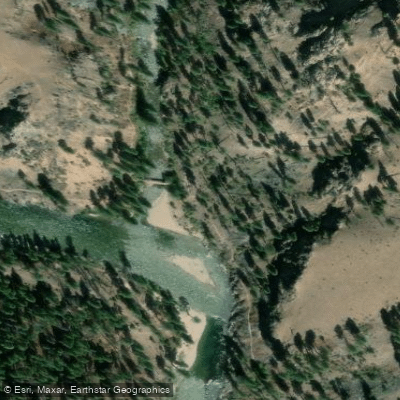
Flows & paddling conditions (10 day forecast)
Flows and weather, so you know what to expect on Marble Creek today.
No forecast data available.
Paddle smarter with real-time insights
Live flows, marked hazards and fresh trip reports from paddlers who were just on the water, all in one place.







Find Places to Paddle

Over 400,000 Places to Paddle
Every user gets free access to launch points, boat ramps, and public property parcels.


Idaho licenses and regulations
Idaho Boating Regulations
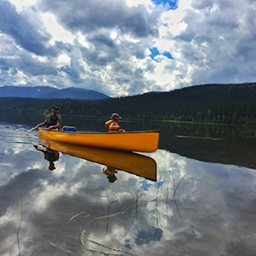
When using any type of watercraft to access a body of water, it is important to follow all federal, state, and local rules and regulations. These rules and regulations include boat permitting and licensing, invasive species inspections and stamps, life jacket and PFD rules, motor size and horsepower restrictions, noise limitations, restrictions on personal watercraft, and many more. Visit the web link below for the most current rules and regulations for this body of water.
Idaho Boating Regulations
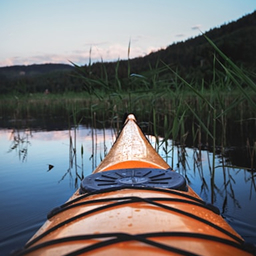
When using any type of watercraft to access a body of water, it is important to follow all federal, state, and local rules and regulations. These rules and regulations include boat permitting and licensing, invasive species inspections and stamps, life jacket and PFD rules, motor size and horsepower restrictions, noise limitations, restrictions on personal watercraft, and many more. Visit the web link below for the most current rules and regulations for this body of water.
Idaho Fishing License
"To fish in Idaho any person 14 years of age or older must have a valid fishing license. Anglers younger than 14 do not need a license, but there is a small difference between resident and nonresident youth. -A resident child under 14 has their own separate fishing limit. -A nonresident child under 14 must be with someone who has a valid fishing license and their fish are in included in the license holders fishing limit. However, a nonresident child may purchase their own license and have their own limit. Special fishing permits are need for some activities for both residents and nonresidents: -Fishing for salmon and steelhead -Fishing with two poles."
Idaho Fishing Regulations
This river has a variety of species and regulations, including potential floating and/or watercraft restrictions. Because this river is specially managed for species, seasons, angling methods, and watercraft, it is strongly encouraged you check all federal, state, and local regulations before fishing. Visit any of the links below, inquire locally, or contact a local fly shop to learn current regulations and restrictions.
Idaho Stream Access Laws
Navigable streams are recognized as public transportation corridors, thus members of the public have the right to use the corridor, provided they enter and exit the corridor at a public right of way and remain within the corridor. Many navigable streams flow through private property, thus it is important that anglers know their rights and responsibilities when fishing in navigable waters that flow through private property.
Paddling near Marble Creek
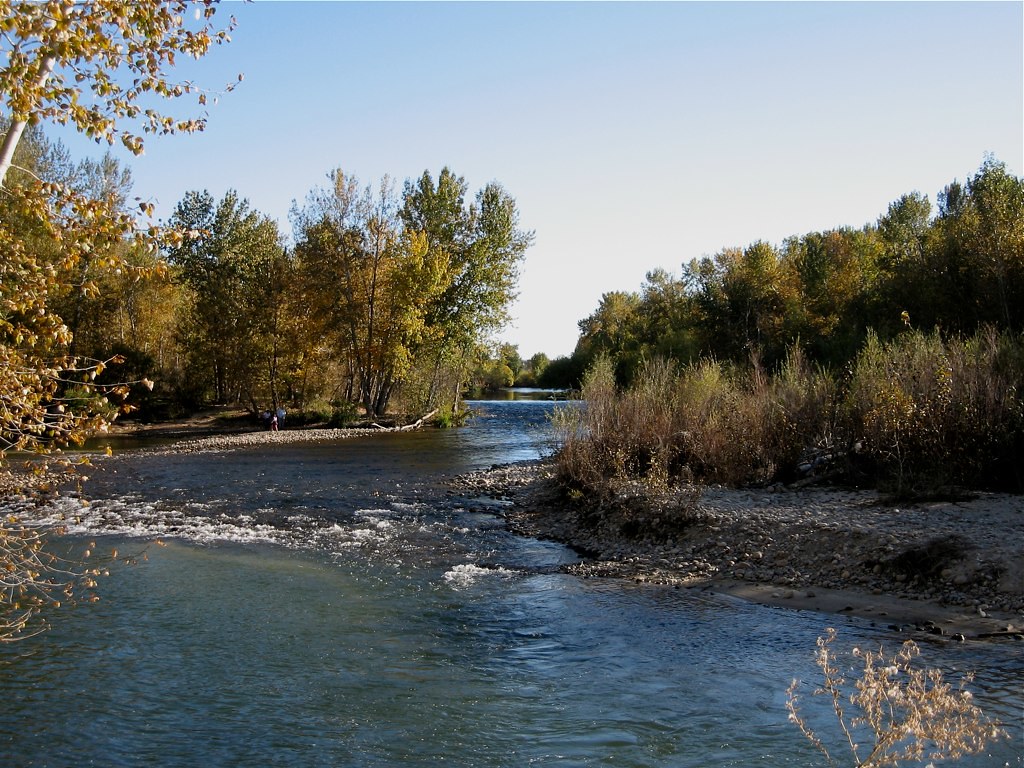
Boise River
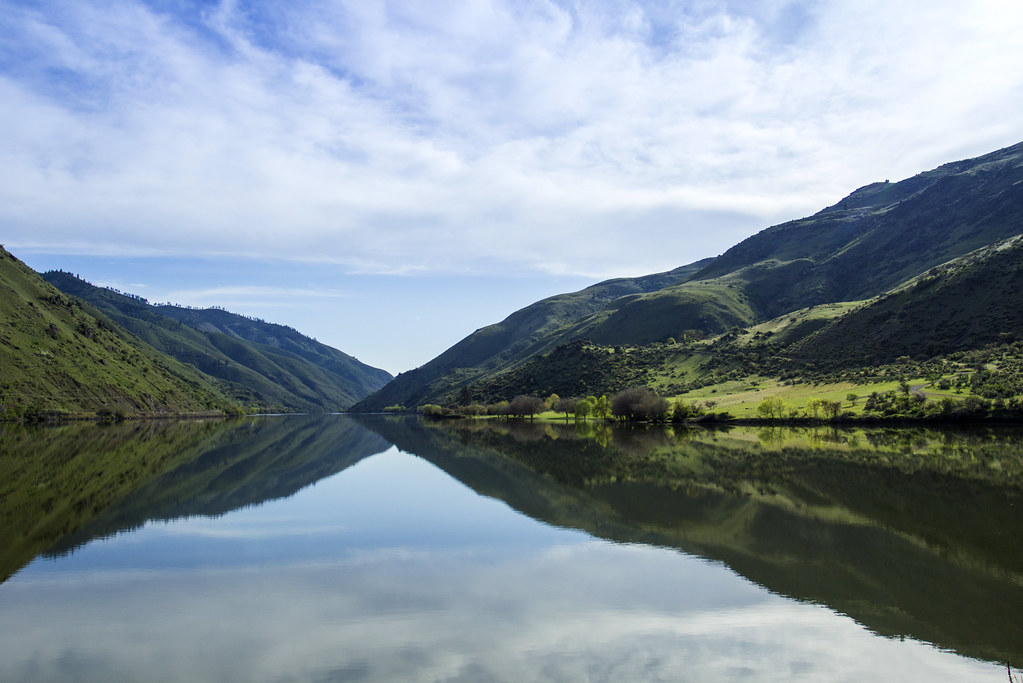
Snake River
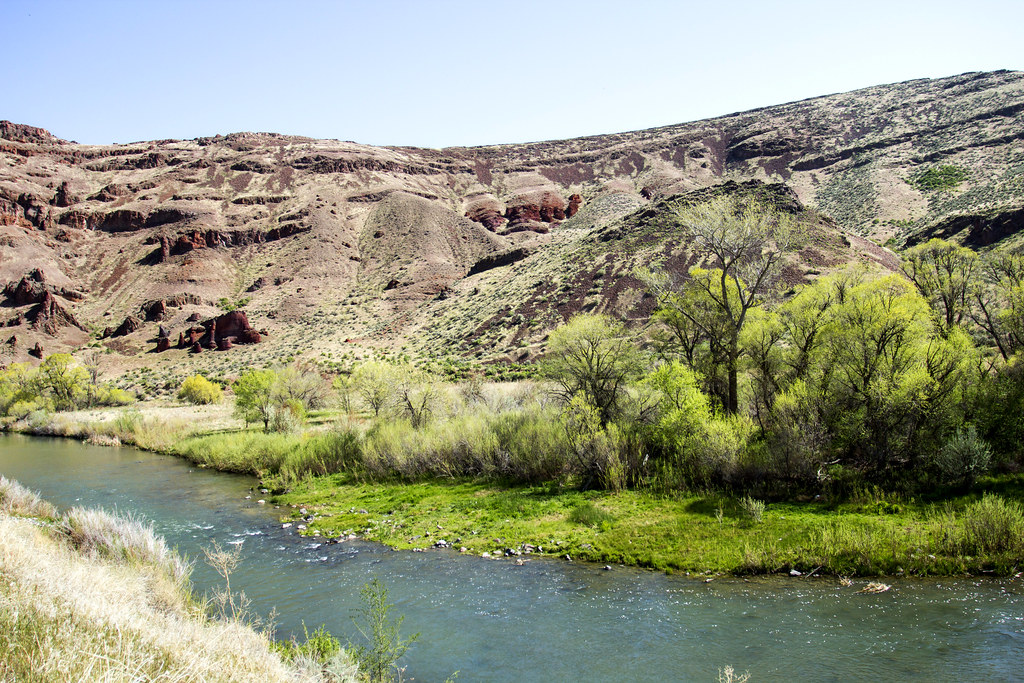
Owyhee River
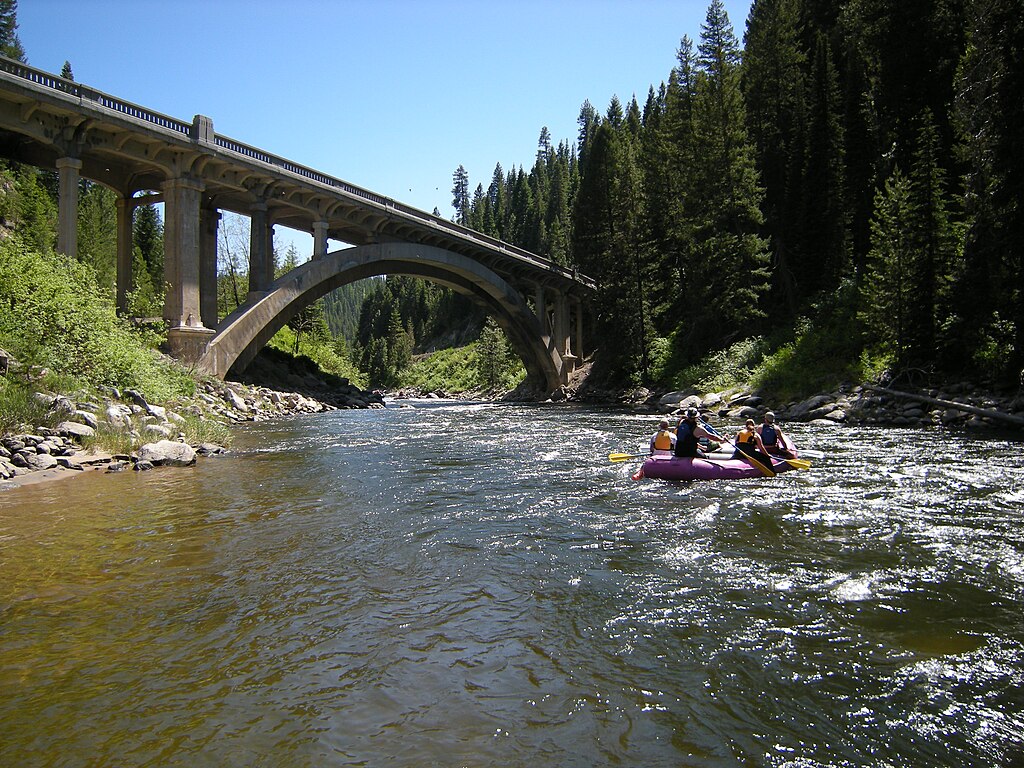
North Fork Payette River
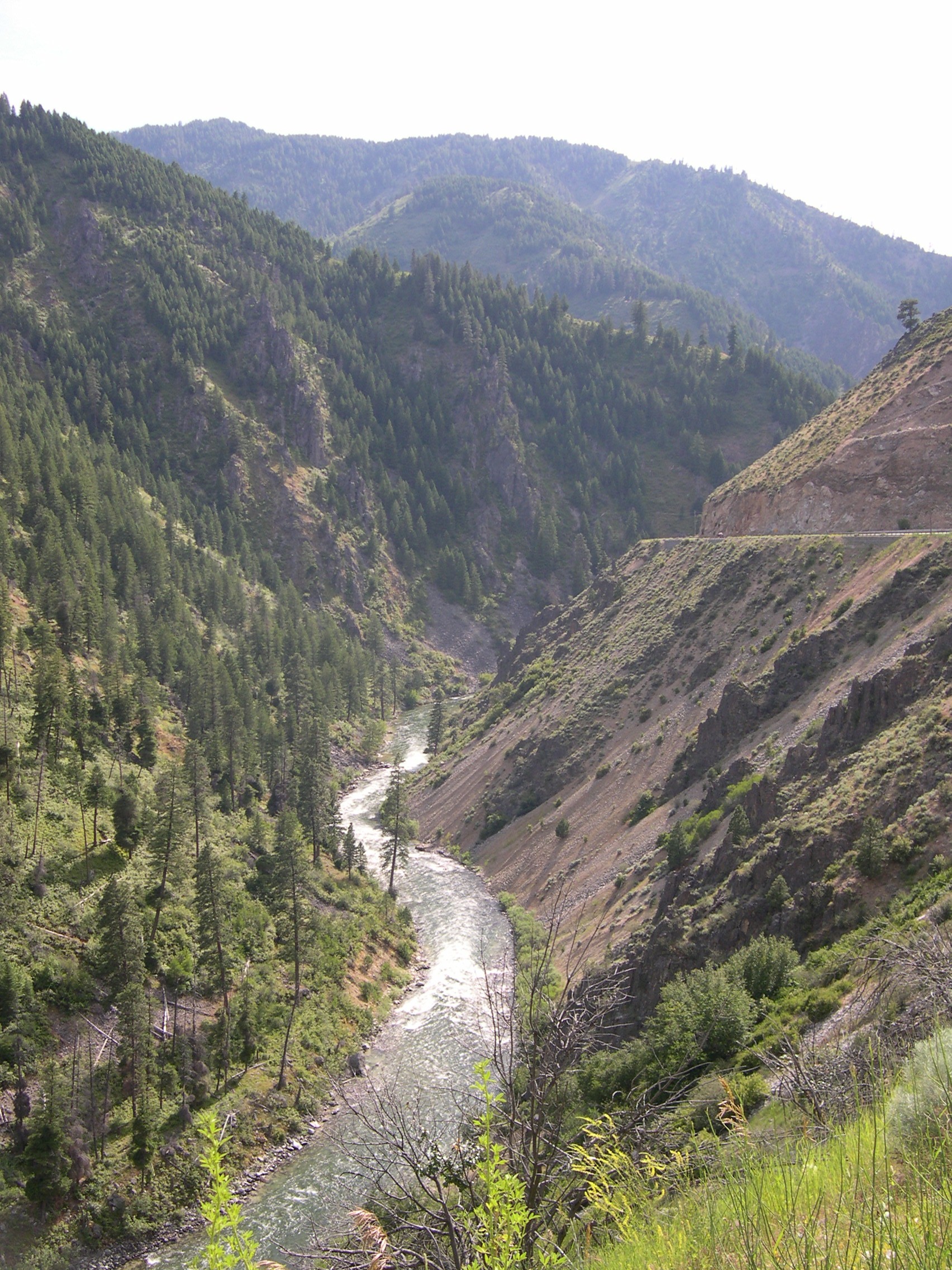
South Fork Payette River
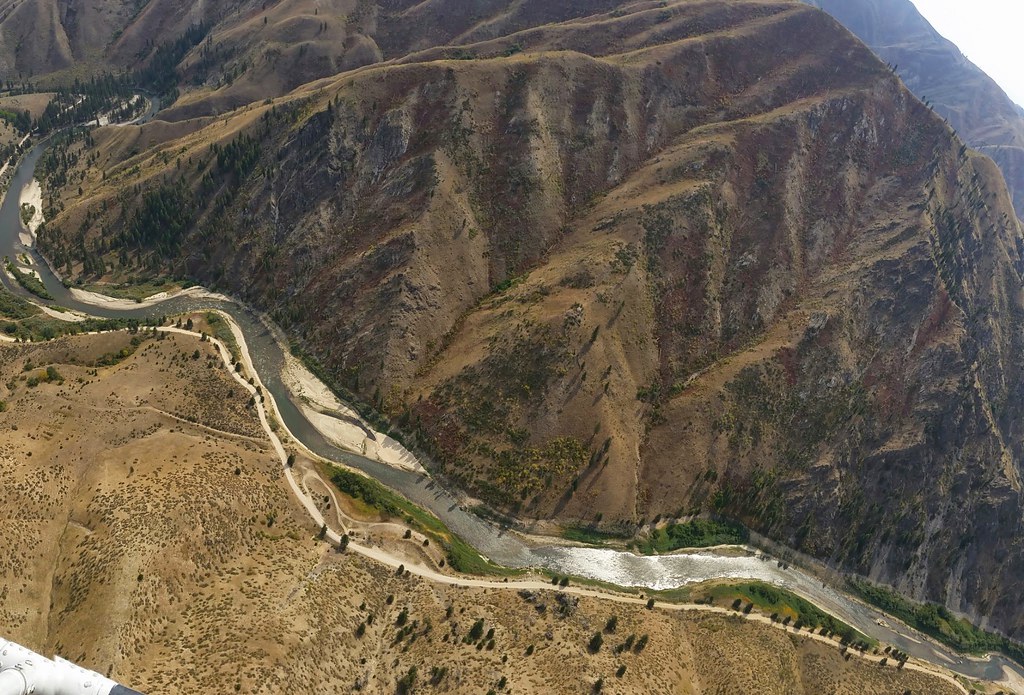
Middle Fork Boise River
Malheur River
Lucky Peak Lake
Arrowrock Reservoir
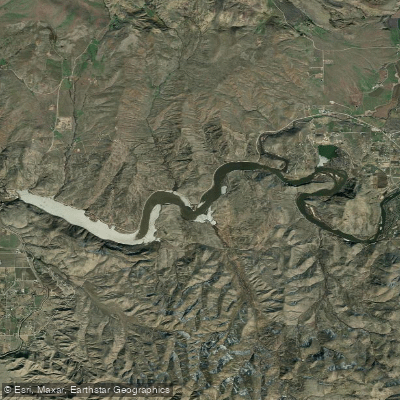
Black Canyon Reservoir
Explore near Marble Creek
Access points
Nearby waters
More in Idaho
Smarter Paddling Starts in the App.
PaddleWays gives you everything you need to plan smarter, paddle better, and own every trip from first launch to takeout.