New York Canal
- River
- 1 hazard marked
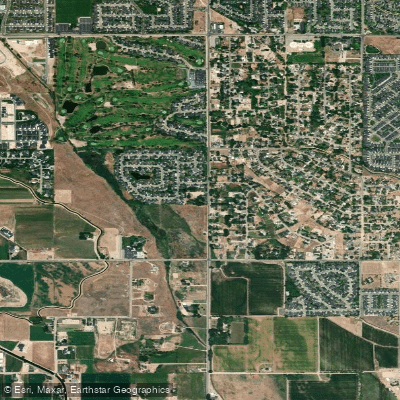
- River
- 1 hazard marked
- River length
- 35.8 mi
- Hazard marked
- 1
- Public shoreline
- 5%
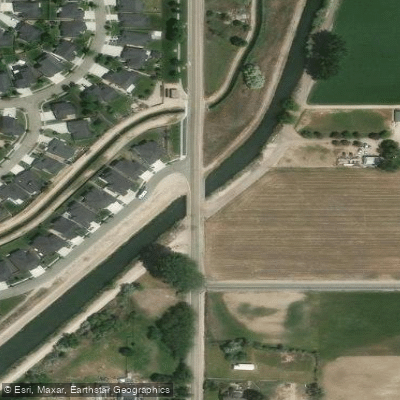
The New York Canal is a 41-mile irrigation canal in southern Idaho, running from the Diversion Dam on the Boise River westward to Lake Lowell. While not a natural river, this man-made waterway offers unique paddling opportunities through diverse landscapes of the Treasure Valley. Constructed in the early 1900s, the New York Canal played a crucial role in transforming the arid region between the Boise River and the Snake River into productive farmland. Today, it serves as both an essential irrigation system and an intriguing waterway for recreational use.
Paddling the New York Canal provides a distinctive experience, allowing adventurers to traverse urban, rural, and small town environments of southern Idaho. The canal's consistent flow and relatively calm waters make it suitable for paddlers of various skill levels, though caution is always advised due to the presence of irrigation structures and varying water levels. The paddling season typically runs from late spring through early fall, coinciding with the irrigation schedule. However, water levels can fluctuate based on agricultural needs, so it's essential to check current conditions before planning a trip.
Along the canal, paddlers may encounter a variety of wildlife adapted to this unique ecosystem, including waterfowl, small mammals, and possibly fish species that have made their way into the canal from connected water bodies. Key points of interest include the historic Diversion Dam at the canal's origin, views of the Boise foothills, and the expansive Lake Lowell at the western terminus. The canal passes through or near several communities, including Boise and Nampa, offering opportunities for rest stops or resupply.
Access points are limited and may require permission from local authorities or landowners. Paddlers should research and plan their put-in and take-out locations carefully, with the primary access points being near the Diversion Dam and Lake Lowell.
Safety considerations are paramount when paddling the New York Canal. Paddlers must be aware of potential hazards such as low-head dams, water control structures, and fluctuating water levels. It's crucial to wear appropriate safety gear and to be mindful of private property along the banks. While multi-day trips are possible, they require careful planning due to limited camping options along the canal. Day trips or section paddles are more common and offer a great way to explore this unique piece of Idaho's agricultural heritage.
Before embarking on any paddling adventure on the New York Canal, it's essential to contact local authorities, such as the Boise Project Board of Control, for current conditions, access information, and any specific regulations or permits required for recreational use of this irrigation waterway.
Hazards
Hazards on New York Canal
No paddler has reported a hazard here yet, so these are the dams, falls and big rapids on our map. Hazards change with flows and storms, so check them before you launch.
Boise River Diversion Dam
From our mapDam
From the community
New York Canal trip reports
Nobody has shared a trip on New York Canal yet. Paddle it, then tell the next paddler how it went.
Water access & public shoreline
See exactly where the public can get on and off the river. Launch points and boat ramps are paired with PaddleWays' public land data so you know where you can legally land.
Public shoreline
5%of the river's shoreline is public
- Public
- 5%
- Private
- 95%
Largest public stretches
- South Boise Loop Trail
- Holcomb Trail
- Idaho Department of Lands
Most of the riverbank is private. Launch, land and camp only at public access points.
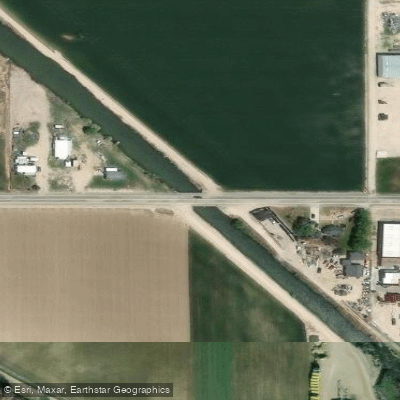
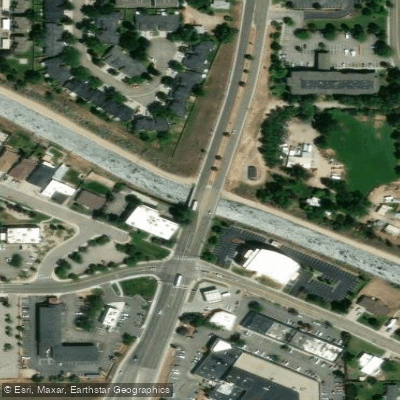
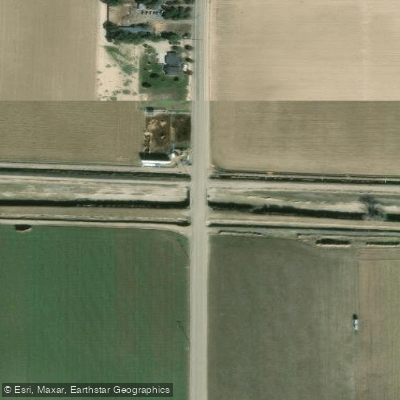
Flows & paddling conditions (10 day forecast)
Flows and weather, so you know what to expect on New York Canal today.
Boise River below Diversion Dam near Boise
Paddle smarter with real-time insights
Live flows, marked hazards and fresh trip reports from paddlers who were just on the water, all in one place.







Find Places to Paddle

Over 400,000 Places to Paddle
Every user gets free access to launch points, boat ramps, and public property parcels.


Idaho licenses and regulations
Idaho Boating Regulations
When using any type of watercraft to access a body of water, it is important to follow all federal, state, and local rules and regulations. These rules and regulations include boat permitting and licensing, invasive species inspections and stamps, life jacket and PFD rules, motor size and horsepower restrictions, noise limitations, restrictions on personal watercraft, and many more. Visit the web link below for the most current rules and regulations for this body of water.
Idaho Boating Regulations
When using any type of watercraft to access a body of water, it is important to follow all federal, state, and local rules and regulations. These rules and regulations include boat permitting and licensing, invasive species inspections and stamps, life jacket and PFD rules, motor size and horsepower restrictions, noise limitations, restrictions on personal watercraft, and many more. Visit the web link below for the most current rules and regulations for this body of water.
Idaho Fishing License
"To fish in Idaho any person 14 years of age or older must have a valid fishing license. Anglers younger than 14 do not need a license, but there is a small difference between resident and nonresident youth. -A resident child under 14 has their own separate fishing limit. -A nonresident child under 14 must be with someone who has a valid fishing license and their fish are in included in the license holders fishing limit. However, a nonresident child may purchase their own license and have their own limit. Special fishing permits are need for some activities for both residents and nonresidents: -Fishing for salmon and steelhead -Fishing with two poles."
Idaho Fishing Regulations
This river has a variety of species and regulations, including potential floating and/or watercraft restrictions. Because this river is specially managed for species, seasons, angling methods, and watercraft, it is strongly encouraged you check all federal, state, and local regulations before fishing. Visit any of the links below, inquire locally, or contact a local fly shop to learn current regulations and restrictions.
Idaho Stream Access Laws
Navigable streams are recognized as public transportation corridors, thus members of the public have the right to use the corridor, provided they enter and exit the corridor at a public right of way and remain within the corridor. Many navigable streams flow through private property, thus it is important that anglers know their rights and responsibilities when fishing in navigable waters that flow through private property.
Paddling near New York Canal
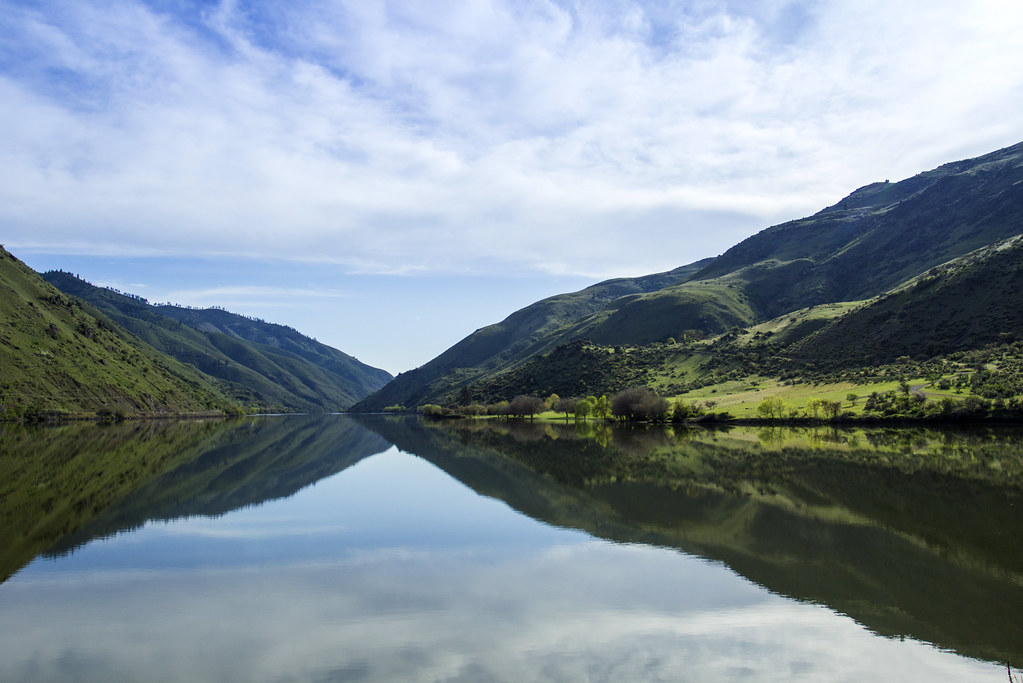
Snake River
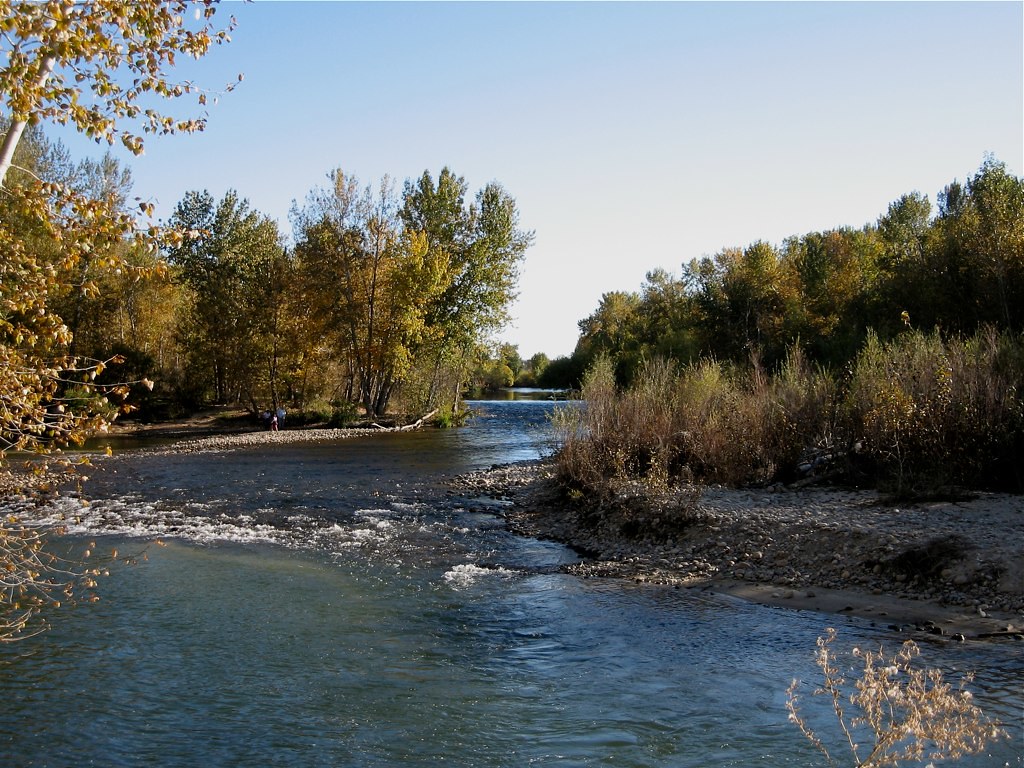
Boise River
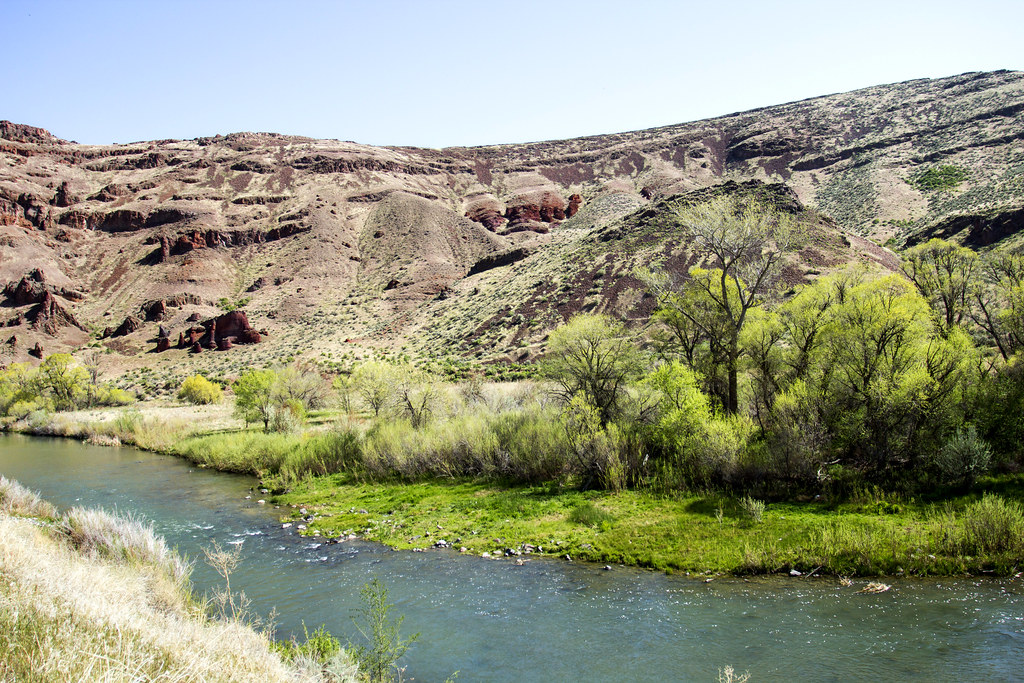
Owyhee River
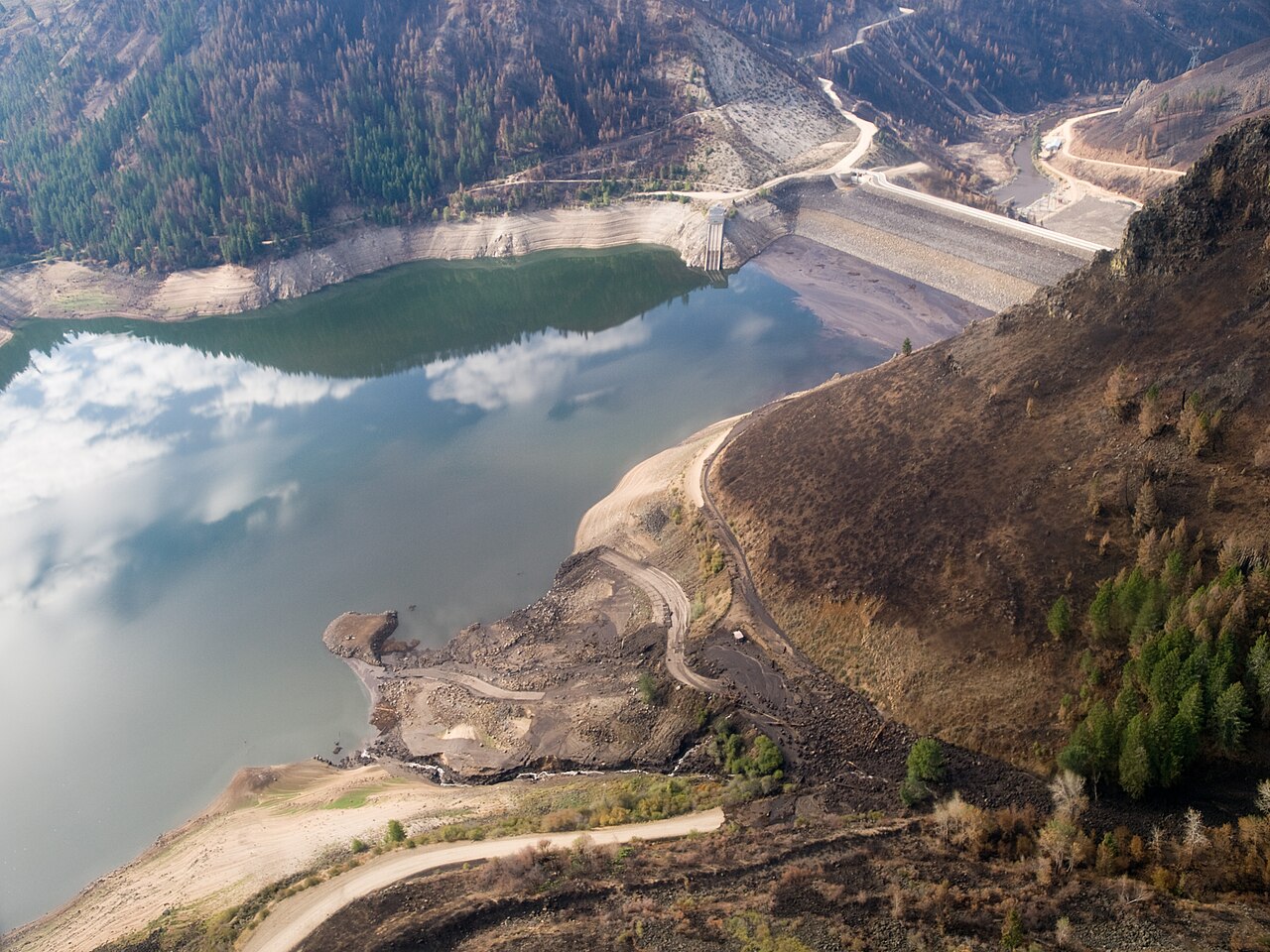
Anderson Ranch Reservoir
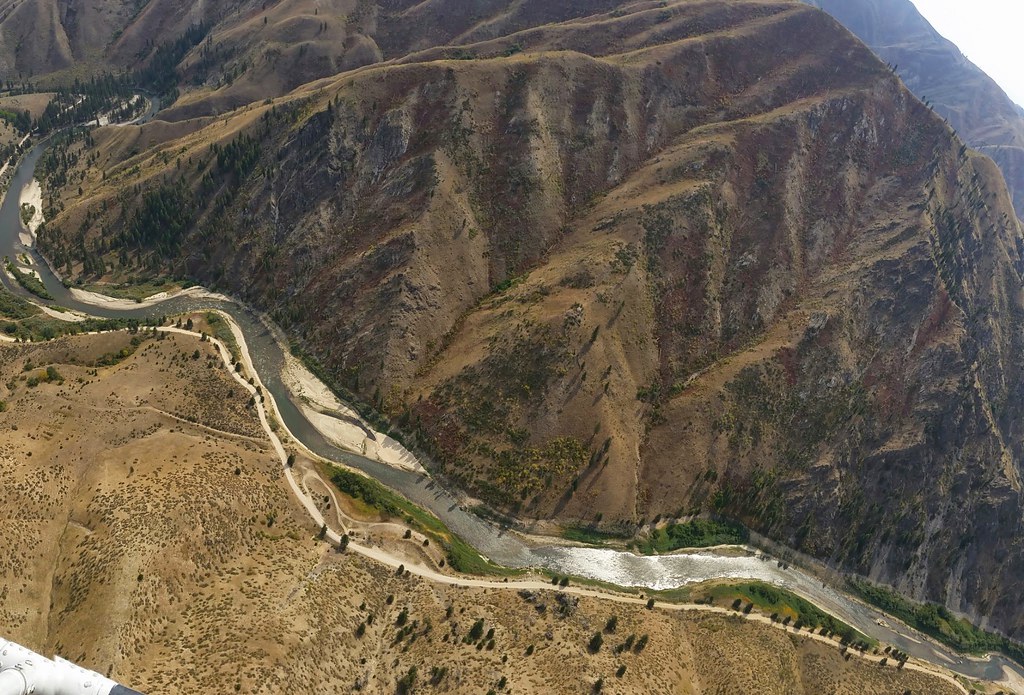
Middle Fork Boise River
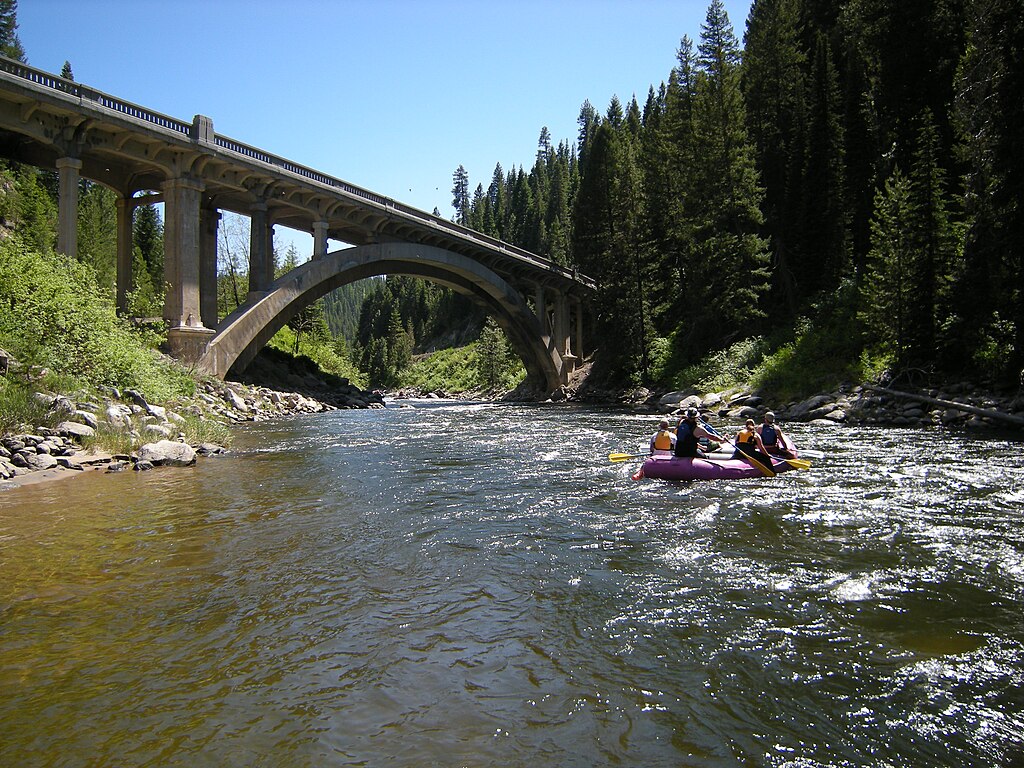
North Fork Payette River
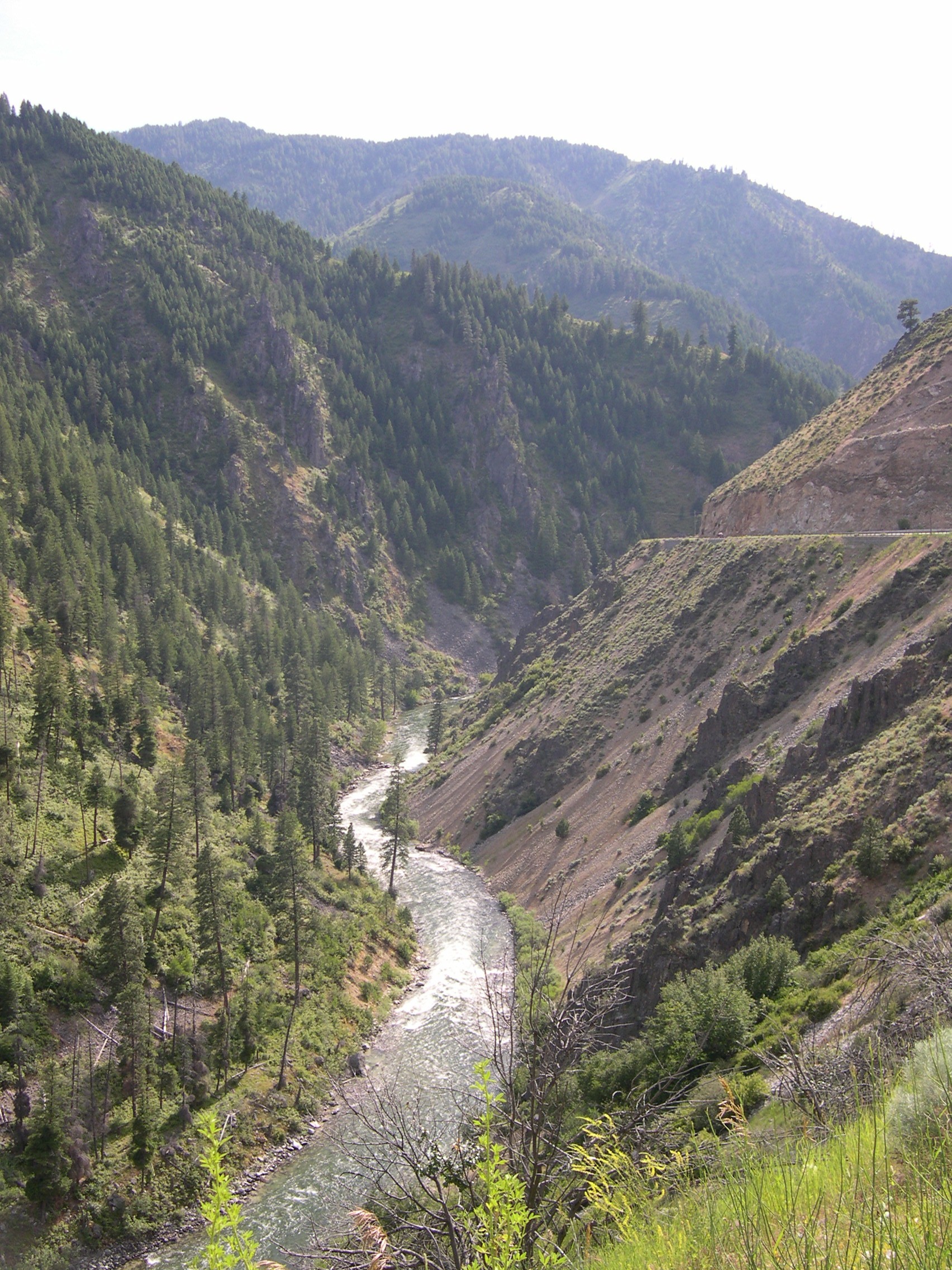
South Fork Payette River
Malheur River
Lucky Peak Lake
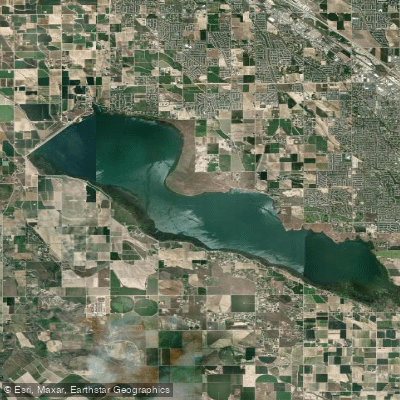
Lake Lowell
Explore near New York Canal
Access points
Nearby waters
More in Idaho
Smarter Paddling Starts in the App.
PaddleWays gives you everything you need to plan smarter, paddle better, and own every trip from first launch to takeout.