Rapid River
- River
- River
- River length
- 16.7 mi
- Public shoreline
- 0%
- Boat Ramps
- 0
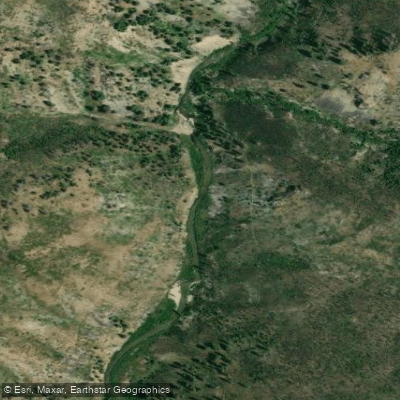
Rapid River carves through the remote wilderness of Custer County, Idaho, flowing as a tributary to the Middle Fork Salmon River within the Selway-Bitterroot Wilderness. This challenging whitewater stream descends through rugged terrain in the Salmon River Mountains, offering experienced paddlers a demanding backcountry adventure far from road access.
The primary paddling section extends approximately 13 miles from Float Creek to the confluence with the Middle Fork Salmon River, rated as Class IV whitewater. This stretch demands solid intermediate to advanced skills, with technical rapids, significant gradient, and continuous whitewater challenges. Paddlers encounter rock gardens, steep drops, and maneuvering requirements that leave little room for error in this wilderness setting.
Access to Rapid River requires substantial commitment. The put-in near Float Creek lies along Forest Road 285 and Josephus Lake Road, requiring high-clearance vehicles and careful navigation of backcountry forest roads. The remote location means paddlers should be self-sufficient and prepared for wilderness conditions, as assistance is not readily available. The take-out at the Middle Fork Salmon River confluence connects with the broader Middle Fork corridor, requiring coordination with Middle Fork permit regulations.
Spring and early summer provide optimal flows, typically from late May through early July, when snowmelt from the surrounding mountains feeds the river. Water levels drop significantly by mid-summer, potentially making the run too shallow or technical. The wilderness setting means no gauge access, so paddlers must rely on regional snowpack data and flow information from nearby rivers.
The Selway-Bitterroot Wilderness designation protects the river corridor, requiring wilderness permits obtainable from Forest Service facilities or registration boxes. Paddlers must practice Leave No Trace principles, with all waste packed out and minimal impact camping if undertaking overnight trips. The wilderness character means no motorized access or development along the river.
The surrounding landscape features dense conifer forests, steep canyon walls, and the characteristic rugged topography of central Idaho's backcountry. Wildlife includes elk, black bears, mountain goats, and various raptors. The isolation and challenging whitewater make this run suitable only for experienced paddlers comfortable with self-rescue and wilderness travel.
The length and remoteness of the Float Creek to Middle Fork section make it appropriate for a long day trip or overnight expedition, depending on water levels and group experience. Paddlers should coordinate logistics carefully, as vehicle shuttles require extensive driving on rough forest roads, and some parties opt for hiking shuttles or arranging pickups at the Middle Fork confluence.
Hazards
Hazards on Rapid River
No hazards are marked on Rapid River yet. That is not the same as none being there: if you find one, report it for the next paddler.
From the community
Rapid River trip reports
Nobody has shared a trip on Rapid River yet. Paddle it, then tell the next paddler how it went.
Water access & public shoreline
See exactly where the public can get on and off the river. Launch points and boat ramps are paired with PaddleWays' public land data so you know where you can legally land.
Public shoreline
0%of the river's shoreline is public
- Public
- 0%
- Private
- 100%
Most of the riverbank is private. Launch, land and camp only at public access points.
Flows & paddling conditions (10 day forecast)
Flows and weather, so you know what to expect on Rapid River today.
No forecast data available.
Paddle smarter with real-time insights
Live flows, marked hazards and fresh trip reports from paddlers who were just on the water, all in one place.
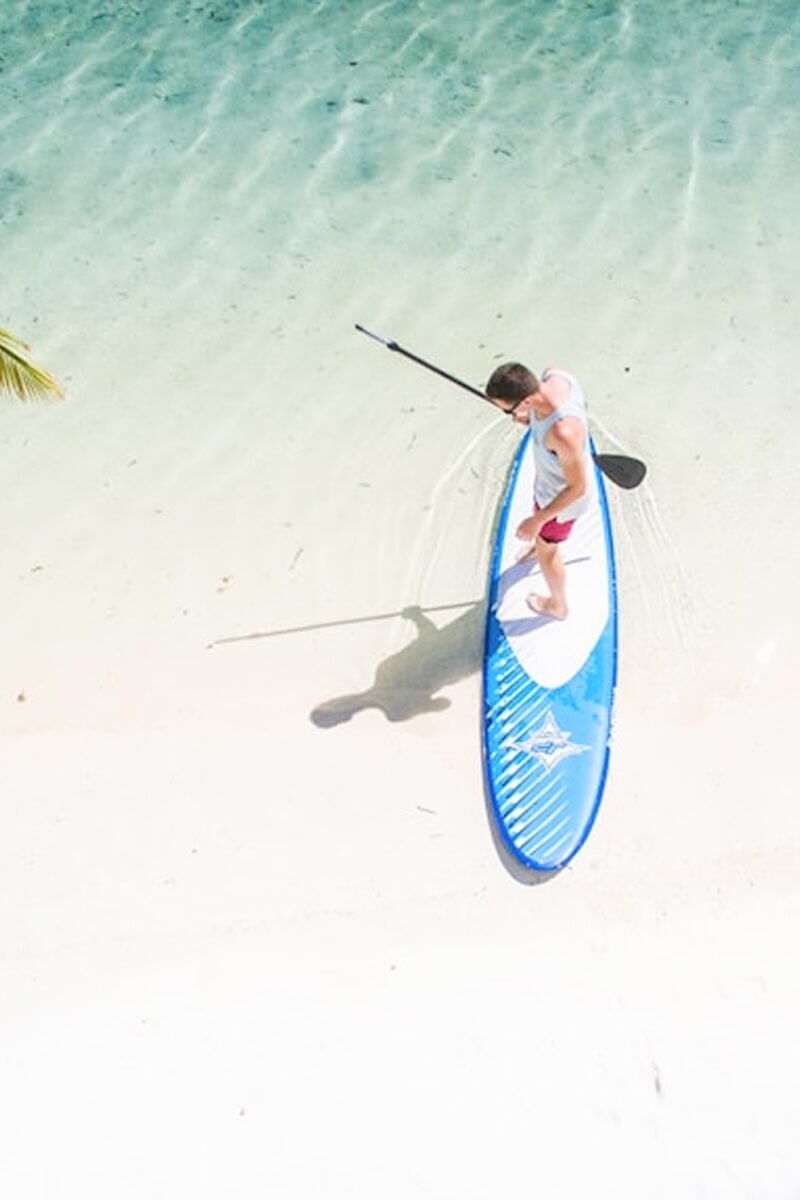
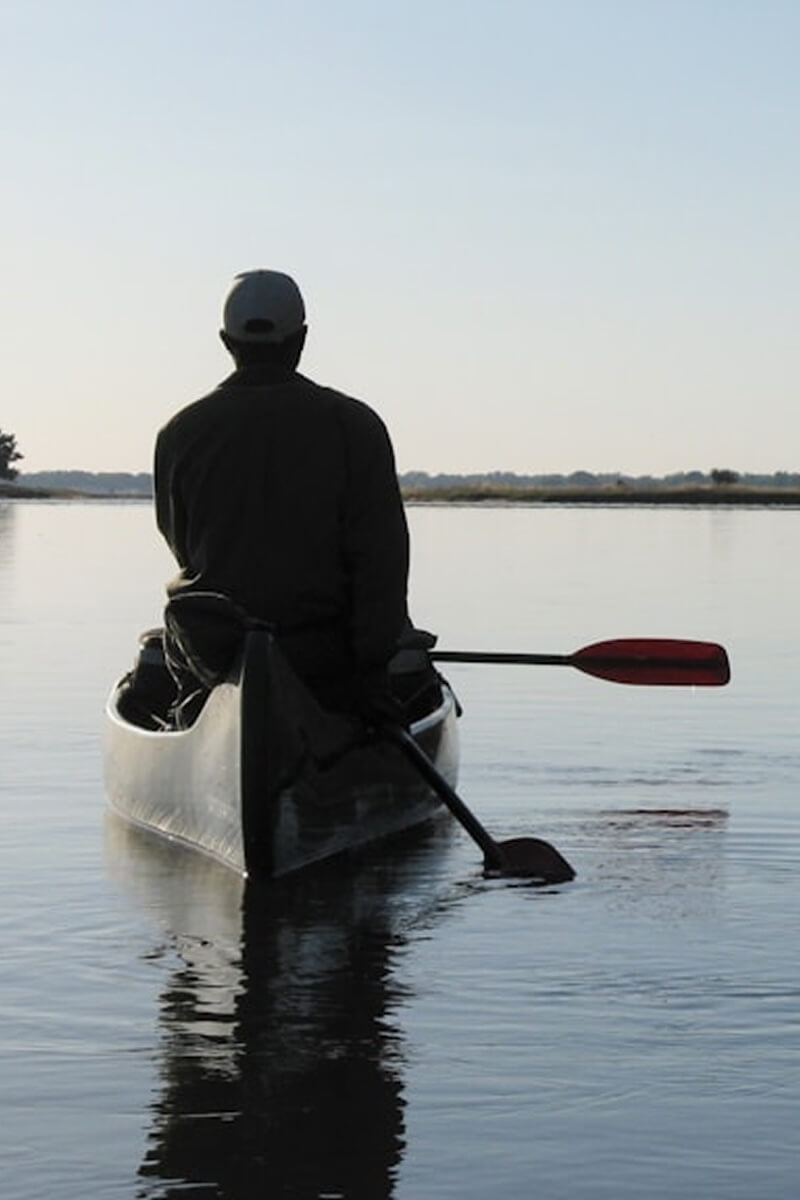

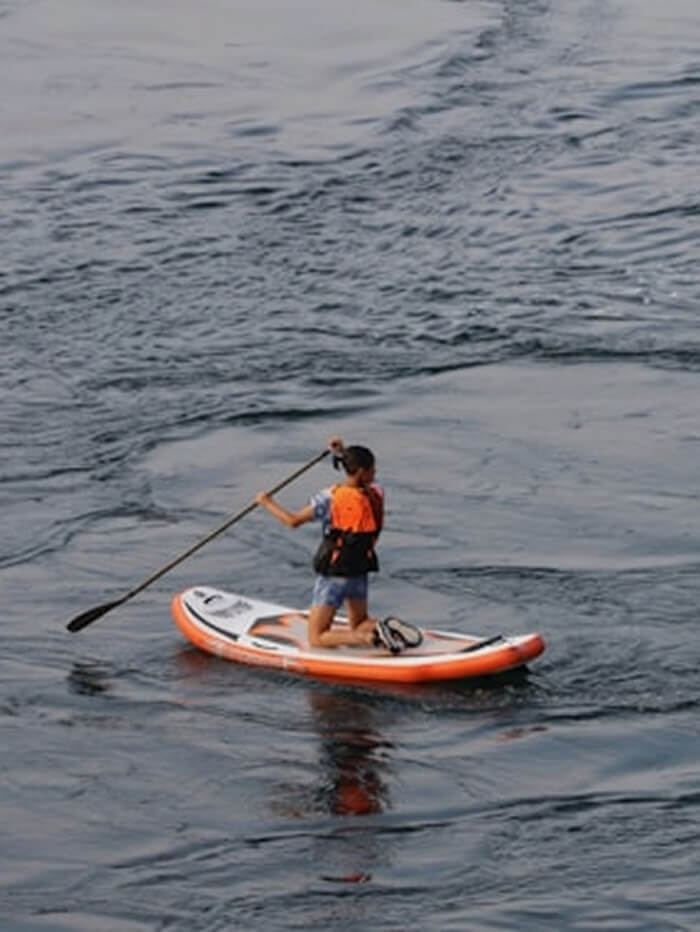
Find Places to Paddle
Over 400,000 Places to Paddle
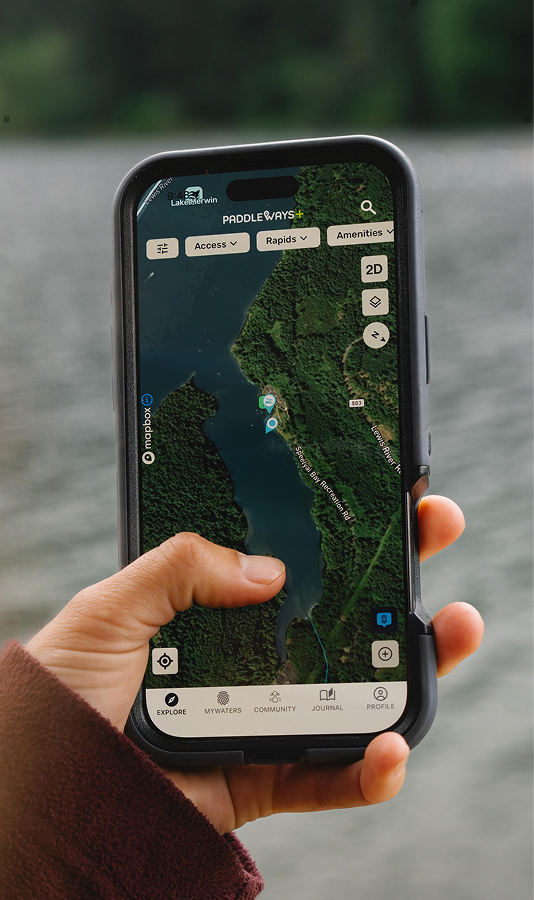
Every user gets free access to launch points, boat ramps, and public property parcels.
Idaho licenses and regulations
Idaho Boating Regulations
When using any type of watercraft to access a body of water, it is important to follow all federal, state, and local rules and regulations. These rules and regulations include boat permitting and licensing, invasive species inspections and stamps, life jacket and PFD rules, motor size and horsepower restrictions, noise limitations, restrictions on personal watercraft, and many more. Visit the web link below for the most current rules and regulations for this body of water.
Idaho Boating Regulations
When using any type of watercraft to access a body of water, it is important to follow all federal, state, and local rules and regulations. These rules and regulations include boat permitting and licensing, invasive species inspections and stamps, life jacket and PFD rules, motor size and horsepower restrictions, noise limitations, restrictions on personal watercraft, and many more. Visit the web link below for the most current rules and regulations for this body of water.
Idaho Fishing License
"To fish in Idaho any person 14 years of age or older must have a valid fishing license. Anglers younger than 14 do not need a license, but there is a small difference between resident and nonresident youth. -A resident child under 14 has their own separate fishing limit. -A nonresident child under 14 must be with someone who has a valid fishing license and their fish are in included in the license holders fishing limit. However, a nonresident child may purchase their own license and have their own limit. Special fishing permits are need for some activities for both residents and nonresidents: -Fishing for salmon and steelhead -Fishing with two poles."
Idaho Fishing Regulations
This river has a variety of species and regulations, including potential floating and/or watercraft restrictions. Because this river is specially managed for species, seasons, angling methods, and watercraft, it is strongly encouraged you check all federal, state, and local regulations before fishing. Visit any of the links below, inquire locally, or contact a local fly shop to learn current regulations and restrictions.
Idaho Stream Access Laws
Navigable streams are recognized as public transportation corridors, thus members of the public have the right to use the corridor, provided they enter and exit the corridor at a public right of way and remain within the corridor. Many navigable streams flow through private property, thus it is important that anglers know their rights and responsibilities when fishing in navigable waters that flow through private property.
Paddling near Rapid River
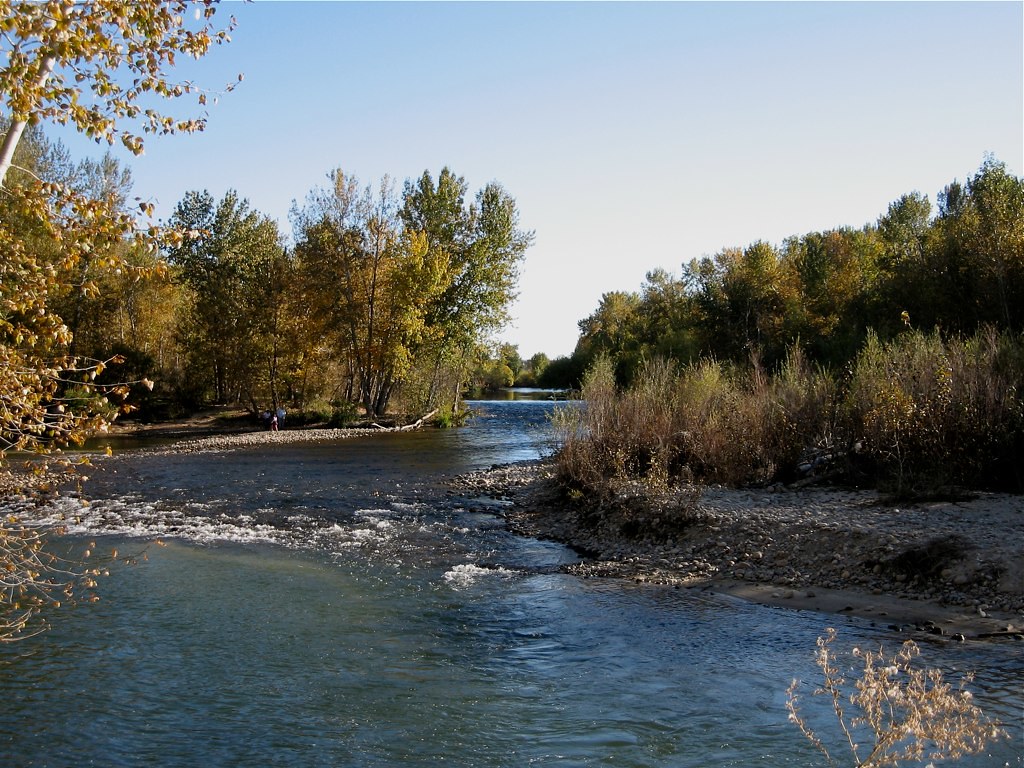
Boise River
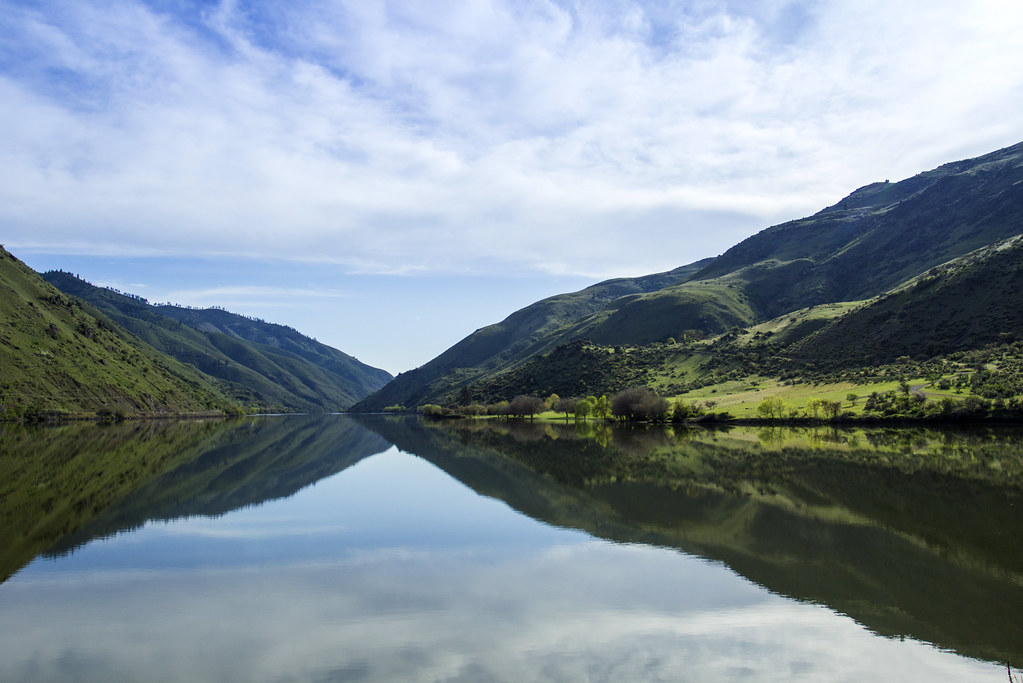
Snake River
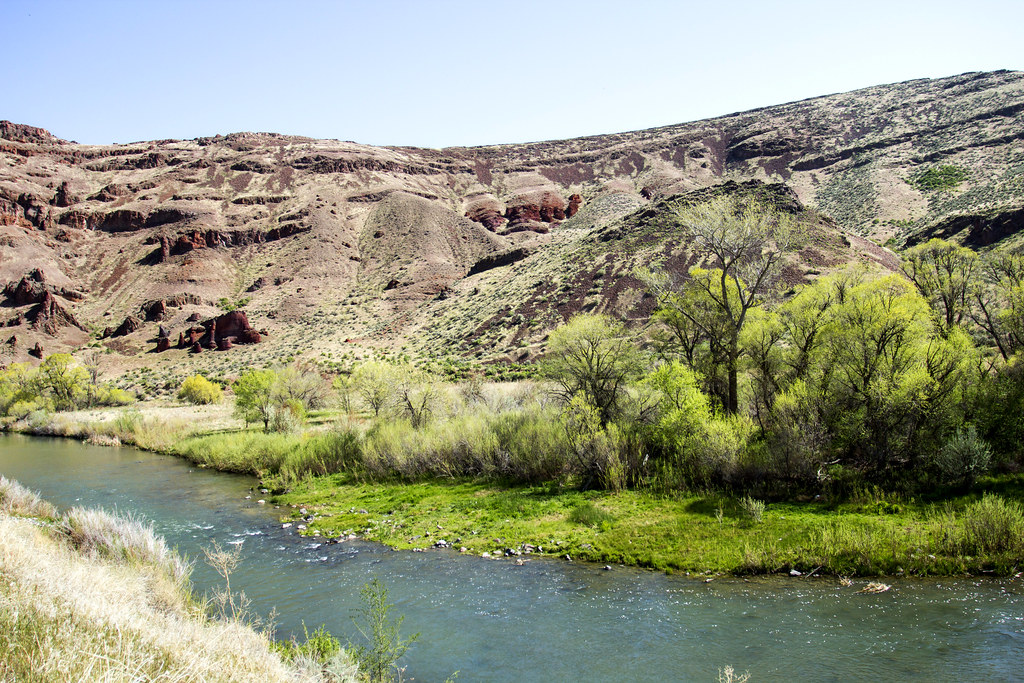
Owyhee River
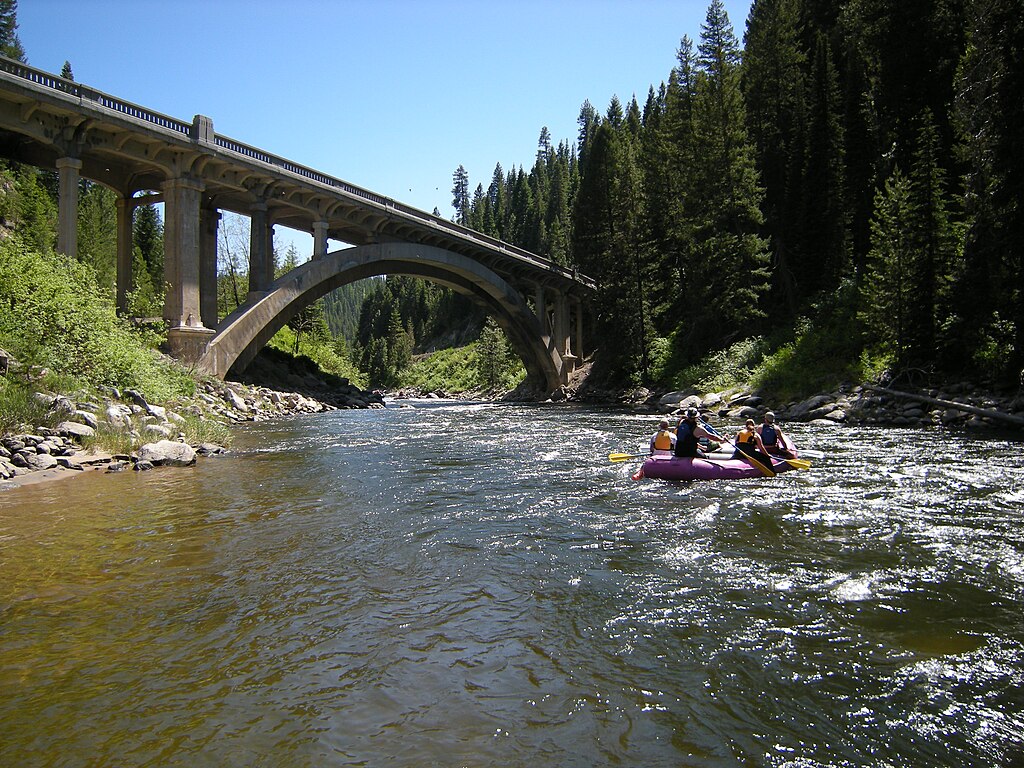
North Fork Payette River
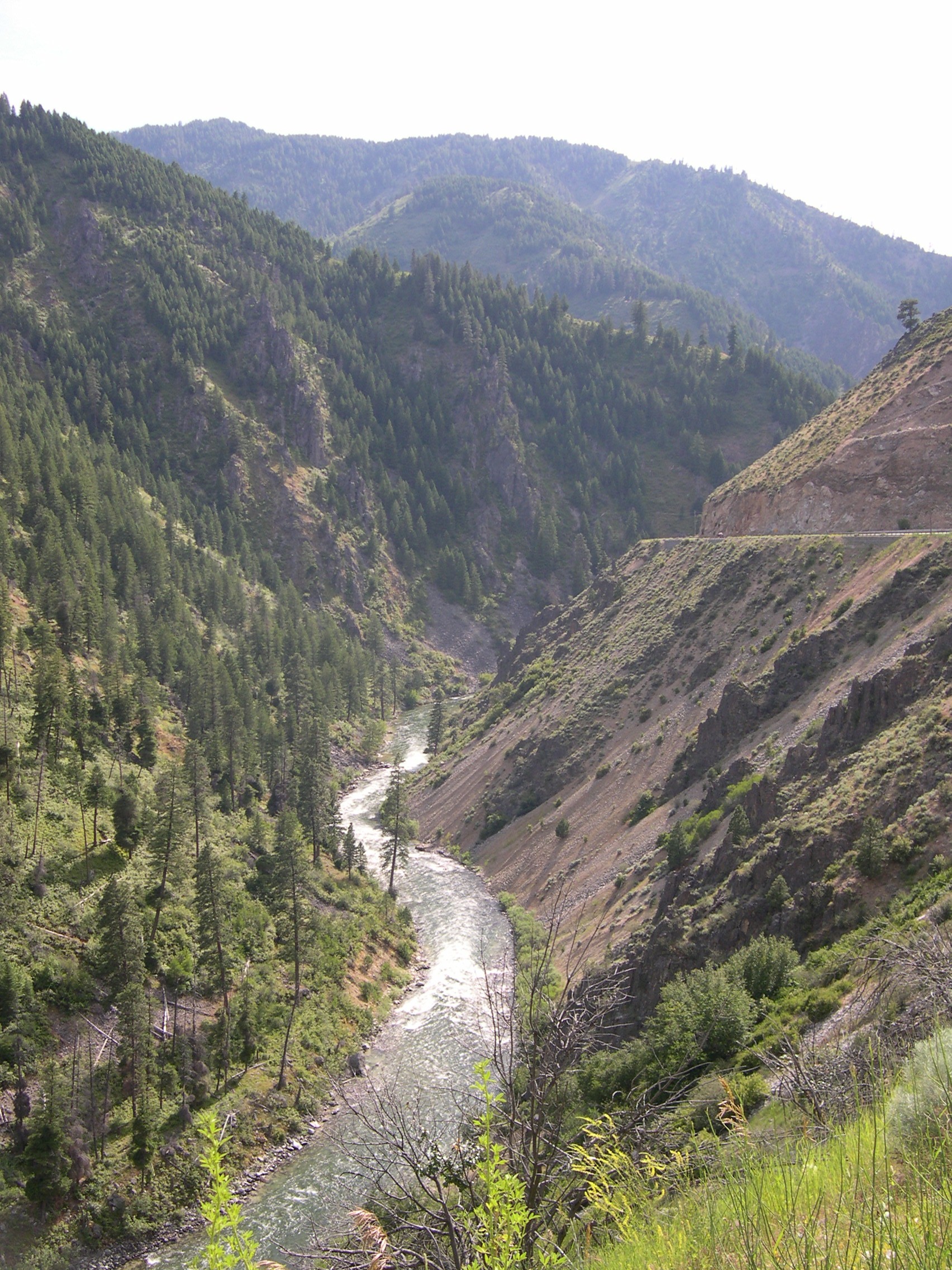
South Fork Payette River
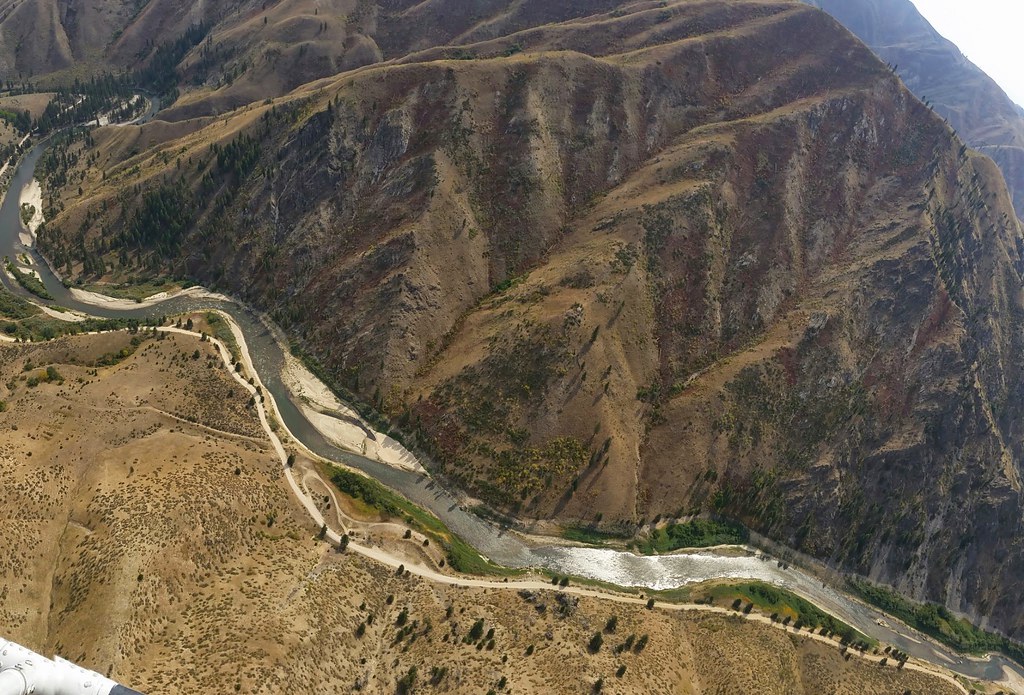
Middle Fork Boise River
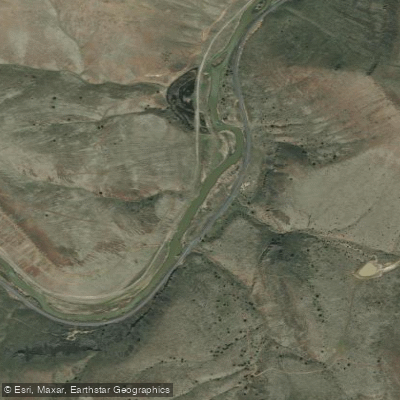
Malheur River
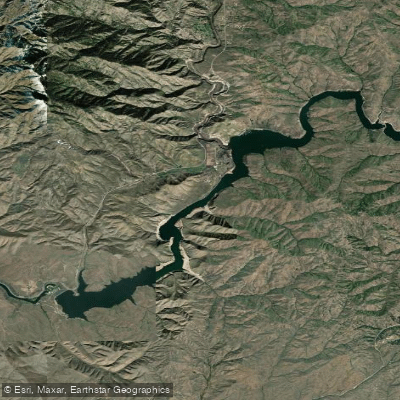
Lucky Peak Lake
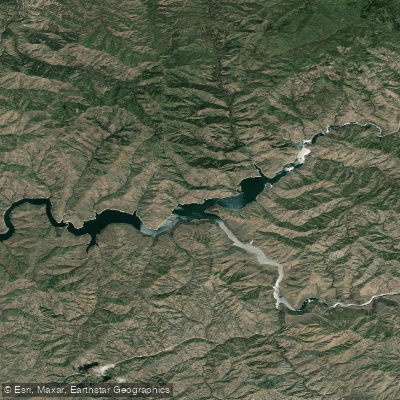
Arrowrock Reservoir
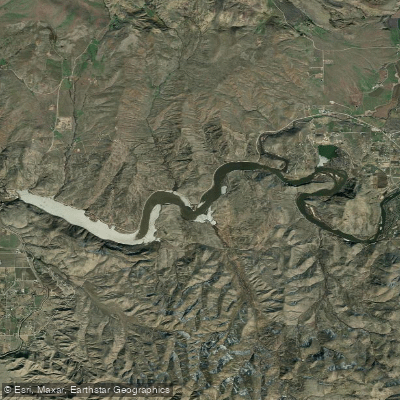
Black Canyon Reservoir
Explore near Rapid River
Access points
Nearby waters
More in Idaho
Smarter Paddling Starts in the App.
PaddleWays gives you everything you need to plan smarter, paddle better, and own every trip from first launch to takeout.