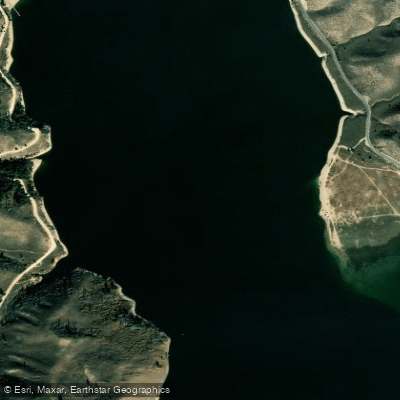
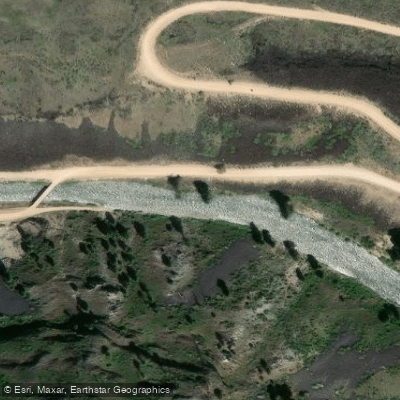
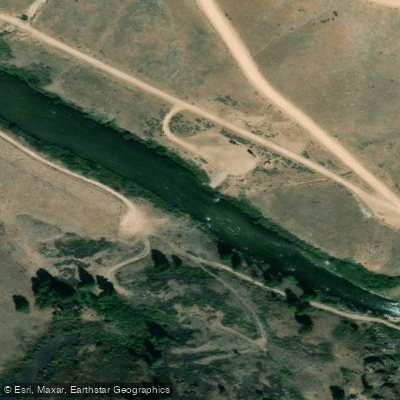
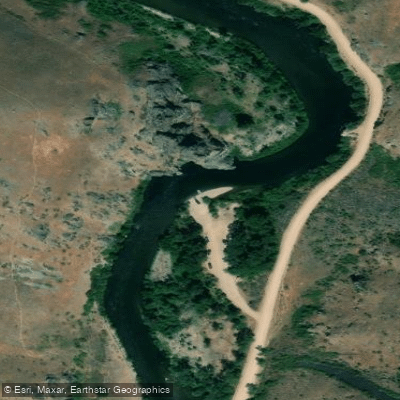
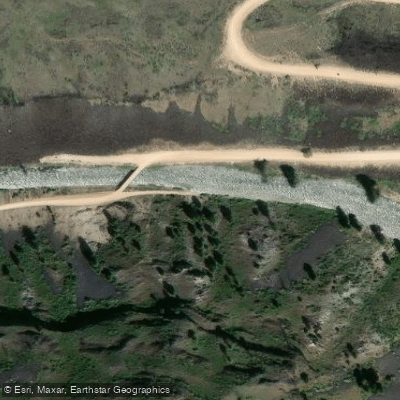
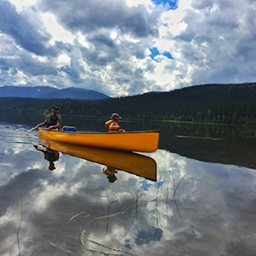
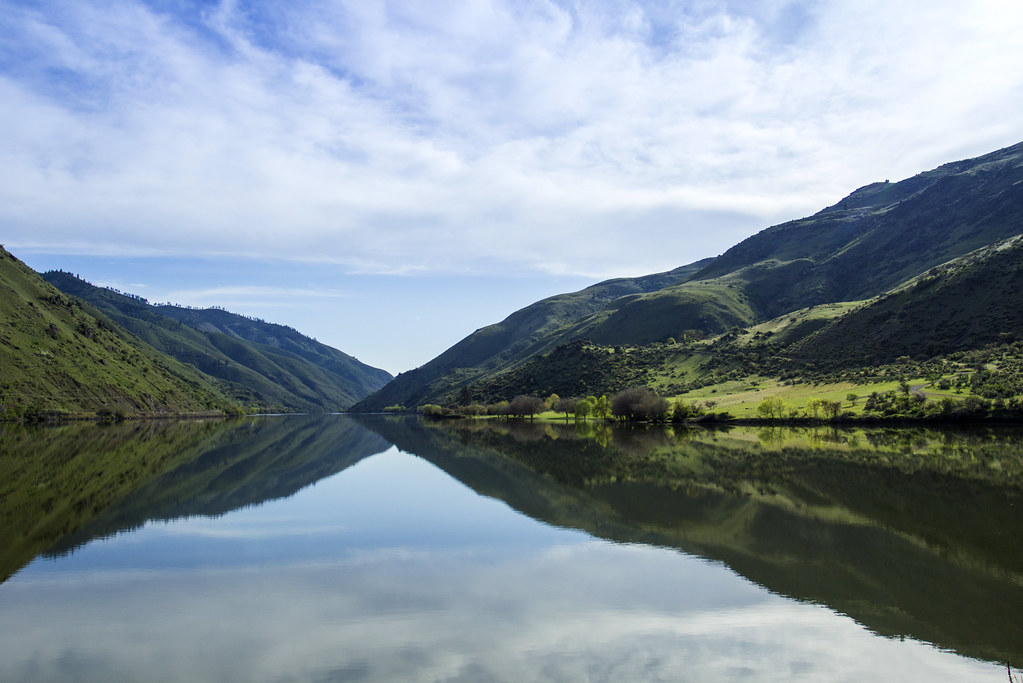
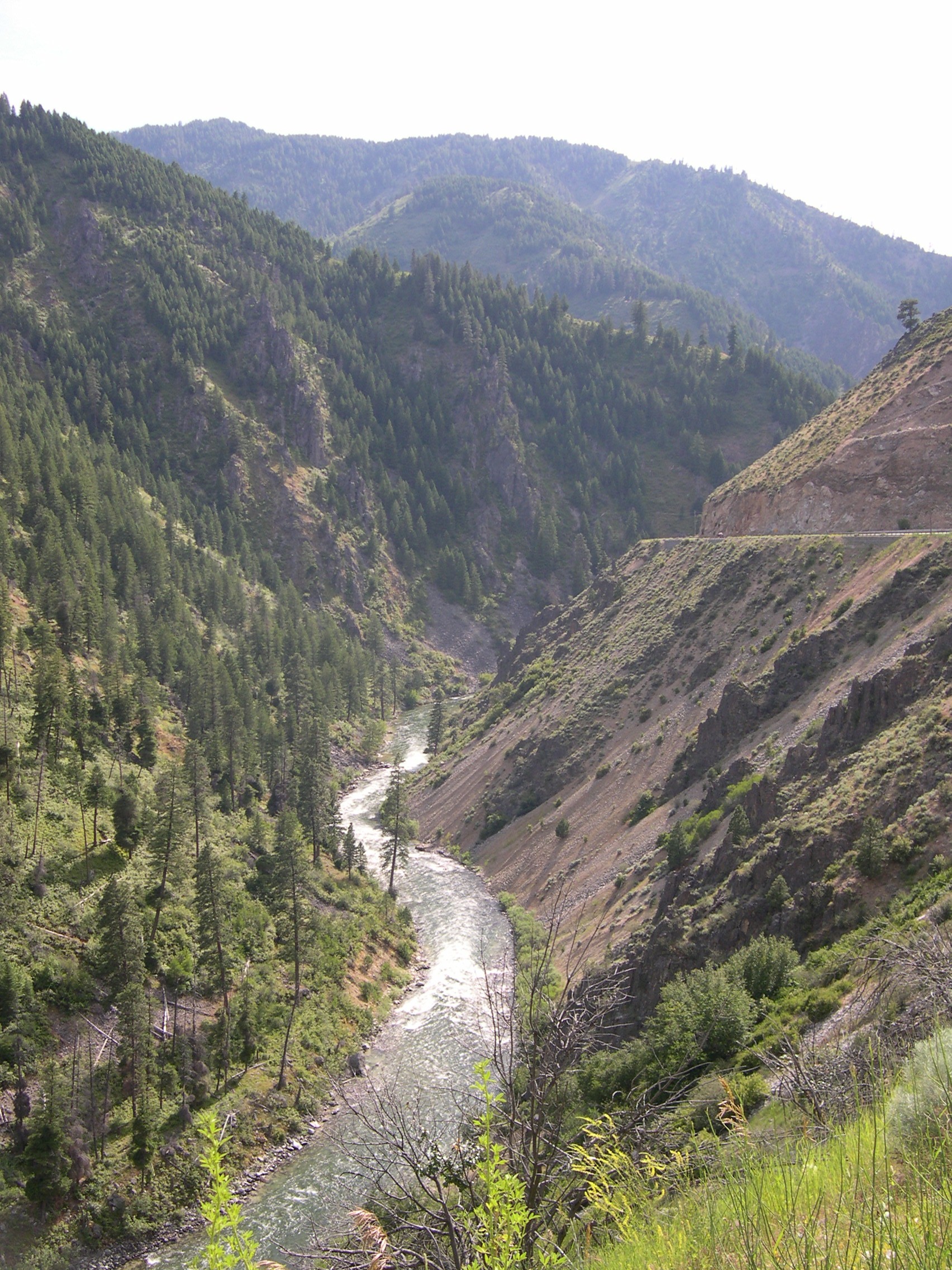
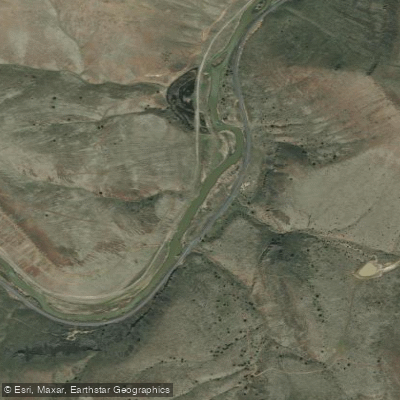
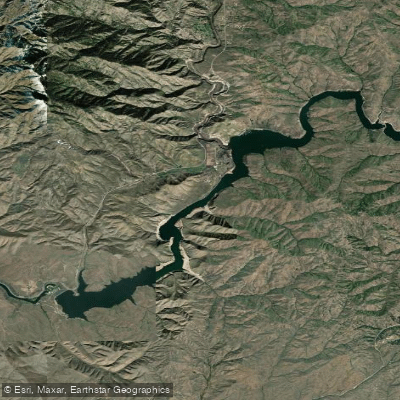
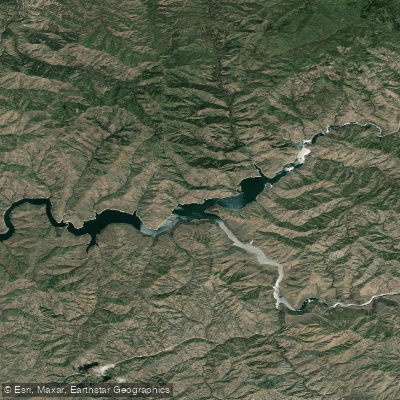
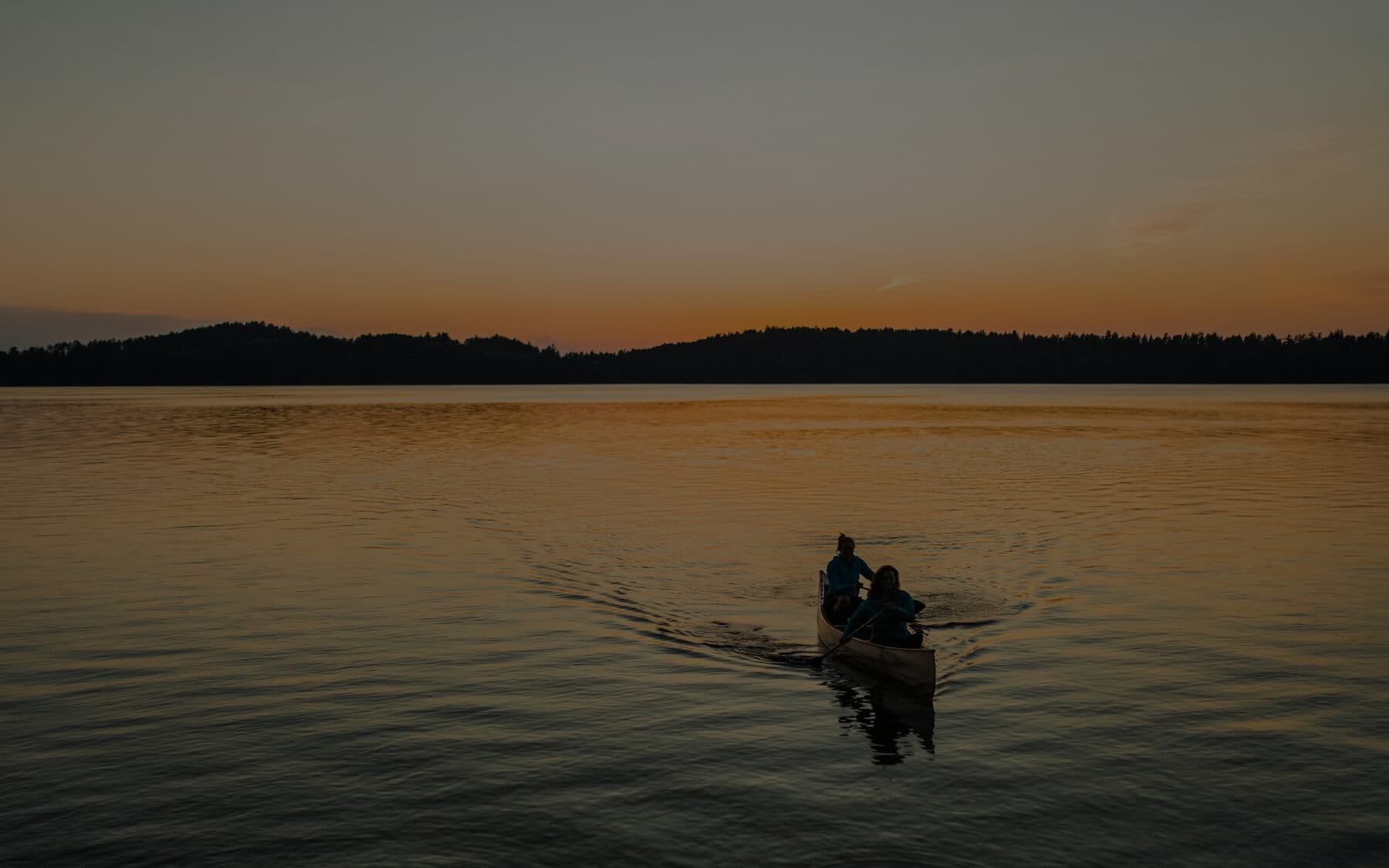
The South Fork Boise River is a waterway located in southwestern Idaho, offering a range of paddling experiences from calm floats to challenging whitewater. The river flows through a picturesque landscape, transitioning from open valleys to deep canyons as it makes its way towards its confluence with the main stem of the Boise River.
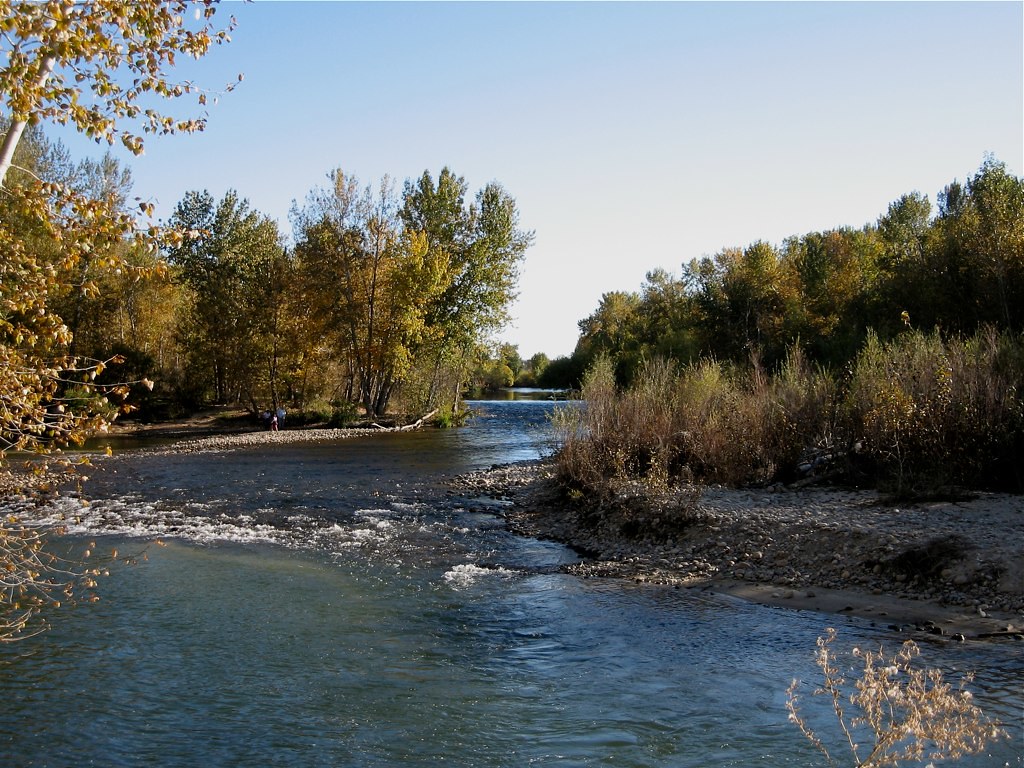
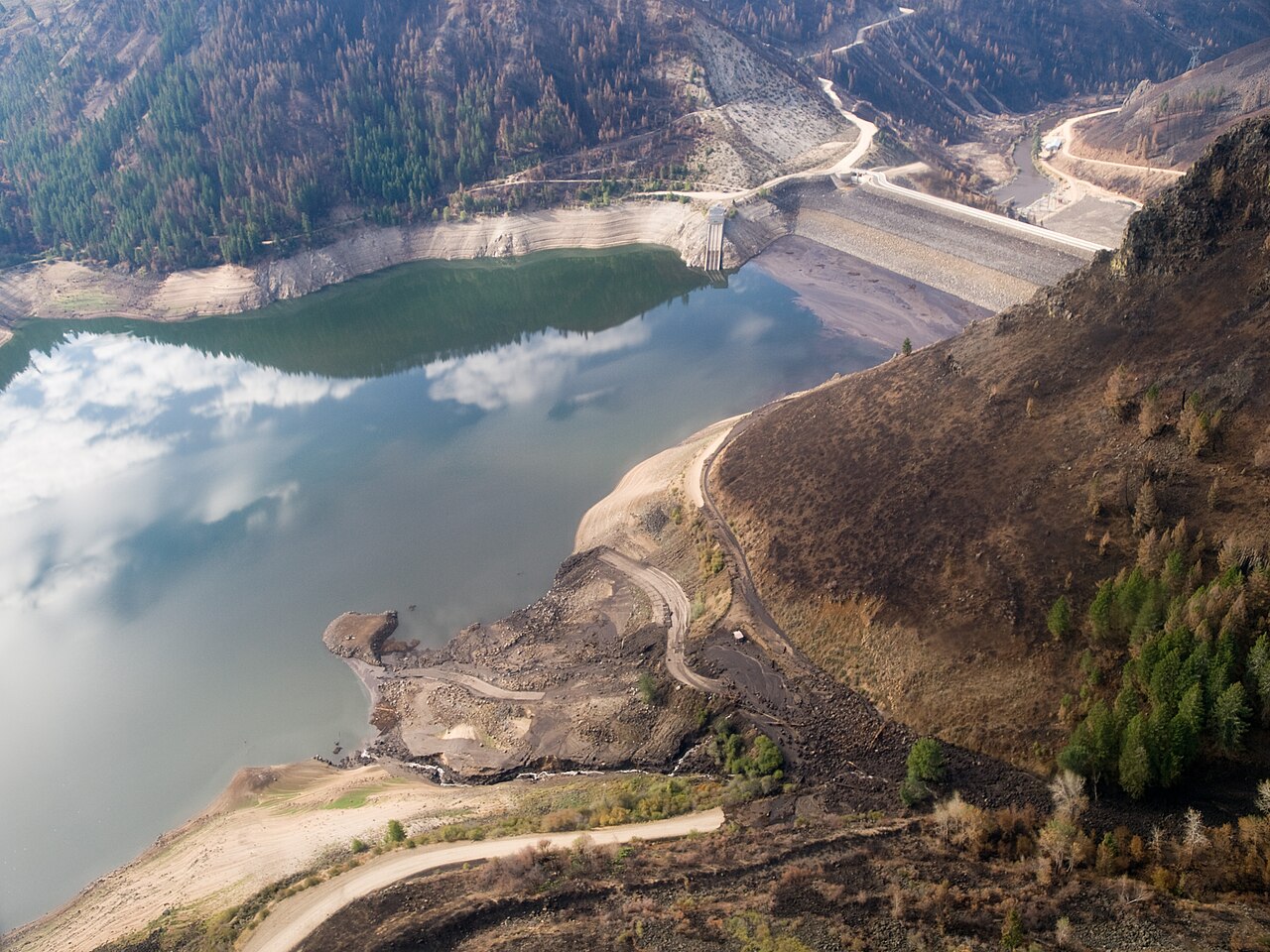
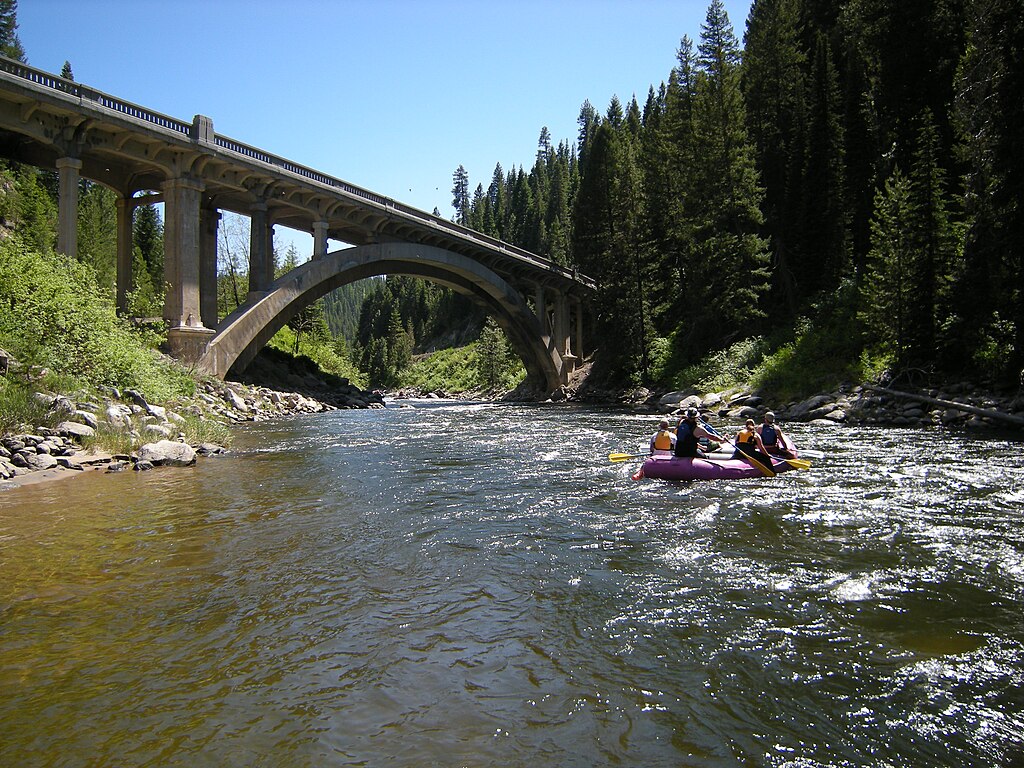
The most popular section for recreation is the 10-mile stretch from Anderson Ranch Dam to Danskin Bridge, known as the South Fork Recreation Corridor. This Class I-II run is ideal for beginners, families, and anglers, featuring easy rapids, road access, and excellent fly fishing for rainbow trout. The surrounding scenery includes brush-lined banks, occasional islands, and open canyon bottoms.
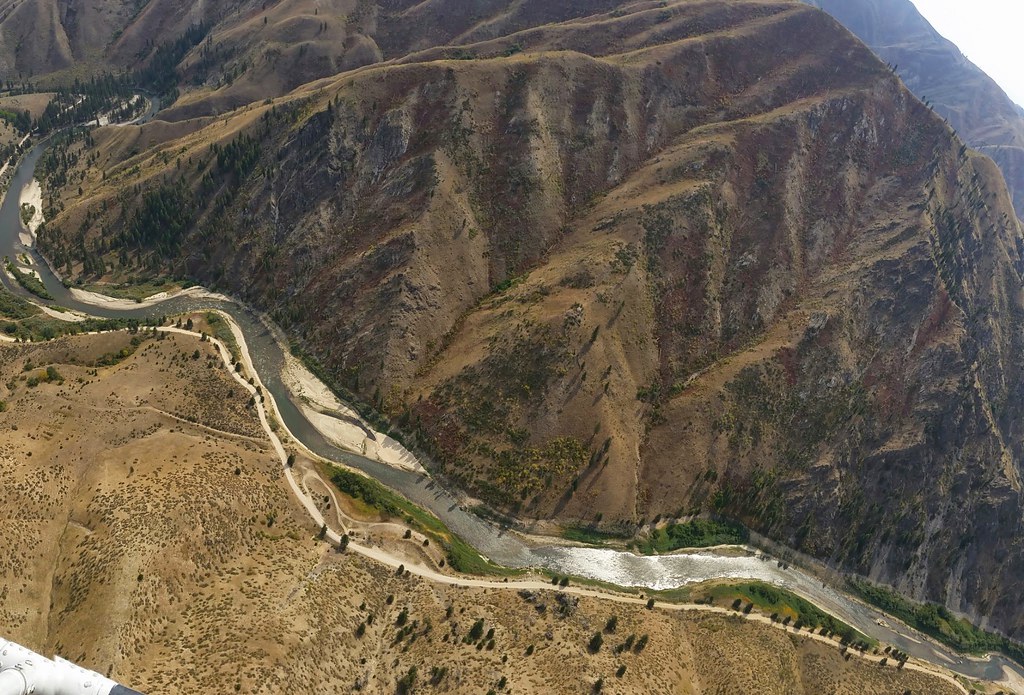
For more experienced paddlers, the 21-mile canyon section from Danskin Bridge to Neal Bridge offers a thrilling Class III-IV adventure. This remote and committing run takes boaters through a deep, vertically-walled canyon with numerous technical rapids. The trip begins with a few miles of fast-moving Class I water before the canyon narrows and the whitewater intensifies.
The South Fork Boise is primarily a spring and summer destination, with the season typically running from late May through September. Flows are regulated by Anderson Ranch Dam, with standard summer releases around 1,600 CFS. Higher flows are possible in the early season, providing more challenging conditions for experienced paddlers.
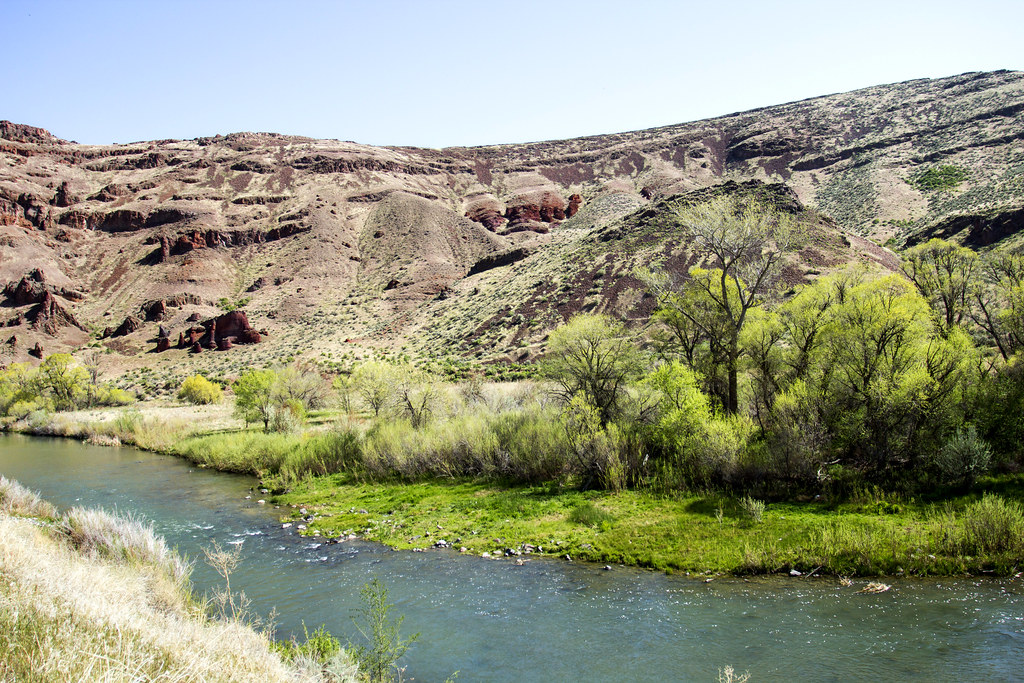
Wildlife enthusiasts may spot a variety of animals along the river, including deer, elk, and various bird species. The river corridor is characterized by a mix of sagebrush steppe and riparian vegetation, with cottonwoods and willows lining the banks in many areas.
Access to the river is primarily via Anderson Ranch Dam, Danskin Bridge, and Neal Bridge. The nearby town of Mountain Home serves as a convenient base for supplies and accommodations. For those planning multi-day trips, primitive camping is available along the canyon section, though proper preparation and leave-no-trace practices are essential.
Safety considerations include the remote nature of the canyon section, potential for rapid changes in water levels due to dam releases, and the presence of new rapids formed by recent debris flows. Paddlers should always check current conditions and be prepared for self-rescue in the more challenging sections.
The South Fork Boise River holds cultural significance as an important resource for local communities, supporting agriculture, recreation, and wildlife. Its waters have played a crucial role in the development of the region, and today it continues to be a cherished destination for outdoor enthusiasts from across Idaho and beyond. As public use of the river corridor increases, particularly in the more accessible upper section, visitors are encouraged to practice responsible recreation to help preserve the natural beauty and ecological integrity of this remarkable Idaho waterway.