Squaw Creek
- River
- River
- River length
- 19.9 mi
- Public shoreline
- 23%
- Boat Ramps
- 0
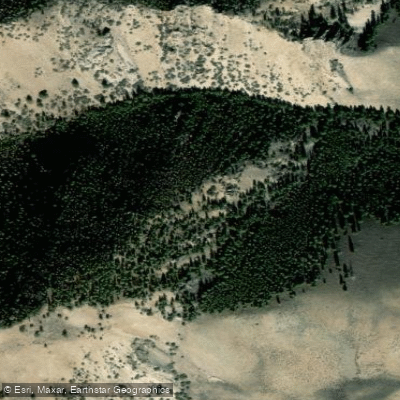
Squaw Creek flows through the rugged terrain of Custer County in central Idaho, carving its path through the Frank Church-River of No Return Wilderness before joining the Salmon River. This remote tributary originates in the high country of the Salmon River Mountains and descends through a landscape characterized by steep canyon walls, dense coniferous forests, and exposed bedrock formations typical of Idaho's backcountry.
The creek maintains a relatively modest flow compared to the major rivers in the region, with water levels heavily dependent on snowmelt from the surrounding peaks. Spring runoff typically peaks between late May and early July, creating the most substantial flows of the year. A USGS gauge station monitors conditions below Bruno Creek, providing critical data for understanding seasonal variations and flow patterns.
Access to Squaw Creek presents significant challenges due to its wilderness location. The nearest established communities lie considerable distances away, requiring extensive travel on forest roads that may be impassable during winter and early spring. The isolation that defines this watershed also contributes to its pristine character, with minimal human development along its banks.
The surrounding ecosystem supports typical central Idaho mountain species, including lodgepole pine, Douglas fir, and subalpine fir at higher elevations. Wildlife common to the Salmon River drainage—including elk, mule deer, black bears, and various raptor species—utilize the creek corridor for water and habitat. The cold, clear waters historically supported native fish populations adapted to the harsh conditions of high-elevation streams.
Paddling opportunities on Squaw Creek remain extremely limited and are not documented in standard whitewater resources. The creek's small size, remote location, and technical nature make it unsuitable for most recreational boating. Any potential runs would require expert-level skills, self-sufficiency in wilderness navigation, and careful timing to coincide with adequate water levels during the brief runoff season.
The broader Salmon River system, into which Squaw Creek flows, holds significant historical importance as a route used by Native American peoples for thousands of years and later by miners, trappers, and settlers. The Frank Church-River of No Return Wilderness designation protects this watershed from development, preserving its wild character for future generations.
Visitors to this remote area should prepare for true backcountry conditions, including potential wildlife encounters, rapidly changing weather, and limited emergency services. The wilderness setting demands self-reliance, proper equipment, and respect for the fragile alpine environment that defines this corner of Custer County.
Hazards
Hazards on Squaw Creek
No hazards are marked on Squaw Creek yet. That is not the same as none being there: if you find one, report it for the next paddler.
From the community
Squaw Creek trip reports
Nobody has shared a trip on Squaw Creek yet. Paddle it, then tell the next paddler how it went.
Water access & public shoreline
See exactly where the public can get on and off the river. Launch points and boat ramps are paired with PaddleWays' public land data so you know where you can legally land.
Public shoreline
23%of the river's shoreline is public
- Public
- 23%
- Private
- 77%
Largest public stretches
- Challis Field Office
Most of the riverbank is private. Launch, land and camp only at public access points.
Flows & paddling conditions (10 day forecast)
Flows and weather, so you know what to expect on Squaw Creek today.
Paasasikwana Naokwaide bl Bruno Ck
Paddle smarter with real-time insights
Live flows, marked hazards and fresh trip reports from paddlers who were just on the water, all in one place.

Find Places to Paddle
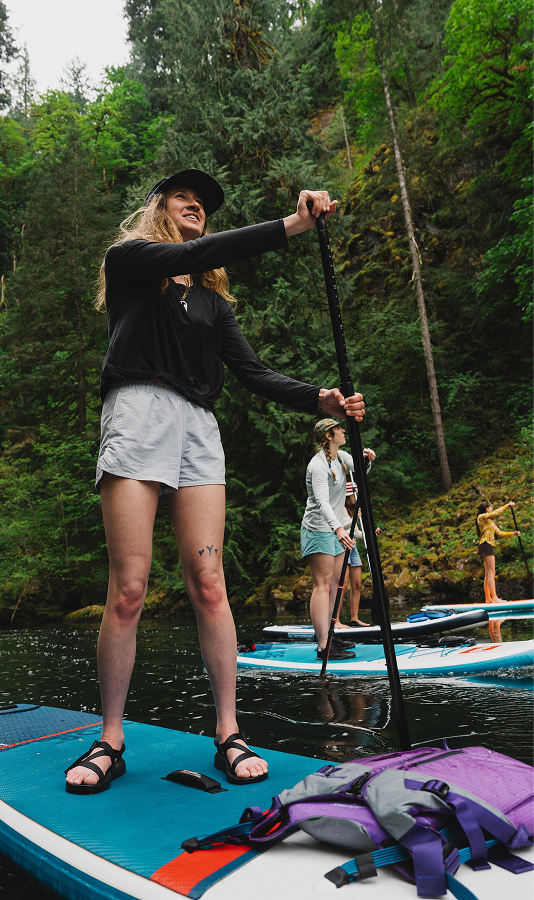
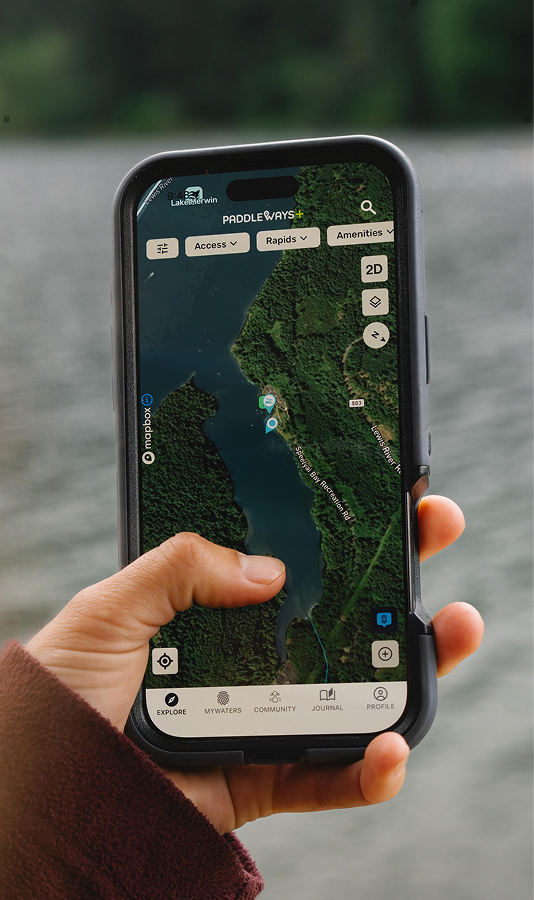
Over 400,000 Places to Paddle
Every user gets free access to launch points, boat ramps, and public property parcels.
Idaho licenses and regulations
Idaho Boating Regulations
When using any type of watercraft to access a body of water, it is important to follow all federal, state, and local rules and regulations. These rules and regulations include boat permitting and licensing, invasive species inspections and stamps, life jacket and PFD rules, motor size and horsepower restrictions, noise limitations, restrictions on personal watercraft, and many more. Visit the web link below for the most current rules and regulations for this body of water.
Idaho Boating Regulations
When using any type of watercraft to access a body of water, it is important to follow all federal, state, and local rules and regulations. These rules and regulations include boat permitting and licensing, invasive species inspections and stamps, life jacket and PFD rules, motor size and horsepower restrictions, noise limitations, restrictions on personal watercraft, and many more. Visit the web link below for the most current rules and regulations for this body of water.
Idaho Fishing License
"To fish in Idaho any person 14 years of age or older must have a valid fishing license. Anglers younger than 14 do not need a license, but there is a small difference between resident and nonresident youth. -A resident child under 14 has their own separate fishing limit. -A nonresident child under 14 must be with someone who has a valid fishing license and their fish are in included in the license holders fishing limit. However, a nonresident child may purchase their own license and have their own limit. Special fishing permits are need for some activities for both residents and nonresidents: -Fishing for salmon and steelhead -Fishing with two poles."
Idaho Fishing Regulations
This river has a variety of species and regulations, including potential floating and/or watercraft restrictions. Because this river is specially managed for species, seasons, angling methods, and watercraft, it is strongly encouraged you check all federal, state, and local regulations before fishing. Visit any of the links below, inquire locally, or contact a local fly shop to learn current regulations and restrictions.
Idaho Stream Access Laws
Navigable streams are recognized as public transportation corridors, thus members of the public have the right to use the corridor, provided they enter and exit the corridor at a public right of way and remain within the corridor. Many navigable streams flow through private property, thus it is important that anglers know their rights and responsibilities when fishing in navigable waters that flow through private property.
Paddling near Squaw Creek
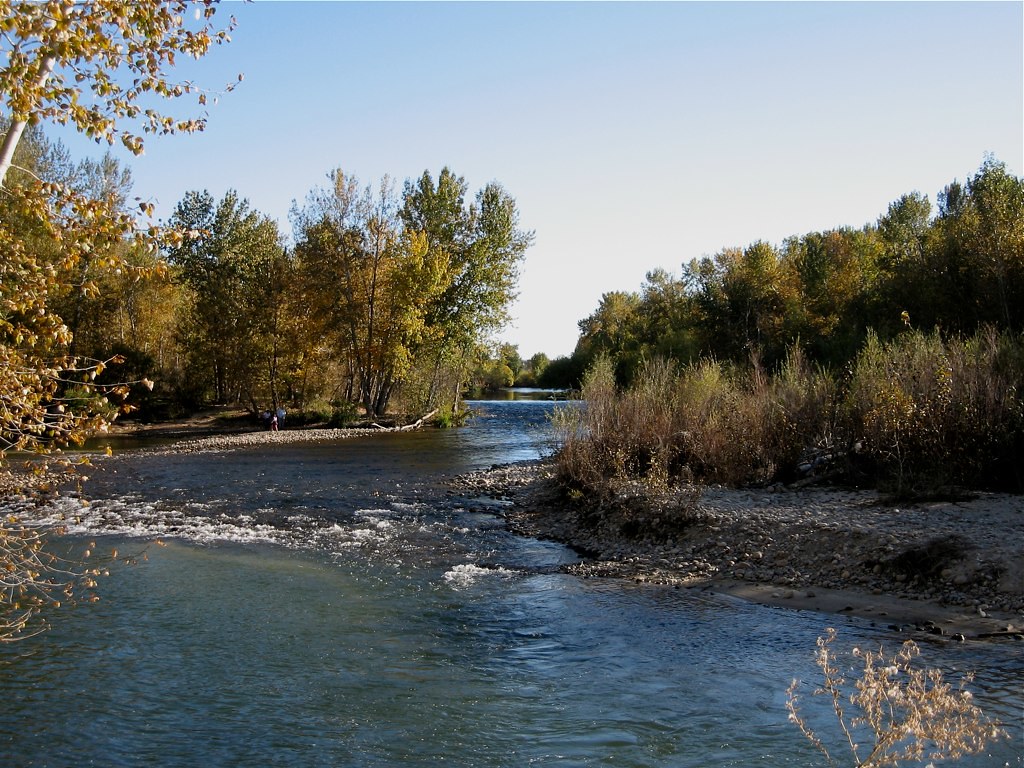
Boise River
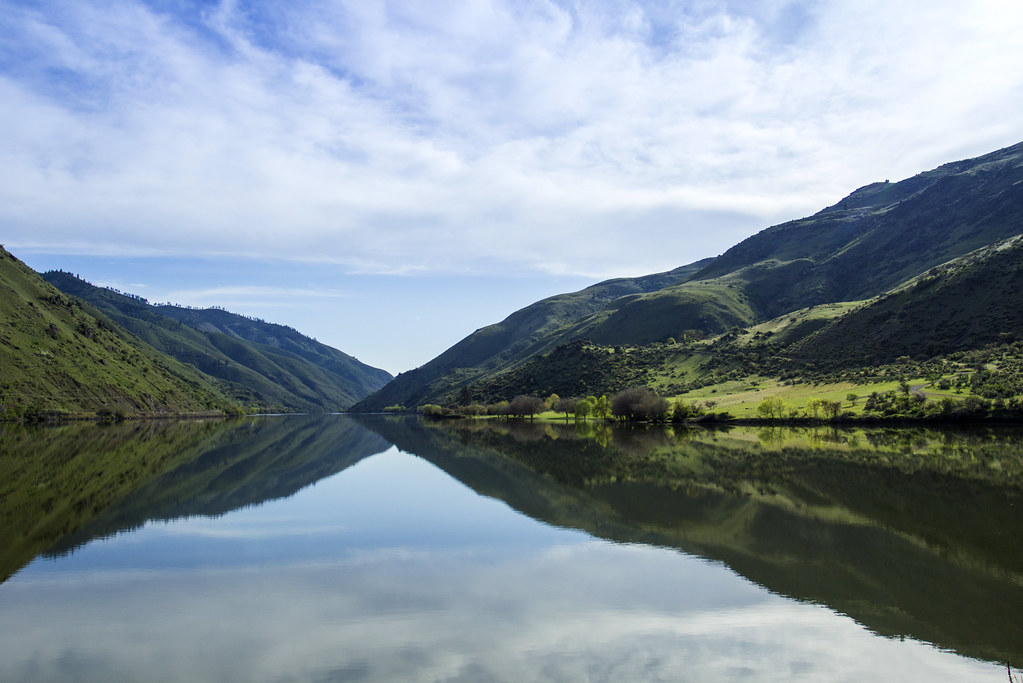
Snake River
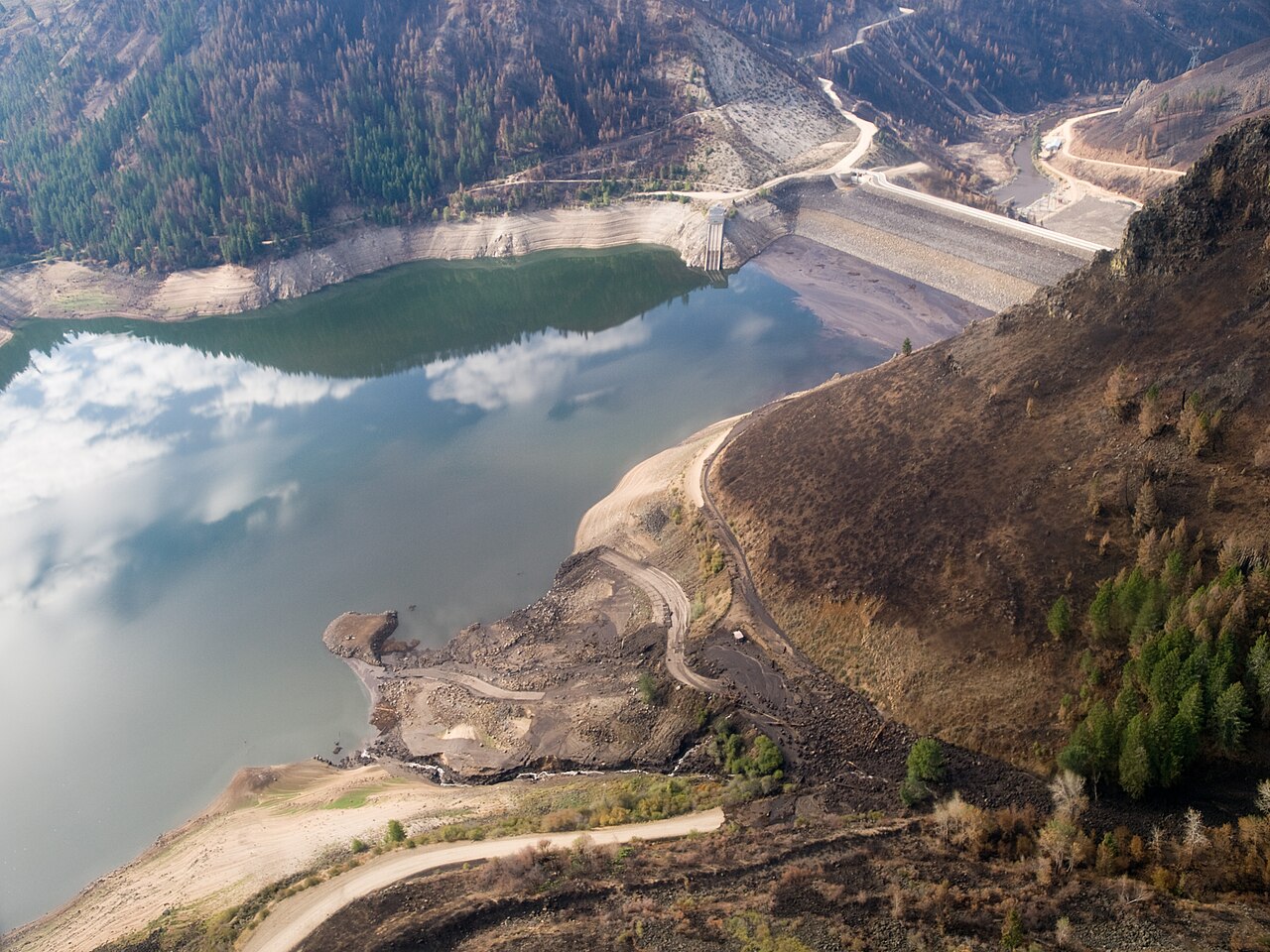
Anderson Ranch Reservoir
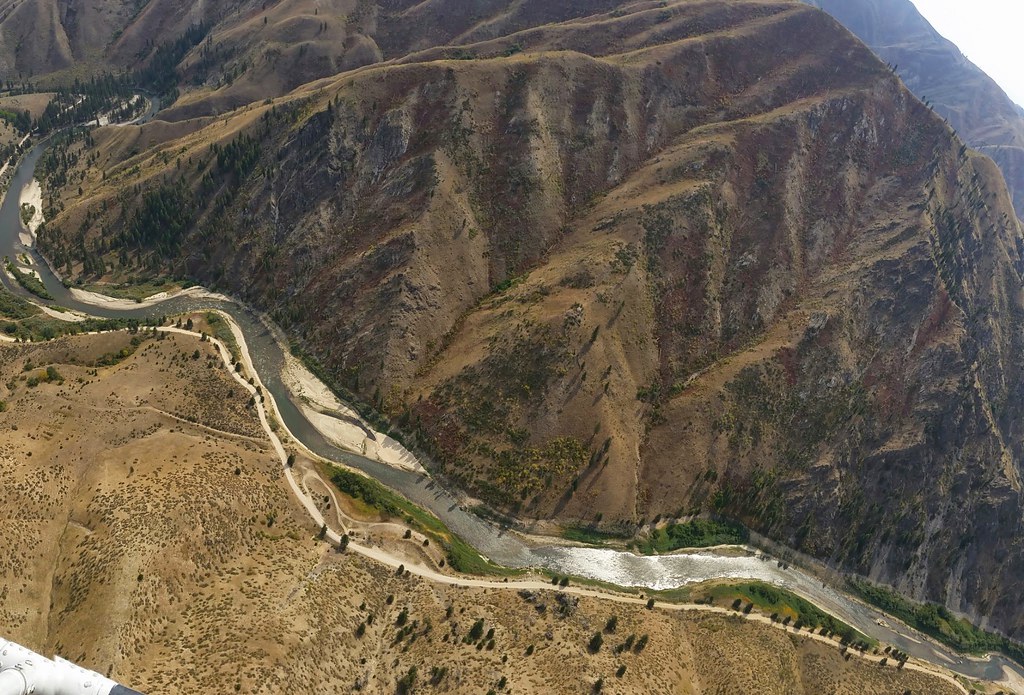
Middle Fork Boise River
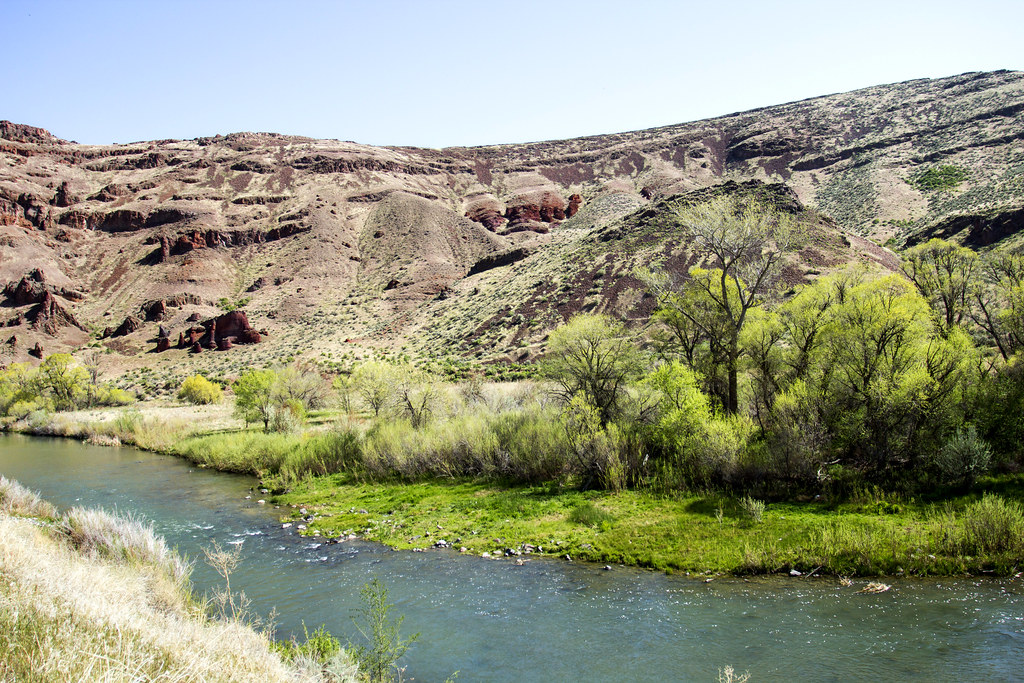
Owyhee River
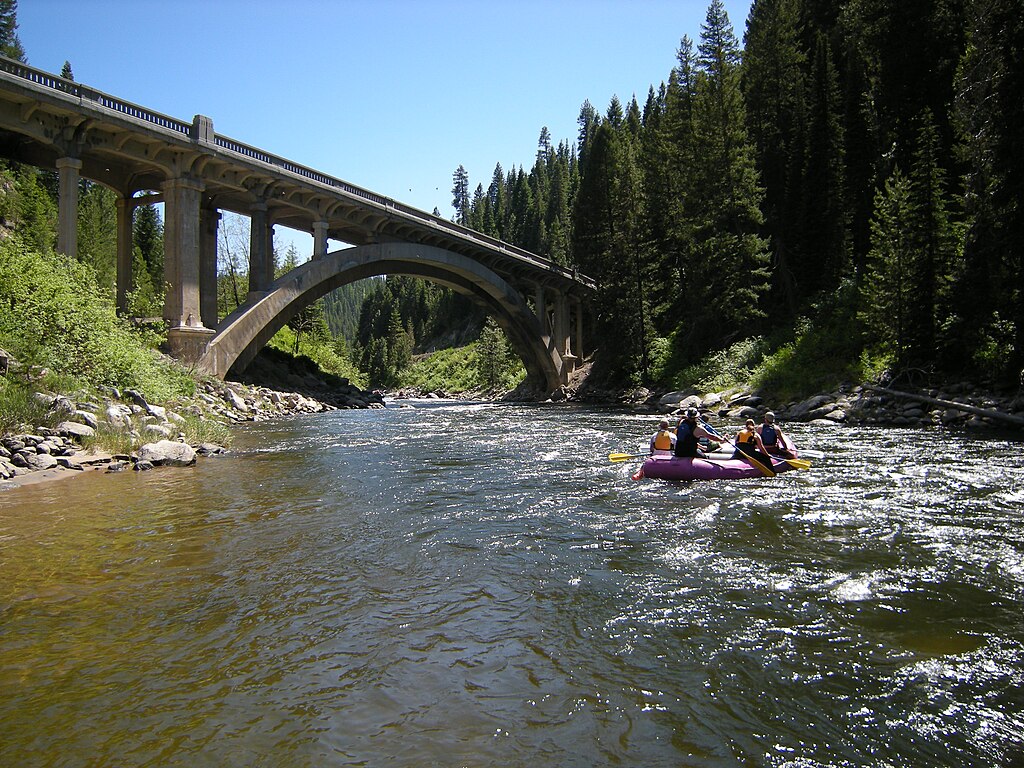
North Fork Payette River
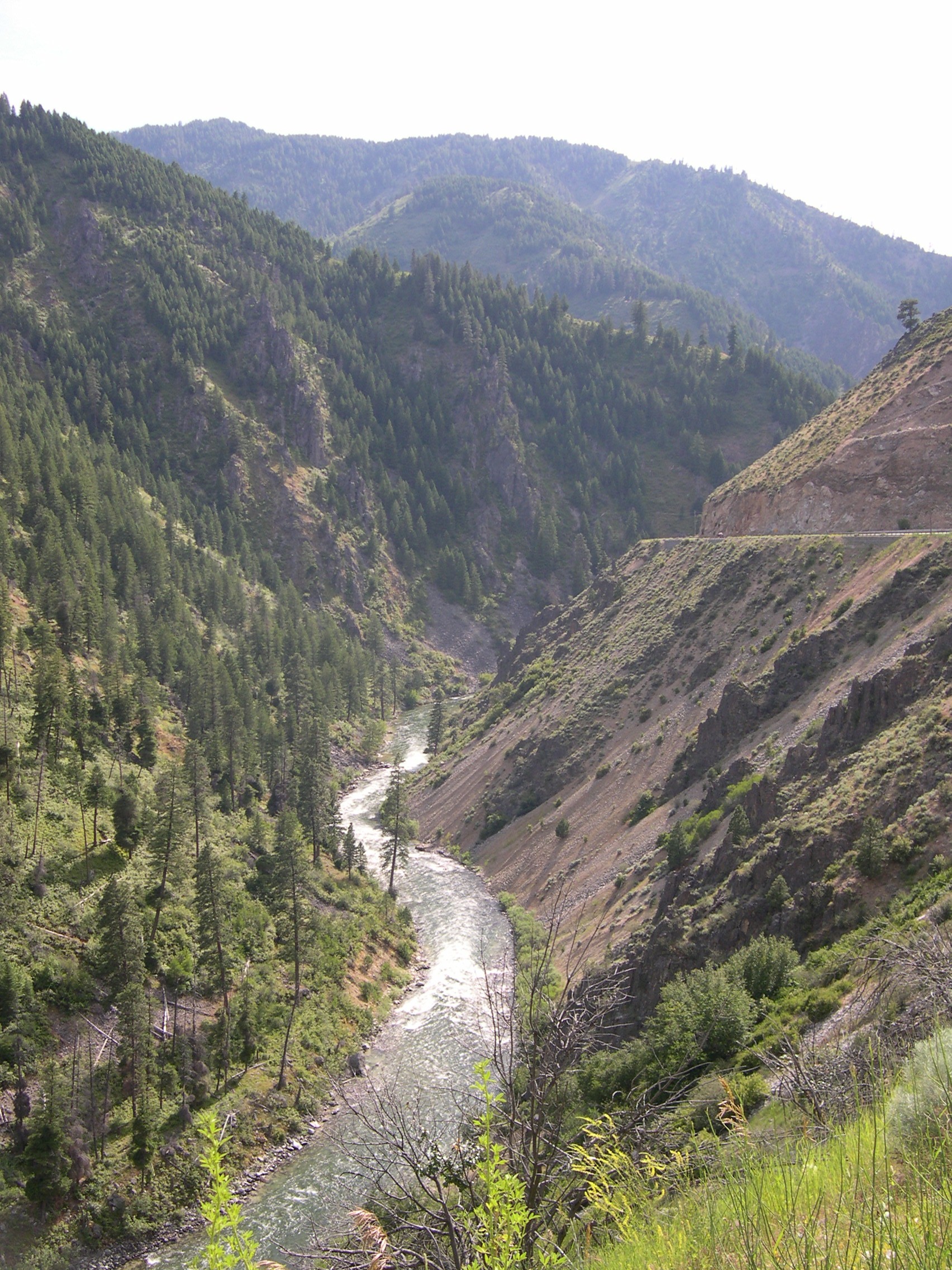
South Fork Payette River
Malheur River
Lucky Peak Lake
Arrowrock Reservoir
Explore near Squaw Creek
Access points
Nearby waters
More in Idaho
Smarter Paddling Starts in the App.
PaddleWays gives you everything you need to plan smarter, paddle better, and own every trip from first launch to takeout.