White Cap Creek
- River
- River
- River length
- 25.2 mi
- Public shoreline
- 100%
- Boat Ramps
- 1
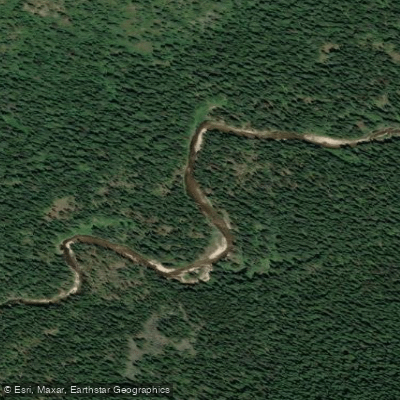
White Cap Creek is a rugged and remote waterway nestled in the heart of Idaho's Selway-Bitterroot Wilderness. Originating high in the Bitterroot Mountains, this pristine stream flows southwest for approximately 22 miles before joining the Selway River, a major tributary of the Clearwater River system. The creek carves through a steep, forested canyon, dropping over 5,250 feet in elevation from its headwaters to its confluence. This dramatic descent creates a challenging environment for expert whitewater kayakers, though the creek is primarily known for the hiking trail that parallels its course.
Paddling opportunities on White Cap Creek are limited to highly skilled kayakers comfortable with technical creek boating in a wilderness setting. The creek's difficulty is estimated to range from Class IV to V+, with numerous boulder gardens, steep drops, and potential wood hazards. Due to its remote nature and lack of easy access points, attempting to paddle White Cap Creek requires extensive wilderness experience and self-rescue skills. The optimal season for potential kayaking is likely during the spring snowmelt, typically from late May to early July, when water levels are highest. However, the creek's flow can be highly variable and unpredictable due to its small watershed.
The surrounding ecosystem is dominated by dense coniferous forests, home to diverse wildlife including elk, black bears, and mountain lions. The area's pristine nature also supports populations of native westslope cutthroat trout and bull trout in the creek's clear waters.
Access to White Cap Creek is primarily via the White Cap Creek Trail (#24), which begins at the Paradise Flat/White Cap Creek Trailhead. This trailhead, located deep in the Bitterroot National Forest, is approximately 18.6 miles south of Darby, Montana, the nearest town of significance.
The creek and its surrounding wilderness hold cultural importance to the Nez Perce people, who have inhabited the region for thousands of years. Today, the area is valued for its untouched natural beauty and as a haven for backcountry enthusiasts seeking solitude and adventure.
For those looking to explore the White Cap Creek area, multi-day backpacking trips along the trail offer the best opportunity to experience this remote wilderness. Hikers and potential paddlers must be well-prepared for self-sufficiency in a backcountry setting, adhere to Leave No Trace principles, and obtain necessary wilderness permits. While White Cap Creek itself may not be a common paddling destination, its confluence with the Selway River marks the beginning of one of the most sought-after multi-day whitewater experiences in the western United States, making it a significant landmark for river enthusiasts.
Hazards
Hazards on White Cap Creek
No hazards are marked on White Cap Creek yet. That is not the same as none being there: if you find one, report it for the next paddler.
From the community
White Cap Creek trip reports
Nobody has shared a trip on White Cap Creek yet. Paddle it, then tell the next paddler how it went.
Water access & public shoreline
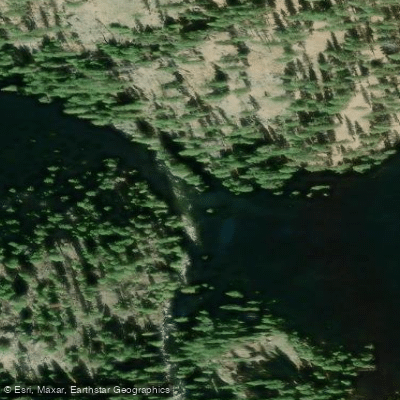
See exactly where the public can get on and off the river. Launch points and boat ramps are paired with PaddleWays' public land data so you know where you can legally land.
Public shoreline
100%of the river's shoreline is public
- Public
- 100%
- Private
- 0%
Largest public stretches
- Bitterroot National Forest
Flows & paddling conditions (10 day forecast)
Flows and weather, so you know what to expect on White Cap Creek today.
No forecast data available.
Paddle smarter with real-time insights
Live flows, marked hazards and fresh trip reports from paddlers who were just on the water, all in one place.







Find Places to Paddle

Over 400,000 Places to Paddle
Every user gets free access to launch points, boat ramps, and public property parcels.


Idaho licenses and regulations
Idaho Boating Regulations
When using any type of watercraft to access a body of water, it is important to follow all federal, state, and local rules and regulations. These rules and regulations include boat permitting and licensing, invasive species inspections and stamps, life jacket and PFD rules, motor size and horsepower restrictions, noise limitations, restrictions on personal watercraft, and many more. Visit the web link below for the most current rules and regulations for this body of water.
Idaho Boating Regulations
When using any type of watercraft to access a body of water, it is important to follow all federal, state, and local rules and regulations. These rules and regulations include boat permitting and licensing, invasive species inspections and stamps, life jacket and PFD rules, motor size and horsepower restrictions, noise limitations, restrictions on personal watercraft, and many more. Visit the web link below for the most current rules and regulations for this body of water.
Idaho Fishing License
"To fish in Idaho any person 14 years of age or older must have a valid fishing license. Anglers younger than 14 do not need a license, but there is a small difference between resident and nonresident youth. -A resident child under 14 has their own separate fishing limit. -A nonresident child under 14 must be with someone who has a valid fishing license and their fish are in included in the license holders fishing limit. However, a nonresident child may purchase their own license and have their own limit. Special fishing permits are need for some activities for both residents and nonresidents: -Fishing for salmon and steelhead -Fishing with two poles."
Idaho Fishing Regulations
This river has a variety of species and regulations, including potential floating and/or watercraft restrictions. Because this river is specially managed for species, seasons, angling methods, and watercraft, it is strongly encouraged you check all federal, state, and local regulations before fishing. Visit any of the links below, inquire locally, or contact a local fly shop to learn current regulations and restrictions.
Idaho Stream Access Laws
Navigable streams are recognized as public transportation corridors, thus members of the public have the right to use the corridor, provided they enter and exit the corridor at a public right of way and remain within the corridor. Many navigable streams flow through private property, thus it is important that anglers know their rights and responsibilities when fishing in navigable waters that flow through private property.
Paddling near White Cap Creek
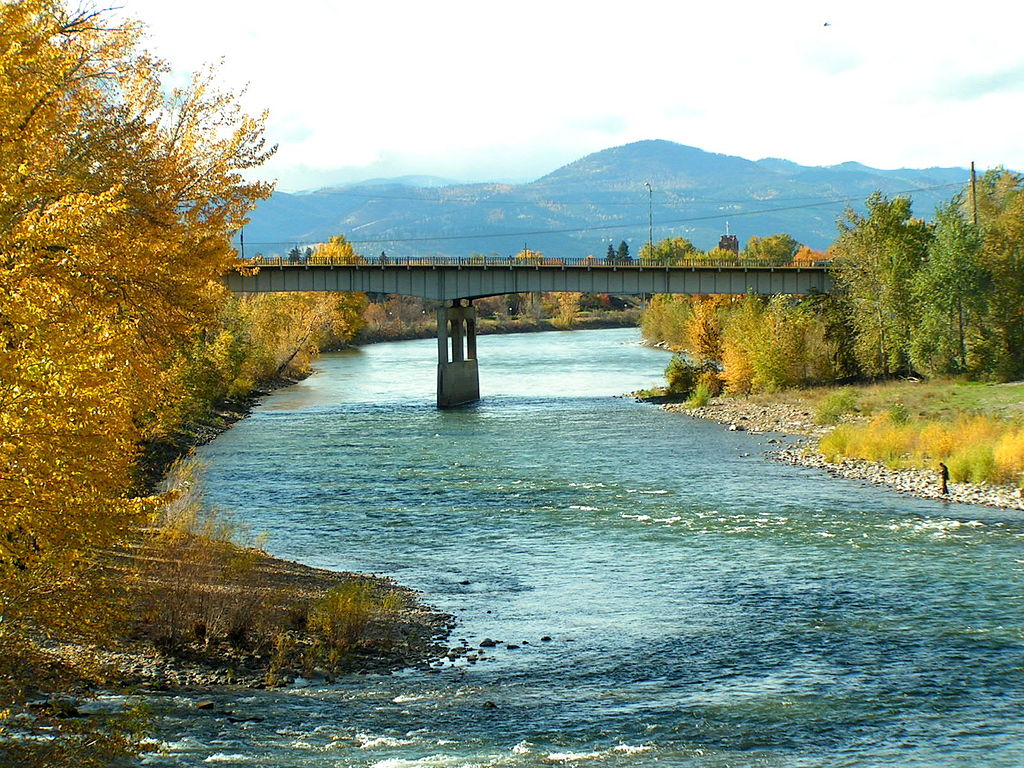
Clark Fork
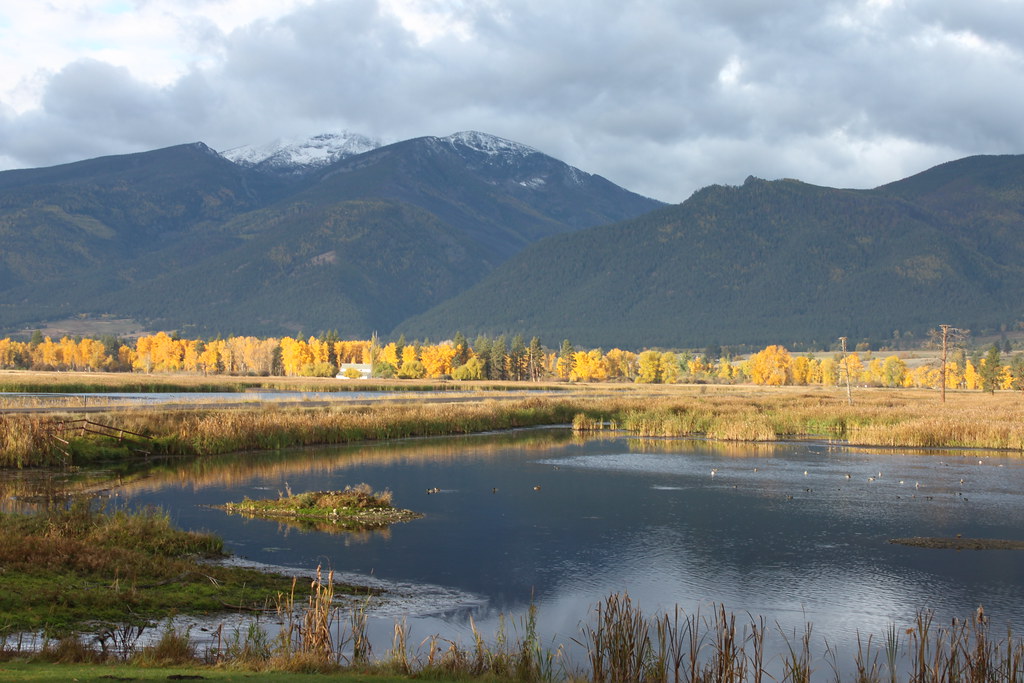
Bitterroot River
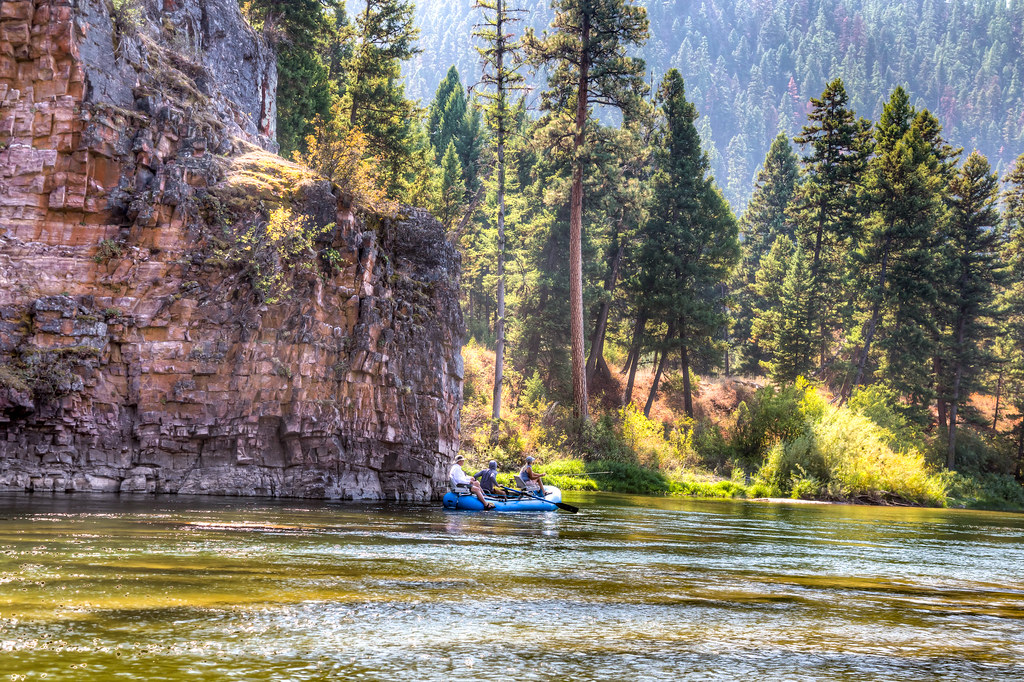
Blackfoot River
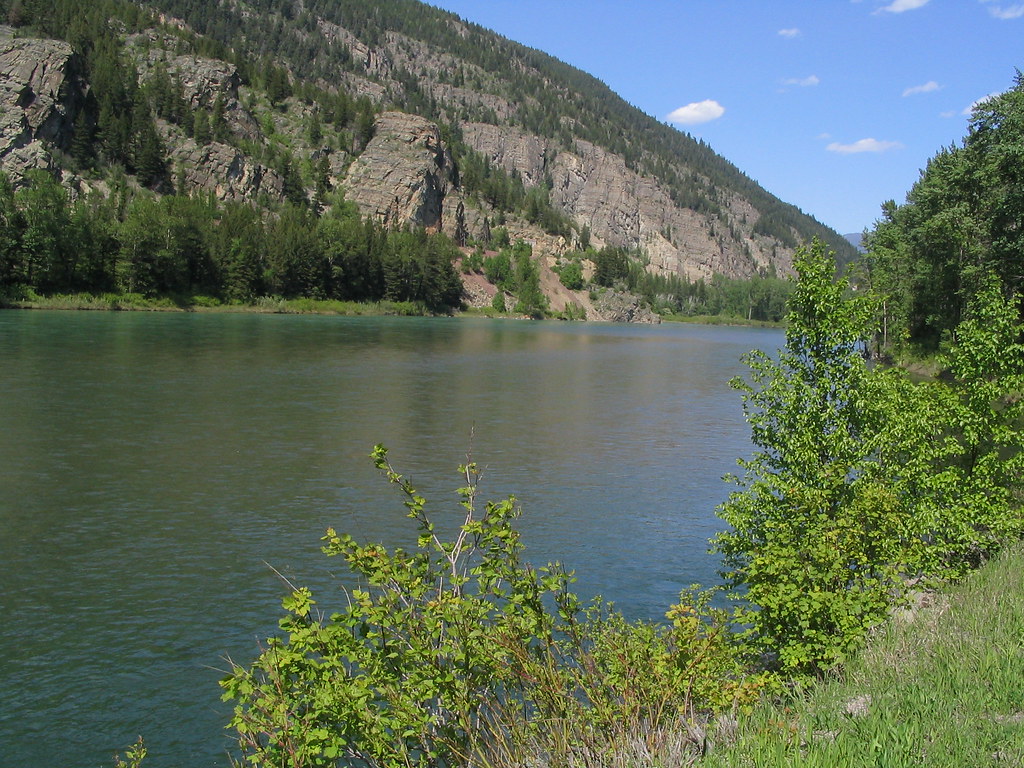
Flathead River
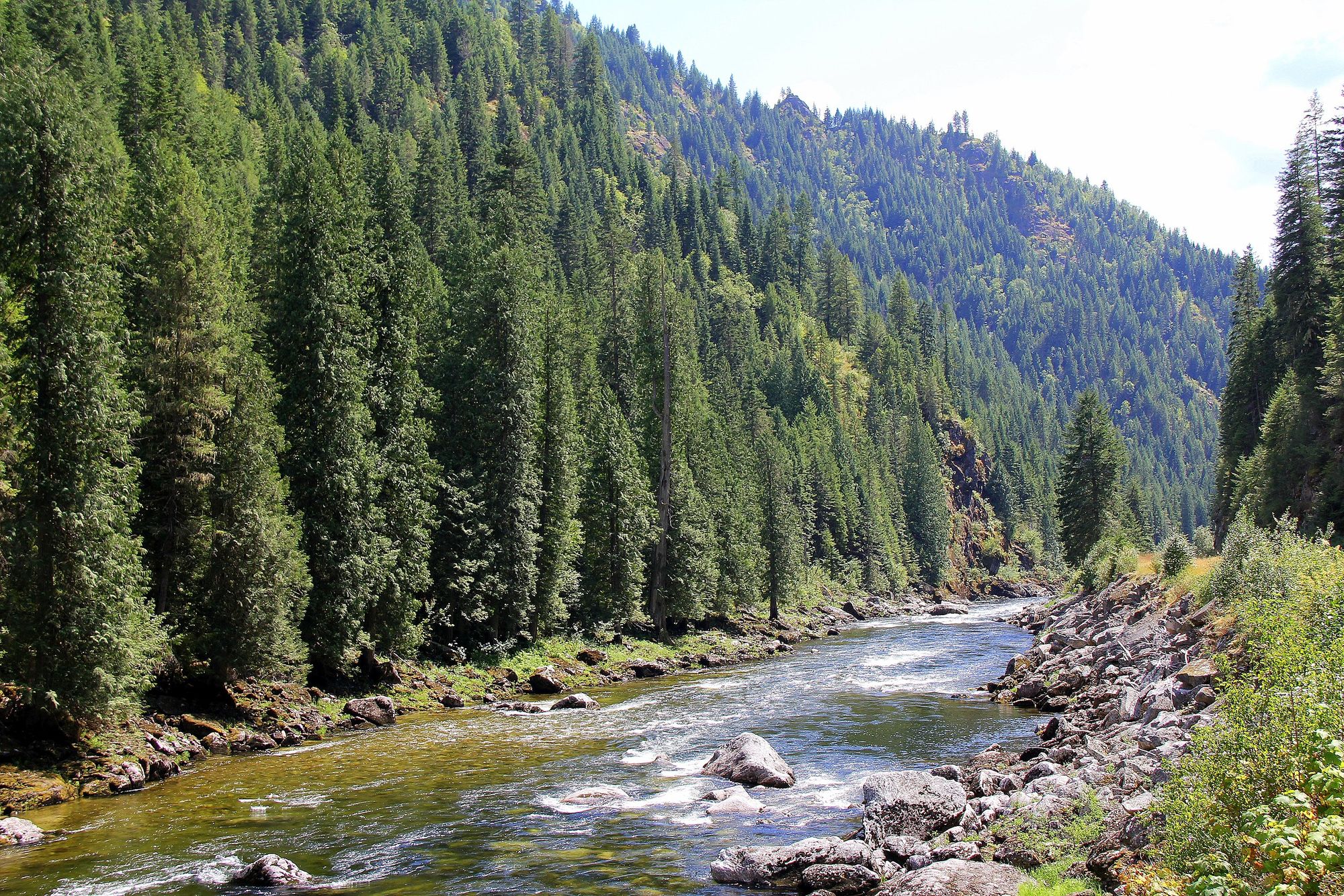
Lochsa River
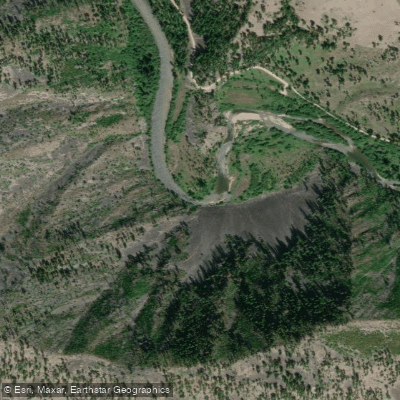
Rock Creek
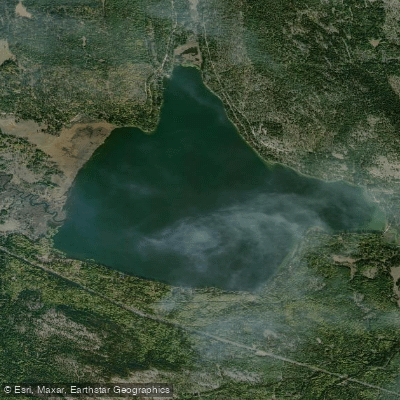
Placid Lake
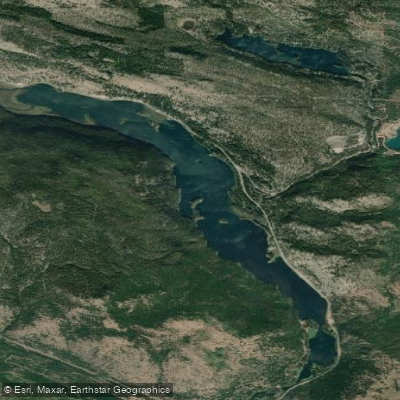
Salmon Lake
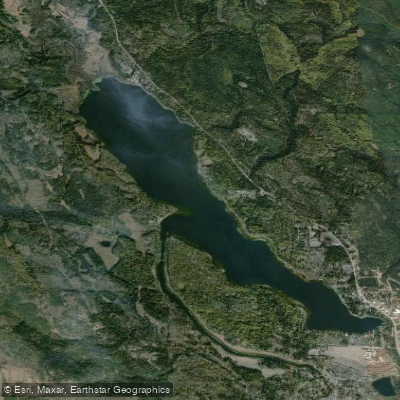
Seeley Lake
Kicking Horse Reservoir
Explore near White Cap Creek
Access points
Nearby waters
More in Idaho
Smarter Paddling Starts in the App.
PaddleWays gives you everything you need to plan smarter, paddle better, and own every trip from first launch to takeout.