Yankee Fork
- River
- River
- River length
- 29.8 mi
- Public shoreline
- 2%
- Boat Ramps
- 0
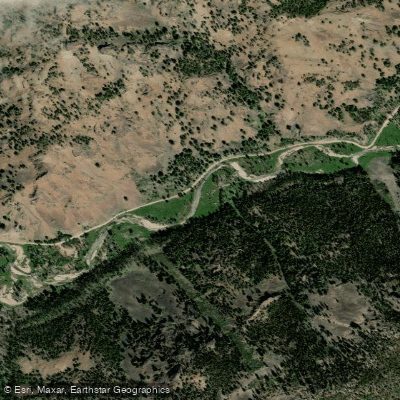
The Yankee Fork is a significant tributary of the Salmon River in central Idaho, flowing approximately 27 miles from its headwaters in the Challis National Forest to its confluence with the Salmon River near Sunbeam. This scenic mountain stream drains a watershed within the rugged Salmon River Mountains, characterized by steep canyons and forested slopes. Paddling opportunities on the Yankee Fork range from challenging whitewater to more moderate float fishing sections.
The upper stretch from the road's end to the Salmon River confluence offers 26.8 miles of expert-level Class IV-V whitewater, suitable only for highly skilled kayakers and rafters. This section demands technical maneuvering through continuous rapids and tight gorges. The most popular section for both whitewater enthusiasts and anglers is the 8-mile stretch from the Yankee Fork boat ramp to Snyder Springs. This Class III run features fun rapids like Piece of Cake and the Narrows, interspersed with pocket water and deep pools. It's ideal for intermediate paddlers and drift boats, offering exciting whitewater and excellent fishing opportunities.
Water levels are typically best from late spring through early summer, with snowmelt driving peak flows in May and June. Late summer and fall provide lower water conditions suitable for fishing trips. The surrounding ecosystem supports diverse wildlife, including elk, deer, and various bird species, while the river itself is home to native cutthroat trout.
Key landmarks include the historic Yankee Fork Gold Dredge, a reminder of the area's mining heritage, and the Sunbeam Dam site near the put-in for the popular rafting section. Access points are available at the upper road end, Yankee Fork boat ramp, Snyder Springs, and near the confluence with the Salmon River. The nearest towns are Stanley (about 22 miles southwest) and Challis (approximately 42 miles southeast), both offering amenities for river visitors.
The Yankee Fork holds cultural significance for both Native American tribes and early settlers drawn by gold mining prospects. Today, it's valued for its recreational opportunities and as an important watershed within the greater Salmon River ecosystem.
Safety considerations include the river's remote nature, cold water temperatures, and challenging rapids. Proper equipment, including wetsuits or drysuits, and solid whitewater skills are essential, particularly for the upper section. Regulations may apply to fishing and camping activities, so checking with local authorities is advised. While primarily known for day trips, multi-day adventures are possible by combining the Yankee Fork with sections of the main Salmon River, allowing paddlers to experience a diverse range of Idaho's stunning river environments.
Hazards
Hazards on Yankee Fork
No hazards are marked on Yankee Fork yet. That is not the same as none being there: if you find one, report it for the next paddler.
From the community
Yankee Fork trip reports
Nobody has shared a trip on Yankee Fork yet. Paddle it, then tell the next paddler how it went.
Water access & public shoreline
See exactly where the public can get on and off the river. Launch points and boat ramps are paired with PaddleWays' public land data so you know where you can legally land.
Public shoreline
2%of the river's shoreline is public
- Public
- 2%
- Private
- 98%
Largest public stretches
- Challis National Forest
Most of the riverbank is private. Launch, land and camp only at public access points.
Flows & paddling conditions (10 day forecast)
Flows and weather, so you know what to expect on Yankee Fork today.
YANKEE FORK SALMON RIVER NR CLAYTON ID
All Flow Stations
Paddle smarter with real-time insights
Live flows, marked hazards and fresh trip reports from paddlers who were just on the water, all in one place.

Find Places to Paddle
Over 400,000 Places to Paddle
Every user gets free access to launch points, boat ramps, and public property parcels.
Idaho licenses and regulations
Idaho Boating Regulations
When using any type of watercraft to access a body of water, it is important to follow all federal, state, and local rules and regulations. These rules and regulations include boat permitting and licensing, invasive species inspections and stamps, life jacket and PFD rules, motor size and horsepower restrictions, noise limitations, restrictions on personal watercraft, and many more. Visit the web link below for the most current rules and regulations for this body of water.
Idaho Boating Regulations
When using any type of watercraft to access a body of water, it is important to follow all federal, state, and local rules and regulations. These rules and regulations include boat permitting and licensing, invasive species inspections and stamps, life jacket and PFD rules, motor size and horsepower restrictions, noise limitations, restrictions on personal watercraft, and many more. Visit the web link below for the most current rules and regulations for this body of water.
Idaho Fishing License
"To fish in Idaho any person 14 years of age or older must have a valid fishing license. Anglers younger than 14 do not need a license, but there is a small difference between resident and nonresident youth. -A resident child under 14 has their own separate fishing limit. -A nonresident child under 14 must be with someone who has a valid fishing license and their fish are in included in the license holders fishing limit. However, a nonresident child may purchase their own license and have their own limit. Special fishing permits are need for some activities for both residents and nonresidents: -Fishing for salmon and steelhead -Fishing with two poles."
Idaho Fishing Regulations
This river has a variety of species and regulations, including potential floating and/or watercraft restrictions. Because this river is specially managed for species, seasons, angling methods, and watercraft, it is strongly encouraged you check all federal, state, and local regulations before fishing. Visit any of the links below, inquire locally, or contact a local fly shop to learn current regulations and restrictions.
Idaho Stream Access Laws
Navigable streams are recognized as public transportation corridors, thus members of the public have the right to use the corridor, provided they enter and exit the corridor at a public right of way and remain within the corridor. Many navigable streams flow through private property, thus it is important that anglers know their rights and responsibilities when fishing in navigable waters that flow through private property.
Paddling near Yankee Fork
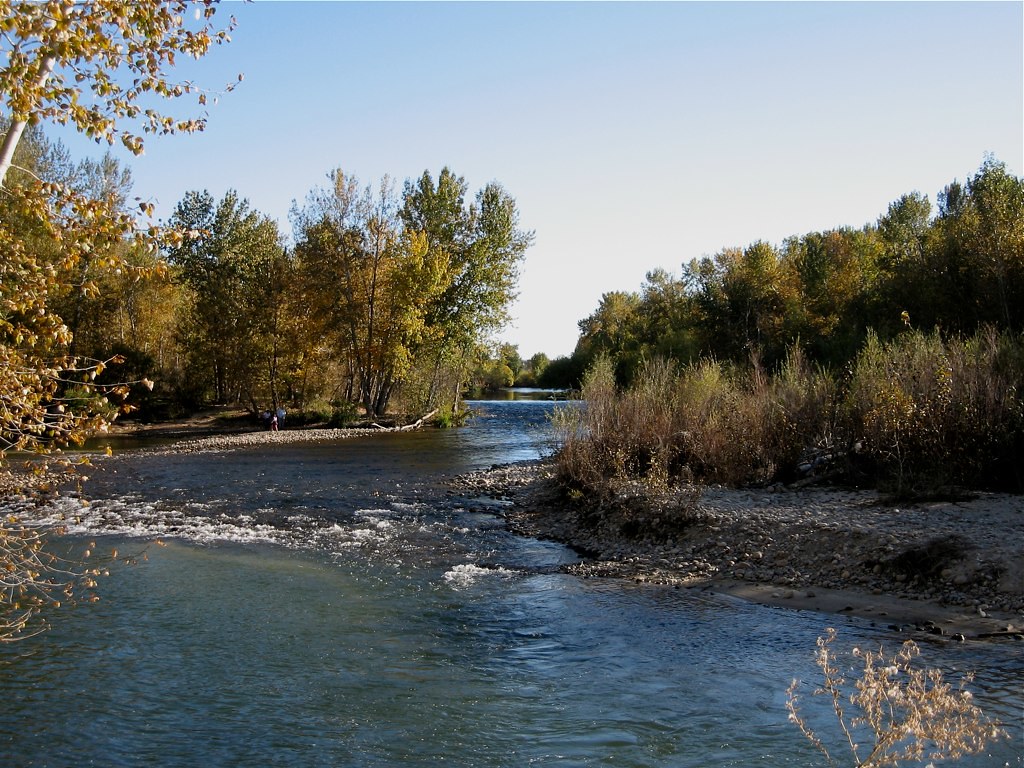
Boise River
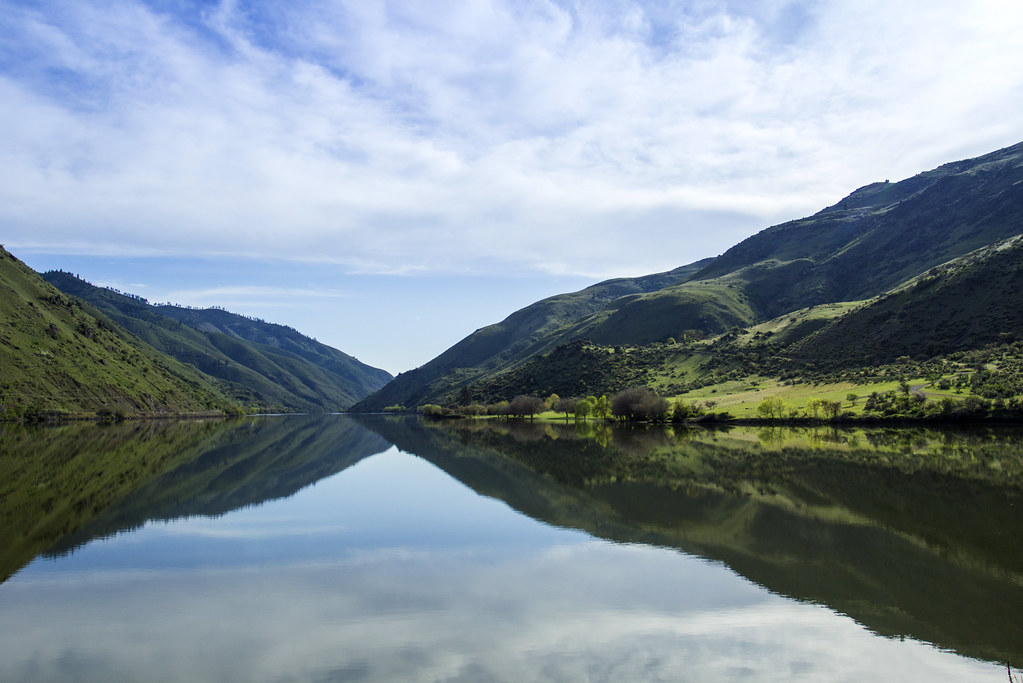
Snake River
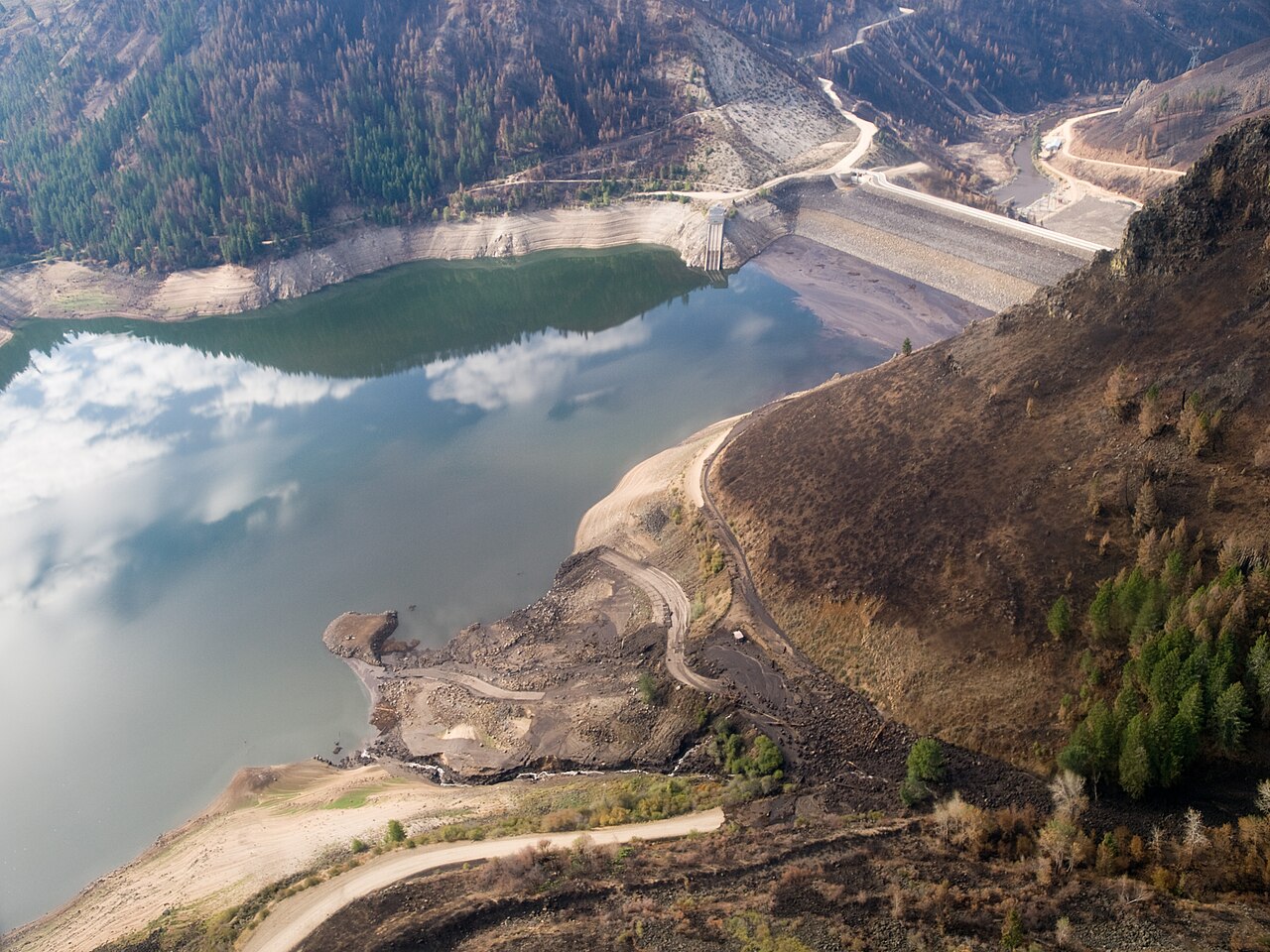
Anderson Ranch Reservoir
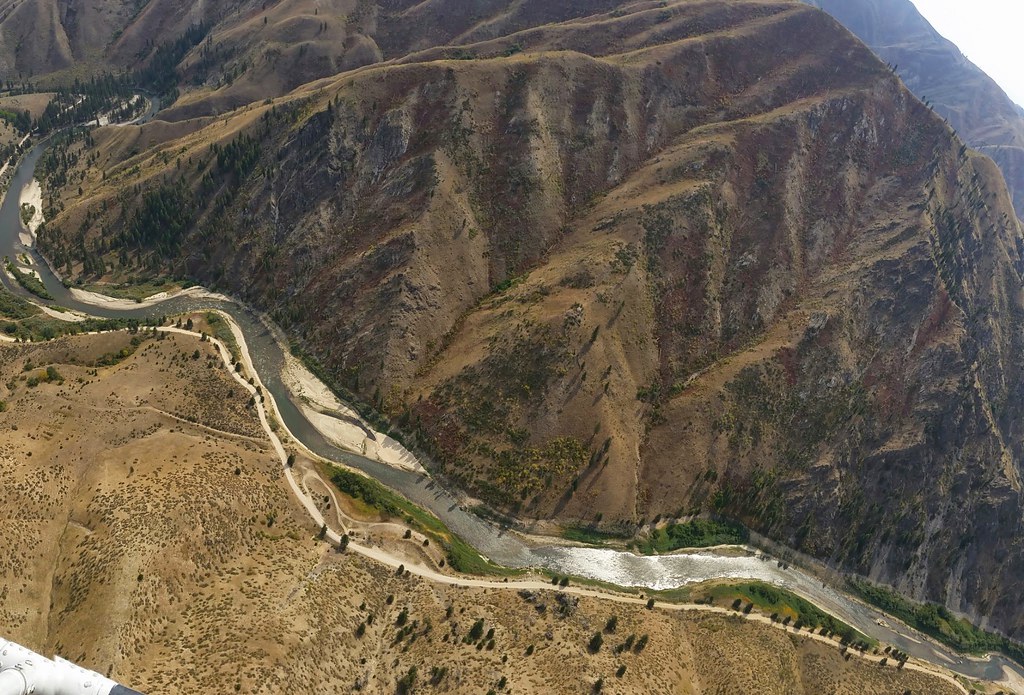
Middle Fork Boise River
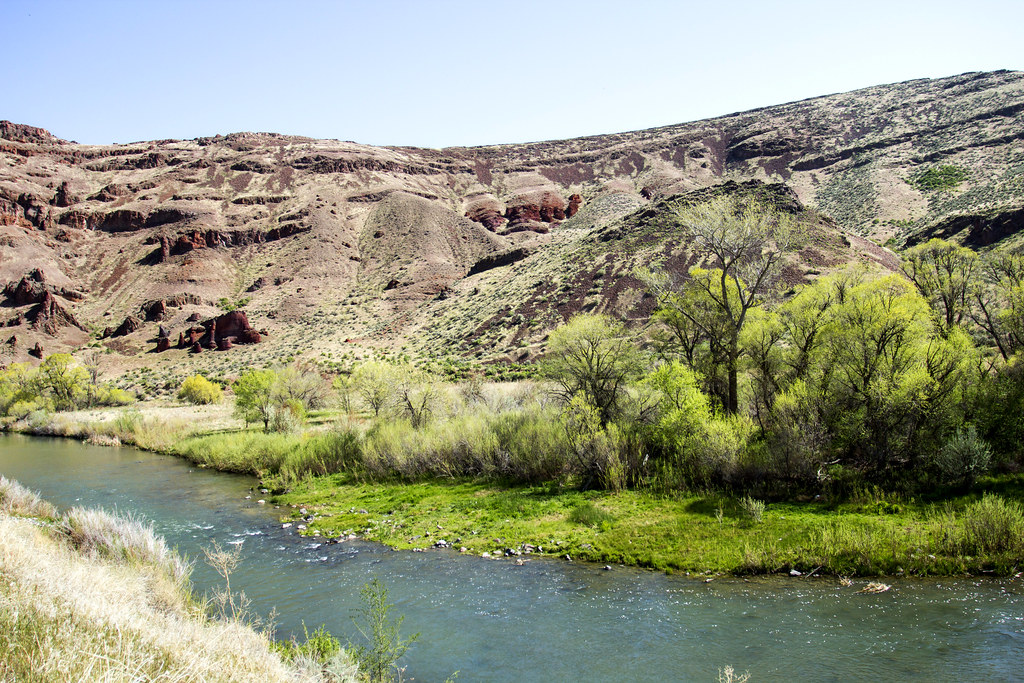
Owyhee River
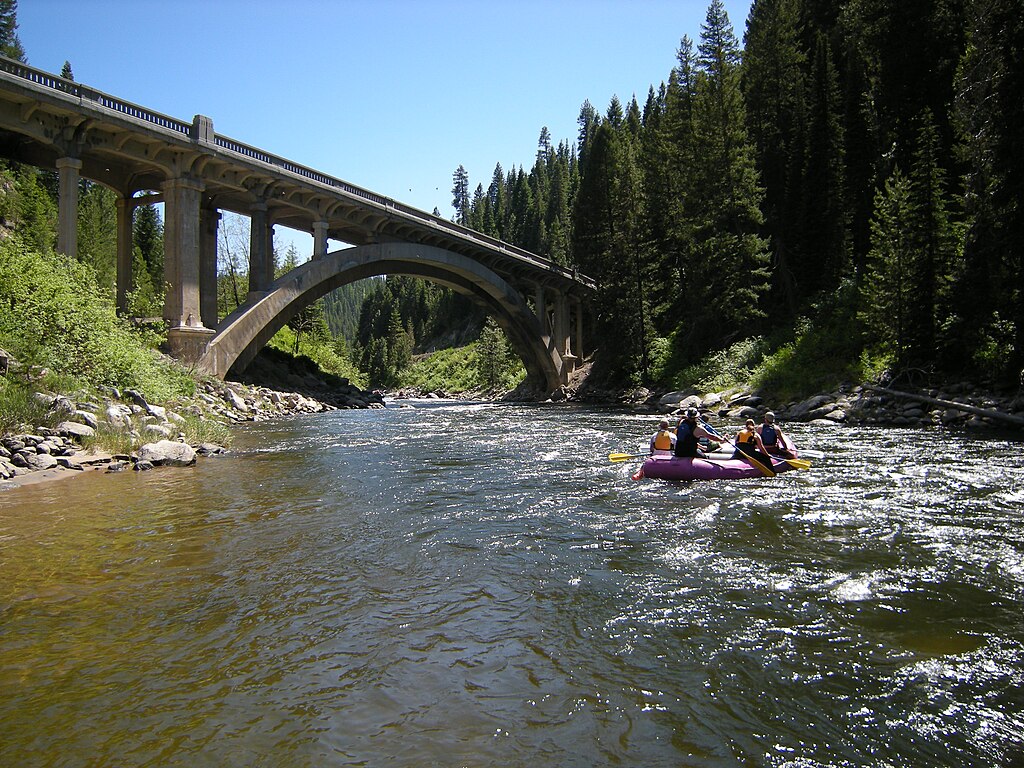
North Fork Payette River
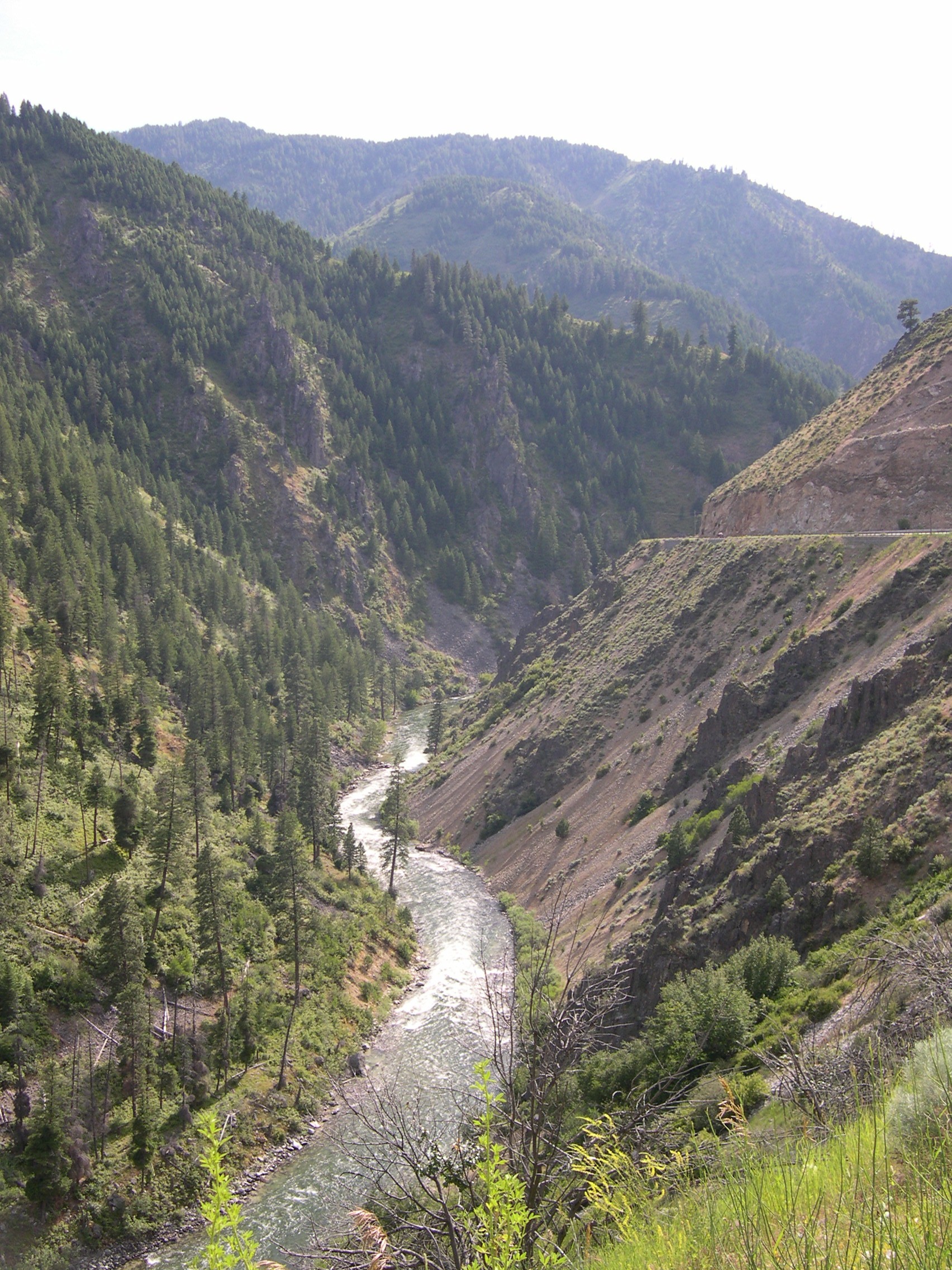
South Fork Payette River
Malheur River
Lucky Peak Lake
Arrowrock Reservoir
Explore near Yankee Fork
Access points
Nearby waters
More in Idaho
Smarter Paddling Starts in the App.
PaddleWays gives you everything you need to plan smarter, paddle better, and own every trip from first launch to takeout.