Paddling in Big Bend National Park
- National Park
- Open 24 hours
- Lakes
- 6
- Rivers
- 19
- Access
- 0
- Boat Ramps
- 2
- Shops
- 0
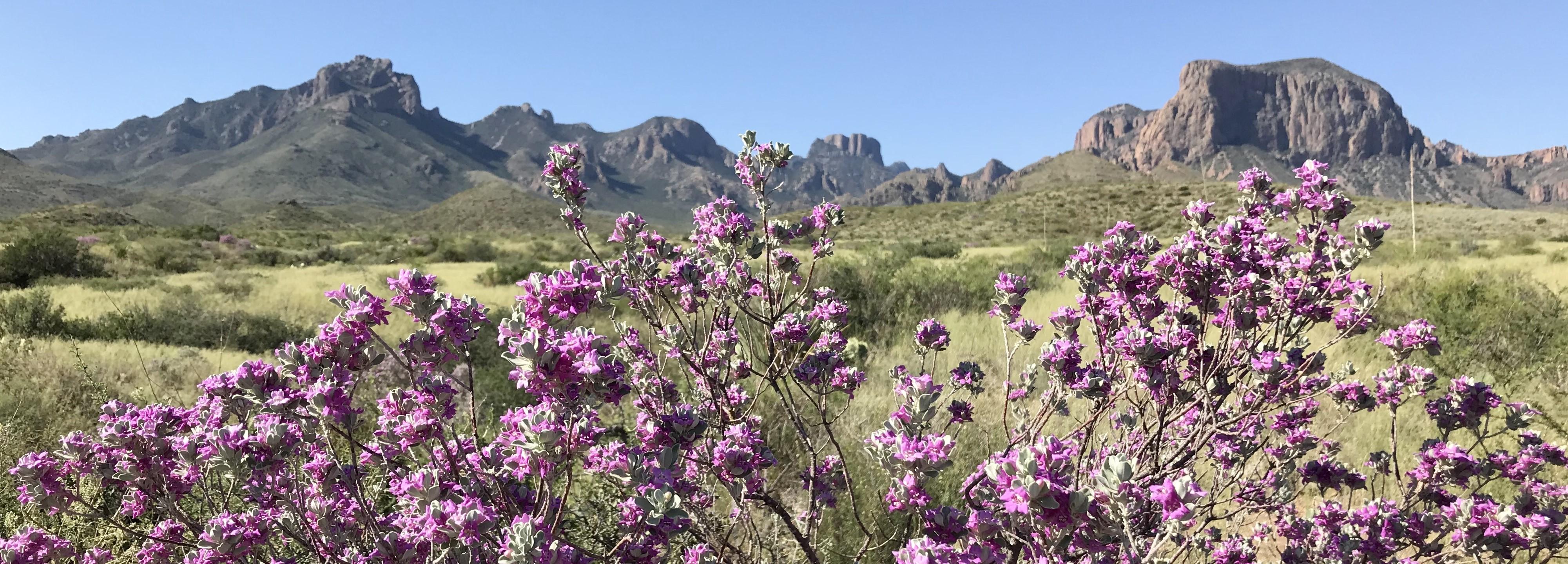
Big Bend National Park sits in the far southwestern corner of Texas, where the Rio Grande carves the boundary between the United States and Mexico through some of the most remote desert terrain in North America.
The paddling here is almost entirely river paddling — moving water through deep limestone canyons and open desert stretches — and the Rio Grande is the only water that matters. Four canyon runs define the park's paddling.
Santa Elena Canyon is the most accessible, a popular day or overnight trip where the river cuts through walls that rise 1,500 feet above the water. Rapids reach Class IV in higher flows, but the canyon also holds long calm stretches.
When the Johnson's Ranch gauge reads above 2,000 cfs, open canoes must carry 50 percent flotation and decked boats require spray skirts; Type II collar-style PFDs are not permitted here at any level.
Mariscal Canyon, at 10 miles the shortest of the runs, is wilder and less visited. Gas-powered motors are prohibited there except during October.
Boquillas Canyon stretches 33 miles and runs more gently — a better fit for paddlers with less river experience, and a multi-day float through open country where you may go days without seeing another boat.
The Lower Canyons require five to ten days and deliver the most remote experience in the park, a mix of open desert and deep canyon that sees far fewer parties than the reaches upstream. The Rio Grande here is an international boundary.
The deepest channel marks the line, and a trip through any of these canyons will cross it repeatedly.
Landing on the Mexican bank is an illegal entry and can result in fines or detention; the narrow exceptions are safety-driven — bailing a boat, scouting a rapid, or getting out of the sun when overheating.
Passports are not currently required to float the river, but that status can change. A Backcountry Use Permit is required for both day and overnight trips on all sections of the Rio Grande within the park; the NPS issues it.
Multi-day permits carry a fee; day permits do not. Private group sizes are capped at 30 people on most sections, and at 20 people on the Talley-to-Solis stretch, through Boquillas Canyon, and in the Lower Canyons.
Groups larger than the launch limit must split their start by at least one day. Low water is the norm more often than not. Recent decades have run dry enough that rafts are sometimes impractical, and canoes or kayaks become the right call.
Check the gauge before you go, and build your gear choices around what the river is actually doing.
Out here, the logistics are real, the distances are long, and the nearest help is far away — which is exactly what makes the Rio Grande through Big Bend worth the effort.
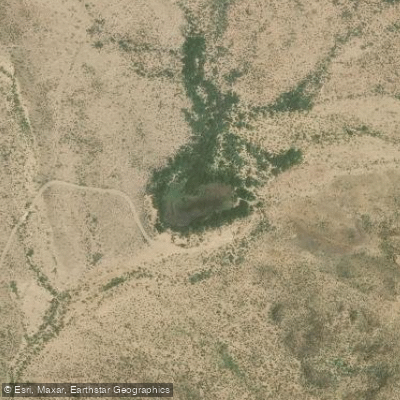
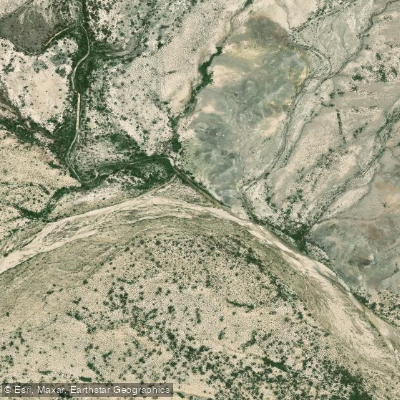
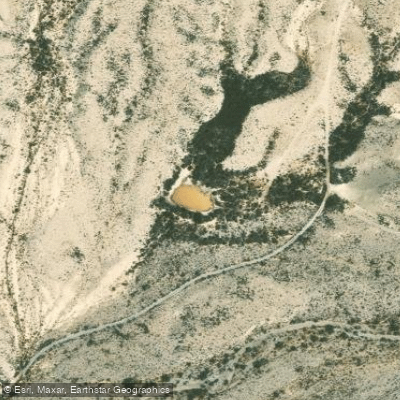
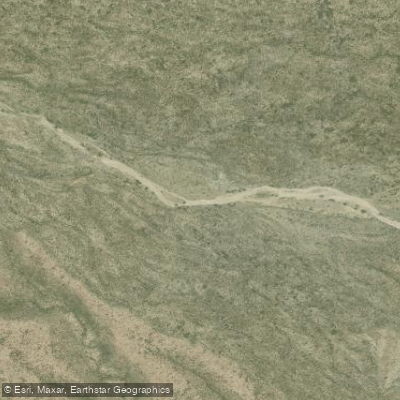
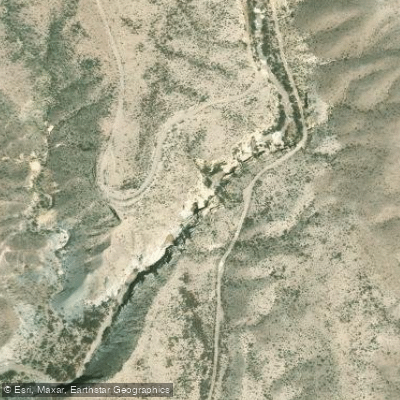
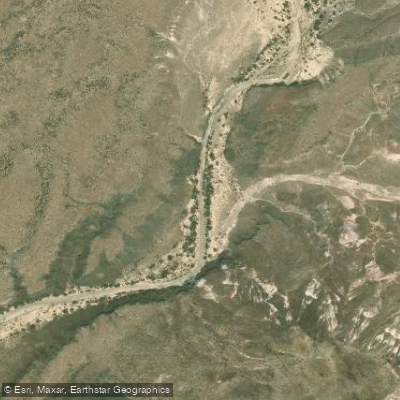
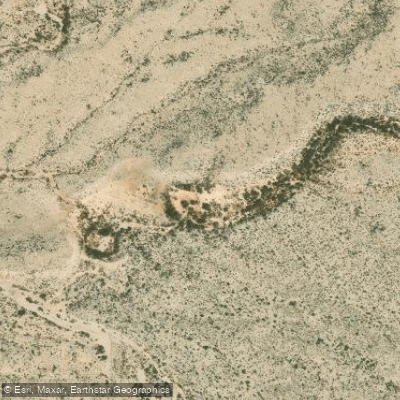
Top waters to paddle near Big Bend National Park
Water and weather conditions (10 day forecast)
See the best times to paddle Big Bend National Park and check the forecast before you go.
No forecast data available.
Park alerts & road status
Closures and conditions Big Bend National Park has posted, from the National Park Service.
Checking the park's alerts…
Hours & fees
When Big Bend National Park is open and what it costs to get in, from the National Park Service.
Hours
Open 24 hoursBig Bend National Park is always open. You can enter and exit at any time of the day or night. Park entrances are open 24 hours daily, all year.
Entrance fees
- Entrance - Private Vehicle$30
- Admits one private, non-commercial vehicle (15 passenger capacity or less); valid for 7 days.
- Entrance - Per Person$15
- Admits one individual. Typically used for bicyclists and pedestrians; valid for 7 days.
- Commercial Entrance - Motor Coach$200
- Companies conducting business in the park are required to obtain a commercial use authorization. The only exception is companies travelling in a 26-person capacity or greater vehicle; such vehicles are charged a flat fee of $200 (commercial use authorization not required).
- Entrance - Non-commercial Groups$30
- Organized groups such as Scouts, clubs, etc. that do not qualify for an academic fee waiver are charged as follows: $30 per non-commercial vehicle with a capacity of 15 or less. $15 per person traveling in a non-commercial vehicle with a capacity of 16 or more. Fees will not exceed the commercial rate for the same sized vehicle. Youth 15 and younger are free. Individuals or families with a valid annual or lifetime pass may use their pass for themselves and up to 3 others.
- Commercial Entrance - Mini-bus$100
- This fee is valid for seven consecutive days. A commercial use authorization is required. https://www.nps.gov/bibe/learn/management/cua.htm
Paddle smarter with real-time insights
Whether you're en route and conditions shift or you're looking for the best spot based on current flows, we enable you to make informed decisions on the fly.







Paddling near Big Bend National Park
Loading...
Gateway towns
Where to base yourself for paddling in Big Bend National Park.
The main base for Big Bend, with outfitters, river shuttles, guides, lodging, and restaurants just outside the west entrance.
Sits at the western park entrance alongside Terlingua, offering gas, lodging, and outfitter access for park visitors.
- MarathonTX
Small town near the north entrance with lodging and guided adventure services for Big Bend visitors.
- LajitasTX
Resort community on the Rio Grande near the western park boundary, with horseback riding and lodging options.
Big Bend National Park paddling rules
The park's own rules, on top of Texas licenses and regulations. Limits, fees and closures change, so check the park's page before you go.
Permit Required for All River Trips
A Backcountry Use Permit is required for both day and overnight trips on all sections of the Rio Grande. Pick one up before you launch and carry it with you on the water.
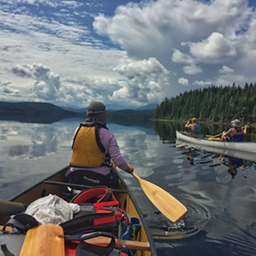
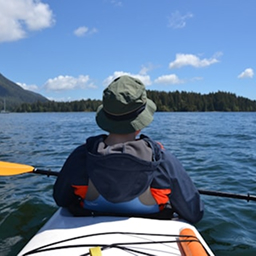
Wear Your PFD at All Times
PFDs must be worn at all times on the river, not just stowed in the boat. Bring one spare PFD per trip. Type II horse-collar PFDs are not allowed in Santa Elena, Mariscal, or the Lower Canyons.
Motorized Craft Restrictions Apply
Gas-powered motorized watercraft is prohibited in Santa Elena Canyon and Boquillas Canyon. Mariscal Canyon is also off-limits to motors except during October. Jet skis are banned within all park boundaries.
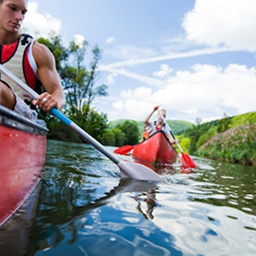
Group Size Limits Enforced
Private groups are capped at 30 people in most river areas, and at 20 people in the Talley to Solis and Boquillas Canyon segments. Groups over the limit must split up and launch at least one day apart.
No Landing on the Mexican Bank
The middle of the deepest channel is the international boundary. Landing on the Mexican bank is an illegal border crossing and can result in fines and jail time. Limited safety exceptions apply for scouting rapids or bailing a boat.
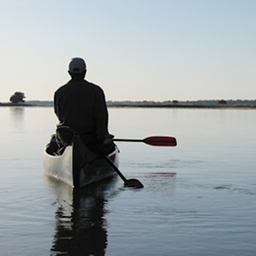
Required Survival Gear on Board
Every river party must carry a first aid kit, extra water, sun protection, rain gear, a throwline, and an extra rope. Check the park's regulations page for the full required gear list.
Explore Big Bend National Park
Top paddling waters
Popular Cities
Loading popular cities...
Smarter Paddling Starts in the App.
Paddleways gives you everything you need to plan smarter, paddle better, and own every trip from first launch to takeout.