Paddling in Canyonlands National Park
- National Park
- Open 24 hours
- Lakes
- 1
- Rivers
- 10
- Access
- 1
- Boat Ramps
- 3
- Shops
- 0
Two rivers built Canyonlands, and two rivers run through it. The Colorado and the Green converge near the center of the park, and that confluence is the pivot point around which all the paddling here turns — flatwater above it, serious whitewater below.
Above the confluence, both rivers move through deep canyon corridors at a pace that suits canoes and sea kayaks. The Colorado threads Meander Canyon; the Green runs through Stillwater Canyon.
These are long, quiet stretches of desert river where the walls rise hundreds of feet and the current does most of the work. The flatwater extends as far downstream as Spanish Bottom, just above where the gradient drops.
Non-motorized boats on these sections require a commercial upriver shuttle — there is no road-accessible put-in that allows a downstream float without one. Below the confluence, the character of the river changes completely.
Cataract Canyon runs 14 miles of rapids ranging from Class III to Class V. The NPS describes it as particularly hazardous and isolated, subject to extreme water level fluctuations, and intended for experienced river runners only.
The combined flow of the Colorado and Green through this stretch can move with serious force, and the remoteness means self-rescue is the baseline assumption.
Packrafting is also permitted in the park, and can be combined with overnight backpacking trips to reach districts that aren't accessible by river alone. Overnight trips on any section — flatwater or whitewater — require a permit issued through Recreation.
gov. Permits are available year-round. Each permit covers one group launch on a selected date, with a maximum of 40 people, for up to 14 days in the river corridor.
Flatwater and Cataract Canyon trips use separate entry points in the permit system, so choose carefully when booking.
Inflatable PFDs are not permitted on any Utah rivers; whitewater PFDs must carry a US Coast Guard label specifying whitewater, kayaking, canoeing, or paddling use.
The park's river corridor is its own district — as remote and unmediated as any section of the Colorado Plateau. Plan accordingly, and go in knowing the water level before you launch.
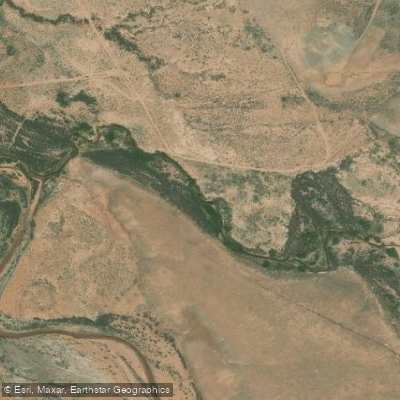
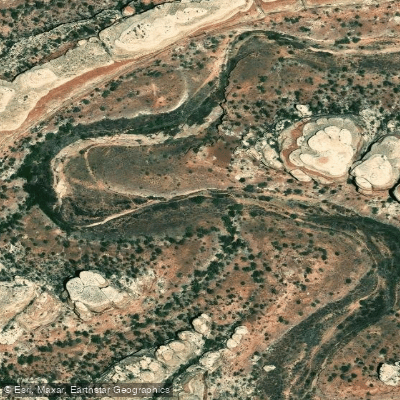
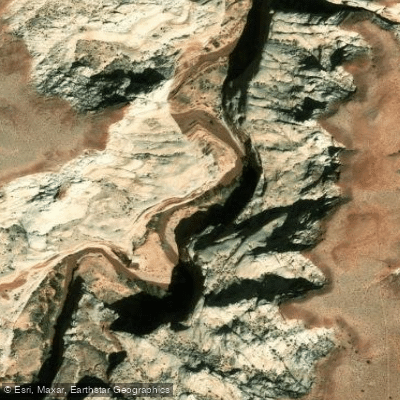
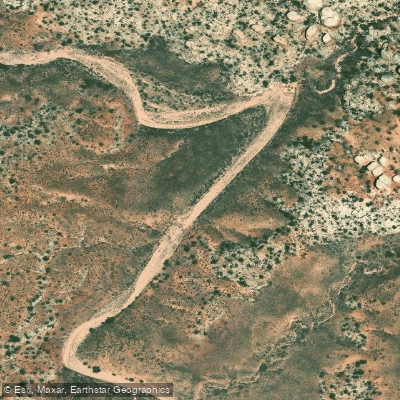
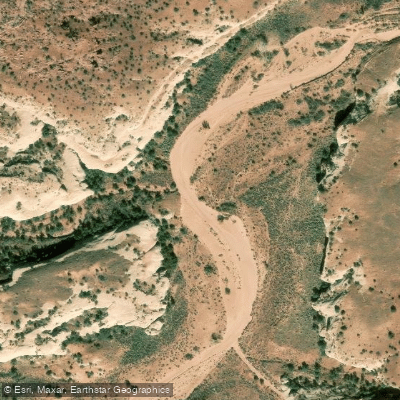
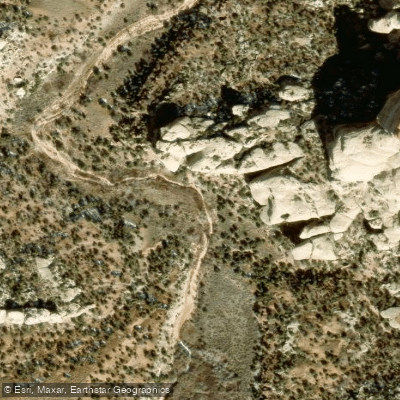
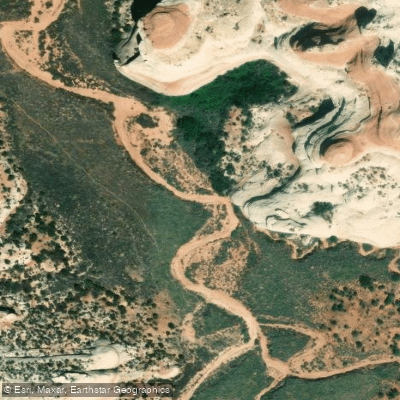
Water and weather conditions (10 day forecast)
See the best times to paddle Canyonlands National Park and check the forecast before you go.
No forecast data available.
Park alerts & road status
Closures and conditions Canyonlands National Park has posted, from the National Park Service.
Checking the park's alerts…
Hours & fees
When Canyonlands National Park is open and what it costs to get in, from the National Park Service.
Hours
Open 24 hoursCanyonlands National Park is generally open 24 hours a day, year-round.
Entrance fees
- Entrance - Private Vehicle$30
- Admits one private, non-commercial vehicle (15 passenger capacity or less) and all its occupants.
- Entrance - Motorcycle$25
- Valid for 7 days. Admits up to 2 private, non-commercial motorcycles with up to 4 total passengers.
- Entrance - Per Person$15
- Admits one individual with no car. Typically used for bicyclists, hikers, and pedestrians. Youth 15 and under are admitted free.
Paddle smarter with real-time insights
Whether you're en route and conditions shift or you're looking for the best spot based on current flows, we enable you to make informed decisions on the fly.







Paddling near Canyonlands National Park
Loading...
Gateway towns
Where to base yourself for paddling in Canyonlands National Park.
- MoabUT
Main base for all districts; full services, outfitters, guides, and lodging closest to Island in the Sky entrance.
Nearest town to The Needles district entrance, with lodging for visitors exploring that southern section.
NPS-listed base north of the park, convenient for accessing The Maze district from the north.
NPS-listed base west of the park, serving as the closest supply stop for The Maze district.
Canyonlands National Park paddling rules
The park's own rules, on top of Utah licenses and regulations. Limits, fees and closures change, so check the park's page before you go.
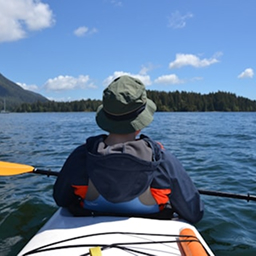
Permit Required for All River Trips
You must have a permit for every river trip in Canyonlands, whether a day float or an overnight. Reserve overnight permits through Recreation.gov and grab day use permits year round.
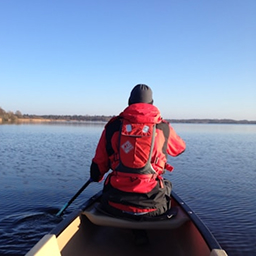
PFD Rules Vary by Location
Below the confluence of the Green and Colorado rivers, PFDs must be worn at all times on the water. Above the confluence they must be readily accessible. Children 12 and under must wear a PFD at all times on the river regardless of location.
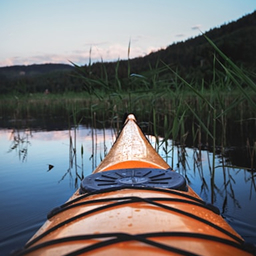
No Personal Watercraft Allowed
JetSkis and other personal watercraft are not permitted on any rivers within Canyonlands National Park.
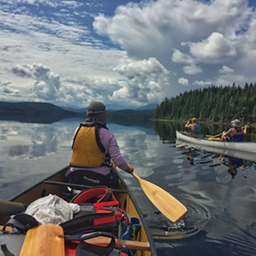
Motorized Boats Need State Registration
Motorized boats must carry valid state registration, required decals and placards, and a serviceable fire extinguisher. Out-of-state registered boats are allowed on Utah waters for a limited number of days per calendar year.
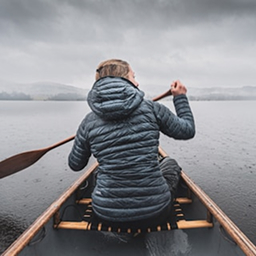
Invasive Species Prevention Required
All vessels must comply with federal and state laws to prevent the spread of non-native aquatic species. Boaters exiting via Lake Powell must clean, drain, and dry their boats per Glen Canyon mussel regulations.
Fishing Follows Utah State Law
Fishing is permitted in Canyonlands in accordance with Utah state law. Check current Utah fishing regulations for license requirements and any applicable rules.
Explore Canyonlands National Park
Top paddling waters
Popular Cities
Loading popular cities...

Smarter Paddling Starts in the App.
Paddleways gives you everything you need to plan smarter, paddle better, and own every trip from first launch to takeout.