Paddling in Glen Canyon National Recreation Area
- National Recreation Area
- Open 24 hours
- Lakes
- 6
- Rivers
- 59
- Access
- 6
- Boat Ramps
- 11
- Shops
- 0
Glen Canyon National Recreation Area spans the Colorado Plateau across southern Utah and northern Arizona, holding two very different kinds of water: the still, reservoir depths of Lake Powell and the cold, dam-controlled current of the Colorado River below Glen Canyon Dam.
Those two environments define almost everything about paddling here. Lake Powell is the dominant water.
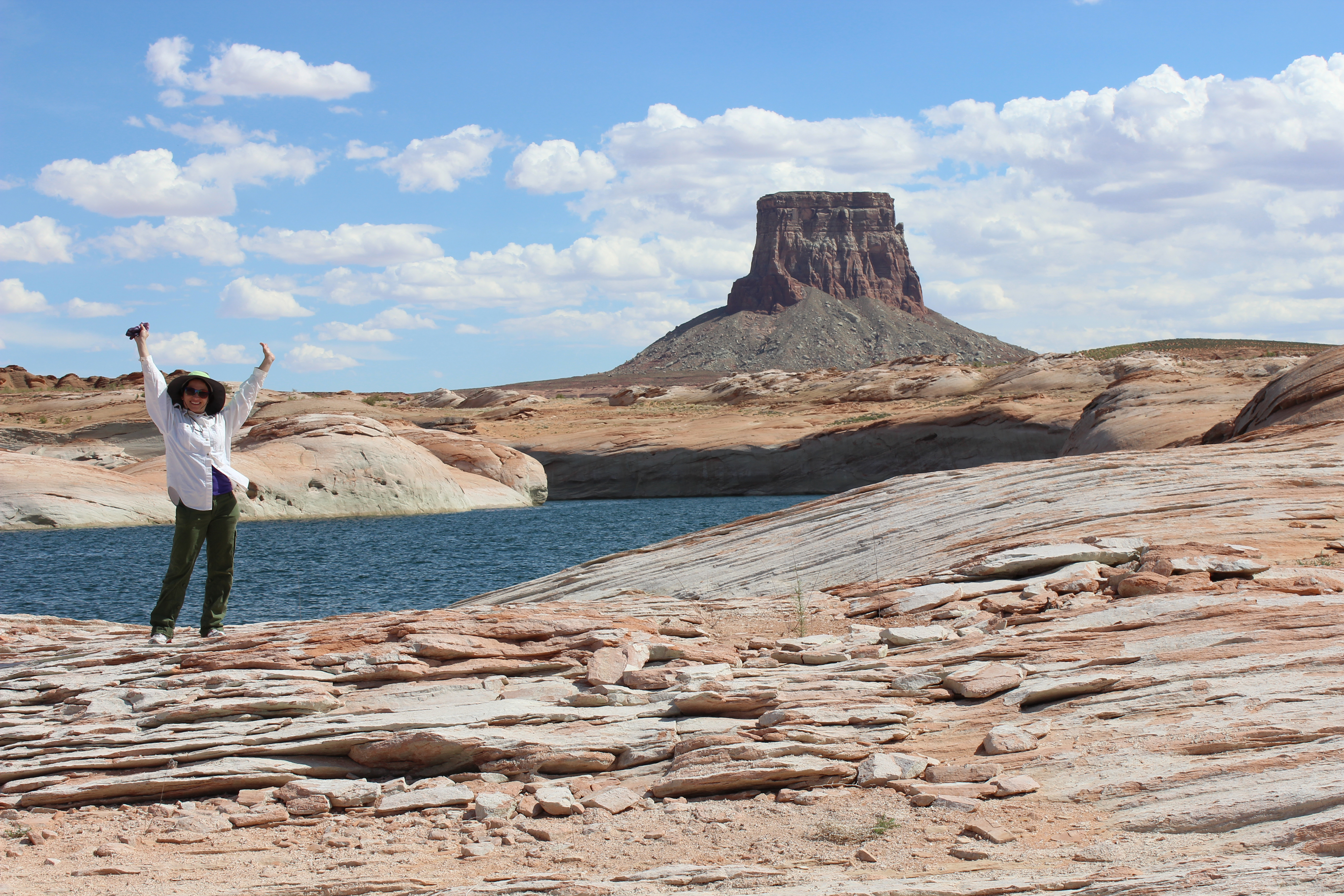
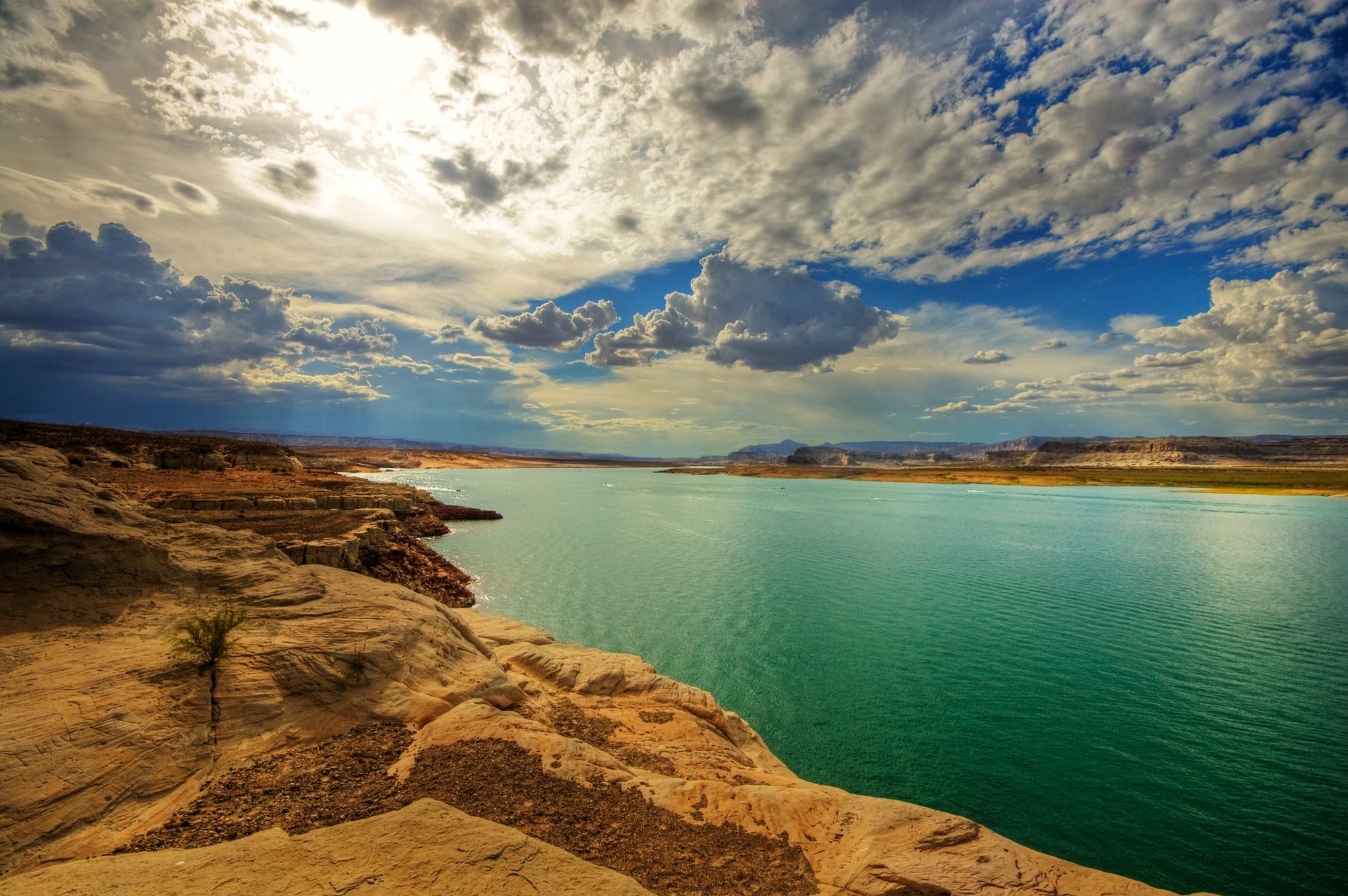
Stretching 186 miles upstream from the dam with roughly 2,000 miles of shoreline, it draws sea kayakers and paddleboarders who want multi-day canyon exploration as much as it draws motorboats.
The glassy surface and sandstone side canyons reward self-propelled travel in ways a powerboat can't match.
Antelope Canyon, accessible by water from the lake, has become a signature paddle — guided kayak and paddleboard tours run by NPS-authorized outfitters out of Page are the standard way in.
Lower water levels, a visible consequence of prolonged drought, have exposed beaches, arches, and canyon passages that were submerged for decades; they've also made some launches more complicated, so check current conditions before committing to a put-in.
The Colorado River below the dam is a different proposition entirely.
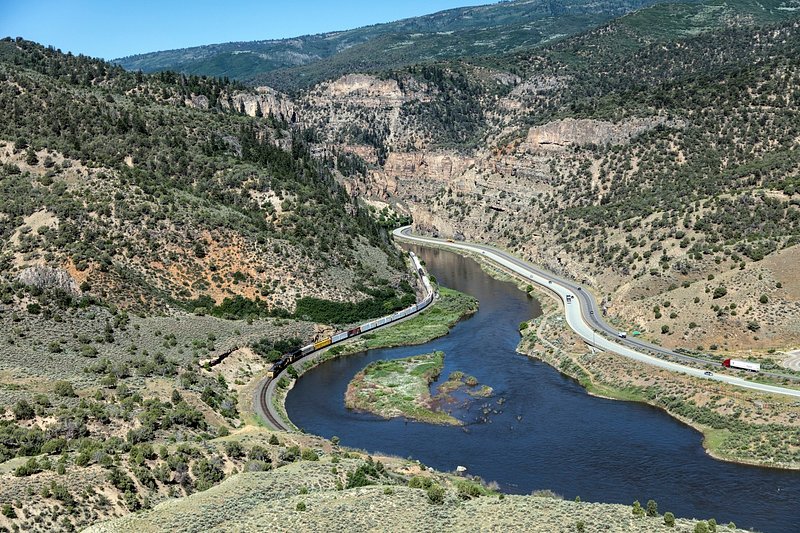
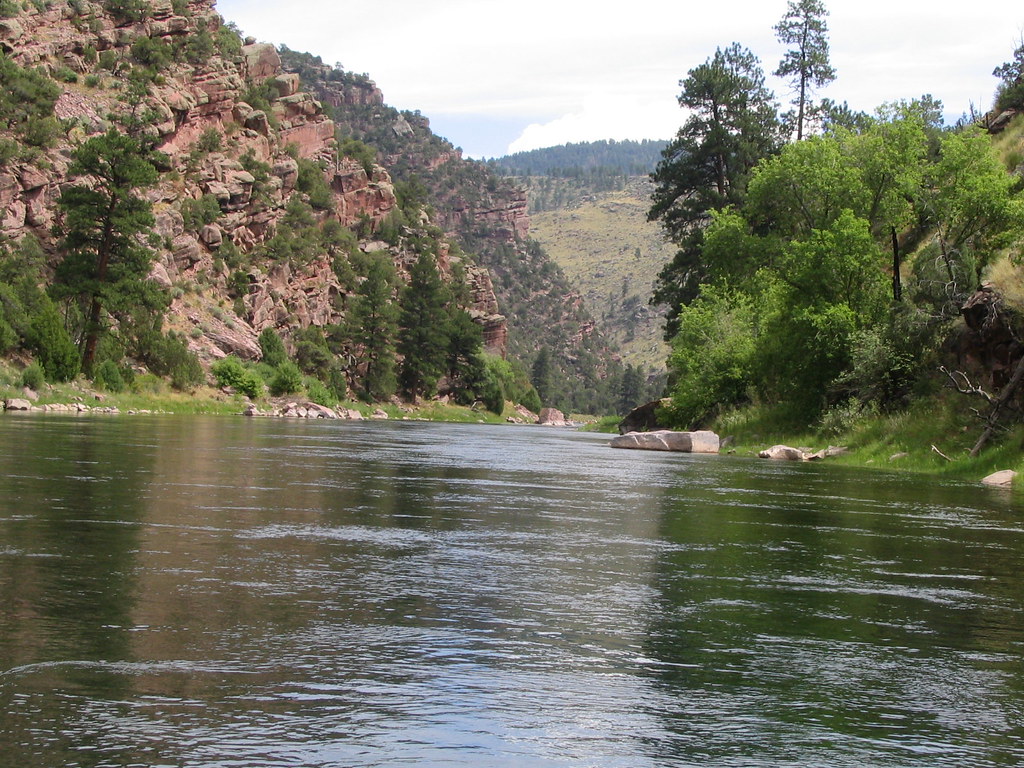
The 15-mile stretch from the dam down to Lees Ferry runs cold — the dam holds water temperature to around 47°F — and the flow varies with daily dam releases, so checking the Bureau of Reclamation's outflow figures before you launch is not optional.
There is no put-in at the dam itself; paddlers launch from the Lees Ferry ramp and arrange a backhaul upstream by motorboat, either through a friend or an authorized concessioner. A free backcountry river permit, filled out at the launch ramp, is required.
On this section, life preservers must be worn at all times while on the water, and any vessel traveling predominantly upstream or running more than 55 horsepower requires a permit from the Superintendent.
Five first-come, first-served campsites with grill pits and vault toilets sit along the river banks for those making a longer float of it — pack everything out, because there are no trash receptacles on the river.
The Escalante River offers a third, more demanding option. Flows are limited, and spring snowmelt is the window that makes it runnable at all. Expect to spend as much time lining and dragging your boat as paddling it.
The park's scale and the dam's influence make Glen Canyon unlike most paddling destinations. The water is managed, the temperatures are unforgiving, and the distances are real. That's not a warning — it's the character of the place.
Top waters to paddle near Glen Canyon National Recreation Area

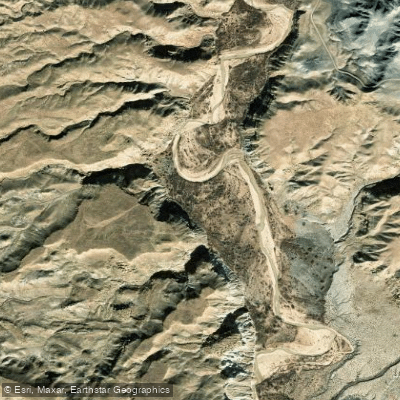
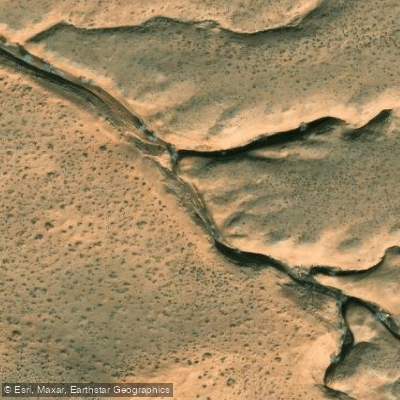
Water and weather conditions (10 day forecast)
See the best times to paddle Glen Canyon National Recreation Area and check the forecast before you go.
No forecast data available.
Park alerts & road status
Closures and conditions Glen Canyon National Recreation Area has posted, from the National Park Service.
Checking the park's alerts…
Hours & fees
When Glen Canyon National Recreation Area is open and what it costs to get in, from the National Park Service.
Hours
Open 24 hoursGlen Canyon National Recreation Area is open 24 hours per day, year-round. If there is not a person staffing the entrance station, you may pay your entrance fee at the automated fee machine. Launch ramps are open all day, unless closed due to low water.
Entrance fees
- Entrance - Private Vehicle$30
- Admits one single, private, non-commercial vehicle and all its passengers.
- Entrance - Motorcycle$25
- Valid for 7 days. Admits up to 2 private, non-commercial motorcycles with up to 4 total passengers.
- Entrance - Per Person$15
- Admits one individual when entering on foot or bicycle. Individuals 15 years of age and younger are admitted free.
- Commercial Entrance - Van$40
- Fees are assessed based on the passenger capacity of the vehicle. Pass is only valid for the same group to which it was issued.
- Commercial Entrance - Mini-bus$40
- Fees are assessed based on the passenger capacity of the vehicle. Pass is only valid for the same group to which it was issued.
Paddle smarter with real-time insights
Whether you're en route and conditions shift or you're looking for the best spot based on current flows, we enable you to make informed decisions on the fly.







Paddling near Glen Canyon National Recreation Area
Loading...
Other parks in Utah
Gateway towns
Where to base yourself for paddling in Glen Canyon National Recreation Area.
- PageAZ
Main gateway with the Carl Hayden Visitor Center, Glen Canyon Dam, Wahweap Marina, and the widest range of lodging and services.
- BullfrogUT
Utah-side marina with lodge accommodations, a full-service restaurant, and houseboat rentals on the northern lake.
Remote Utah access point on Lake Powell with camping, standalone lodging units, and boat launch facilities.
Home to the Navajo Bridge Interpretive Center and a lodge, serving visitors entering the park near Lees Ferry.
Glen Canyon National Recreation Area paddling rules
The park's own rules, on top of Utah licenses and regulations. Limits, fees and closures change, so check the park's page before you go.
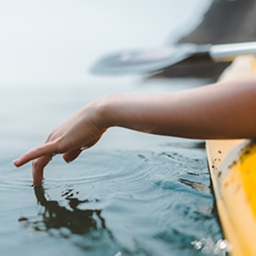
Backcountry River Permit Required
Anyone paddling the Colorado River below Glen Canyon Dam must fill out a free backcountry river permit at the Lees Ferry launch ramp before heading out.
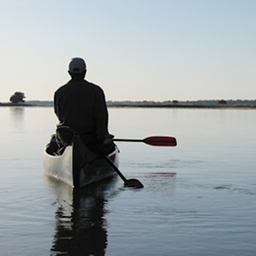
Life Jackets Must Be Worn
On the Colorado River from Lees Ferry downstream, every person in a boat or raft must wear a U.S. Coast Guard approved life preserver at all times, including while lining or portaging near rough water.
Motor Limit on Colorado River
On the Colorado River stretch from Lees Ferry to the Grand Canyon boundary, vessels engaging in predominantly upstream travel or with more than 55 horsepower require a permit from the Superintendent.
Guided Trips Need a Permit
No one may conduct, lead, or guide a river trip through Glen Canyon National Recreation Area without a permit issued by the Superintendent.
Use the Correct Launch Ramp Section
The Lees Ferry launch ramp is split into two sections: the gravel downstream section for downriver trips and the paved upstream section for all upstream use. Do not block either section, and have your boat ready before you launch.
Explore Glen Canyon National Recreation Area
Top paddling waters
Popular Cities
Loading popular cities...

Smarter Paddling Starts in the App.
Paddleways gives you everything you need to plan smarter, paddle better, and own every trip from first launch to takeout.