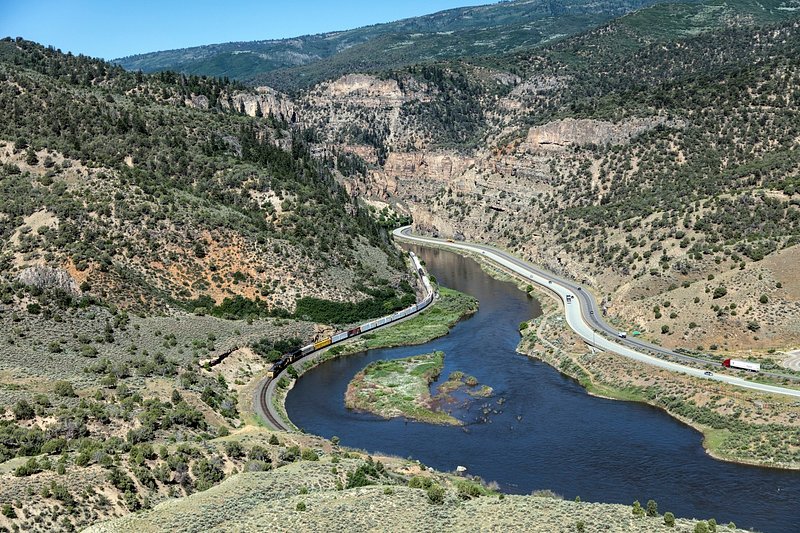
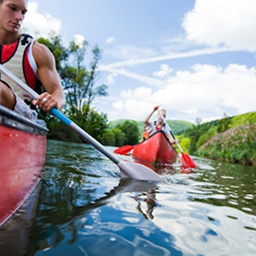
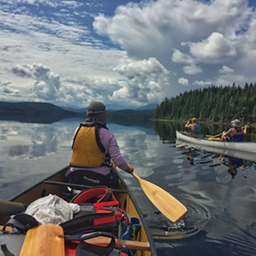
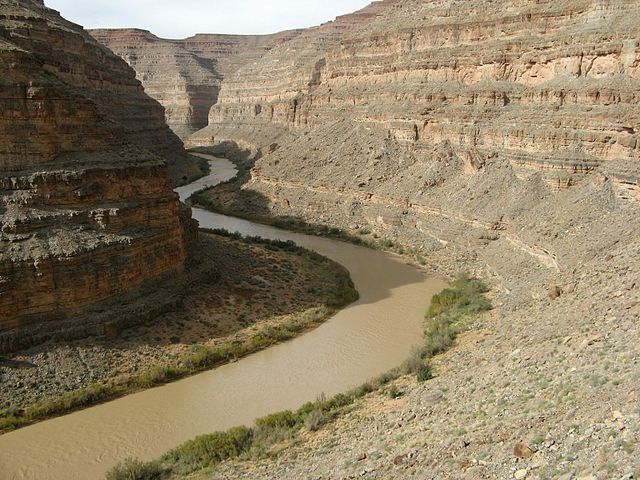
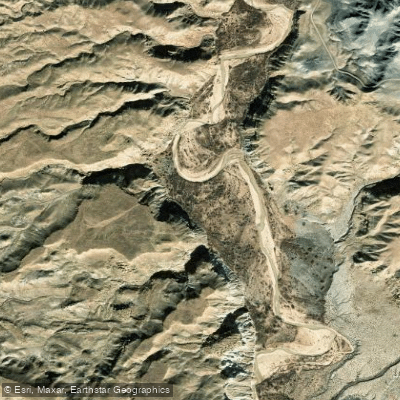
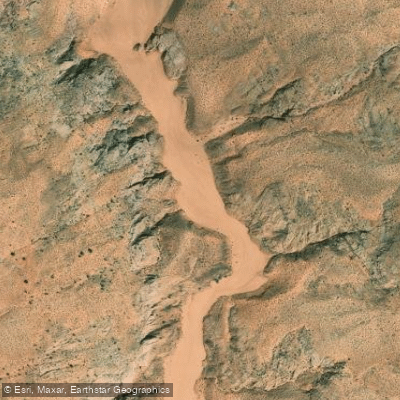
The Colorado River is one of the most iconic and important waterways in the American West, carving its way through seven U.S. states from its headwaters in the Rocky Mountains to its delta in Mexico. This mighty river offers an incredible diversity of paddling experiences, from placid flatwater stretches to heart-pounding whitewater rapids, all set against a backdrop of stunning desert landscapes.
In its upper reaches in Colorado, the river provides excellent opportunities for both beginner and advanced paddlers. Popular sections include the scenic Ruby-Horsethief Canyon float from Loma to Westwater, and the more challenging Shoshone Rapids near Glenwood Springs.
As the river continues westward, it enters Utah's canyon country, where it flows through the famous Westwater and Cataract Canyons. These sections offer world-class multi-day wilderness trips with big whitewater action.
The river's crown jewel is undoubtedly its course through Grand Canyon National Park in Arizona. This 277-mile stretch from Lee's Ferry to Lake Mead is considered one of the premier river trips in the world, featuring massive rapids, towering canyon walls, and countless side hikes to waterfalls and ancient ruins.
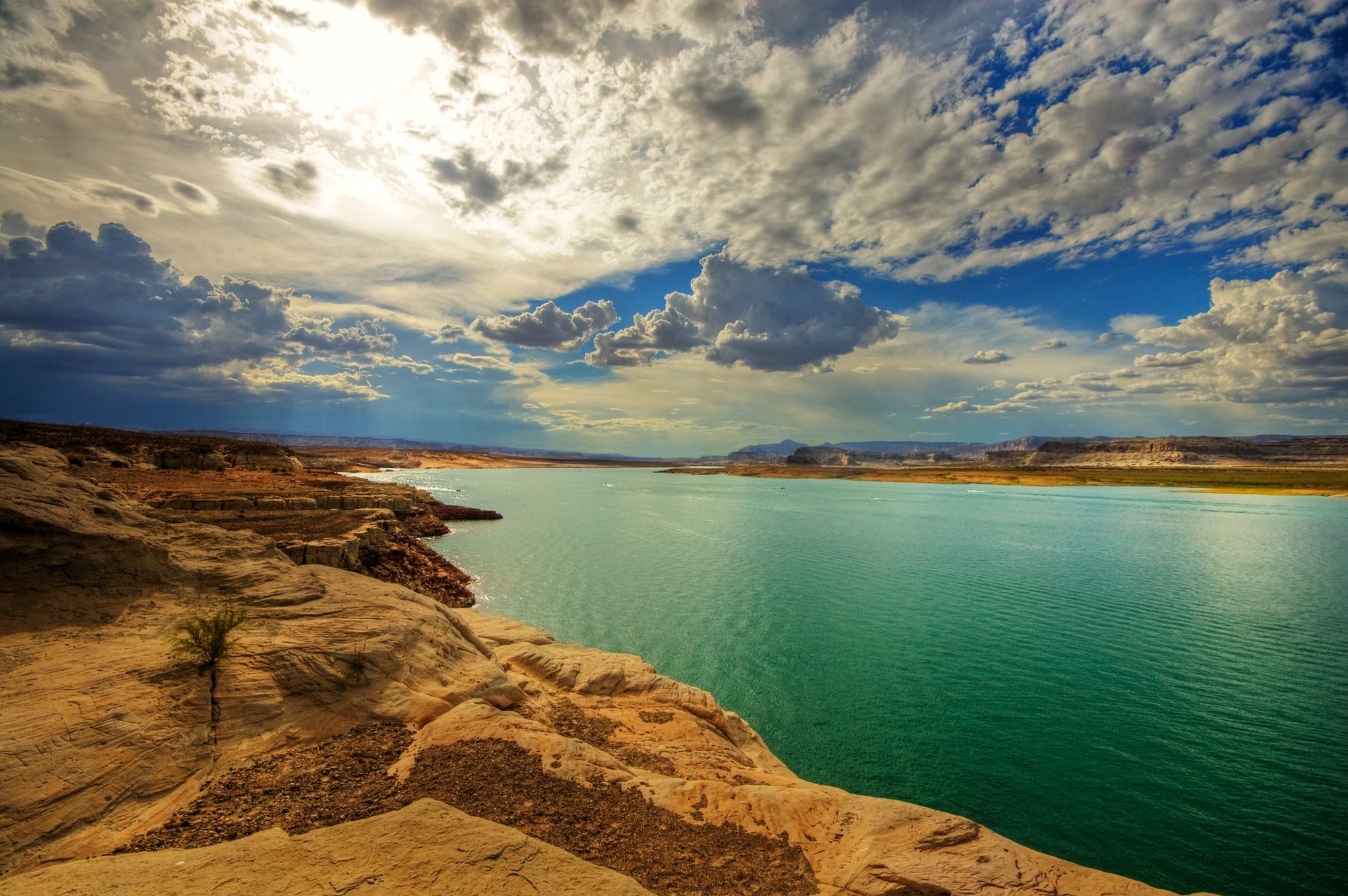
Below Hoover Dam, the river mellows considerably as it forms several reservoirs. The Black Canyon Water Trail offers a unique paddling experience with hot springs, slot canyons, and emerald coves to explore. Further downstream, the river provides calm water paddling opportunities through scenic desert landscapes all the way to Yuma.
The Colorado's difficulty ranges from flatwater suitable for beginners to Class V rapids that challenge even expert paddlers. While some sections can be paddled year-round, the best time for most trips is typically late spring through early fall. Snowmelt-driven high water in May and June creates exciting conditions for whitewater enthusiasts, while lower flows later in the season are better suited for more relaxed trips.
Wildlife along the river is diverse, including bighorn sheep, mule deer, and a variety of bird species. The river corridor supports lush riparian zones that contrast beautifully with the surrounding desert. Ancient petroglyphs and ruins found along the banks speak to the area's rich Native American history.
Major access points include Moab and Green River in Utah, Lees Ferry and Lake Havasu City in Arizona, and Laughlin in Nevada. These towns serve as gateways to different sections of the river and offer amenities for river runners.
Safety is paramount on the Colorado. Proper equipment, including personal flotation devices, is essential. Permits are required for many sections, particularly in national parks and popular wilderness areas. Multi-day trips should be well-planned, with considerations for water availability, camping regulations, and potential flash floods.
From leisurely day floats to epic multi-week expeditions, the Colorado River offers a lifetime of paddling adventures. Its waters have shaped both the landscape and the human history of the American Southwest, making every journey down its course a trip through time as well as space.