Elm River
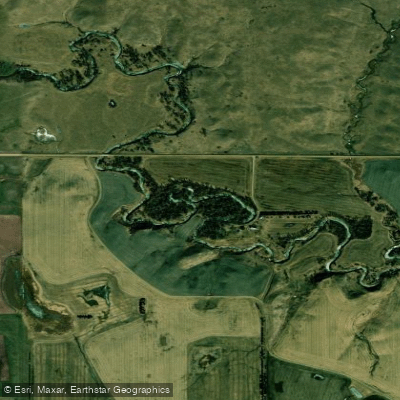
Elm River
- Boat Ramps
- 2
- Access Points
- 2
- Campsites
- 1
Elm River originates in Dickey County, North Dakota, and flows southward into Brown County, South Dakota, where it eventually joins the James River near Columbia. This tributary system drains a portion of the glacially-formed landscape characteristic of the James River Basin, flowing through relatively flat terrain shaped by ancient Lake Dakota.
According to South Dakota state regulations, the section of Elm River from Elm Lake to the James River in Brown County is designated as a navigable stream requiring gates in fences that cross the waterway. This legal designation recognizes the river's capacity to support watercraft passage during periods of adequate flow, typically during spring snowmelt and following significant rainfall events.
The river's hydrology reflects the broader patterns of the James River watershed, with most flow occurring during spring runoff. Like other streams in this region, Elm River experiences highly variable discharge throughout the year, with extended low-flow or no-flow periods common during summer and fall months. The narrow watershed and limited tributary input typical of this glaciated landscape mean that paddling opportunities are largely seasonal and dependent on recent precipitation or snowmelt.
Water quality in Elm River is influenced by agricultural land use throughout its watershed, with nutrient and sediment loading occurring primarily during runoff events. The river's low gradient results in slow-moving water when flow is present, and the system supports warm-water fish species adapted to prairie stream conditions.
Access to Elm River is limited by its intermittent flow regime and the predominance of private agricultural lands along its banks. Aberdeen, the largest city in Brown County, lies west of the lower reaches of Elm River and serves as the primary population center in the region. The river's confluence with the James River occurs in a rural agricultural setting.
For those interested in exploring Elm River during periods of adequate flow, understanding the fence-crossing regulations is essential. Landowners are required to install and maintain functional gates where fences cross this designated navigable waterway, allowing passage of boats, canoes, and other vessels. However, recreationists must remain within the ordinary high-water marks and may not trespass on private property to access the stream without landowner permission. Given the river's seasonal nature and agricultural setting, potential paddlers should verify current flow conditions before attempting any trip and respect all private property boundaries while exercising their legal right to travel within the stream channel.
Water access, boat ramps & amenities
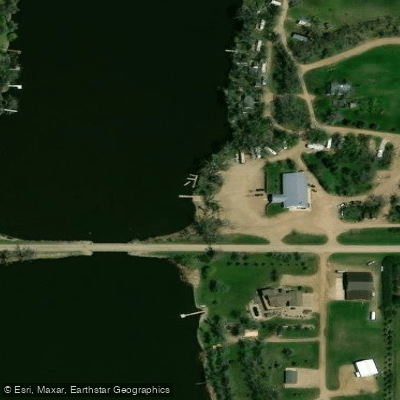
Learn how to get on Elm River. Uncover great paddling access points, boat ramps, and all the facilities you need for an unforgettable day on the water. Some locations shown may border or include private property. Always check property boundaries and applicable regulations before visiting. PaddleWays's Public & Private Land layer can help you plan your access with confidence.
Paddle smarter with real-time insights
Whether you're en route and conditions shift or you're looking for the best spot based on current flows, we enable you to make informed decisions on the fly.



Find Places to Paddle

Over 400,000 Places to Paddle
Every user gets free access to launch points, boat ramps, and public property parcels.
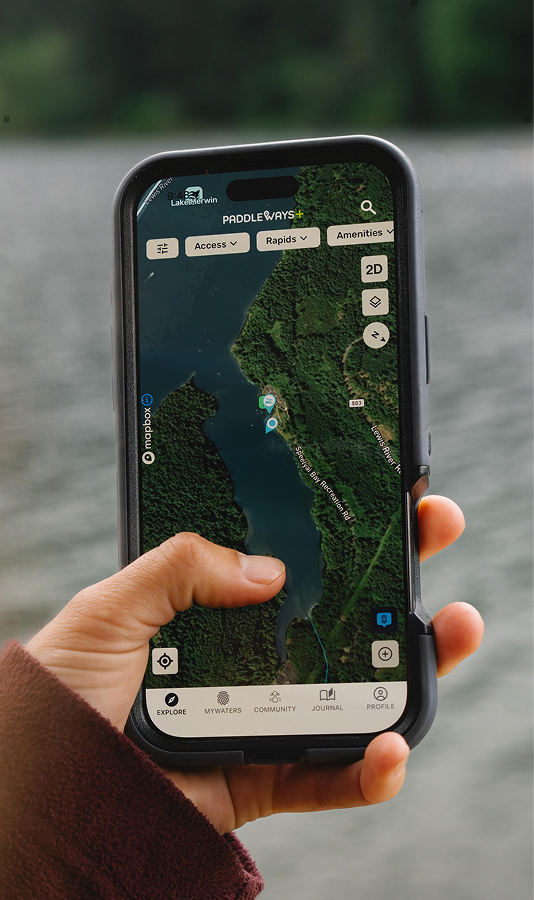

Water and weather conditions (10 day forecast)
See the best times to paddle Elm River and check the forecast before you go.
JAMES RIVER AT COLUMBIA,SD
All Flow Stations
Paddling near Elm River
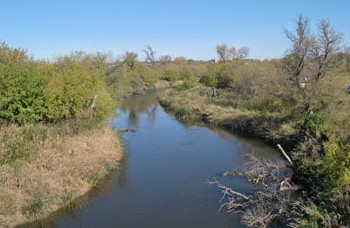
James River
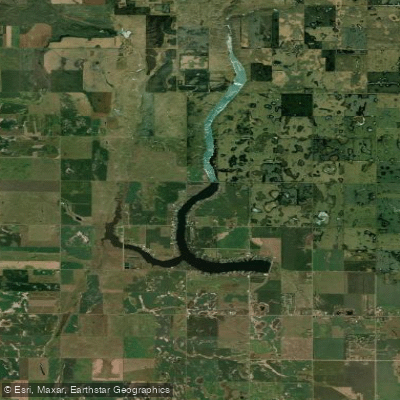
Richmond Lake
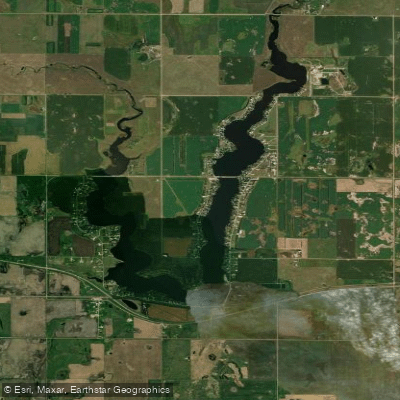
Lake Parmley
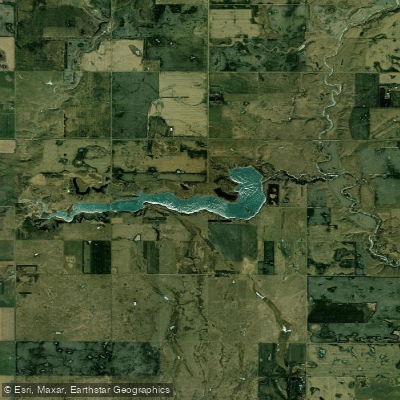
Willow Creek Lake
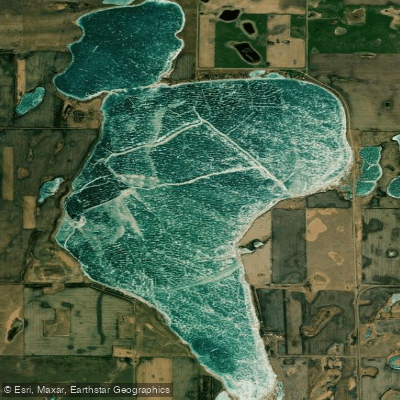
North Scatterwood Lake
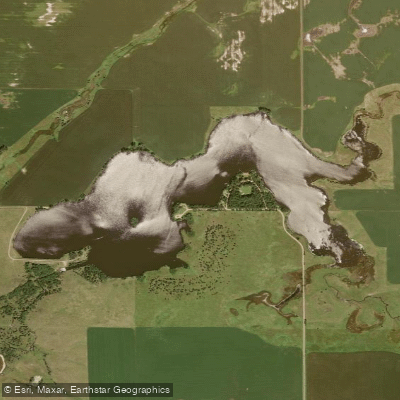
Amsden Lake
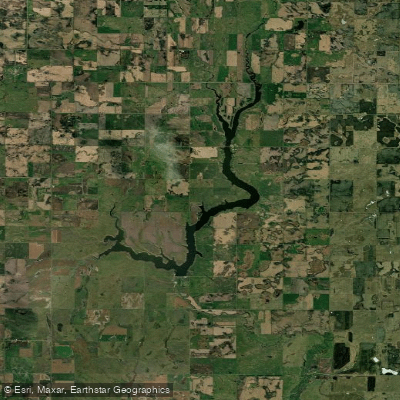
Elm Lake
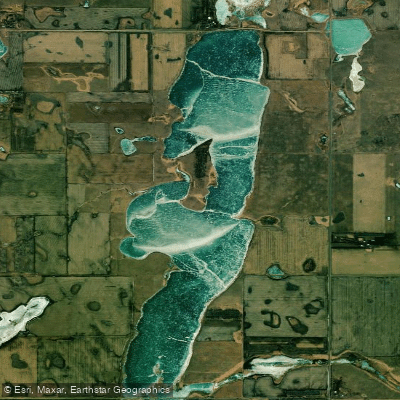
South Scatterwood Lake
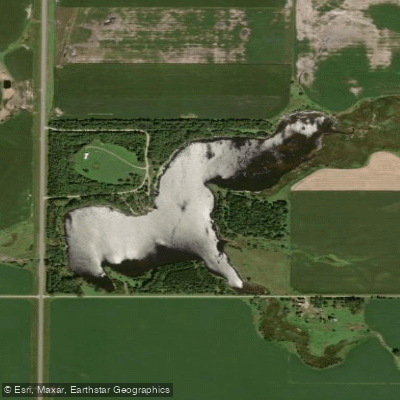
Pierpont Lake
Explore South Dakota waters
Top paddling waters
Popular Cities
Loading popular cities...
Explore near Elm River
Access points
Nearby waters
More in South Dakota
Smarter Paddling Starts in the App.
Paddleways gives you everything you need to plan smarter, paddle better, and own every trip from first launch to takeout.