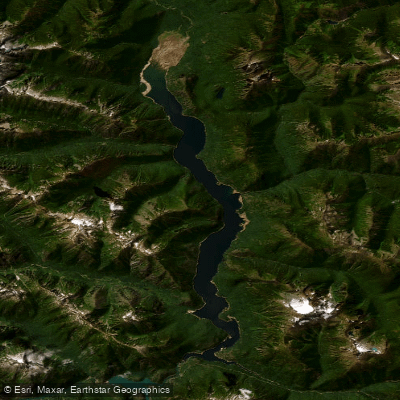
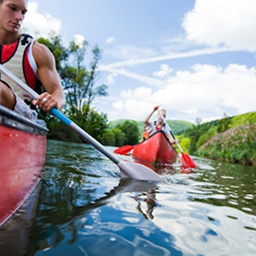
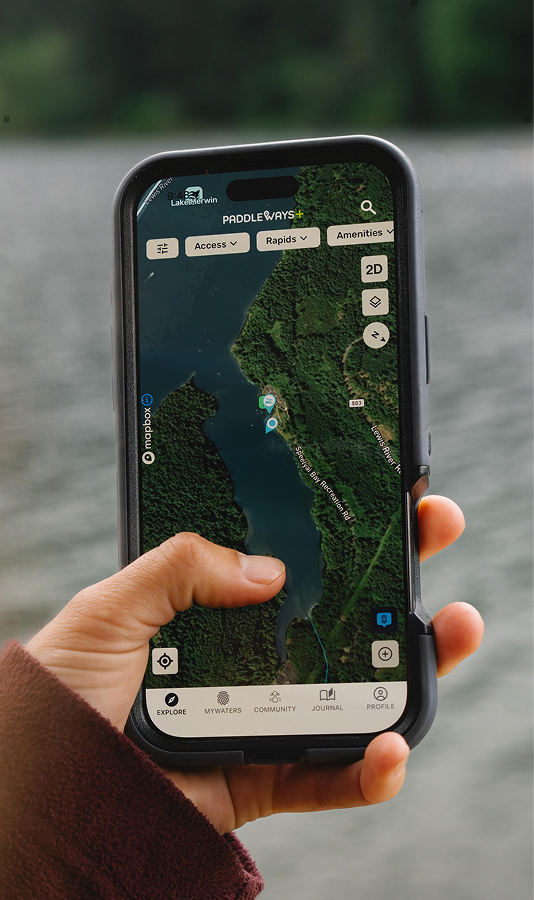
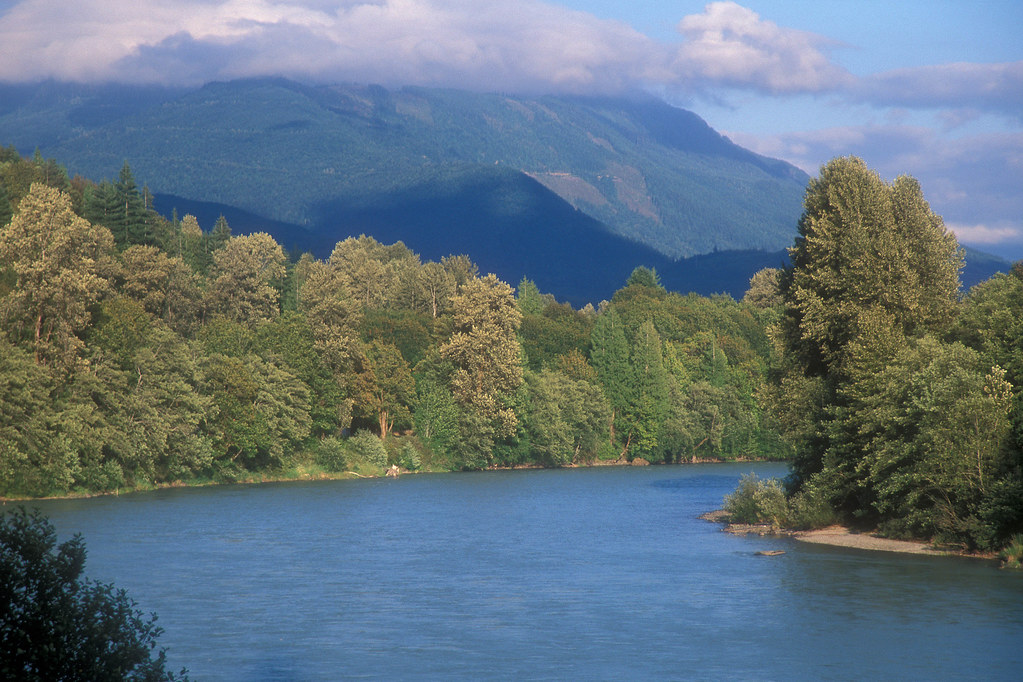
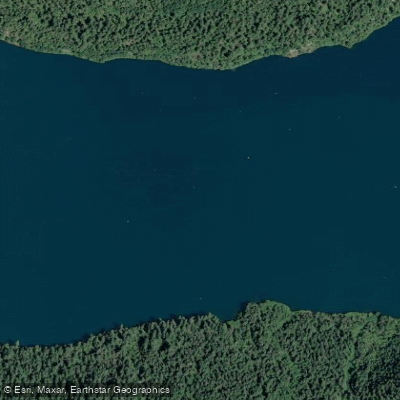
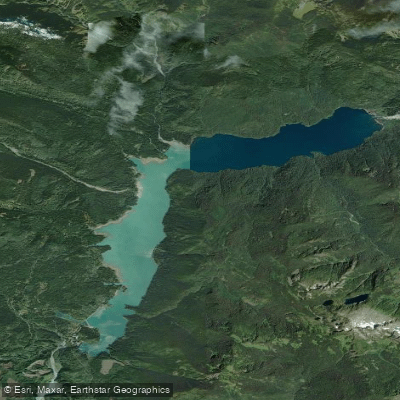
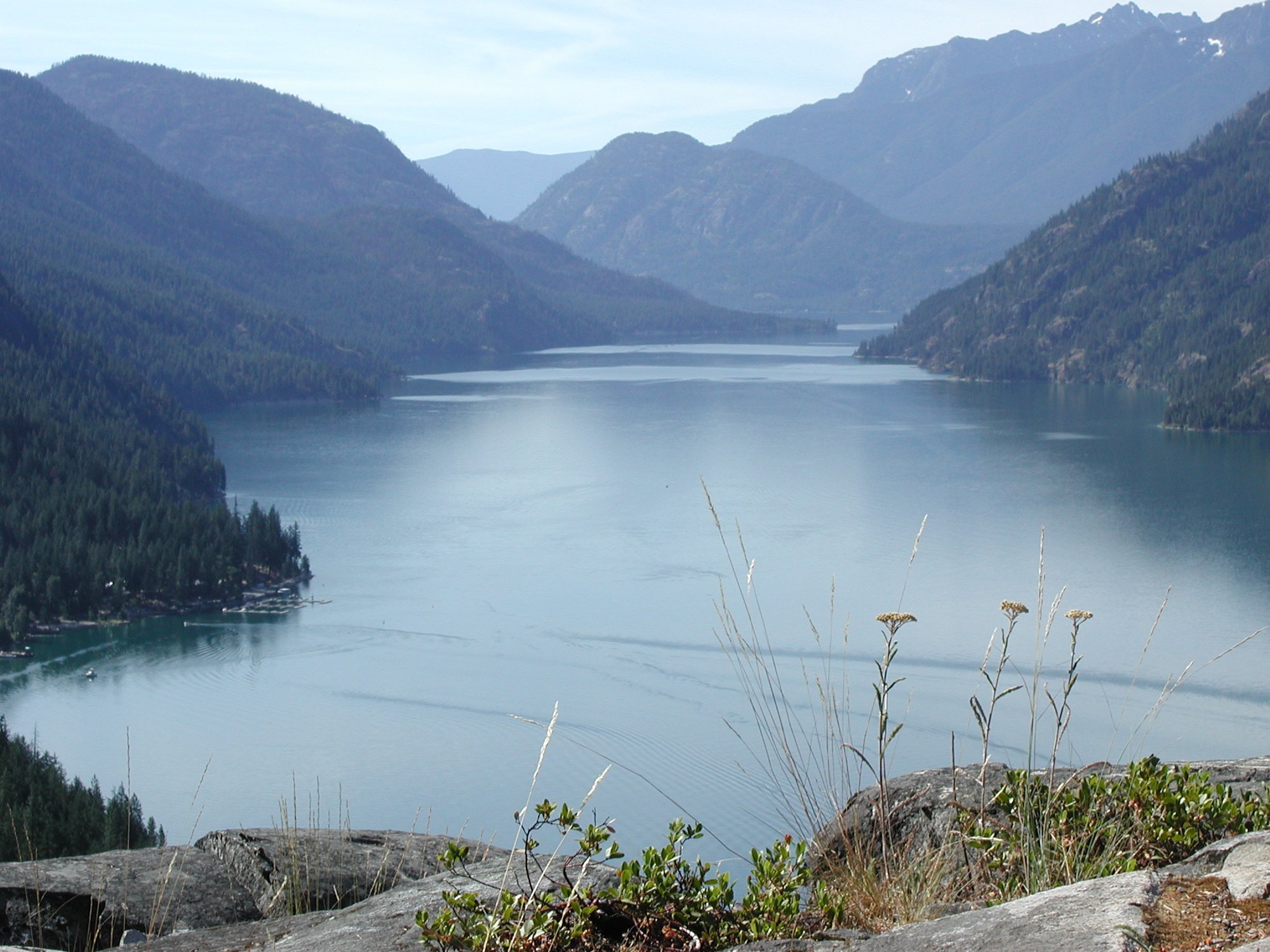
Ross Lake is a 23-mile-long reservoir in the North Cascades National Recreation Area, stretching from Ross Dam north to the Canadian border in Whatcom County, Washington. Created by Seattle City Light's hydroelectric project, this remote wilderness waterway offers exceptional paddling experiences characterized by stunning mountain scenery, glaciated peaks, and limited development.
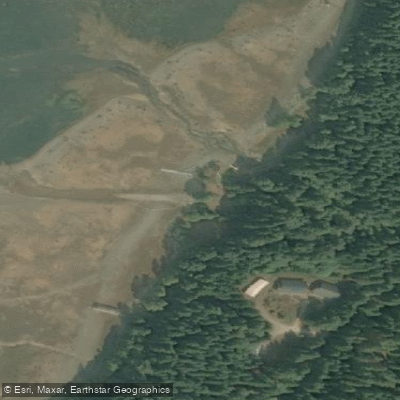
**Access and Getting There** Ross Lake has no direct road access from the U.S. side. Paddlers must either hike the 1-mile Ross Dam Trail from Highway 20 (losing 900 feet elevation), portage from Diablo Lake via a truck service operated by Ross Lake Resort, or access from Hozomeen at the north end via a 40-mile gravel road from Hope, British Columbia. The portage option is most popular for kayakers and canoeists—call from the phone at the portage dock for pickup service ($15 per kayak).
**Character and Conditions** The lake's defining characteristic is its pristine wilderness setting with mountain views in all directions. Water levels fluctuate significantly—the reservoir can be 40+ feet low in spring. Strong afternoon winds from the south are common and can create challenging whitecaps, making early morning paddling essential. The turquoise-colored water is cold year-round, rarely exceeding 50°F.
**Camping and Facilities** Nineteen boat-in and walk-in campgrounds line the shoreline, each with 1-7 sites featuring bear boxes, fire rings, and pit toilets. Backcountry permits are required and available from the Marblemount Ranger Station. Ross Lake Resort offers floating cabin rentals, boat rentals, and water taxi service to remote campsites and trailheads. Most campsites are suitable for primitive shoreline camping with dock or beach landing access.
**Wildlife and Scenery** Paddlers commonly observe bald eagles, black bears, deer, and river otters. The lake provides access to premier hiking trails including Desolation Peak (immortalized by Jack Kerouac), Big Beaver Valley's ancient cedar forests, and the East Bank Trail. Rainbow trout fishing is popular, with trolling using artificial lures the recommended method (July 1-October 31 season). Motorboats are permitted but four-stroke engines are required beginning 2015. The undeveloped northern reaches above Green Point offer the most remote experience with minimal motorized traffic.