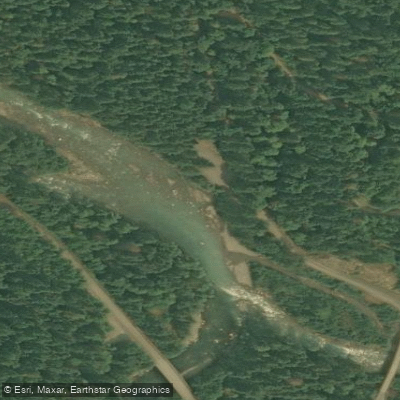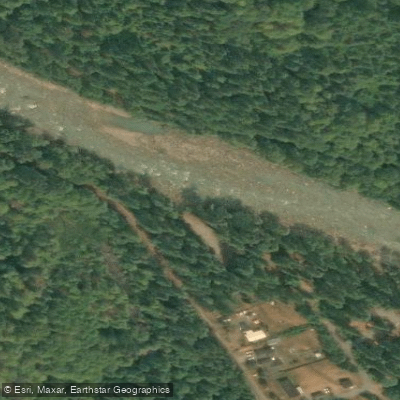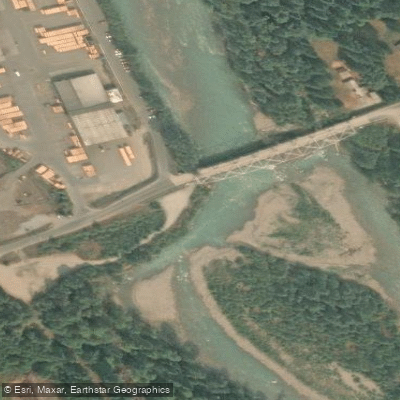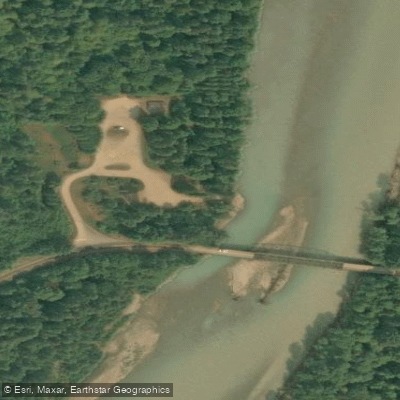
Curated by PaddleWays
RouteClass II–III
- Distance
- 8.7 mi
- Paddle time
- ~2 hrs
- Best for
- Kayak, raft, packraft
- Put-in → take-out
- Bedal Campground Boat Ramp → White Chuck Boat Ramp
The Sauk River is a major tributary of the Skagit River in northwestern Washington state. Originating from glaciers on Glacier Peak in the North Cascades, it flows generally northwest for approximately 45 miles before joining the Skagit near Rockport. The Sauk's primary tributaries include the North Fork Sauk and White Chuck rivers.
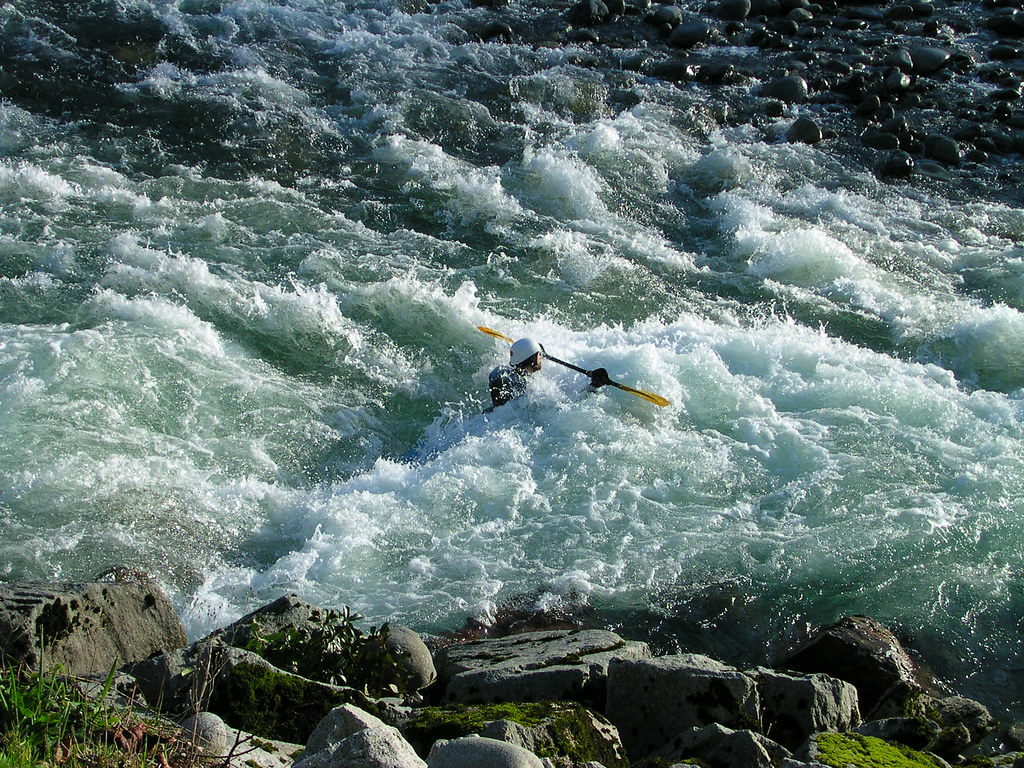
The Sauk offers a range of paddling opportunities across its length, from intimate Class II-III runs in its upper reaches to challenging Class III-IV whitewater in its middle section. The river is divided into several distinct paddling segments: 1. Bedal Campground to White Chuck River (8.3 miles, Class II-III) 2. White Chuck River to Darrington (10 miles, Class III+-IV) 3. Darrington to Skagit River confluence (26 miles, Class II-III)
Skill requirements vary from intermediate to advanced, with the White Chuck to Darrington section demanding solid Class III+ skills and experience. The river's difficulty increases with higher flows, particularly above 3000 cfs at the Sauk gauge.
The Sauk's paddling season typically runs from late spring through early fall, with optimal conditions often found in May and June. Summer flows are supported by glacial melt, allowing for extended paddling opportunities.
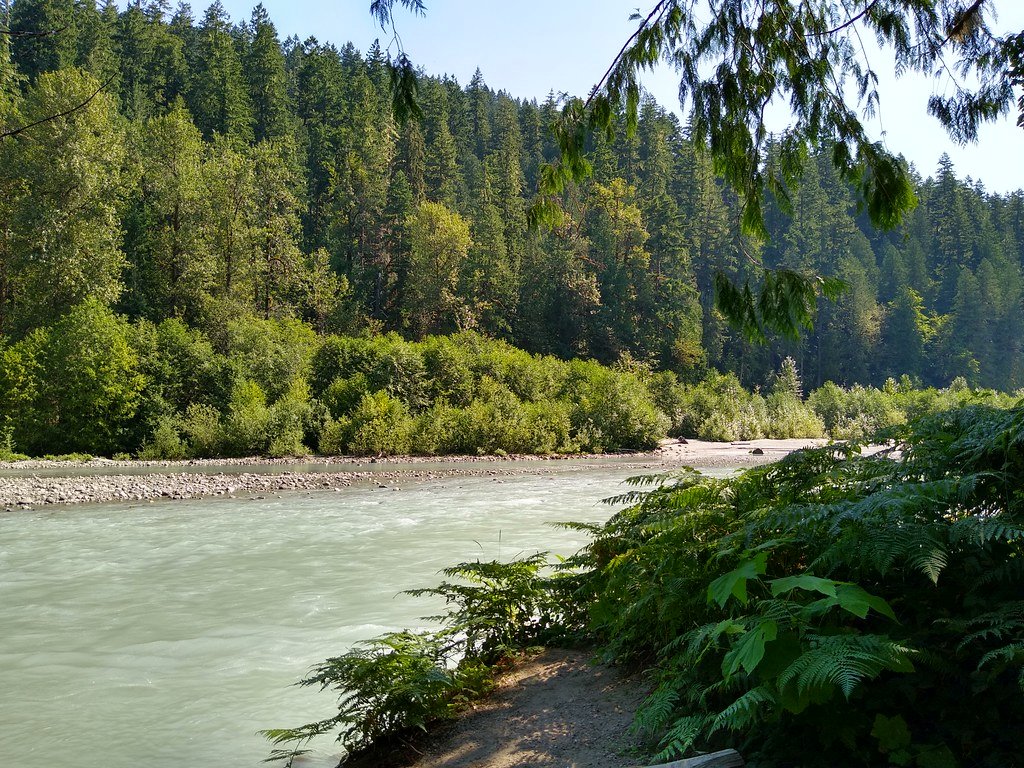
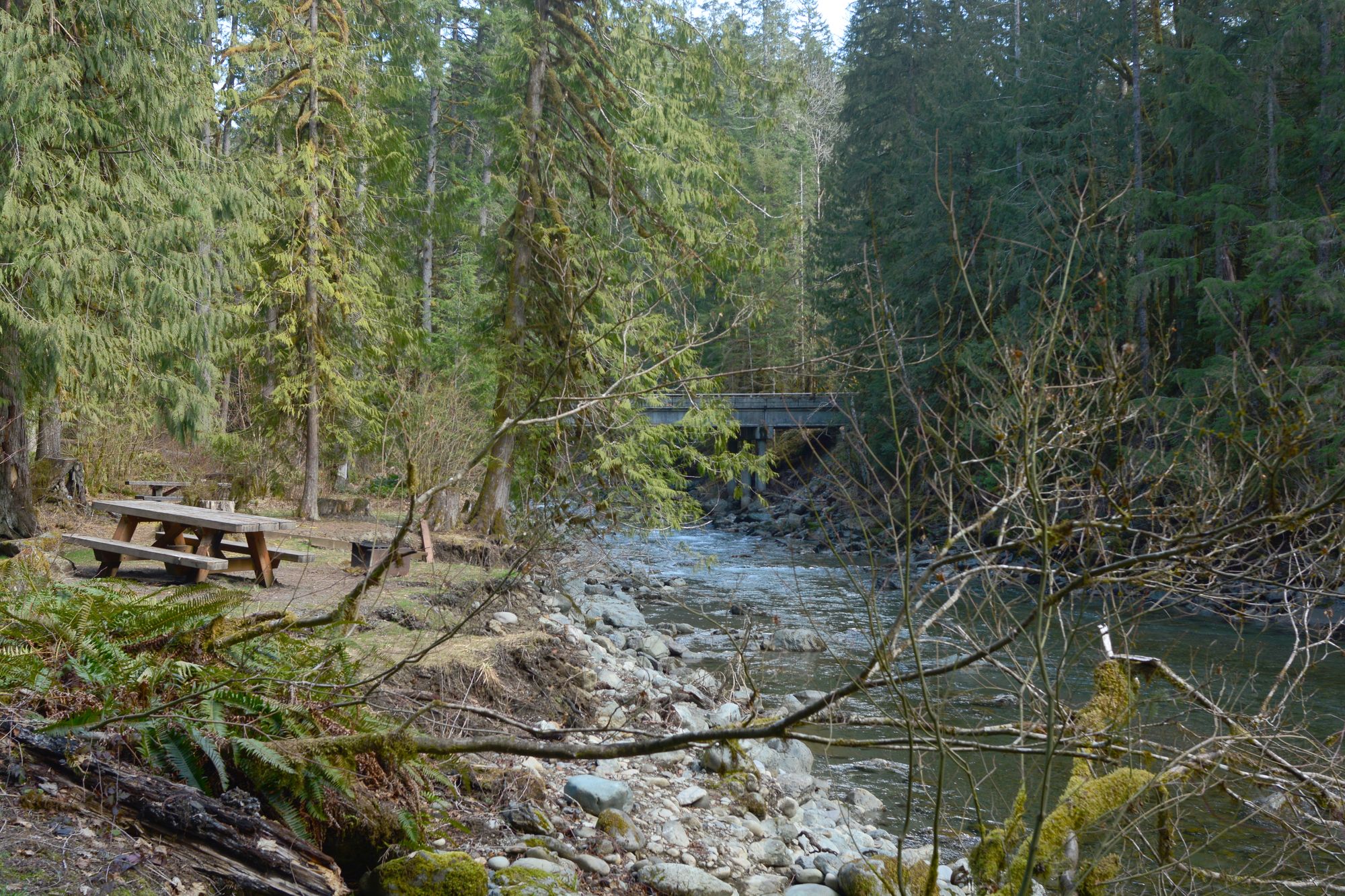
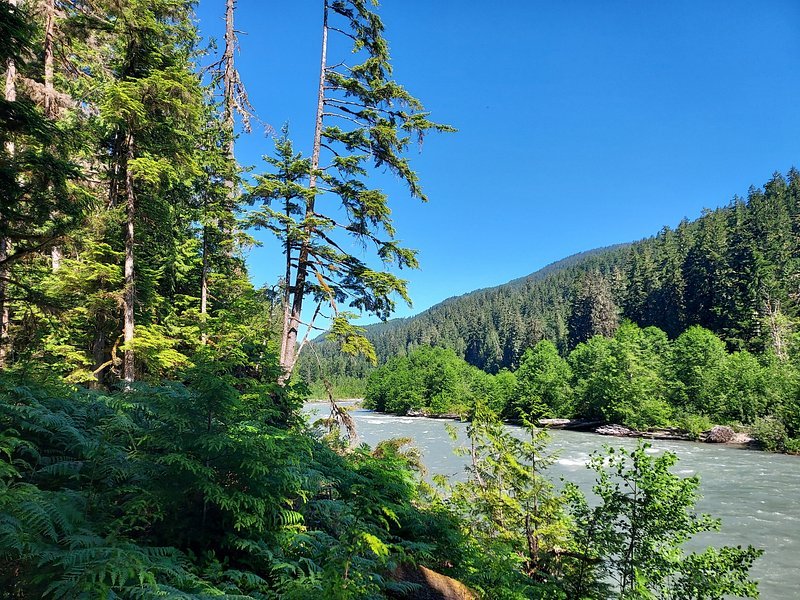
The river corridor is home to diverse wildlife, including black bears, elk, and bald eagles. Old-growth forests of Douglas fir, western red cedar, and western hemlock line much of the riverbank.
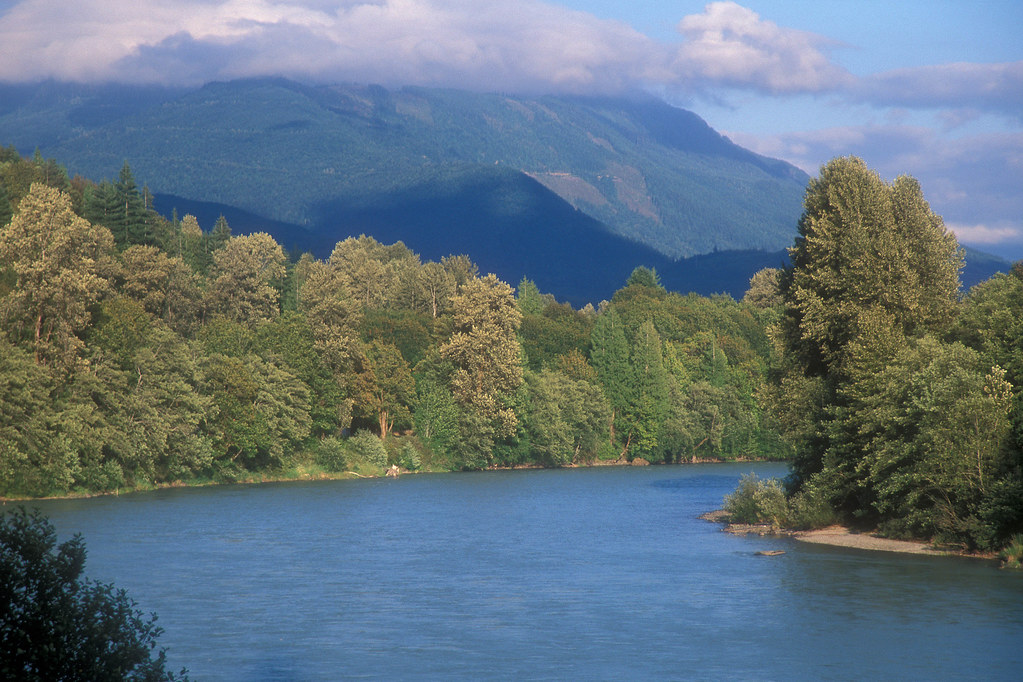
Key landmarks include the dramatic Glacier Peak visible from upper sections, the town of Darrington, and the confluence with the Skagit River. The river passes through the Mount Baker-Snoqualmie National Forest, offering stunning views of the surrounding North Cascades.
Primary access points include Bedal Campground, the White Chuck Boat Launch, and the Lower Sauk Boat Launch in Darrington. Seattle is approximately two hours away, making the Sauk a popular destination for urban paddlers.
The Sauk River holds cultural significance for local Native American tribes and played a role in early logging history. Today, it is designated as a Wild and Scenic River, protecting its natural and recreational values.
Safety considerations include cold water, potential wood hazards, and challenging rapids, particularly in the Jaws section above Darrington. Paddlers should be prepared for remote conditions in upper sections.
Multi-day trips are possible, combining different sections or continuing down the Skagit River. Camping options exist along the river, but paddlers should be aware of land ownership and regulations.
The Sauk River offers a premier paddling experience in the North Cascades, combining pristine wilderness, challenging whitewater, and relatively easy access from urban areas.
Curated routes
Hand-picked by the PaddleWays team, with put-ins, take-outs, paddle times and the hazards along the way.
RouteClass II–III
RouteClass III
Hazards
No hazards are marked on Sauk River yet. That is not the same as none being there: if you find one, report it for the next paddler.
From the community
Nobody has shared a trip on Sauk River yet. Paddle it, then tell the next paddler how it went.
See exactly where the public can get on and off the river. Launch points and boat ramps are paired with PaddleWays' public land data so you know where you can legally land.
Public shoreline
62%of the river's shoreline is public
Flows, weather and a route-by-route verdict, so you know which stretch of the Sauk River is worth paddling today.
All Flow Stations
Live flows, marked hazards and fresh trip reports from paddlers who were just on the water, all in one place.





Every user gets free access to launch points, boat ramps, and public property parcels.
PaddleWays gives you everything you need to plan smarter, paddle better, and own every trip from first launch to takeout.