Paddling in Espírito Santo
- Lakes
- 82
- Rivers
- 294
- Access
- 7
- Boat Ramps
- 0
- Shops
- 0
Espírito Santo sits on Brazil's southeastern coast, squeezed between the highlands of Minas Gerais and the Atlantic.
It's a compact state, but the terrain packs in a surprising range of water: short, fast rivers dropping off the Serra do Caparaó escarpment, longer lowland rivers winding through Atlantic Forest remnants toward the coast, and a coastline broken by lagoons and estuaries.
The paddling scene is quieter than what you'd find in Rio or Minas, but the rivers are real, and a few of them are worth a dedicated trip. The rivers that anchor the scene tend to run northeast toward the sea.
The Rio Doce enters the state from Minas Gerais and is the largest waterway in the region, though its recovery from the 2015 Mariana dam disaster is ongoing and conditions vary.
The Rio São Mateus in the north and the Rio Santa Maria da Vitória near the capital are more accessible for touring paddlers.
The Rio Jucu and its tributary the Rio Jucu Braço Norte drain the central highlands and can carry good volume in the wet season, roughly November through March, when rainfall in the interior pushes flows up.
For something more intimate, the Rio Piraquê-Açu in the north runs through restinga and Atlantic Forest, the kind of flatwater where you're more likely to be watching birds than reading water.
The Rio Reis Magos — also called Rio Fundão — and the Rio Jacarandá are shorter coastal drainages with similar character: calm, green, and best paddled when water levels are up after rain.
The dry season, April through September, drops flows on most rivers but opens up the coast.
Around Guarapari, guided kayak tours run the lagoons and reach beaches like Praia de Caraís — a few hours on the water, accessible to beginners, and popular enough that you'll have company on weekends.
Atlantic Forest covers much of the watershed, and what's left of it is under pressure. The rivers here are not wilderness corridors in the Amazon sense, but they pass through some of the most biodiverse and most threatened biome on the planet.
Keeping boats clean between drainages matters. Access points are often informal, and land tenure along the riverbanks is patchwork — worth sorting out before you put in on unfamiliar stretches.
Espírito Santo doesn't have the infrastructure of a developed paddling destination, which is part of the appeal.
The rivers are there, the water moves, and on the right day in the right season, you'll have the Rio Piraquê-Açu or the upper Jucu almost entirely to yourself.
Top waters to paddle near Espirito Santo
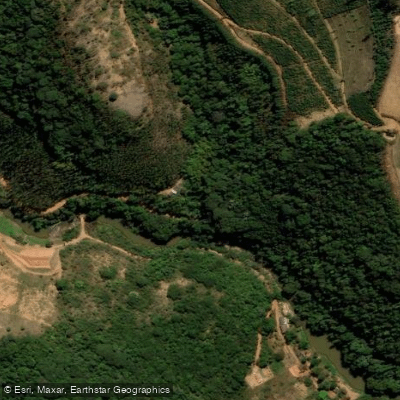
Rio Jucu Braço Norte
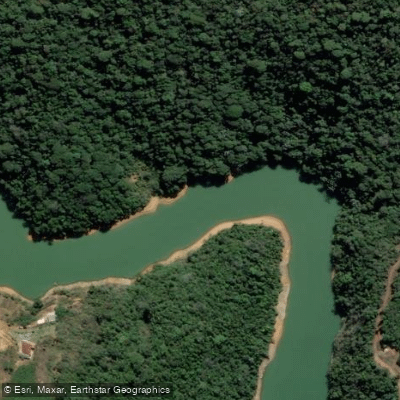
Rio Santa Maria da Vitória
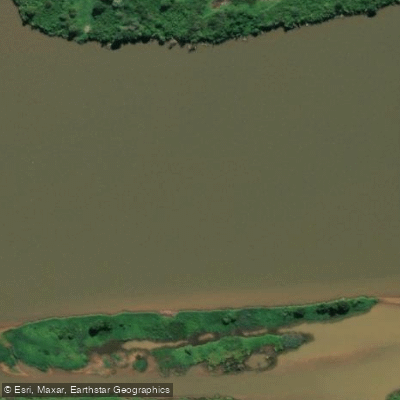
Rio Doce
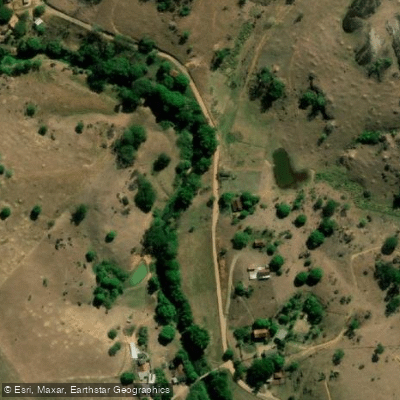
Rio Piraquê-Açu
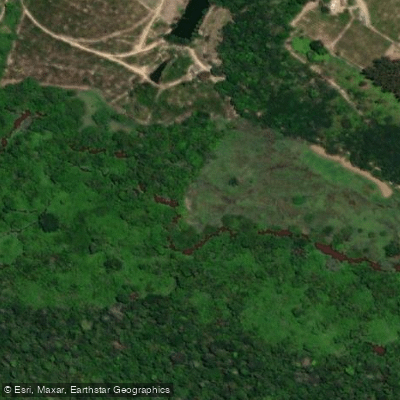
Rio Barra Seca
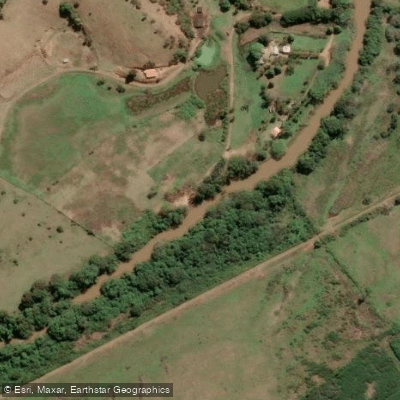
Rio Jucu
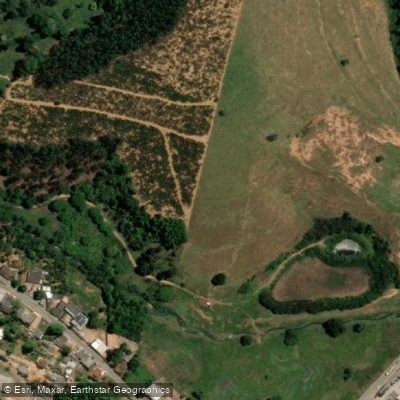
Rio Taquaraçu

Rio Santa Maria
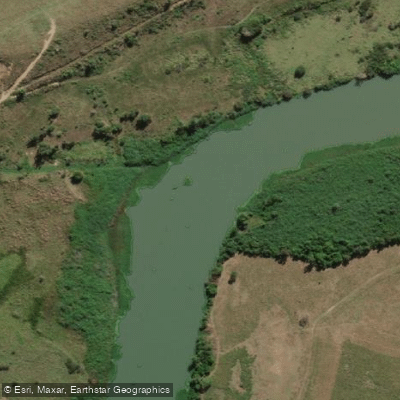
Rio São Mateus

Rio Jacarandá
Paddle smarter with real-time insights
Whether you're en route and conditions shift or you're looking for the best spot based on current flows, we enable you to make informed decisions on the fly.







Espírito Santo licenses and regulations
Explore Espírito Santo waters
Top paddling waters
Popular Cities
Loading popular cities...
Smarter Paddling Starts in the App.
Paddleways gives you everything you need to plan smarter, paddle better, and own every trip from first launch to takeout.