Paddling in Goiás
- Lakes
- 430
- Rivers
- 999
- Access
- 11
- Boat Ramps
- 0
- Shops
- 0
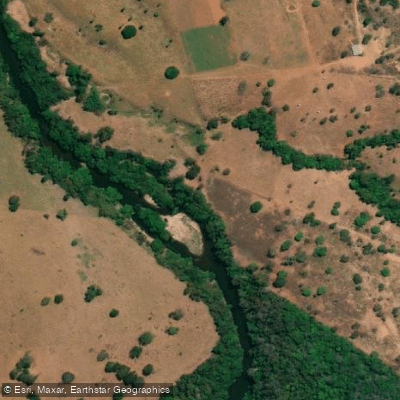
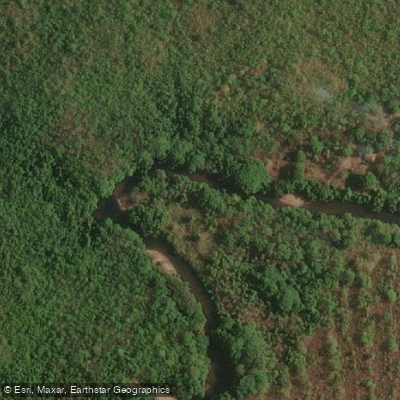
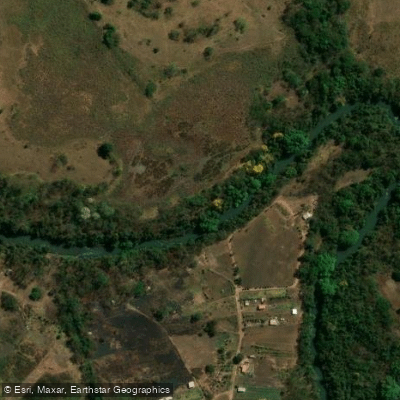
Goiás sits in Brazil's central plateau, the Cerrado, where the continent's great river systems begin to take shape. This is headwaters country — the kind of place where rivers are still rivers, not yet the massive brown corridors they become downstream.
The paddling here is defined by that geography: warm, clear-running streams cutting through savanna and gallery forest, a handful of significant reservoirs, and a few stretches of genuine whitewater tucked into the plateau's broken terrain.
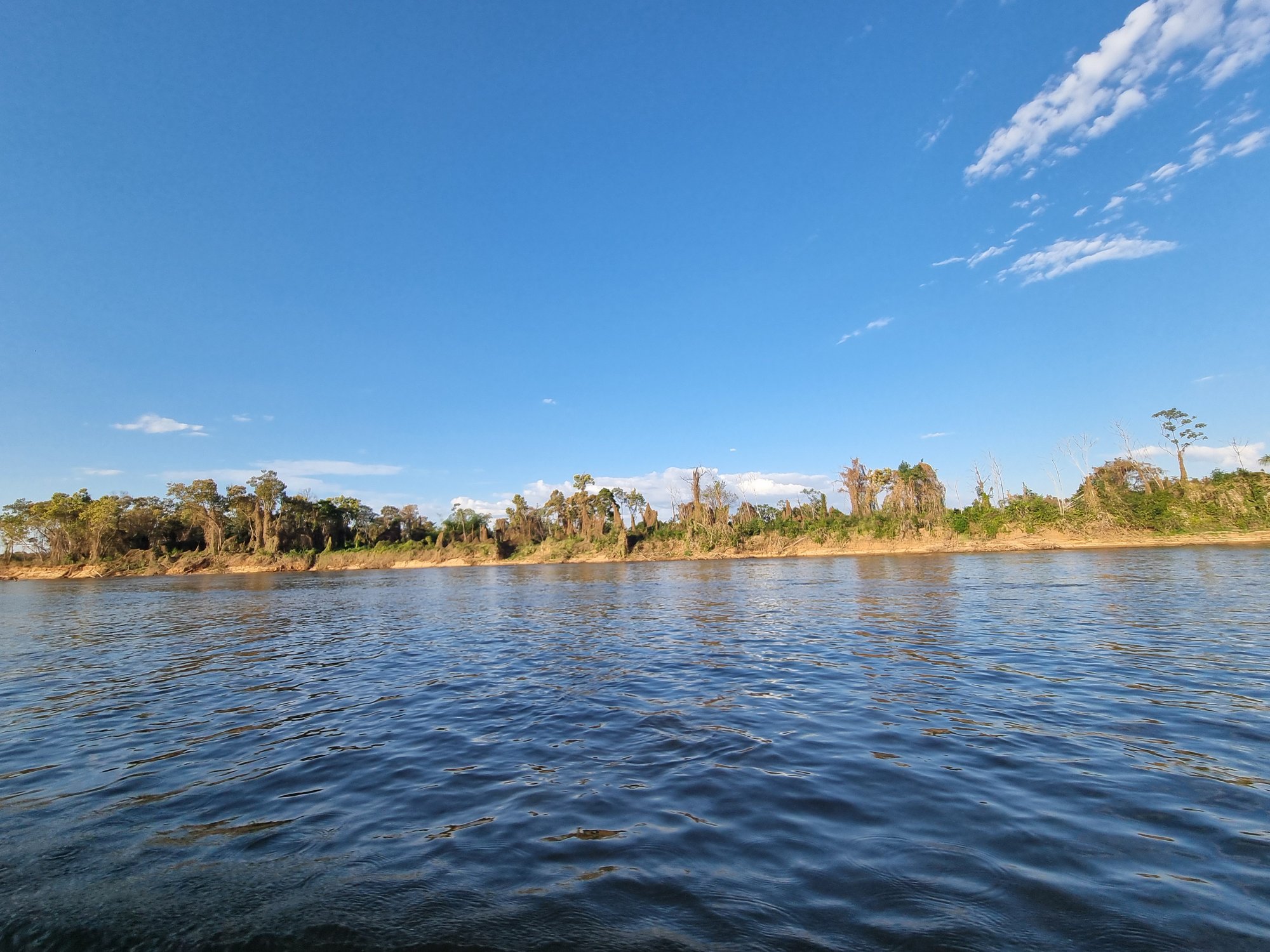
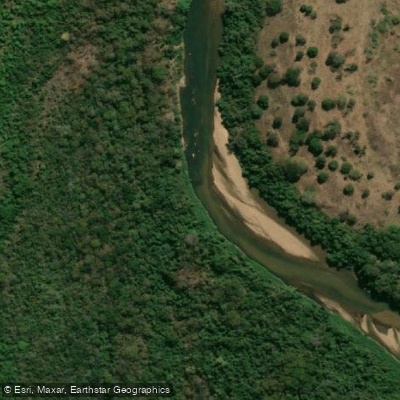
The Rio Araguaia is the water most paddlers associate with Goiás. It runs along the state's western edge and draws long-distance canoeists who want days of moving flatwater through remote Cerrado landscape.
The river is wide, relatively calm in its middle stretches, and the kind of place where you're more likely to be thinking about campsites and wildlife than reading rapids.
The dry season — roughly May through September — drops water levels and reveals the sandbars that make camping along the Araguaia practical and memorable. For whitewater, the state's smaller rivers deliver.
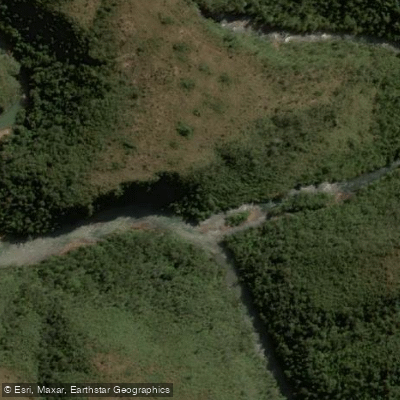
The Rio Claro and the Rio Vermelho both have gradient, and the Rio Tocantinzinho — a headwater tributary of the larger Tocantins system — has earned a reputation among Brazilian paddlers for its technical drops and canyon sections.
These rivers run best during or just after the wet season, when rainfall from October through March pushes flows up. Come the dry months, some stretches become too shallow to run cleanly.
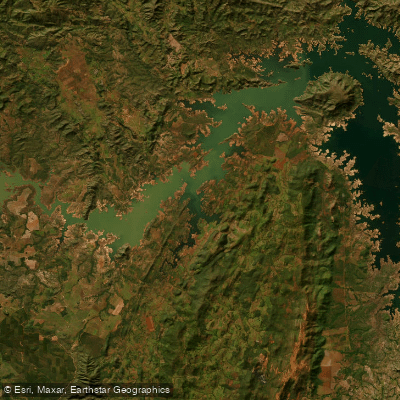
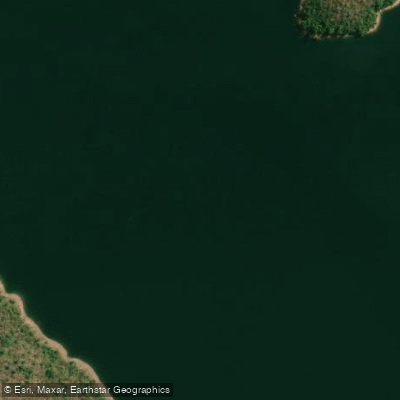
The Represa Serra da Mesa, one of the largest reservoirs in Brazil by surface area, sits in the northern part of the state and offers a completely different kind of paddling — open water touring across a flooded landscape where drowned trees still break the surface in places.
It's disorienting in the best way, and the scale demands respect; afternoon winds can build quickly on that much open water. Access across Goiás varies. The Araguaia has established put-ins and a long history of recreational use.
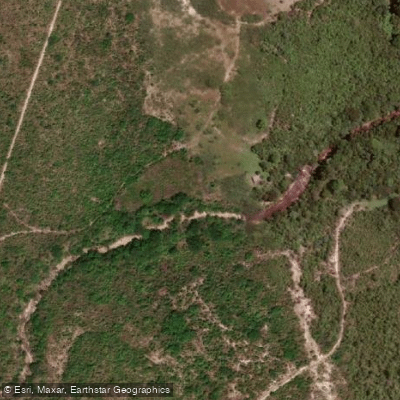
The smaller whitewater rivers often require local knowledge to find the right entry points, and road quality into the Cerrado interior can be the limiting factor more than anything on the water.
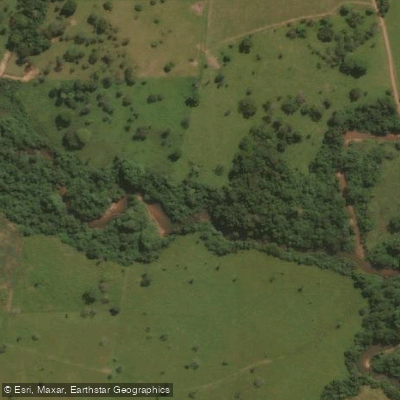
The Cerrado itself is one of the world's most biodiverse and threatened ecosystems — paddling here means moving through something genuinely worth protecting, and treating access points and riparian corridors accordingly matters.
If you're coming from outside Brazil, Goiás rewards paddlers who do their homework and arrive with flexibility. The rivers here don't have the international profile of the Amazon, but that's part of what makes them worth the trip.
Paddle smarter with real-time insights
Whether you're en route and conditions shift or you're looking for the best spot based on current flows, we enable you to make informed decisions on the fly.



Goiás licenses and regulations
Explore Goiás waters
Top paddling waters
Popular Cities
Loading popular cities...
Smarter Paddling Starts in the App.
Paddleways gives you everything you need to plan smarter, paddle better, and own every trip from first launch to takeout.