Paddling in Parque Nacional da Chapada Diamantina
- National Park
- Lakes
- 0
- Rivers
- 15
- Access
- 0
- Boat Ramps
- 0
- Shops
- 0
Parque Nacional da Chapada Diamantina sits in the Serra do Sincorá range in the state of Bahia, roughly 420 kilometers from Salvador.
Its 152,000 hectares span three biomes — Mata Atlântica, Cerrado, and Caatinga — and the rivers that drain these highlands range from clear-water flatwater runs to pools carved into sandstone.
Canoagem is listed among the park's recognized activities alongside trekking and climbing, and the water here is generally calm: this is not a whitewater destination, but a place where moving slowly on a river is the point.
The Rio Preto, near Mucugê, is the clearest example of what paddling inside the park looks like. Its calm, perennial waters carry paddlers roughly 8 kilometers to the Lapa do Caboclo, a small cave with rock paintings once used as shelter by diamond miners.
The route passes the confluence with the Rio Paraguaçu — one of Bahia's major rivers, which has its headwaters inside the park — and the same corridor connects to the Vale do Pati trail system. A credentialed guide is required for this route.
The other anchor is the Marimbus, a large flooded wetland near Remanso that the locals call the Pantanal da Chapada Diamantina.
It was formed by the convergence of the Rio Santo Antônio and the Rio Utinga, and its calm, maze-like channels wind between water lilies with the Serra do Sincorá as a backdrop.
A canoe trip through the Marimbus typically runs about an hour and a half before connecting to the Rio Roncador, where natural pools and small waterfalls make a swim stop.
Water levels on the Roncador can be high enough to require crossing by boat rather than on foot — something worth confirming before you go.
The Rio Pratinha is noted for kayaking alongside snorkeling, reflecting the unusually clear water that defines many of the park's rivers. The park has no entrance gates or visitor center infrastructure, and there is no admission fee.
Access comes through six surrounding municipalities — Lençóis, Palmeiras, Andaraí, Mucugê, Ibicoara, and Itaetê — via 38 marked trail entrances. Intercity transport in the area is limited, so most paddlers arrive with their own logistics arranged.
For any paddling inside the park, contracting a registered agency or credentialed guide is either required or strongly expected — verify current requirements with the park administration in Palmeiras before your trip.
The water here rewards patience more than skill. Bring your own gear if you want flexibility; otherwise, local operators run the main routes. The rivers are the reason the trails exist at all.
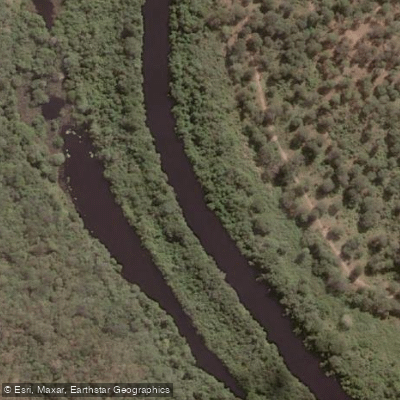
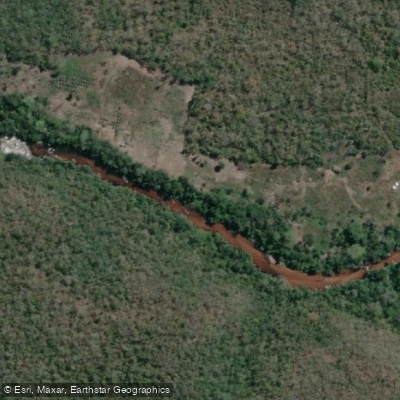
Top waters to paddle near Parque Nacional Da Chapada Diamantina

Water and weather conditions (10 day forecast)
See the best times to paddle Parque Nacional da Chapada Diamantina and check the forecast before you go.
No forecast data available.
Paddle smarter with real-time insights
Whether you're en route and conditions shift or you're looking for the best spot based on current flows, we enable you to make informed decisions on the fly.



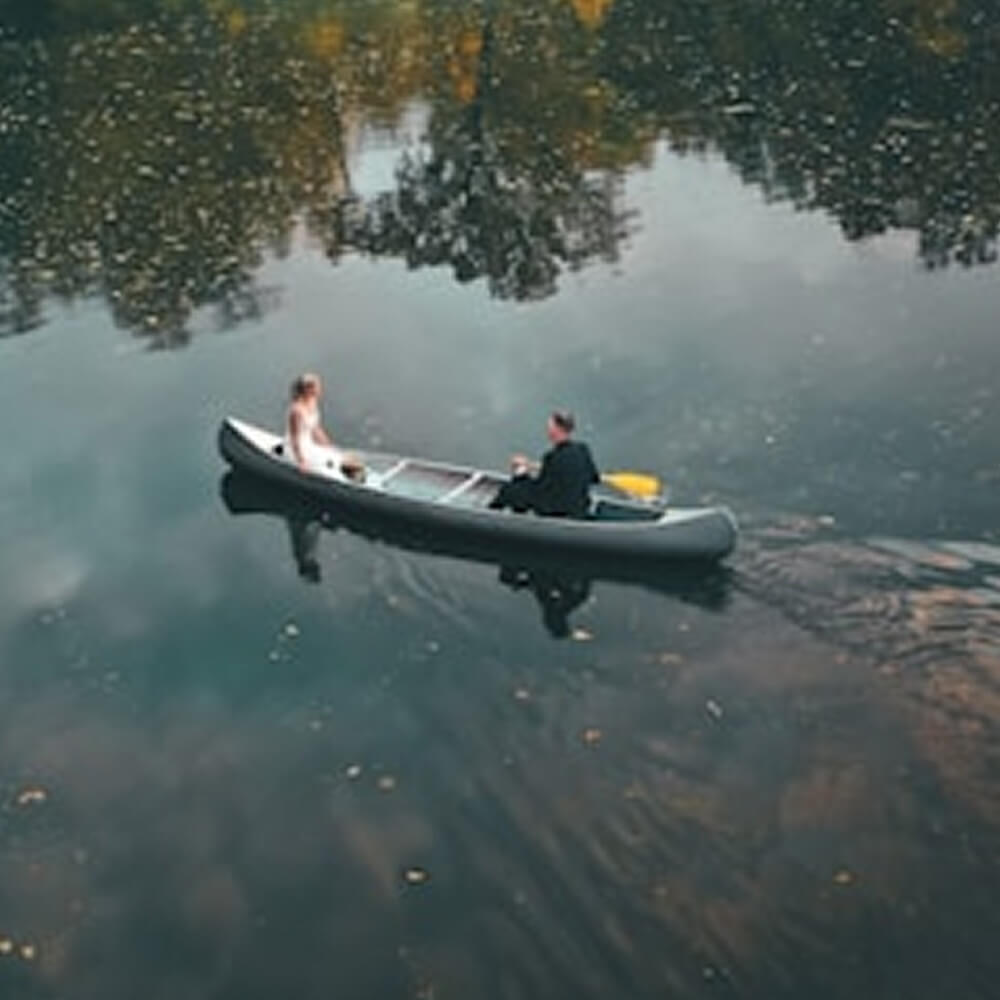
Paddling near Parque Nacional da Chapada Diamantina
Loading...
Gateway towns
Where to base yourself for paddling in Parque Nacional da Chapada Diamantina.
- LençóisBA
Main gateway and visitor hub, with the widest choice of guides, outfitters, pousadas, and day-tour and multi-day trek departures.
- Vale do CapãoBA
Alternative base on the western side of the park, with lodging, guides, and access to a different set of trails and landscapes.
- MucugêBA
Southern gateway town with lodging and access to the park's southern attractions and trailheads.
- AndaraíBA
Eastern-side town that serves as a base for reaching attractions in the park's southern and central zones.
- PalmeirasBA
Small town near the park's northern edge, used as a staging point for treks into the Vale do Pati and surrounding areas.
Explore Parque Nacional da Chapada Diamantina
Top paddling waters
Popular Cities
Loading popular cities...
Smarter Paddling Starts in the App.
Paddleways gives you everything you need to plan smarter, paddle better, and own every trip from first launch to takeout.