Paddling in Rio de Janeiro
- Lakes
- 109
- Rivers
- 443
- Access
- 50
- Boat Ramps
- 0
- Shops
- 0
Rio de Janeiro state sits where the Serra do Mar mountains meet the Atlantic, and that geography shapes everything about paddling here.
The water comes in two very different flavors: the open coast and bays of the capital city, and the rivers that drain the interior highlands.
Neither is a whitewater destination in the classic sense, though the state has more technical water than most visitors expect. The most accessible paddling is on Guanabara Bay, where guided sea kayak tours run year-round from Praia Vermelha and Praia da Urca.
Routes shift with wind and conditions — some days you're threading past Forte São João and Forte Laje, other days crossing toward Niterói or circling Ilha Cotunduba, which sits inside an environmental protection area. A typical circuit covers around 10 km.
The bay is warm water, urban in feel, and genuinely spectacular for what it shows you of the city from the water. Dolphins and sea turtles turn up along the Cotunduba route often enough to be worth watching for.
For moving water, the Rio Macaé is the state's main rafting river, running through the Atlantic Forest near Casimiro de Abreu, roughly two hours from the capital.
The 8 km commercial stretch carries around 15 rapids, and the grade shifts meaningfully with the seasons — summer rains push levels up and intensity with them, while winter drops the water and slows the pace.
The Atlantic Forest corridor along the banks is intact enough to feel remote even though the put-in is a day trip from Rio city.
The state also has a purpose-built whitewater venue that most paddlers don't know about: the Deodoro Olympic Whitewater Stadium, constructed for the 2016 Summer Olympics in the Deodoro neighborhood of Rio. The competition channel runs 250 metres with a 4.
5-metre drop, pumped at 12 m³/s for competition flow. After the Games it transitioned to public use, hosting recreational paddling, high-performance training, and competitions.
It's an unusual asset — a fully engineered slalom course sitting inside a major South American city. Summer (December through March) brings the heaviest rainfall and the highest river levels, which is when the Macaé runs hardest.
The coast is paddleable all year, though afternoon winds on the bay can build quickly and guides adjust routes accordingly.
The Costa Verde — the stretch of coast running southwest toward Paraty and into the state of São Paulo — is a separate sea kayaking world of its own, with the Atlantic Rainforest pressing down to the water's edge.
That's a multi-day expedition scene, not a day trip, and it rewards paddlers who treat it that way.
Rio de Janeiro state doesn't have the depth of whitewater that Minas Gerais or the southern states do, but the combination of urban sea kayaking with genuine ocean exposure, a working Olympic slalom facility, and a forested river within day-trip range of a major city makes it a more complete paddling destination than it first appears.
Top waters to paddle near Rio De Janeiro
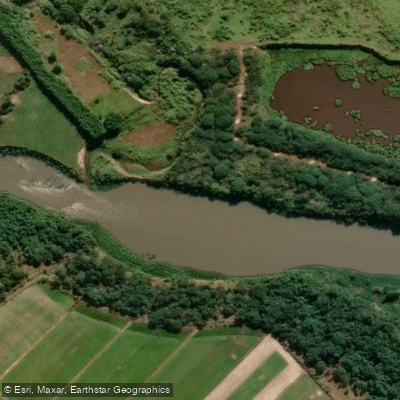
Rio Paraíba do Sul
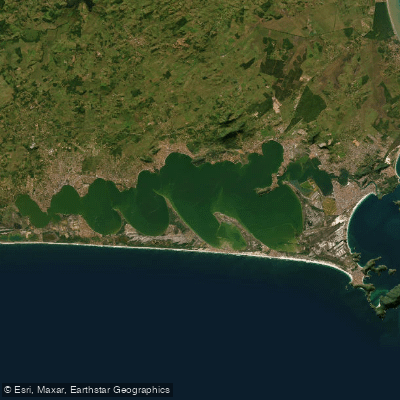
Laguna De Araruama
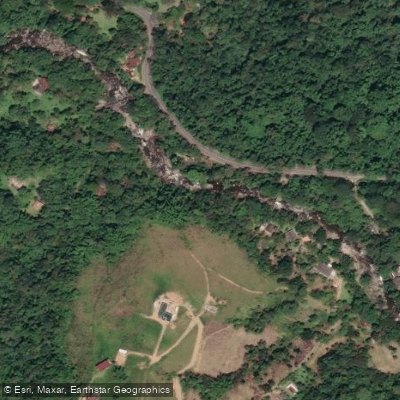
Rio Pereque-Acu
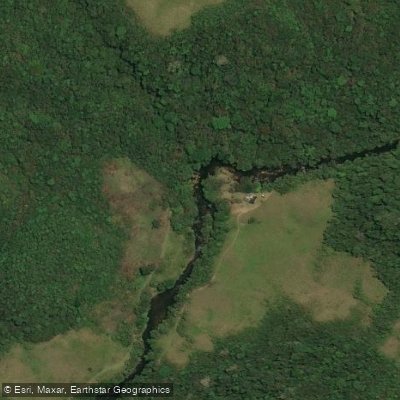
Rio Mambucaba
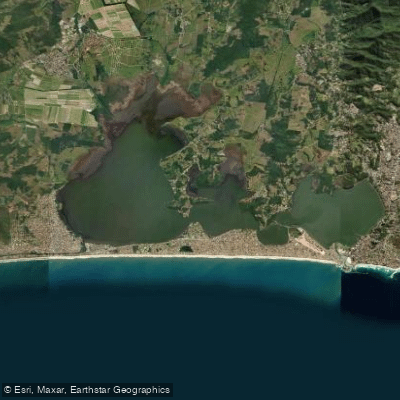
Lagoa De Saquarema
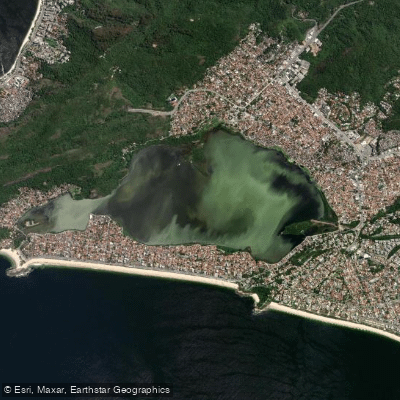
Lagoa De Piratininga
Rio da Onça
Rio São Pedro
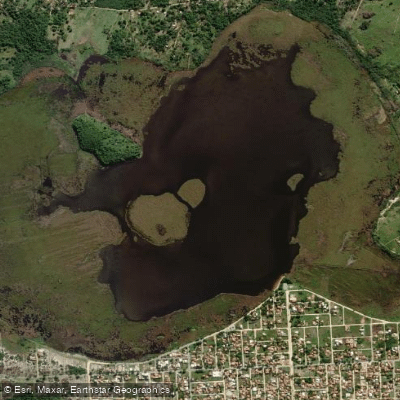
Lagoa De Jacarepiá
Rio Boa Esperança
Paddle smarter with real-time insights
Whether you're en route and conditions shift or you're looking for the best spot based on current flows, we enable you to make informed decisions on the fly.



Rio de Janeiro licenses and regulations
Explore Rio de Janeiro waters
Top paddling waters
Popular Cities
Loading popular cities...
Smarter Paddling Starts in the App.
Paddleways gives you everything you need to plan smarter, paddle better, and own every trip from first launch to takeout.