Maas
Maas
- Boat Ramps
- 2
- Access Points
- 18
- Campsites
- 9
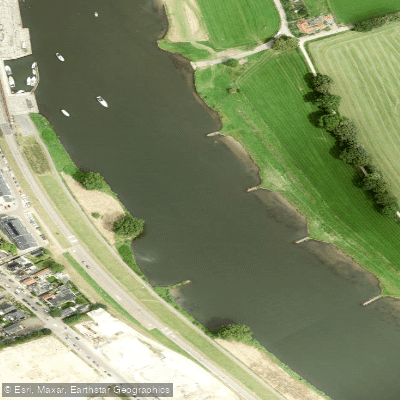
The Maas is a major river running through the Netherlands, entering near Maastricht from Belgium and flowing north toward Nijmegen before sweeping west, eventually joining the Waal at Hollands Diep and continuing to the North Sea. The river passes through a range of environments, from the natural Limburgse Maas section between Maastricht and Nijmegen — characterized by shallow depths, tight curves, old river arms, levees, stream channels, and gravel banks — to the heavily industrialized and commercial waterway through cities like Rotterdam.
The most significant hazard on the Maas is commercial shipping traffic. Large vessels travel the river continuously and do not easily see small paddlecraft. The wake and waves generated by these ships can be substantial and have been described as genuinely dangerous for canoes and kayaks. The current is also strong, particularly during high winds, when conditions can become wild and unpredictable. Paddlers are strongly advised to stay out of shipping lanes at all times and to wear a life jacket throughout any trip on the river.
In the Limburg section near the Belgian border, the river forms the boundary between the Netherlands and Belgium. This stretch passes through a nature reserve where motorized boats are not permitted, making it considerably more suitable for paddling than the lower river. Wildlife here includes bank swallows, kingfishers, herons, wild horses, and Galloway cattle visible from the water. The current in this section has been partially tamed by a lock at the Belgian border and the Julianakanaal bypass, which has three locks of its own, with five additional locks on the Maas between Roermond and the Kanaal van St Andries.
In Rotterdam, paddling the Maas is technically permitted but carries serious risks due to the density of large commercial vessels and strong currents. Those wishing to paddle in the Rotterdam area are advised to consider alternative waterways such as the Rotte or the Biesbosch wetlands instead. For those determined to access the Maas near Rotterdam, the beaches at De Esch have been noted as a relatively accessible entry point near the city center. Paddlers approaching from the Kralingse Plas can reach the Rotterdam canals and the Maas via a small lock, though this route involves navigating through the urban core.
Alcohol is not permitted on the water during organized paddling activities in the Limburg section, and swimming ability is required by at least one commercial operator there.
Water access, boat ramps & amenities
Learn how to get on Maas. Uncover great paddling access points, boat ramps, and all the facilities you need for an unforgettable day on the water. Some locations shown may border or include private property. Always check property boundaries and applicable regulations before visiting. PaddleWays's Public & Private Land layer can help you plan your access with confidence.
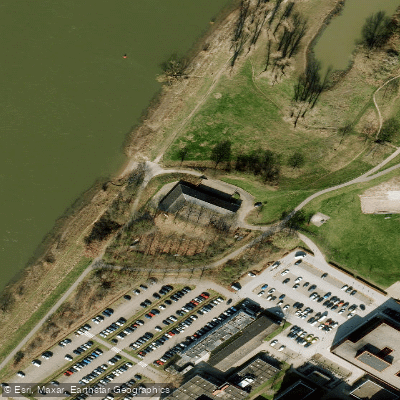
De Viking
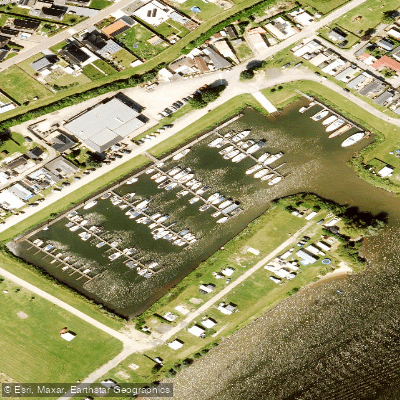
Heerewaarden
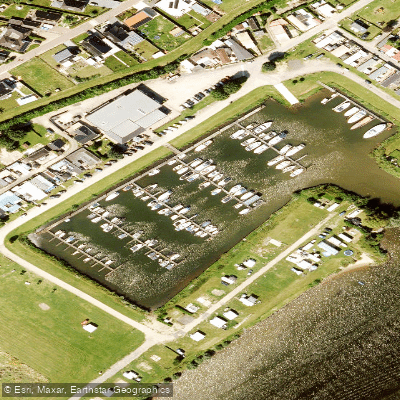
Jachthaven Heerewaarden
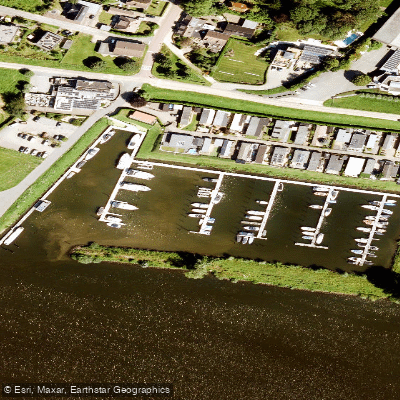
Jachthaven Het Oude Veerhuis
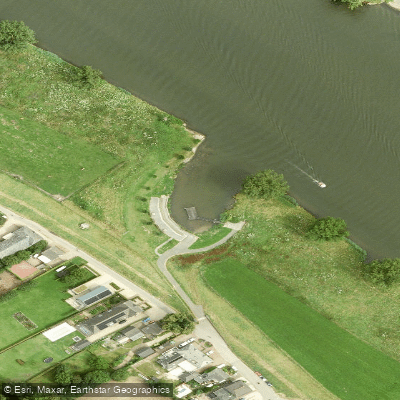
Maashaven Katwijk
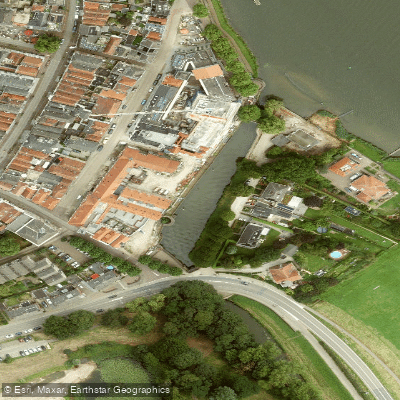
Oude Haven
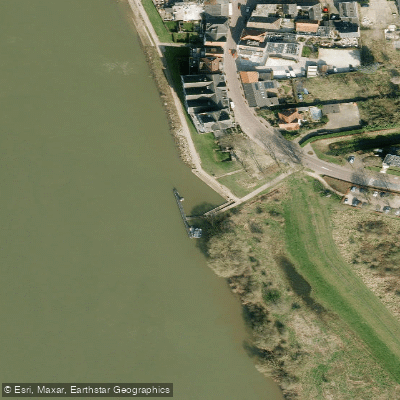
Passantenhaven Arcen
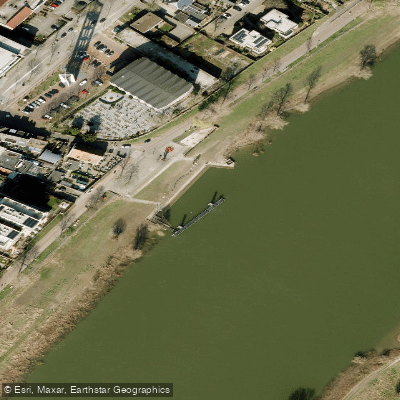
Passantenhaven Blerick
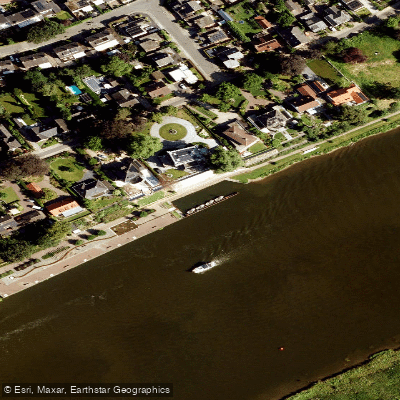
Passantenhaven Kessel
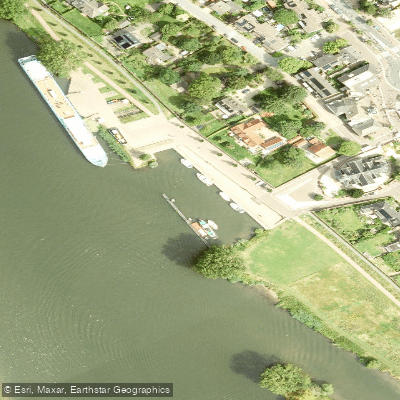
Passantenhaven Mook
Paddle smarter with real-time insights
Whether you're en route and conditions shift or you're looking for the best spot based on current flows, we enable you to make informed decisions on the fly.







Gelderland licenses and regulations
No licenses or regulations available for Gelderland.
Find Places to Paddle

Over 400,000 Places to Paddle
Every user gets free access to launch points, boat ramps, and public property parcels.
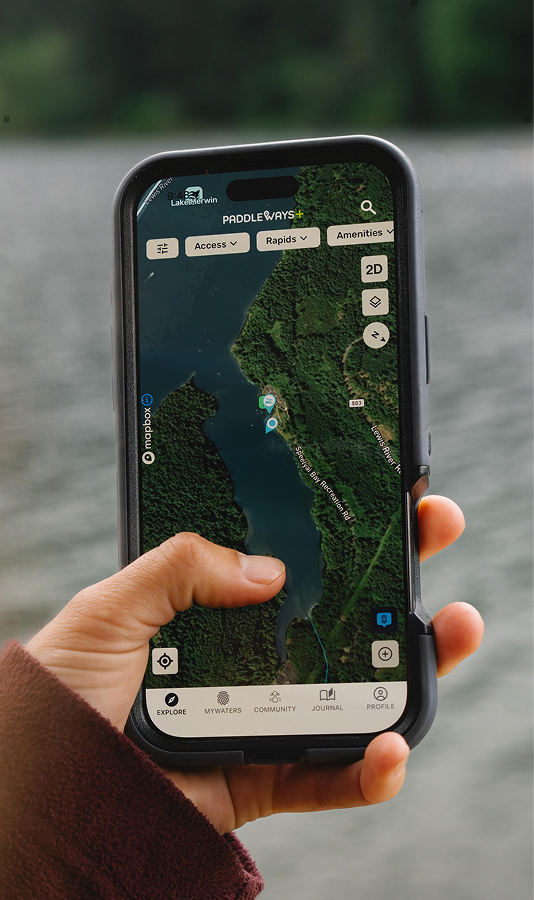

Water and weather conditions (10 day forecast)
See the best times to paddle Maas and check the forecast before you go.
Bunde, Kanaal
All Flow Stations
Paddling near Maas
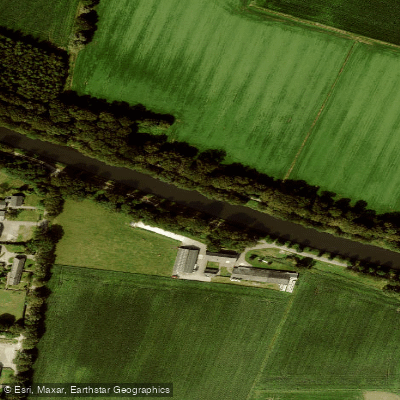
Wilhelminakanaal
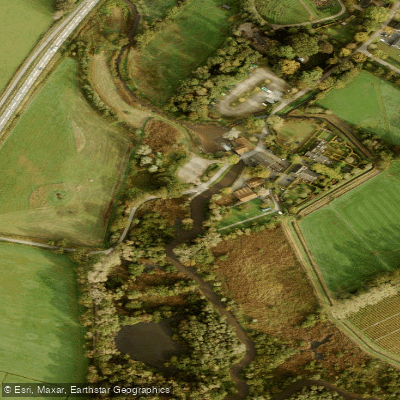
Dommel
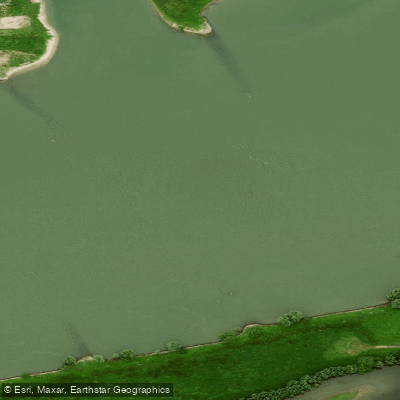
Waal
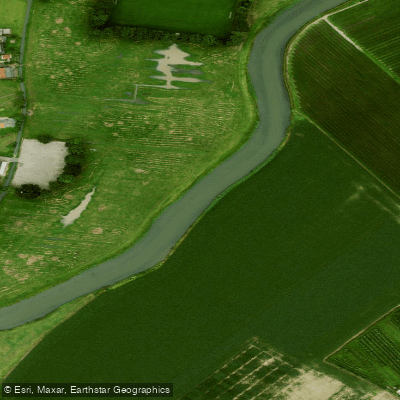
Linge
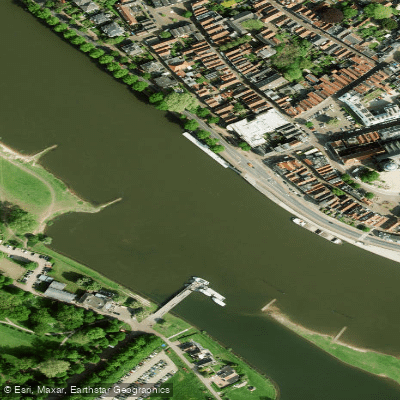
Geldersche IJssel
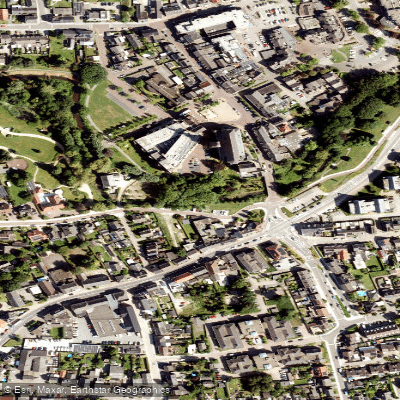
Swalm
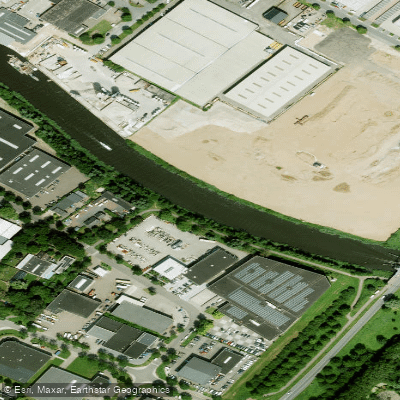
Oude IJssel
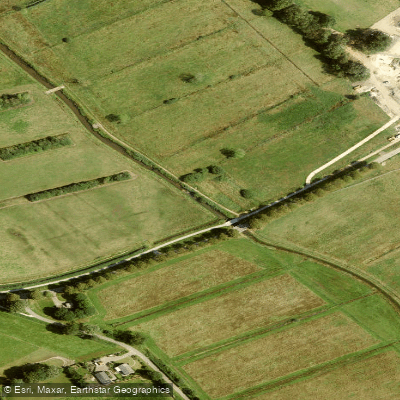
Heukelomsebeek
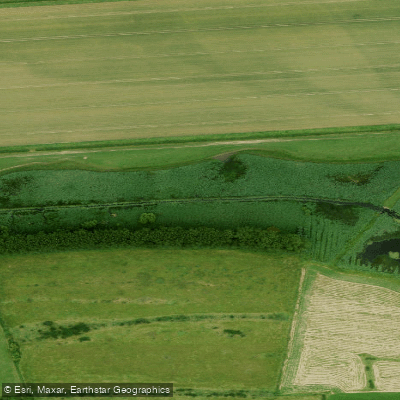
Oude Rijn
Explore Gelderland waters
Top paddling waters
No waters available right now.
Popular Cities
Loading popular cities...
Explore near Maas
Access points
Nearby waters
More in Gelderland

Smarter Paddling Starts in the App.
Paddleways gives you everything you need to plan smarter, paddle better, and own every trip from first launch to takeout.